REVIEW · SINGAPORE
Chinatown Heritage Centre (Admission Ticket)
Book on Viator →Operated by Chinatown Heritage Centre · Bookable on Viator
Small museum, big time machine. Chinatown Heritage Centre is a compact, shop-house style stop in Singapore’s Chinatown where you can explore the area’s story without being stuck with a crowd. I love how it feels like you’re walking through older Chinatown spaces instead of just reading labels, and I also like the smart self-guided setup with QR-based storytelling.
The second thing I really liked: you can use your own mobile device for free audio content, with multimedia guides available on-site if you want them. The only real drawback is that you’re limited to your ticket date and you can’t re-enter, so once you go in, plan your timing and keep an eye on closing/last entry.
In This Review
- Chinatown Heritage Centre at a Glance (What You’ll Actually Do)
- Key Highlights Worth Prioritizing
- Finding Chinatown Heritage Centre in Singapore (and Why Location Matters)
- What the Shop-House Museum Teaches You About Early Chinatown
- QR Codes, Audio on Your Phone, and the Self-Guided Pace
- “Rooms and Professions” Exhibits: What to Look For
- Timing Your Visit: The 1–2 Hour Plan That Fits a Full Day
- Price and Value: Is $20.18 Worth It?
- Rules That Affect Your Experience (Read This Part)
- Who Should Book This Admission Ticket?
- Quick Booking Tips That Keep the Day Smooth
- Should You Book Chinatown Heritage Centre?
- FAQ
- How long does the Chinatown Heritage Centre visit take?
- What is included with the admission ticket?
- Do I need to buy a ticket in advance?
- Is there audio available during the visit?
- Are photos allowed inside the Centre?
- Can I re-enter after I leave?
- What time is last admission?
- Are children allowed, and is it free for very young kids?
Chinatown Heritage Centre at a Glance (What You’ll Actually Do)
Think of this as timed admission to a focused museum experience. You don’t need a tour group, you don’t need to “keep up,” and you can move through the galleries in the order that fits you. It’s about 1 to 2 hours for most people, and it slots nicely into a Chinatown sightseeing day.
Key Highlights Worth Prioritizing
- Timed entry without group pressure: choose an entry time and go at your own pace.
- Shop-house museum layout: the setting helps you understand how Chinatown communities lived and worked.
- QR code storytelling: scan points inside the galleries to hear the stories behind what you’re seeing.
- Use your phone for free audio: bring your own mobile device and earpiece for audio content.
- Hands-on, everyday-detail exhibits: older rooms and professions make the past feel personal.
- Friendly help on-site: staff like Chin Yee are described as helpful and welcoming.
You can also read our reviews of more tours and experiences in Singapore.



Finding Chinatown Heritage Centre in Singapore (and Why Location Matters)
Chinatown Heritage Centre is right in the heart of Chinatown, so you can pair it with a wander through shop houses, temples, and street scenes. The big practical win is that you’re not committing to a long, remote excursion. It’s a short stop that still feels meaningful, which is ideal if you’re trying to build a full day without exhausting yourself.
Also, it’s near public transportation, so you’re not relying on taxis or complicated transfers to get there. If your plan includes multiple Chinatown sights, being close to transit keeps your day flexible.
What the Shop-House Museum Teaches You About Early Chinatown
This is an exhibition ticket for the Centre’s galleries, and the focus is clear: you’ll learn about the lives of early Chinese settlers and how the community took shape. Instead of treating Chinatown as a “pretty district,” the museum pushes you to understand the social history behind it—how people arrived, faced challenges, and built a home base.
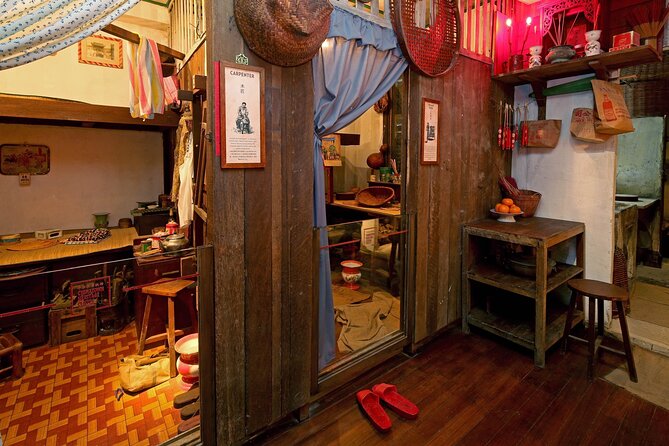
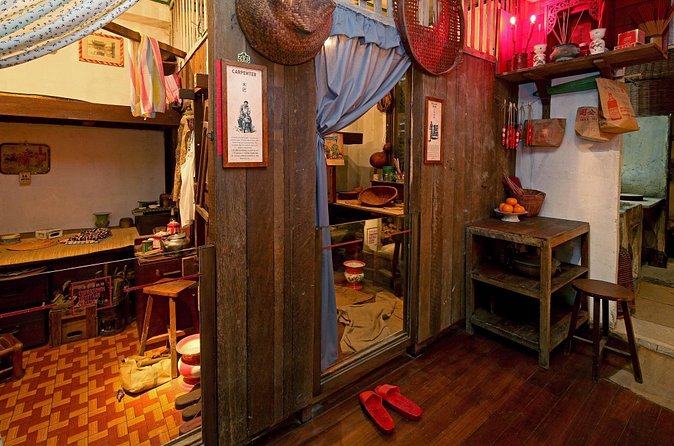
What makes the exhibits click is the way they’re presented. You’re not just looking at a display case. You’re stepping through rooms and settings that recreate everyday environments. One standout theme from the experience is the attention to ordinary professions and household spaces—places like a tailor shop and small kitchen setups that help you picture daily life rather than just major events.
And yes, you’ll also see how the physical form of Chinatown—especially shop-house life—connects to the community story. That’s the kind of context that makes the streets outside feel more understandable when you walk back out.
QR Codes, Audio on Your Phone, and the Self-Guided Pace

A lot of museums try to do “interactive.” This one actually gives you tools to guide yourself. Inside, you’ll find a system built around QR code scanning, so you can follow the narrative at your speed. If you like reading and then hearing the story, you can do both without getting dragged along.
My advice: don’t rush. The QR points are most useful when you stop for a minute, look closely, and then scan. If you keep moving fast, you’ll miss the connections between what the room looks like and what the narration explains.
Then there’s the audio option. You can use your own mobile device and earpiece for free audio content. That’s handy because you don’t have to rent anything to get a guided feel. If you prefer a dedicated device, the Centre also offers multimedia guides for rent on-site—but the “bring your own phone” setup is a great option if you’re trying to travel light.
One more practical note: flash photography, food, and drinks aren’t allowed inside. That keeps the galleries calm and helps protect exhibits. Plan on having snacks later outside.
“Rooms and Professions” Exhibits: What to Look For
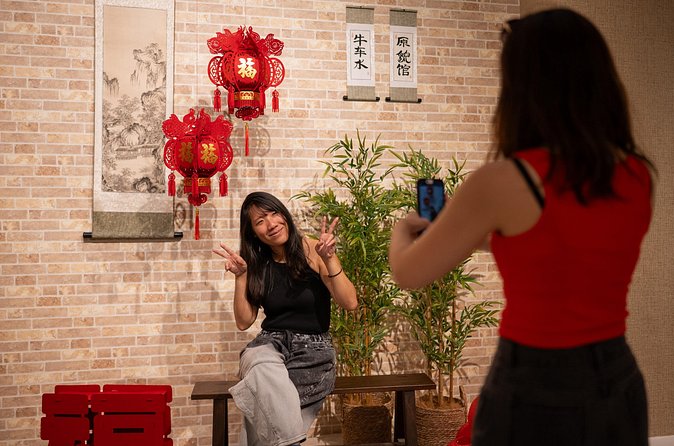
The experience includes themed areas that recreate smaller, specific spaces. Based on what people highlight most, the Centre does a good job with the details that make a place believable—things like an old-school barber setup, theatre-related references such as an opera house scene, and everyday working spaces that show how community life functioned.
You’ll also notice exhibits that move beyond the general story and focus on people and jobs that helped form the Chinatown community. That shift matters because it turns history into something you can imagine yourself doing and living through—rather than a list of dates.
If you’re traveling with someone who likes visual storytelling, this is a strong fit. If you’re traveling solo and want something focused but not lonely, it works the same way because the audio and QR content help keep you engaged even without a live guide.
And a personal detail that stood out: one staff member, Chin Yee, gets called out as especially helpful and friendly. That kind of service can make a self-guided museum feel more human if you have questions.
Timing Your Visit: The 1–2 Hour Plan That Fits a Full Day
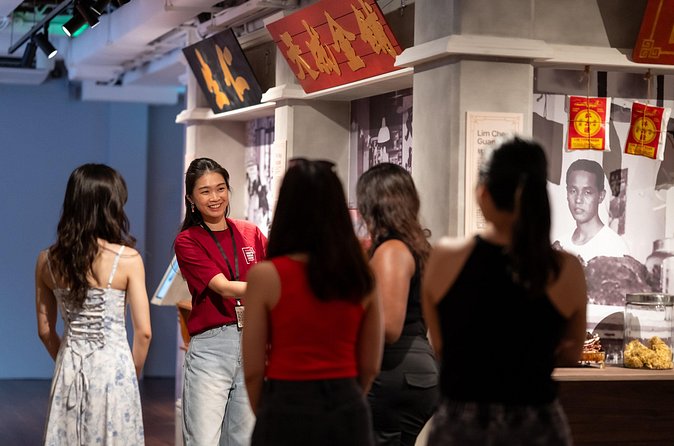
The ticket is for a 1–2 hour visit window, roughly. In real life, you’ll likely spend about an hour to enjoy it at a comfortable pace, with extra time if you read carefully and linger in multiple rooms.
The key constraint is the late-day schedule. Last admission is at 6:00 PM, and late arrivals can’t be accommodated. So if your day runs long, don’t treat this as an after-dinner “maybe.” Build it earlier so you can enjoy it without stress.
The Centre is also designed to be compact, which helps if your itinerary is already full. This is exactly the kind of stop that works well between busier sights: you get context, then you can walk out and see the district with new understanding.
Price and Value: Is $20.18 Worth It?

At $20.18 per person, this isn’t a “free” add-on, but it also isn’t one of those pricey experiences where you pay mostly for the schedule. You’re buying entry to the exhibition areas, plus access to the tools that bring the galleries to life (QR code scanning and phone-based audio options).
The value equation gets better if:
- You want culture without a full guided tour.
- You like museums that don’t feel too long.
- You’re the type who enjoys details—rooms, professions, and recreations—more than big blockbuster exhibits.
Also, since it’s a short visit, it can be a smart use of time. Even if you’re only seeing one museum stop that day, Chinatown Heritage Centre has enough variety in its themed spaces to justify that slot.
If you’re using a pass, this can become even more budget-friendly. Some visitors mention it was a good match when included via a pass, which makes sense for a museum that’s reasonably priced on its own and only takes about an hour.
Rules That Affect Your Experience (Read This Part)
A few policies can shape how pleasant your visit feels:
- Your ticket is valid only on the specified date and for one person.
- Re-entry isn’t permitted, so once you’re inside, you’re committed to finishing your visit that day.
- Last admission is 6:00 PM, so plan to arrive with buffer time.
- Flash photography, food, and drinks aren’t allowed inside the Centre.
- Children under 12 must be accompanied by an adult, while children under 3 enjoy free admission.
If you’re the type who likes to take quick breaks outside, this is easy to manage—just do them before you enter. If you’re the type who forgets and then needs a restroom in the middle, plan for it so you’re not cutting your museum time short.
Who Should Book This Admission Ticket?
This is a great ticket if you:
- Want to explore at your own pace with no group pacing or meeting points.
- Like museums that use QR/audio storytelling rather than just display panels.
- Enjoy character-driven history—people, jobs, and everyday life.
- Are spending a day in Chinatown and want context that makes the streets click.
It may feel less ideal if you’re looking for a long, multi-hour attraction with constantly changing areas. This is compact. The payoff is intensity over length.
Quick Booking Tips That Keep the Day Smooth
You can book in advance and choose a time slot, which helps you avoid the stress of last-minute ticket hunting. Confirmation comes quickly after booking, and the official ticket is sent within 24 hours (with the note that initial confirmation may not be the official ticket).
If you’re sensitive to time, pick an entry time that still leaves room for your other Chinatown plans. This way, you’re not racing the clock once you’re in.
Should You Book Chinatown Heritage Centre?
Yes, if you want a focused, self-guided museum experience in Chinatown that adds real context to the neighborhood. The price is fair for what you get: exhibition access plus audio/QR storytelling tools, all in a visit that usually fits within about an hour.
Book it especially if you enjoy recreations of everyday spaces—like working rooms and small household setups—because that’s where the experience tends to feel most memorable. If your day is tight or you tend to forget timing, you’ll still likely enjoy it, just arrive early enough to avoid the last admission cutoff and remember that re-entry isn’t allowed.
FAQ
How long does the Chinatown Heritage Centre visit take?
Plan on about 1 to 2 hours. Many visitors find it works well as a roughly hour-long stop, depending on how much you read and scan.
What is included with the admission ticket?
Your ticket includes admission to the Centre’s exhibition areas (the galleries).
Do I need to buy a ticket in advance?
You can book in advance and choose an entry time. That helps you avoid waiting in line to buy tickets on the day and gives you schedule control.
Is there audio available during the visit?
Yes. You can use your own mobile device and earpiece for free audio content. Multimedia guides are also available for rent on-site.
Are photos allowed inside the Centre?
Flash photography isn’t allowed inside the Centre. Food and drinks are also not allowed.
Can I re-enter after I leave?
No. Re-entry isn’t permitted, so make sure you’re ready to finish your visit once you go in.
What time is last admission?
Last admission is at 6:00 PM. Late arrivals can’t be accommodated.
Are children allowed, and is it free for very young kids?
Children under 12 must be accompanied by an adult. Children under 3 enjoy free admission.