REVIEW · KATHMANDU
Full Day Private Tour of Seven World Heritage Sites in Kathmandu
Book on Viator →Operated by Cordial Trek Pvt. Ltd. · Bookable on Viator
Kathmandu can feel like a constant drumbeat, so a planned route helps. This full-day private tour lines up seven UNESCO World Heritage sites across the valley, from the white stupa of Boudhanath to the Monkey Temple at Swayambhunath. You also get cultural context for Hindu and Buddhist landmarks, plus a real shot at seeing Kumari as part of the experience highlight.
What I really like is the comfort-and-structure combo. The day runs about 8 hours with hotel pickup and drop-off, handled by an air-conditioned private car and a driver, plus bottled water to keep things sane on the road.
The second big plus is the guide time. Names like Nilakantha Acharya and Kamal come up with praise for making temples understandable, including the rituals and ceremonies you’ll see on-site. One consideration: monument admission fees are not included, listed as $50 per person, so that’s where your real budget shift happens.
In This Review
- Key Highlights at a Glance
- Seven UNESCO Sites in One Day: What the Route Really Gives You
- Price and Entrance Fees: Where the Real Cost Shows Up
- Hotel Pickup, Air-Conditioned Car, and Bottled Water: The Comfort That Matters
- Your Guide Makes or Breaks Temple Days
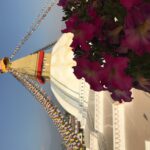
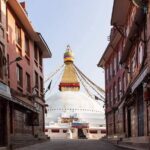
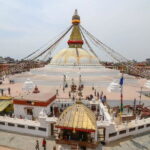
- Stop 1: Boudhanath Stupa and the Slow Power of Buddhist Space
- Stop 2: Pashupatinath Temple, Lord Shiva, and Worship in Motion
- Stop 3: Changu Narayan Temple and the Value of a Hilltop Site
- Stops 4 and 5: Bhaktapur and Patan Durbar Squares, Royal Squares as Living Cities
- Bhaktapur Durbar Square
- Patan Durbar Square
- Stop 6: Swayambhunath (Monkey Temple) and the Art of Not Overheating
- Stop 7: Kathmandu Durbar Square and the Big Royal-Temple Mix
- Kumari and Temple Rituals: How the Tour Adds a Human Layer
- Lunch Included: Nepali Thali or Momo/Spaghetti
- What a Private Tour Changes in Kathmandu
- Who Should Book This Tour (and Who Might Hesitate)
- Should You Book This Seven-World-Heritage Day Tour?
- FAQ
- What time does the tour start?
- How long is the Kathmandu seven UNESCO sites private tour?
- Is hotel pickup and drop-off included?
- What’s included in the tour price?
- Are monument entrance fees included?
- Which UNESCO World Heritage sites are visited?
- What lunch options do you get?
- Is this tour private or shared with other groups?
- Can I cancel for a full refund?
Key Highlights at a Glance
- Seven UNESCO World Heritage sites in one packed day across Kathmandu Valley
- Hotel pickup and drop-off with an air-conditioned private car and driver
- On-the-ground guidance that explains temple meaning and what you’re seeing
- Lunch included (Nepali thali or momo/spaghetti) plus bottled water
- Plenty of photo moments, with guides often taking photos and sharing them afterward
- Entrance fees are extra (not included), so plan for that up front
Seven UNESCO Sites in One Day: What the Route Really Gives You
This tour is built for one thing: compressing a lot of Kathmandu Valley meaning into a single day without turning it into a chaotic sprint. You start at 08:00 AM, and you’ll keep moving across the valley with short stops that still give you time to notice details.
That matters because Kathmandu’s top sites aren’t just postcard monuments. Boudhanath and Swayambhunath are living spiritual centers. Pashupatinath is intensely active during worship. Durbar Squares in Bhaktapur, Patan, and Kathmandu are tied to how people still move through the city, not just museum-style viewing.
The itinerary focuses on variety:
- Big-scale religious landmarks (stupas and temples)
- Old royal squares in three cities
- A hilltop temple with constant activity (Swayambhunath)
- A preserved temple on a hill (Changu Narayan)
If you only have a day in Kathmandu, this is the kind of route that lets you see the major UNESCO highlights while your guide explains what they’re really for and what to look for.
You can also read our reviews of more private tours in Kathmandu

Price and Entrance Fees: Where the Real Cost Shows Up
The price listed is $5 per person, which looks almost too good. Here’s the catch: monuments entrance fees are not included, and they’re listed as $50 per person.
So how do you judge value?
- The tour fee covers the private vehicle, the guide, bottled water, pickup/drop-off, and lunch.
- The big spend is admissions at the monuments.
If you’re comparing options, don’t compare only the tour price. Compare the all-in reality: tour + monument entry.
Also note how each stop marks admission as not included. That’s consistent with the idea that you’ll pay for sites as you go. Bottom line: budget the admissions early, and the rest of the day feels like a straightforward package.
Hotel Pickup, Air-Conditioned Car, and Bottled Water: The Comfort That Matters
Kathmandu traffic can be stop-and-go. A private, air-conditioned car is a big deal when you’re trying to cover multiple cities in one day. It’s not just comfort for comfort’s sake. It protects your energy for walking around temples and squares where stairs and crowds can slow you down.
Pickup and drop-off also reduce friction. You’re not doing mental math about meeting points or timing buses. The tour is scheduled to start at 08:00 AM, so you can plan your morning without guesswork.
Small things add up:
- Bottled water is included, which helps when you’re moving between sites.
- Lunch is included (more on that next), so the day isn’t dependent on finding food near each stop.
If you’re coming straight from the airport, staying in central Kathmandu, or just don’t want to manage transport for eight hours, this setup is practical.
Your Guide Makes or Breaks Temple Days
This kind of tour lives or dies by interpretation. A good guide helps you read a temple the way you’d read a book: symbols, materials, and rituals all start to connect.
In the feedback for this experience, the guide names Nilakantha Acharya and Kamal show up repeatedly, alongside praise for being:
- Friendly and professional
- Able to explain the history and the meaning behind what you see
- Focused on rituals and ceremonies actually happening during your visit
One detail I’d call out from the reviews: guides also help with pacing and photo moments. People mentioned that their guides took photos and sent them afterward. That’s a small service, but it solves a common problem in Kathmandu—when you’re busy looking up at carvings, you forget to take a decent shot of yourself.
If you care about understanding what you’re seeing (instead of just checking boxes), prioritize a tour where the guide actively points things out. This one is clearly designed for that.
Stop 1: Boudhanath Stupa and the Slow Power of Buddhist Space
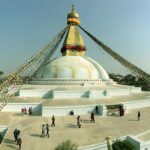
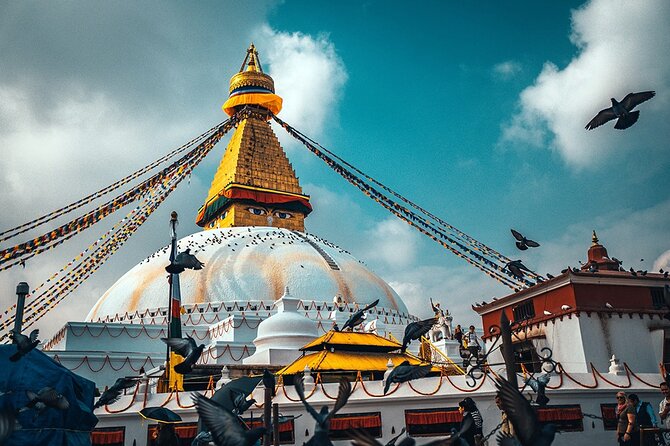
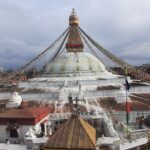
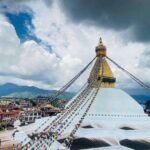
You start at Boudhanath Stupa, one of the most recognizable sacred sights in the valley. The atmosphere here is different from a temple square. It’s more open, more continuous, more focused on movement and devotion.
Even with a limited amount of time, you’ll get the essential experience: the scale, the white stupa surface, and the way people approach and participate around the monument. It’s the kind of place where your eyes need a minute to adjust, especially if you’re arriving after a long drive.
Potential drawback: because it’s so popular, you can run into crowds. That’s not a flaw in the tour—just part of visiting a major pilgrimage and UNESCO landmark. If you’re the type who likes quiet, aim to move thoughtfully and let your guide tell you what to notice first.
You can also read our reviews of more historical tours in Kathmandu
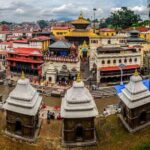
Stop 2: Pashupatinath Temple, Lord Shiva, and Worship in Motion
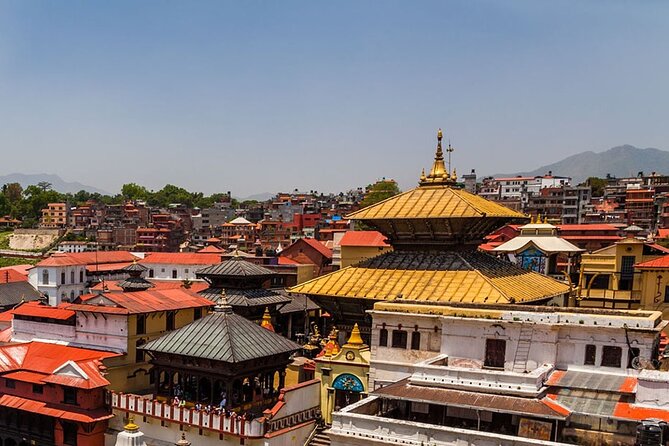
Next comes Pashupatinath Temple, dedicated to Lord Shiva. This is a Hindu pilgrimage site, and it has that unmistakable feeling of a place people come to with intention, not just curiosity.
A one-hour stop works best if you treat it like an observing window rather than a checklist. You’ll want your guide’s explanations here. Review feedback highlighted guides clarifying rituals and ceremonies going on in the temples. That guidance is what turns Pashupatinath from scenery into understanding.
Practical note: temples like this often mean rules about behavior and movement. The tour includes a guide and private transport, which usually helps you avoid the awkward confusion of figuring out what’s allowed while you’re pressed for time.
Stop 3: Changu Narayan Temple and the Value of a Hilltop Site
After Pashupatinath, you head to Changu Narayan Temple. This one is described as an ancient Hindu temple located on a hilltop, also known as Changu or Dolagiri in its area.
Hilltop temples tend to reward a careful pace. Even if you’re not spending hours here, you can still notice how the setting changes the experience—views in the distance, and a more “set piece” feel compared with flatter city streets.
The main drawback to plan for: hilltop sites often mean extra walking or uneven terrain. The tour is still “most travelers can participate,” but if you’re sensitive to stairs or steps, wear shoes you can move confidently in.
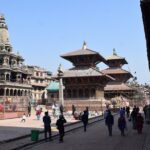
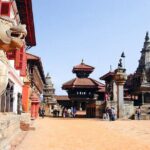
Stops 4 and 5: Bhaktapur and Patan Durbar Squares, Royal Squares as Living Cities
Then you move into the Durbar Square zone with UNESCO weight.
Bhaktapur Durbar Square
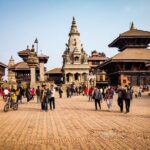
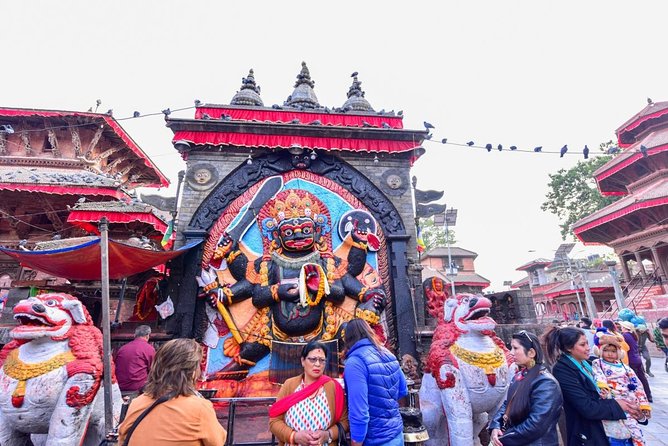
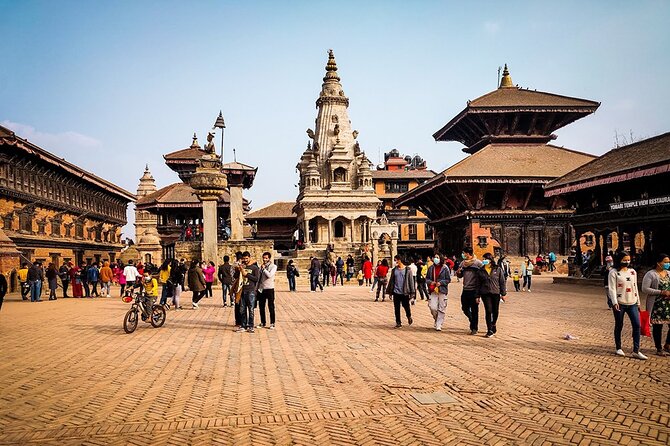
Bhaktapur Durbar Square is in Bhaktapur, described as both the smallest district and the biggest Durbar Square of Nepal. It includes other smaller Durbar squares as well, which signals a cluster of historic spaces rather than one single stop.
Here, the tour time of about 1 hour 30 minutes is helpful. Durbar squares have layers: architecture, carvings, and the sense that the place is part of daily life, not frozen.
Patan Durbar Square
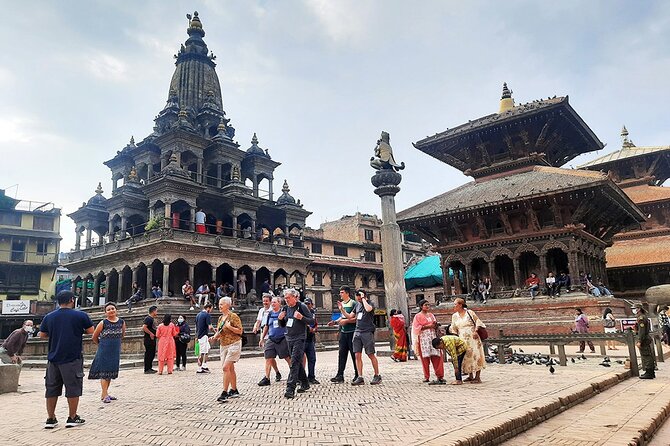
Patan Durbar Square sits in Lalitpur, and it’s one of three Durbar Squares in the Kathmandu Valley that are UNESCO World Heritage Sites.
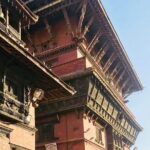
In one review, people said they loved the architecture and the way temples were built. That’s exactly where Durbar squares deliver. You’re looking at stonework, forms, and design logic that takes more than a glance to appreciate.
If you’re worried about feeling rushed: the tour pacing seems to land well for many people. Feedback mentioned an 8-hour day that didn’t feel rushed, including lunch.
Stop 6: Swayambhunath (Monkey Temple) and the Art of Not Overheating
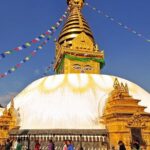
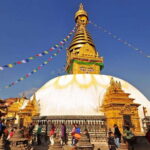
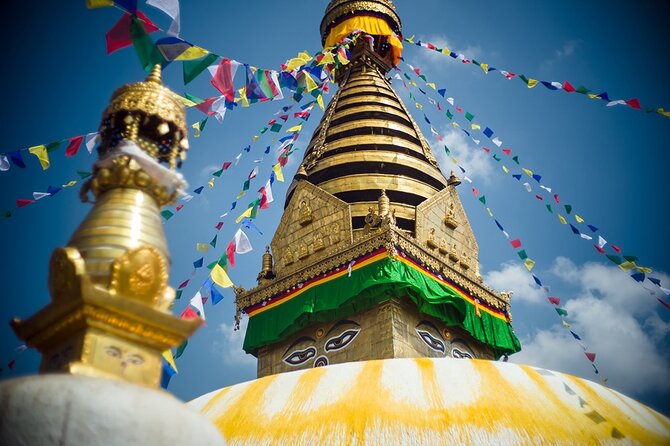
Swayambhunath is the famous Monkey Temple, built around a large Stupa known as Mahachaitya. The name is tied to Tibetan meaning about “sublime trees,” and that clue hints at why the site feels different. It isn’t just stone; it’s a hilltop environment where nature and architecture share the stage.
This stop is about 1 hour, which means you’ll want to focus on the essentials:
- The stupa area and key viewpoints
- The details your guide points out
- Managing crowds and animal antics (expect monkeys in this type of place)
Practical consideration: hilltop layouts mean stairs. If you’re traveling with less-sturdy footwear or you dislike climbs, this is the stop that will test your stamina the most.
Stop 7: Kathmandu Durbar Square and the Big Royal-Temple Mix
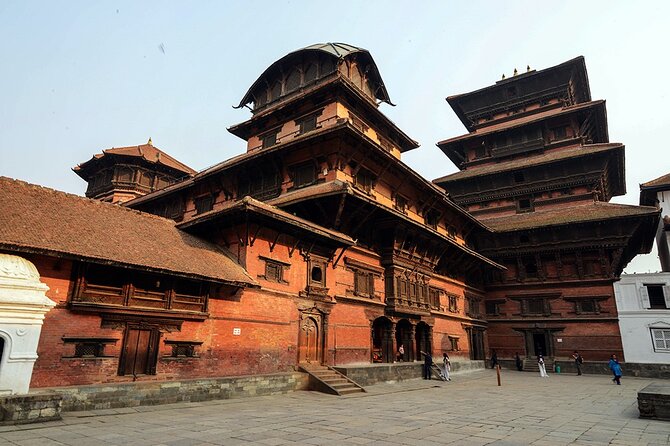
Finally, you reach Kathmandu Durbar Square, another of the three UNESCO Durbar Squares in the valley. Major construction began in the third century, with large structures added later—so you’re not looking at one moment in time. You’re looking at a long evolution.
This stop is about 1 hour. It’s enough to feel the scale and key monuments, especially with a guide narrating what you’re seeing and how the pieces fit together.
Durbar squares can feel busy, and sometimes your best strategy is to let the guide set the order of importance: where to look first, what details to notice, and what symbolism to keep in mind while you walk.
Kumari and Temple Rituals: How the Tour Adds a Human Layer
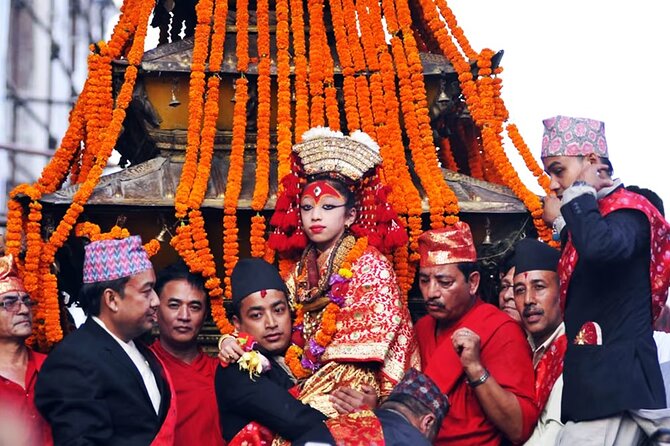
Beyond UNESCO labels, this tour tries to capture daily religious life. The experience highlights include a chance to see the living goddess Kumari, which adds a real “this is Nepal” element to the day.
You also get emphasis on rituals and ceremonies at temples. Feedback specifically praised guides for explaining ceremonies going on during visits. That’s valuable because many visitors arrive unsure about what they’re seeing. A good explanation turns silence from confusion into attention.
One note: a chance to see Kumari doesn’t mean it’s guaranteed in every moment. It’s best to treat it as an opportunity that depends on timing and conditions. Either way, the day’s temple focus should still be satisfying.
Lunch Included: Nepali Thali or Momo/Spaghetti
Lunch is included, with options listed as Nepali thali or momo/spaghetti. That choice matters because it keeps you from hunting for food after hours of walking and driving.
I like that the tour gives you recognizable options that work for different palates. If you want to try Nepali flavors, the thali fits the moment. If you want something more flexible, momo or spaghetti helps keep the day comfortable.
Keep in mind: lunch timing is part of the pace. The tour runs about eight hours total, and the schedule is designed so lunch doesn’t eat the entire sightseeing chunk.
What a Private Tour Changes in Kathmandu
This is a private tour/activity, meaning only your group participates. In a city where sight lines and crowds can get intense, that matters.
Benefits you’ll feel:
- You can move at a pace that suits your questions.
- Your guide can adjust explanations based on what you care about.
- You’re not stuck waiting for other group members to finish photos or restrooms.
There are group discounts mentioned too, which can be useful if you’re traveling with friends and want the same private-ride setup.
One drawback: a private tour can feel more “scheduled” than casual wandering. If you love doing things on your own schedule, you might wish for more flexible time at each site. But if your goal is efficient UNESCO coverage, private makes sense.
Who Should Book This Tour (and Who Might Hesitate)
This works best for:
- People with one day who want the big UNESCO highlights across the valley
- Visitors who like a guide explaining temples, rituals, and architecture
- Travelers who want comfort and logistics handled (pickup, driver, bottled water, lunch)
- Anyone who values the cultural layer, including the Kumari chance
You might hesitate if:
- You hate stairs or uneven terrain (Swayambhunath is likely demanding)
- You’d rather focus on one area deeply instead of touching many sites
- You’re trying to keep the budget strictly to the $5 tour price, since entrance fees are extra
Should You Book This Seven-World-Heritage Day Tour?
If you want a one-day Kathmandu Valley hit list that still feels meaningful, I’d say yes—with the right expectations. The value isn’t just the itinerary. It’s the private ride, the guide interpretation, and having lunch built into the day so you don’t lose time chasing food.
Just do one important thing before you commit: budget for the $50 per person monument entrance fees. Once you account for that, this looks like a solid deal compared with piecing everything together yourself.
If you book, bring comfortable shoes, a small water-ready mindset, and a willingness to slow down at temples when your guide explains what you’re looking at. That’s where the day becomes more than photos.
FAQ
What time does the tour start?
The tour begins at 08:00 AM from your hotel.
How long is the Kathmandu seven UNESCO sites private tour?
It runs for about 8 hours (approx.).
Is hotel pickup and drop-off included?
Yes. Pickup and drop-off are included.
What’s included in the tour price?
Included features are an air-conditioned private car with driver, a tour guide, sightseeing tour, bottled water, pickup and drop-off, and lunch (Nepali thali or momo/spaghetti).
Are monument entrance fees included?
No. Monument entrance fees are not included and are listed as $50.00 per person.
Which UNESCO World Heritage sites are visited?
The tour includes Boudhanath Stupa, Pashupatinath Temple, Changu Narayan Temple, Bhaktapur Durbar Square, Patan Durbar Square, Swayambhunath (Monkey Temple), and Kathmandu Durbar Square.
What lunch options do you get?
Lunch is included as Nepali thali or momo/spaghetti.
Is this tour private or shared with other groups?
This is a private tour/activity, and only your group will participate.
Can I cancel for a full refund?
Yes, free cancellation is available up to 24 hours in advance for a full refund.