REVIEW · FRIULI VENEZIA GIULIA
Aquileia Unesco World Heritage
Book on Viator →Operated by Lubos Dzuro · Bookable on Viator
Aquileia gives you Roman ruins without the Rome crowds. This small-town walking tour strings together the major UNESCO stops of ancient Aquileia, from the forum and river harbor to burial grounds and the patriarchal basilica. You start in the historic center and end right back where you began.
Two things I really liked: the focus on how Aquileia changed over time and Lubos Dzuro’s energetic, interesting way of explaining it. The highlight for me is the Duomo of Aquileia and its very well preserved floor mosaics, plus the story that connects imperial power to later church authority.
One consideration: the Basilica of Aquileia and the Archaeological Museum are not included in the tour price, so you may want to budget for those tickets if you want the full set of interiors.
In This Review
- Key points at a glance
- Aquileia in 2.5 Hours: what you’ll see without Rome
- Meet Lubos Dzuro: how the tour connects the big story
- Roman Forum area: Foro Romano and the pulse of civic life
- Il Porto sul Natissa: river ports that explain the economy
- Il Sepolcreto and Fondo Cal: burial ground plus the traces of homes
- Basilica di Aquileia and the Duomo mosaics you should plan for
- Cripta degli Scavi: the underground layer of the story
- Military cemetery and the in-between structures: what to notice
- Domus e Palazzo Episcopale and the Decumano: where leaders lived
- Optional National Archaeological Museum: when you want more than the walk
- Price and value: paying per group for a focused UNESCO route
- Practical timing and planning tips that help the day go smoothly
- Should you book Aquileia UNESCO World Heritage?
- FAQ
- FAQ
- What is the starting point for the tour?
- What time does the tour begin?
- How long does the tour last?
- Is this a private tour?
- How large can the group be?
- What’s included in the tour price?
- Are tickets for the basilica and museum included?
- Which stops have free admission tickets?
- Is the ticket mobile?
- What is the cancellation policy?
Key points at a glance
- Private group feel for up to 10 people, guided by Lubos Dzuro
- UNESCO sites in one loop: forum, river ports on the Natissa, burial ground, and more
- Duomo mosaics are a must-see and a big part of the tour’s storytelling
- Several stops are ticket-free, but basilica and museum entries cost extra
- Optional add-ons like the National Archaeological Museum if you want more depth
- Mobile ticket makes entry straightforward on the day
Aquileia in 2.5 Hours: what you’ll see without Rome
If you want ancient Roman sites but prefer not to spend your day hopping across big cities, Aquileia is a smart pivot. In about 2 hours 30 minutes, you cover a tight cluster of archaeology and key monuments tied to Aquileia’s UNESCO standing. It’s paced as a leisurely stroll, not a sprint.
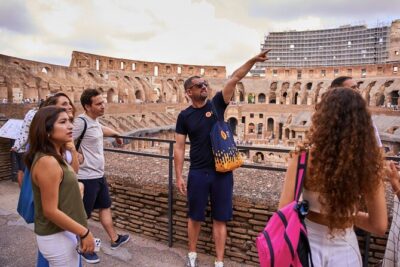
This is also set up as a private tour for your group (up to 10), which matters in a place like Aquileia where small details make the difference. You’re not listening to a headset script while people shuffle past. You get time to ask questions and to look at the ground-level clues that bring ancient life back.
The tour starts at Piazza Capitolo, 33051 Aquileia UD, Italy, at 10:00 am, and it finishes back at the same meeting point. It’s also described as near public transportation, so you’re not stuck making the day work around one remote stop.
Meet Lubos Dzuro: how the tour connects the big story
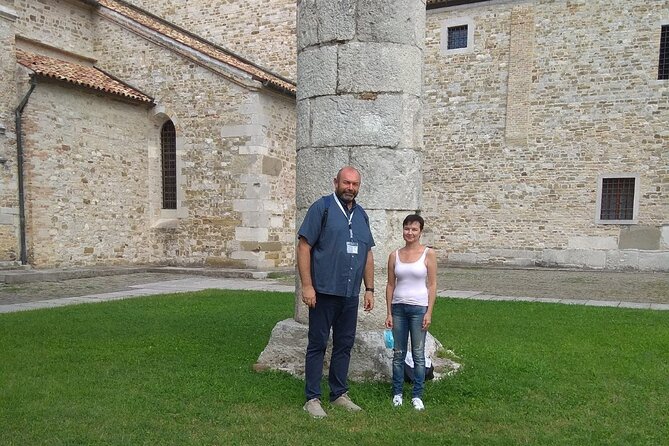
What makes this tour feel worth your time is the way the guide ties the sites into one clear narrative. Lubos Dzuro is the named guide here, and the feedback you get on his work points to the same thing: competence plus genuine enthusiasm, with a clear interest in making the past make sense for real people.
You’ll hear about the development of Aquileia from an imperial residence into a later patriarchal seat. That framing changes how you read the ruins. Instead of just collecting locations, you start noticing contrasts: politics versus religion, public spaces versus homes, and living areas versus burial zones.
I also like that the tour includes both above-ground monuments and the idea of what lies underneath or nearby. Aquileia is the kind of place where the scale is manageable, but the interpretation has to be right. This is where a strong guide earns his keep.
Roman Forum area: Foro Romano and the pulse of civic life
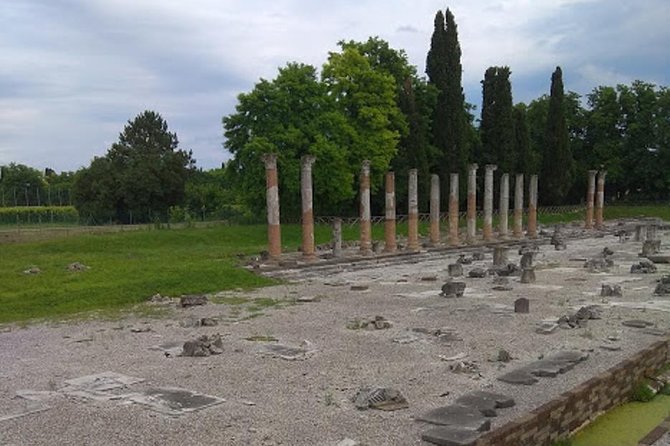
Your first stop is the Area Archeologica di Aquileia – Foro Romano. Admission here is listed as free, and the time on this first segment is short—about 5 minutes—which is a good sign. It’s not trying to overwhelm you before you get your bearings.
This forum area is where you start to understand Aquileia’s public face: the space that supported civic life in the Roman world. Even in a compact time window, the guide can help you interpret what a forum meant—where people gathered, where authority was displayed, and where daily social movement happened.
A quick tip: when you’re in forum-type spaces, slow down for 30 seconds and look for the edges and layout cues. That’s how your brain starts mapping the site. The guide’s explanation then clicks into place.
Il Porto sul Natissa: river ports that explain the economy
Next you move to Il Porto sul Natissa, another UNESCO World Heritage stop with free admission and about 20 minutes here. This longer window is intentional. Ports are the engine rooms of ancient cities, and Aquileia’s relationship with water is central to understanding why it mattered.
At the river harbor, you’ll get a sense of Aquileia as more than monuments and basilicas. It was a working hub connected by waterways. When you see a port site, it’s easier to imagine the movement of goods and people and how wealth could concentrate here.
If you enjoy practical history—how a city worked day to day—this is the segment that usually feels most grounded. The guide’s job is to connect the physical remains to the economic story, and that connection is the point.
Il Sepolcreto and Fondo Cal: burial ground plus the traces of homes
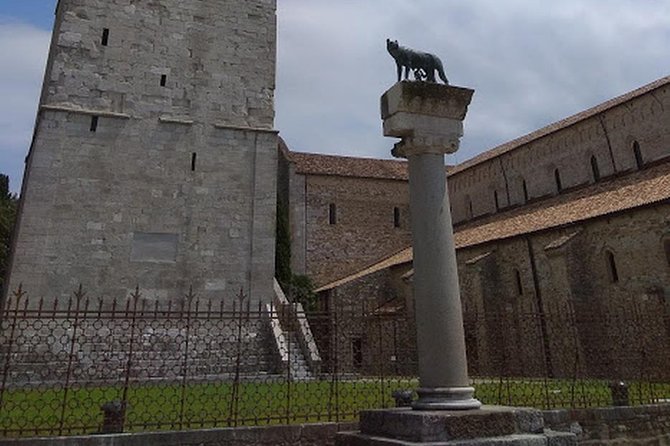
Then the tour moves to Il Sepolcreto, a burial ground UNESCO site with free admission and around 10 minutes. Burial zones often sound grim, but in a place like Aquileia they’re essential for understanding community structure. Who got space? What kinds of people lived here? How did beliefs shape where people ended up?
Right after that, you’ll look at Fondo Cal, listed as remains of apartment buildings (also free admission), again around 10 minutes. This pair of stops does something useful: it changes your perspective from how people were remembered to how they lived.
A small consideration: these archaeology stops can feel abstract if you rush. You’ll get the guide’s help reading the remains, but if you’re the type who likes lots of time at one location, you might feel the pacing is quick. The trade-off is that you see the full UNESCO arc in one outing.
Basilica di Aquileia and the Duomo mosaics you should plan for
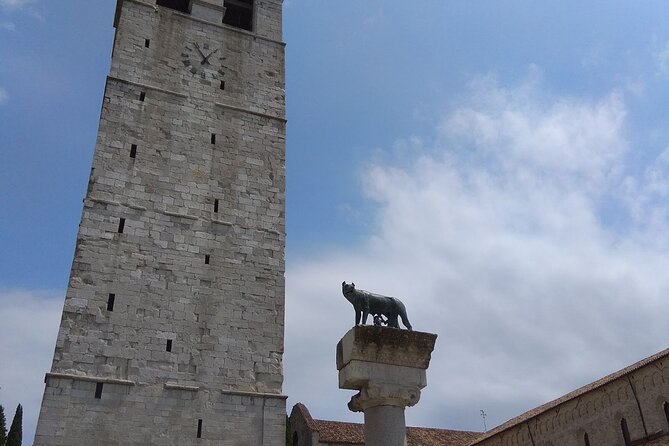
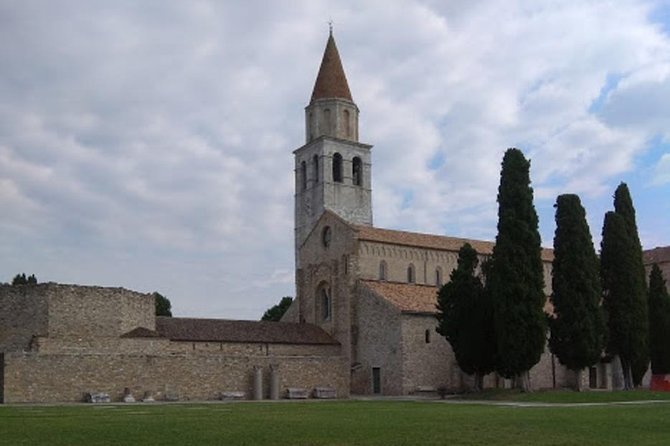
Now you reach the main monument: Basilica di Aquileia (also called the Patriarchal Basilica). You’ll spend about 30 minutes on this stop, but here’s the key detail: tickets for the basilica are not included.
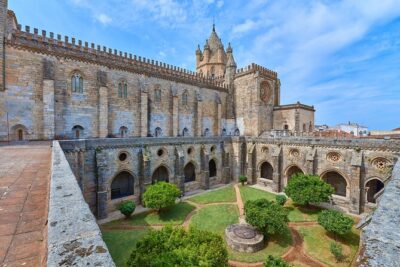
This is where the tour earns its biggest reputation. The Duomo of Aquileia is known for its priceless and very well preserved floor mosaics, and the guide also explains the shift from imperial power to patriarchal authority. That timing matters. You don’t just get to admire mosaic surfaces; you understand why a later religious seat took over and how that changed the city’s identity.
You’ll also have the bell tower on the route as another stop. Since interiors and special areas are not included, make sure you’re ready to add ticket time if you want those deeper views. If you love mosaics, treat this segment like the centerpiece it is.
Cripta degli Scavi: the underground layer of the story
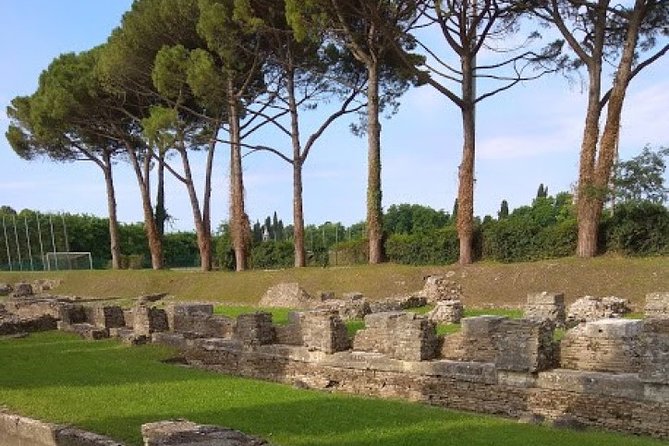
After the basilica segment, you move to Cripta degli Scavi for about 10 minutes. Again, tickets are not included for this part. Cripta spaces can feel like a different city compared to the mosaics above, and that contrast is part of the value.
This is also where the tour’s historical framing really pays off. When you hear the imperial-to-patriarchal story and then you stand in a layered archaeological context, the city starts to feel like a continuous process rather than a single frozen moment.
Practical advice: if you’re sensitive to tight spaces or want a slower pace inside, plan your pace accordingly. The tour’s overall time is limited, so your time inside any ticketed area will likely shape how much you can take in.
Military cemetery and the in-between structures: what to notice
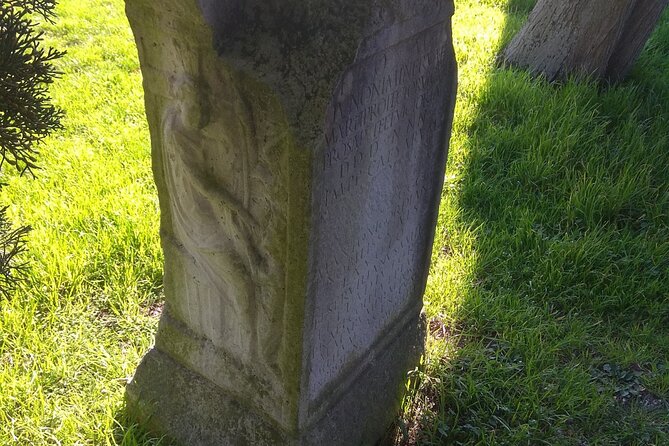
The itinerary includes a few smaller, more easily overlooked stops that add texture: a Military cemetery, Meizlik Palace, Sudhalle (south hall), and Chiesa dei Pagani. For several of these, the guide lists tickets not included, meaning the tour is probably more about orientation and interpretation than long inside visits.
This is a smart way to experience Aquileia. Big sites are necessary, but they don’t explain everything. Palaces, halls, and neighborhood churches help you understand the city beyond the headline monuments. And the name choices in the route matter because they hint at different layers of Aquileia’s social world.
When you’re at these “in-between” stops, look for what feels out of place or surprising. A hall or palace remnant next to a religious site is often where the timeline starts to feel real. The guide’s explanations are designed to help you connect these dots fast.
Domus e Palazzo Episcopale and the Decumano: where leaders lived
The tour then moves into the zone where authority shows up in everyday form: Domus e Palazzo Episcopale (with about 10 minutes). There’s also Il Grande Mausoleo di Candia, Decumano di Aratria Galla, and Domus di Tito Macro (formerly referenced as Fondi Cossar) plus time at the market area.
Some of these are marked as on order, and others say tickets not included, so treat these segments as the part of the tour where the guide can adjust based on what you want to prioritize. The value here isn’t just seeing ruins; it’s understanding how different functions fit together—home, office, ceremonial memory, and street-grid logic.
The Decumano stop is especially helpful for people who like structure. A decumanus-type street is a key urban element in Roman town planning, and standing near that grid idea gives you a mental map. From there, homes and official buildings feel less random.
If you’re a history nerd, you’ll probably enjoy how the route keeps pairing places that tell different aspects of the same story: public versus private, civic order versus later religious governance.
Optional National Archaeological Museum: when you want more than the walk
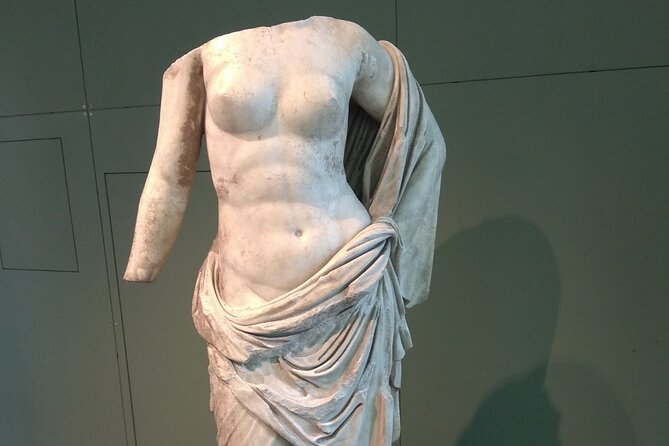
You’ll also have an option to visit the National Archaeological Museum of Aquileia after lunch if you wish. In the information provided, this museum visit is described as on order, and tickets are not included.
This is the best add-on if you want to go from “spotting things in the ruins” to understanding what those things meant. A museum can also help you see fragments that don’t read easily in outdoor settings.
One reason I like having the museum as an optional follow-up: it lets you match the day to your energy. If you’re enjoying the walk, you can stay in the field. If you want deeper artifacts and explanations, you can add the museum without forcing it.
Price and value: paying per group for a focused UNESCO route
The price is listed as $201.59 per group, for groups up to 10 people. That’s a solid way to price a private tour because it’s not charging you per person from the start.
Here’s the practical math. At full size (10 people), it works out to about $20 per person. If you’re a smaller group, your per-person cost goes up, but you’re still paying for a private guide and a short, organized route through multiple UNESCO stops.
The route includes an experienced guide, and many stops have free admission listed. That combination matters. You’re not only paying for interpretation; you’re also not paying an entry fee at every single step. The parts that cost extra are clearly flagged: the basilica and the museum tickets are not included, and some other sites also note tickets not included.
One more value note: the tour is scheduled as a private activity, so you won’t waste time waiting for other groups or getting split up. And because it’s offered with a mobile ticket, you can keep the day simple.
Practical timing and planning tips that help the day go smoothly
The tour starts at 10:00 am and runs about 2 hours 30 minutes. That timing is ideal for seeing a lot before you lose the morning to crowds, long lines, or museum fatigue.
The tour also notes that confirmation is received within 48 hours of booking, subject to availability. And it’s helpful to know that this experience is often booked well ahead—on average 81 days in advance—so if you have travel dates in mind, it’s smart to reserve earlier rather than later.
Finally, it’s described as near public transportation and most travelers can participate. If you’re planning around mobility needs, this is a walking-based route, so wear comfortable shoes and expect to move between multiple archaeological and monument stops.
Should you book Aquileia UNESCO World Heritage?
Book it if you want a private, story-led way to see Aquileia’s UNESCO sites without bouncing between far-flung locations. I’d especially recommend it if you care about how places change meaning over time—this tour is built around the arc from imperial residence to patriarchal seat—and if you’re curious about why a basilica’s mosaics carry more than artistic value.
Skip it or rethink it if your dream day is long, slow museum time with lots of indoor-only stops. This is a walk-first experience, and ticketed interiors like the basilica and museum aren’t included, so you’ll need to add those based on your interests.
One last nudge: if mosaics and interpretation matter to you, this tour’s centerpiece is the basilica floor. Plan your time so you don’t just rush the big monument—you’ll get more out of the guide’s explanation if you slow down inside.
FAQ
FAQ
What is the starting point for the tour?
The tour starts at Piazza Capitolo, 33051 Aquileia UD, Italy.
What time does the tour begin?
The start time is 10:00 am.
How long does the tour last?
The duration is approximately 2 hours 30 minutes.
Is this a private tour?
Yes. It’s a private tour/activity, and only your group will participate.
How large can the group be?
The price is per group for up to 10 people.
What’s included in the tour price?
An experienced guide is included.
Are tickets for the basilica and museum included?
No. Tickets for the basilica and the archaeological museum are not included.
Which stops have free admission tickets?
The Roman Forum area, the river ports, the burial ground, and the Fondo Cal remains are listed with free admission tickets.
Is the ticket mobile?
Yes. The tour features a mobile ticket.
What is the cancellation policy?
You can cancel for a full refund up to 24 hours before the experience’s start time. Free cancellation is available under that deadline.