REVIEW · ROME
Colosseum, Roman Forum & Palatine Hill Guided Tour
Book on Viator →Operated by Carpe Diem Tours · Bookable on Viator
That is a lot of Rome in just 3 hours. This guided tour stitches together the Colosseum, Roman Forum, and Palatine Hill with timed entry and a storyteller guide. You get admission to all three stops, plus optional access choices if you want more.
What I like most is the practical setup: headphones for clear audio, and tickets bundled so you spend less time in lines. I also like that the guide brings the sites into focus with details on gladiators and how Romans lived, so the ruins don’t feel like random stone piles.
One drawback to keep in mind: there’s a fair amount of walking, including stairs and some uphill stretches around Palatine Hill and the Forum. If you have mobility limits, you’ll want to plan carefully.
In This Review
- Key highlights to know before you go
- Why This Colosseum–Forum Tour Works So Well
- Meeting Point, Start Order, and the One Rule That Matters
- Stop 1: Colosseum Entrance, Gladiator’s Gate, and the Arena Choice
- Stop 2: Palatine Hill’s Imperial Palace Ruins and Big Views
- Stop 3: Roman Forum on the Via Sacra and Via Nova
- How Headphones and a Story-First Guide Change Everything
- The Walking Reality: What to Wear and Who Should Think Twice
- Value Check: Is $60.46 a Good Deal?
- Small Risks to Plan For (So You’re Not Surprised)
- Should You Book This Colosseum, Roman Forum & Palatine Hill Tour?
- FAQ
- What’s included in the tour ticket?
- How long is the tour?
- Where do I meet, and where does the tour end?
- Do I need to bring identification?
- Is the arena floor included?
- What if weather is bad or the tour is canceled?
Key highlights to know before you go
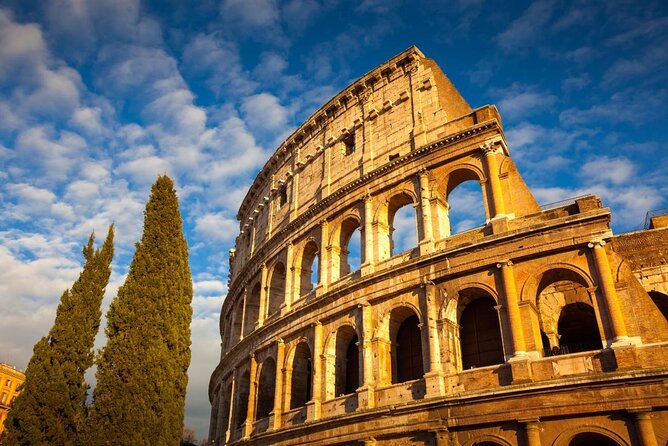
- Timed, bundled entry to three major sites, designed to cut down ticket-office waiting
- Headphones included, so you can actually hear the guide in crowded areas
- Gladiator’s Gate access may be available if you select that option
- Arena Floor access is optional, and it depends on the option you book
- Small-group size (max 24) keeps it easier to ask questions and stay together
Why This Colosseum–Forum Tour Works So Well
If you only have one morning or afternoon for Rome’s biggest monuments, this format makes sense. You hit the Colosseum first (or sometimes the Forum/Palatine Hill first), then continue through the Imperial views and into the political heart of the city. In about 3 hours, you get a connected story instead of three separate ticket lines.
The value is in the time math. You’re paying for a guide plus reserved admission that helps you avoid the slow parts—ticket counters and general entry chaos. And the guide uses headphones, which sounds like a small detail until you’re standing in a noisy crowd and can suddenly follow every explanation.
The other smart part is flexibility. The tour order can change depending on ticket availability, which is normal for major sites with time slots. You’re not locked into one rigid sequence, so the operator can still make the day work.
You can also read our reviews of more guided tours in Rome
Meeting Point, Start Order, and the One Rule That Matters
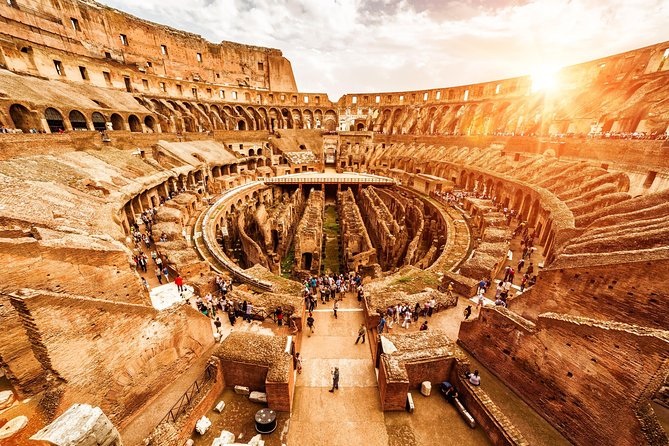
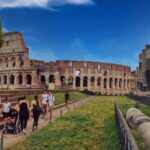
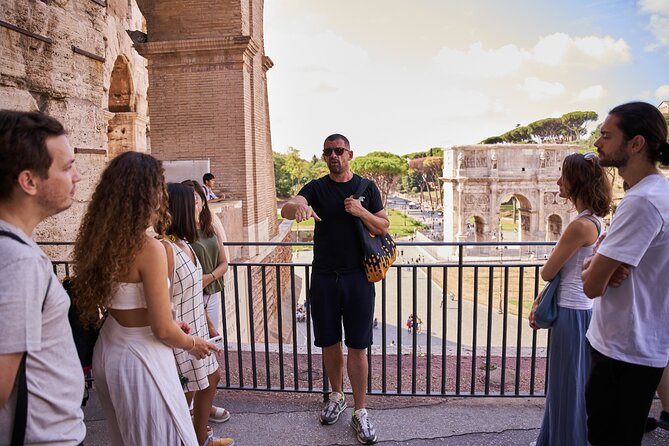
You meet at the Arch of Constantine near Piazza del Colosseo. Your tour ends at either the Roman Forum or the Colosseum, depending on which monument you start with. That means you’ll want to plan your next stop around where you’ll be dropped off.
Here’s the rule that trips people up: Colosseum entry is timed, and late arrivals can lose their spot. The tour notes suggest arriving early—at least 15 minutes early—so you can check in and get through security without panic.
Also double-check names. Tickets must match the full names on your booking, and you’ll need a valid passport or ID that matches those names at the entrance. It’s not a “close enough” situation—major venues are strict about this.
Stop 1: Colosseum Entrance, Gladiator’s Gate, and the Arena Choice
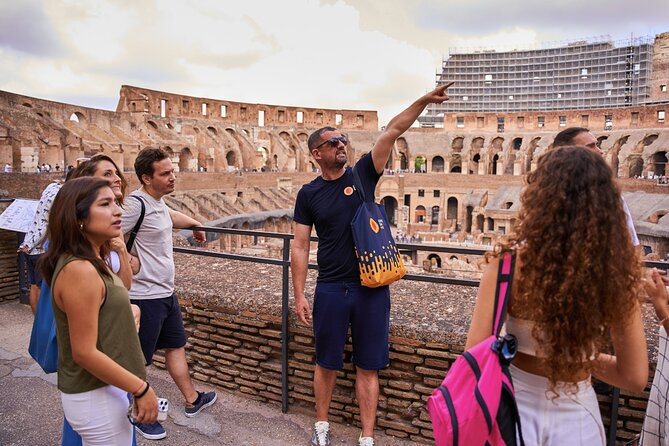
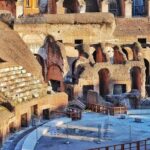
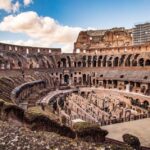
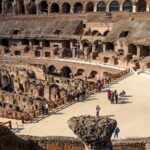
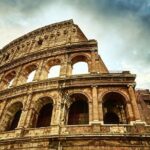
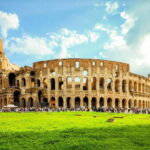
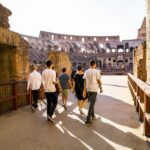
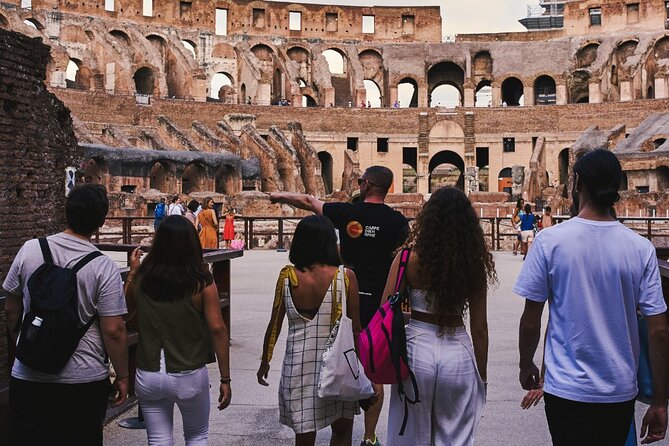
This stop runs about 1 hour and is the headline. With a guide and a reserved ticket, you walk in with context instead of just scanning the walls. You’ll hear how the social status of spectators worked, what was normal etiquette for ancient entertainment, and how the gladiatorial games shaped Roman culture.
If you select the right option, you may get access around the Gladiator’s Gate, where fighters once entered the arena for battle. Even if you don’t choose that add-on, the guide’s storytelling is aimed at making you picture the sequence of the day—arrivals, performances, and the crowd’s expectations.
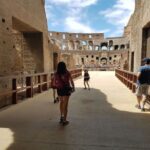
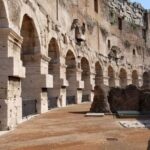
The arena floor is a separate option. If you book it, you’ll get that extra perspective from inside the space. If you don’t, you’ll still see a lot of the key interior vantage points. Either way, plan for stairs and uneven stone textures; you’ll be on your feet for this major stop, not on a comfortable rolling tour bus.
Practical tip: wear shoes that grip well. The Colosseum area is outdoors, and the surfaces can be slippery after rain.
Stop 2: Palatine Hill’s Imperial Palace Ruins and Big Views
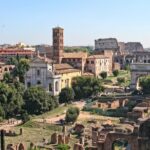
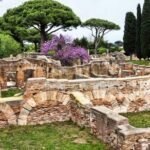
Next is Palatine Hill for about 30 minutes. This hill is famous because it sits at the story-source of Roman power. You’ll walk through ruins connected to the Imperial Palace area, with pine trees overhead and sweeping views down toward the Circus Maximus and the Roman Forum.
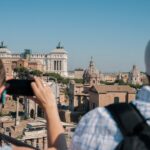
The big value here is the viewpoint logic. From Palatine Hill, the layout starts to make sense: you can look down and connect what you’re about to walk through in the Forum with where emperors and elites were living above it. It’s not just pretty scenery—it’s spatial understanding.
Because your time here is shorter than the other two stops, you’ll want the guide’s pace to be tight. A good guide will point out what to look for in a limited window—where the palace remnants sit, and how the ruins relate to the daily rhythm of Rome.
If you’re heat-sensitive or visiting in summer, this is a good moment to take quick water breaks. The hilltop feeling is great, but Rome can be demanding in direct sun.
Stop 3: Roman Forum on the Via Sacra and Via Nova
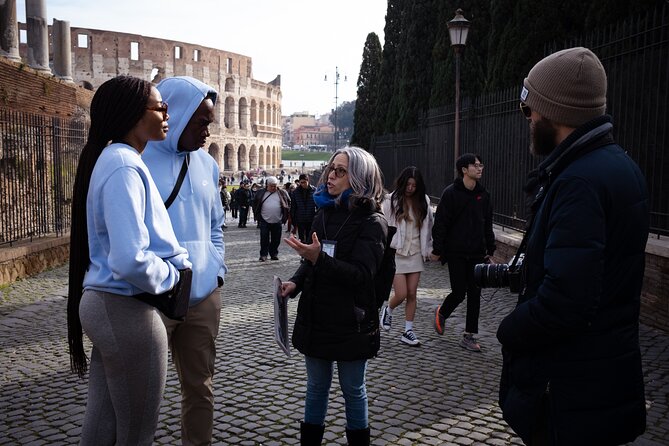
Then you move into the Roman Forum for about 45 minutes—the political and social center of ancient Rome. Here’s where the tour shifts from spectacle to governance and everyday power.
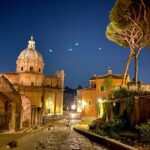
You’ll walk along routes like the Via Sacra and the Via Nova, weaving around arches and major temple remains. The guide usually focuses on what these spaces meant: where Senators made laws, how speeches worked in public, and what the Rostra was used for. You’ll also hear myth-linked anchors like Romulus and the role Julius Caesar played in popular storytelling.
One useful reality check: less than half of the Forum remains today. That sounds gloomy, but it’s actually helpful on a guided tour. The guide ties together what’s missing by explaining the structure and function of what used to be there—so the Forum still feels like a place, not a scavenger hunt.
Movement note: the Forum route includes standing time in key areas so you can get the explanation, followed by walking segments. If crowds thicken, your group will still keep moving because the tour is scheduled.
How Headphones and a Story-First Guide Change Everything
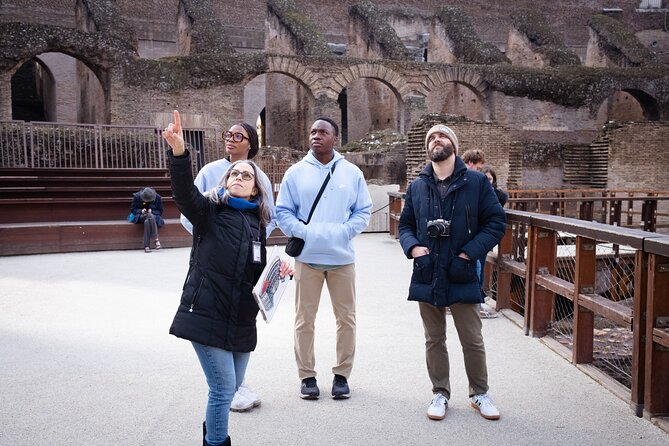
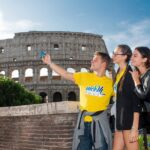
The best Colosseum tours aren’t just fact dumps. They turn stone into a timeline. This tour is built around that idea, with a licensed historian guide and headphones included so the audio stays clear even when other groups squeeze into the same space.
In real terms, you’ll notice the difference right away in two moments:
- When the guide explains gladiator culture and audience norms, you start recognizing what you’re looking at instead of just seeing big walls and arches.
- When the guide connects Palatine views to Forum politics, you stop treating the stops like separate attractions and start seeing one system.
You’ll also get a sense of guide personality. For example, people highlighted guides like Ivana for strong pacing and friendly Q&A energy, Kopal for a passion that showed through the whole walk, Mariana for humor and keeping a group moving well, and Andrea for making the Colosseum feel relatable. Other guides like Yousef, Georgio, Andy, and Francesca also came up in accounts for answering questions clearly and keeping people engaged—even when it rained.
Bottom line: the headphones plus a story-first style is what makes this more than a checklist tour.
The Walking Reality: What to Wear and Who Should Think Twice
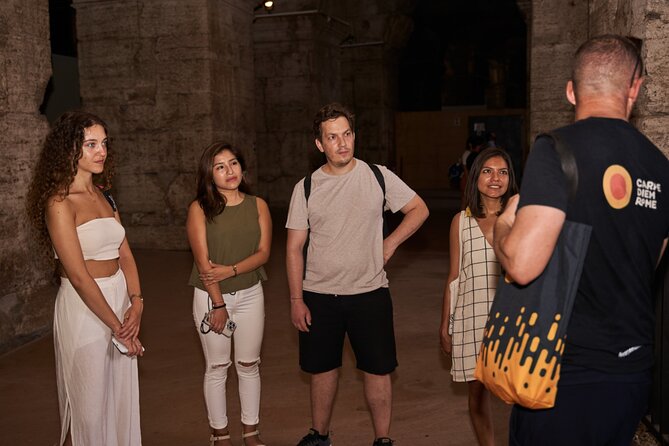
This experience is not a sit-and-watch event. You should expect a lot of walking, plus stairs and some uphill/downhill movement—especially around Palatine Hill and the Forum sections.
If you have mobility challenges, plan for extra difficulty. A few people specifically warned that the combination of stairs and the hill areas may not suit everyone.
My practical advice:
- Wear grippy shoes with support.
- Bring a small umbrella or rain layer if weather looks uncertain.
- Keep water handy; there are stretches where you’ll be standing for explanations.
Also remember the tour runs in outdoor conditions. Even if the rain doesn’t cancel the day, your comfort will depend on your clothing.
Value Check: Is $60.46 a Good Deal?
At $60.46 per person (for about 3 hours), the question isn’t just price—it’s what’s bundled. This tour includes admission to three sites with a reservation component (listed as a €18–€24 value for the Colosseum entry and reservation fee). You also get the guide plus headphones, which are not free perks at busy, major sites.
If you tried to piece this together on your own, you’d still face:
- timed entry complexity,
- the time sink of ticket lines (especially at the Colosseum),
- and the challenge of making sense of what you’re seeing without a guide’s structure.
This is why the tour is often described as an efficient use of time. You’re paying to compress planning and slow waiting into a guided route that’s built around major entrances and key viewing points.
One more value note: if you want extra access like the arena floor or Gladiator’s Gate option, your final price changes based on which upgrades you select. Think of the base tour as the “best story per hour,” and upgrades as the “more steps for more perspective.”
Small Risks to Plan For (So You’re Not Surprised)
Most of the experience runs smoothly, but big venues come with edge cases. A few real-world issues to guard against:
- Strict timing: if you arrive late, you may not be allowed to enter once the tour starts.
- Name matching: tickets and ID must match exactly.
- Optional add-ons: arena access can be affected depending on the day’s controls and ticket conditions. If you book upgrades, it’s wise to keep expectations flexible and ask how changes are handled on the day.
None of that means you should avoid the tour. It just means you should treat the check-in moment seriously.
Should You Book This Colosseum, Roman Forum & Palatine Hill Tour?
Yes—if you want a guided route that makes Rome’s biggest monuments make sense quickly, and you value headphones + timed entry. This is a strong pick for first-timers who want context on gladiators and how Rome’s political engine worked, without spending your limited time wrestling with lines and figuring out what matters.
Skip it (or choose something else) if:
- you can’t handle stairs and hill walking,
- you’re hoping for a relaxed, slow-paced stroll,
- or you’re likely to arrive late and don’t want timed entry stress.
If you’re on a tight schedule and you want ancient Rome to feel like a connected story instead of three separate stops, this is a solid booking.
FAQ
What’s included in the tour ticket?
The tour includes admission to the Colosseum, Palatine Hill, and Roman Forum (for the option that includes all three). It also includes a Colosseum entry ticket and reservation fee, plus an expert guide with headphones. Depending on the option selected, you may also have access to the Colosseum arena floor and Gladiator’s Gate.
How long is the tour?
The tour lasts about 3 hours. Colosseum is about 1 hour, Palatine Hill about 30 minutes, and the Roman Forum about 45 minutes.
Where do I meet, and where does the tour end?
You start at the Arch of Constantine near Piazza del Colosseo. The tour ends either in the Roman Forum or back at the Colosseum, depending on which monument you start with.
Do I need to bring identification?
Yes. Each traveler must present a valid passport or ID matching the full name provided at booking, since tickets must match those names at the ticket office.
Is the arena floor included?
Arena floor access is not automatically included. It is included only if you select the option for Colosseum arena floor access; otherwise, you’ll visit the Colosseum without that extra access.
What if weather is bad or the tour is canceled?
The experience requires good weather. If it’s canceled due to poor weather, you’ll be offered a different date or a full refund. If a minimum number of travelers isn’t met, you’ll also be offered a different date/experience or a full refund.