REVIEW · SEATTLE
Beneath The Streets Underground History Tour
Book on Viator →Operated by Beneath The Streets · Bookable on Viator
Seattle keeps secrets under your feet.
This Beneath the Streets walk turns Pioneer Square into a time machine, with guided steps from modern storefronts down into 1890s underground passageways that most visitors never notice.
My favorite part is the way the tour compares two Seattles at once: what’s on the street today, and what used to be there beneath your shoes. I also love how the stories hit real turning points, including the Klondike Gold Rush era and the Coast Salish people who first settled this area.
One thing to plan for: the tour includes three flights of stairs, plus uneven, historic surfaces. If you’re sensitive to tight spaces or knee pain, wear sturdy shoes and go at a steady pace.
In This Review
- Key things I think you’ll notice fast
- Pioneer Square’s “lost” level is the whole point
- Price and value: $29.03 for an hour that stays focused
- Where you start and end: an easy neighborhood loop
- Stop 1: Beneath the Streets and the stories behind the layers
- Stop 2: Pioneer Square’s four blocks and three underground passageways
- The guides: humor, personality, and a non-scripted feel
- Comfort tips so the hour feels easy, not annoying
- Who should book this underground Pioneer Square tour
- Should you book Beneath the Streets Underground History Tour?
- FAQ
- Where is the tour’s meeting point?
- Where does the tour end?
- How long is the Underground History Tour?
- Is the tour offered in English?
- Does the tour run in bad weather?
- Is the tour mostly underground?
- Are there stairs?
- How big is the group?
Key things I think you’ll notice fast
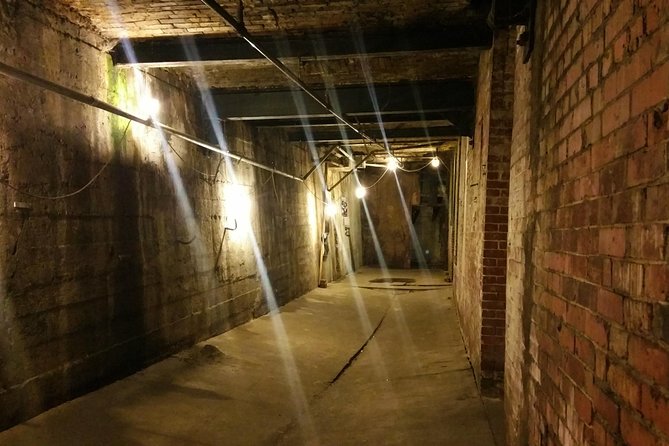
- Pioneer Square, above and below: you’ll see the neighborhood in two timelines.
- Three underground areas, not one connected maze: there’s above-ground walking between them.
- 1890s construction focus: the underground passages were built more than 120 years ago.
- Seattle’s big storylines: the Yukon/Gold Rush thread runs through the tour.
- Small groups: up to 20 travelers means easier questions and less crowd pressure.
- Stairs and walking time: about half a mile (around 0.8 km) at a leisurely pace, with stairs up and down.
Pioneer Square’s “lost” level is the whole point
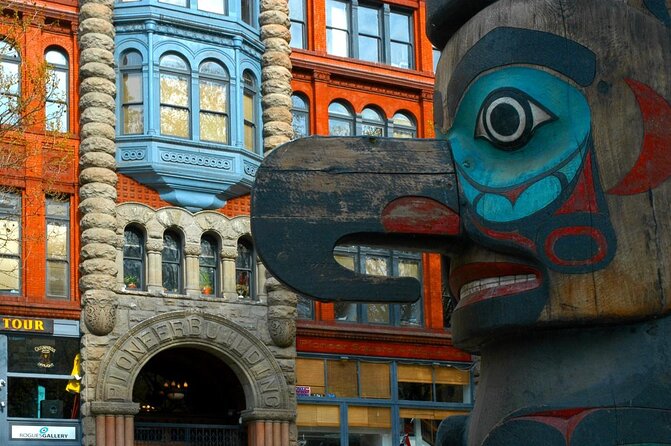
Pioneer Square is one of Seattle’s oldest neighborhoods, but it’s more than old brick and moody streets. This tour is built around the idea that Seattle didn’t just grow upward. It also reshaped itself underneath—over and over—until a whole layer of the city existed below street level.
What makes this experience click is how grounded it is in place. You’re not doing a generic history lecture. You’re moving through the same corners that shaped the city: the southwest corner of Seattle’s early Pioneer Square area, where underground pathways were developed long before today’s skyline.
The tour also frames Seattle’s origin beyond the postcard version. You’ll hear about the Coast Salish people who first settled here, and how the area changed as the city grew. Then the guide ties later events into the same geography—so it all feels connected, not like separate facts you’ll forget by dinner.
You can also read our reviews of more historical tours in Seattle

Price and value: $29.03 for an hour that stays focused
At about $29.03 per person for roughly one hour, you’re paying for two things: a guided narrative and access to the specific underground spaces. Walking tours can be cheap, sure—but this isn’t just a stroll around buildings. You’re paying to be led through historic passageways and to understand why the underground exists at all.
The value gets stronger if you’re the kind of traveler who likes context. The tour covers how Seattle went from a smaller Indigenous dwelling place into a booming city, and it does that by connecting multiple eras: late 1890s development, major growth events, and the neighborhood’s rough-and-resilient periods.
Also, this is offered with a mobile ticket and runs rain or shine. That matters in Seattle. If you’re trying to keep your schedule tight, a reliable one-hour slot in the city center can be easier than longer tours that get derailed by weather.
Where you start and end: an easy neighborhood loop
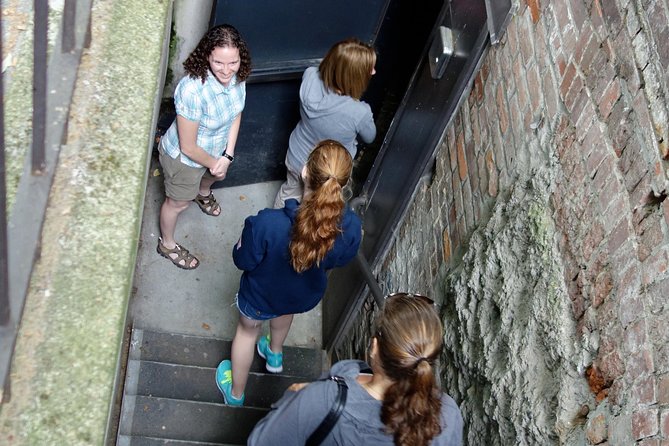
You begin at 102 Cherry St, Seattle, WA 98104 near Pioneer Street. You’ll finish at the Union Trust Building, 119 South Main St, Seattle, WA 98104, and the tour description also notes an end at Occidental Square—so expect to land back in the Pioneer Square area.
This matters because you’re not wandering across town. You’re using the neighborhood as your classroom. If you’re pairing this with other Pioneer Square stops—coffee, quick museum time, or grabbing lunch—you can build the day around it without lots of transit hassle.
One more practical note: the tour does involve walking. You’ll cover about four blocks (roughly 0.8 km) at a leisurely pace. For an hour-long activity, that pace usually leaves room for questions and for the guide to point out details you’d otherwise miss.
Stop 1: Beneath the Streets and the stories behind the layers
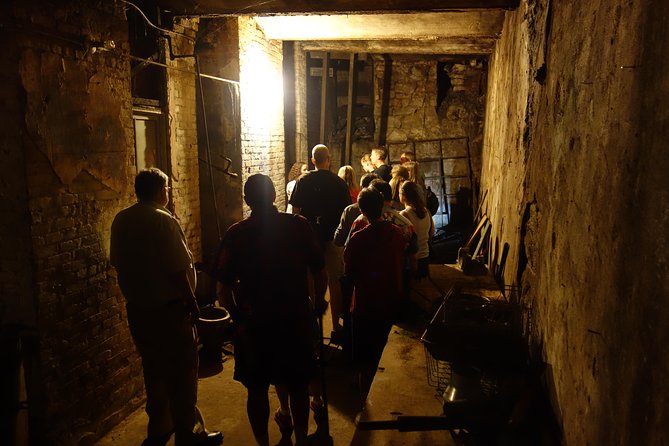
Stop 1 is where the tour sets its tone. Beneath the Streets focuses on the birth of the city and the 1890s architecture that shaped what came next. It’s also where you’ll hear the key story threads that the guide keeps referring back to as you move.
Here’s what you should expect to learn at this stage:
- How Seattle’s early growth changed the area’s structure and street levels.
- The role of the Klondike Gold Rush and Seattle’s connection to the gold rush era.
- The neighborhood’s rough period, including Skid Row as a main-street-like reality in Pioneer Square at one point.
- The presence and history of the Coast Salish people, with a focus on the ethnically and linguistically related Indigenous peoples connected to the region.
What I like about this setup is that it prevents the underground from feeling like a gimmick. Even if you’re just curious about hidden tunnels, the tour gives you enough background to understand why those passages matter. The guide’s job here is to build a mental map first, so the underground stops later feel meaningful.
There’s also a sign of professionalism in how the guides prepare. The tour states that guides participate in workshops on cultural traditions and history with special guest historians and Native Tribal members as continual professional development. You’ll feel that in the pacing—questions are handled in context, not as random trivia.
Stop 2: Pioneer Square’s four blocks and three underground passageways
Stop 2 is the practical payoff. This is where you cover four city blocks of historic Pioneer Square and explore three underground passageways originally constructed in the 1890s.
The big idea: you’re not only going underground. You’re also watching how the neighborhood looks from street level, then learning what used to be underneath it. That back-and-forth is the reason this tour works for both first-timers and repeat visitors.
A few details help you set expectations:
- The underground in Seattle isn’t presented as one linked underground city you can wander through forever. The tour needs you to move between separate spaces, which means some above-ground walking is part of the experience.
- You’ll hear and see history from both levels, so you’re constantly comparing then-and-now.
- The surfaces and routes are part of the experience: you’ll deal with old layouts, stairs, and uneven ground.
If your mental image of an underground tour is one long tunnel with minimal walking, adjust your expectations here. This is more like a guided sequence through a historic neighborhood with underground segments. That style may reduce the time you spend “totally underground,” but it increases your understanding of how the underground relates to the street.

The guides: humor, personality, and a non-scripted feel
The tour’s success hinges on the guide. From the experiences shared, the most common theme is energy. Guides bring humor and keep the stories moving instead of sounding like a script pulled from a facts sheet.
You might hear names like David Norman Lewis (credited for being funny and knowledgeable), Patti (enthusiasm and humor), and Imogen (vivacious storytelling with vivid picture-making). Others show up as well—Sarah and Daniel—with the common thread that the tour is paced for real conversation.
Here’s what you should take from that: if you like stories that connect events to a place, you’re in the right format. If you want only dates and bullet points, this tour may feel more like history-theater than a museum label.
A plus for mixed groups: the tone seems to work across ages. There are examples of the tour landing well with teenagers and even a young child, mostly because the guide keeps the story lively while still staying focused on the actual underground and the Pioneer Square setting.
Comfort tips so the hour feels easy, not annoying
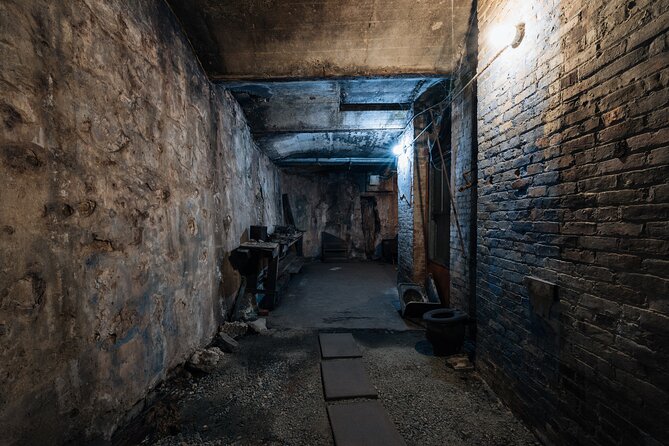
This tour is about an hour, but the “active” part of that hour includes stairs. The description is clear: there are three flights of stairs, up and down each flight, during the tour. So I’d treat this as a walking tour with vertical movement, not an easy stroll.
Add to that:
- Uneven surfaces and historic routes.
- A pace that’s described as leisurely, but still enough to keep you moving.
- Weather dependence in the real Seattle sense: the tour runs rain or shine, so you’ll want shoes that handle damp ground.
My practical advice:
- Wear comfortable, grippy shoes. Winter or wet days make a difference.
- Dress for rain or cold even if the forecast looks kind.
- If stairs are your issue, decide before you arrive. The tour doesn’t pretend those stair flights aren’t part of the experience.
One more note from a real-world perspective: if you’re worried about claustrophobia, this tour may still work for you, but don’t rely on internet impressions. The description confirms stairs and underground passageways, so judge based on your comfort level.
Who should book this underground Pioneer Square tour
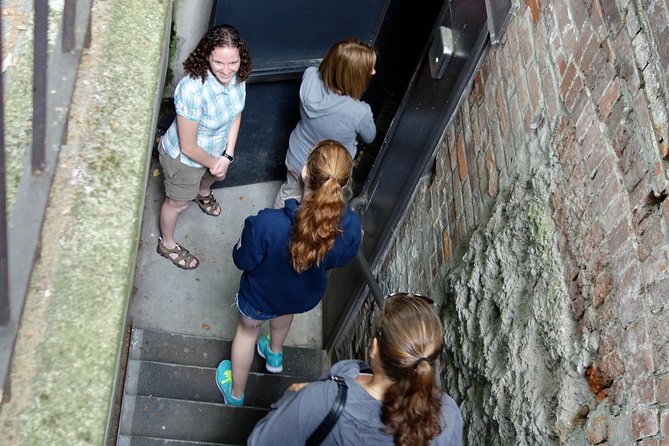
This is a good fit if you want Seattle in a way that feels human and specific. I’d especially recommend it if:
- You’re new to Seattle and want to understand why Pioneer Square is such a key starting point.
- You like history that ties to major events like the Klondike Gold Rush, not just local architecture.
- You want an activity that works for a range of ages in the same group.
- You like guided storytelling with personality and humor.
It’s also a solid choice for locals on a free afternoon. Pioneer Square is right there in your backyard, but the underground layer is easy to overlook. This tour gives you a reason to look twice at the same corners.
If you’re the type who needs every minute to be underground, you may feel torn. The underground spaces aren’t fully connected, so the tour includes above-ground walking between the underground areas.
Should you book Beneath the Streets Underground History Tour?
If you want an hour that turns Pioneer Square from scenery into story, I’d book it. The combination of 1890s underground passageways, above-and-below comparison, and Seattle’s biggest historical linkages like the Yukon/Gold Rush makes it feel like more than a novelty.
I’d especially recommend it if:
- You’re visiting Seattle and want something more original than the typical highlights loop.
- You value guides who use humor and clear storytelling rather than reading facts from a card.
- You’re okay with stairs and you’ll show up in comfortable walking shoes.
Skip it only if your main goal is maximum time underground with minimal walking and minimal stairs. This tour is about the relationship between old street levels and the underground, and that takes movement.
FAQ
Where is the tour’s meeting point?
The tour starts at 102 Cherry St, Seattle, WA 98104.
Where does the tour end?
It ends at the Union Trust Building, 119 South Main St, Seattle, WA 98104, and the tour description also indicates Occidental Square.
How long is the Underground History Tour?
The tour runs for about 1 hour.
Is the tour offered in English?
Yes, it’s offered in English.
Does the tour run in bad weather?
It operates rain or shine. If it’s canceled due to poor weather, you’ll be offered a different date or a full refund.
Is the tour mostly underground?
You’ll explore underground passageways, but you’ll also spend time above ground moving between separate underground spaces.
Are there stairs?
Yes. There are three flights of stairs up and down throughout the one-hour tour.
How big is the group?
The tour has a maximum of 20 travelers. It also requires 2 or more people to run.