REVIEW · VILNIUS
Vilnius: 3-Hour Jewish Heritage Tour
Book on GetYourGuide →Operated by Vilnius City Tour · Bookable on GetYourGuide
Vilnius tells its Jewish story in real places. I love the air-conditioned minibus ride that keeps you comfortable while the guide connects the dots, and I love the Vilnius Choral Synagogue stop that turns ideas into something you can see. One catch: food, drinks, and entrance tickets aren’t included, so you’ll want a little extra budget for practical extras.
This is a private group tour for up to 2 people, with hotel pickup in Vilnius and an English- or Russian-speaking live guide for the full 3 hours.
In This Review
- Key points to know before you go
- Why Vilnius Jewish Heritage Hits Hard (and Where You Go in 3 Hours)
- Hotel Pickup and the Air-Conditioned Minibus Game Plan
- Following Žemaitijos Street Through the Former Ghetto
- Vilnius Choral Synagogue: More Than a Pretty Stop
- The Jewish Cemetery Stop: Vilna Gaon and the Power of Names
- Litvaks, Education, and Vilna as the Jerusalem of Lithuania
- Holocaust Memory: The 94 Percent Loss and What Comes After
- Guide Style: English or Russian, Plus Real Answers
- Price and Value: When $294 Makes Sense
- Pacing, Comfort, and What to Bring
- Who Should Book This Tour (and Who Might Skip It)
- Should You Book This Jewish Heritage Tour in Vilnius?
- FAQ
- How long is the Vilnius Jewish Heritage Tour?
- Is this tour private?
- Where does pickup happen?
- What is included in the price?
- What isn’t included?
- What language is the guide?
- How much does the tour cost?
Key points to know before you go
- Former ghetto streets with real-world routing along Žemaitijos Street, so the story has an address
- Vilnius Choral Synagogue visit to see a major center of Jewish religious life
- Jewish Cemetery stop where the names and ideas behind Vilnius Jewish leadership come into focus
- Litvak culture explained plainly with the famed emphasis on education and straight talk
- Holocaust impact framed with numbers and aftermath, including today’s small community
Why Vilnius Jewish Heritage Hits Hard (and Where You Go in 3 Hours)
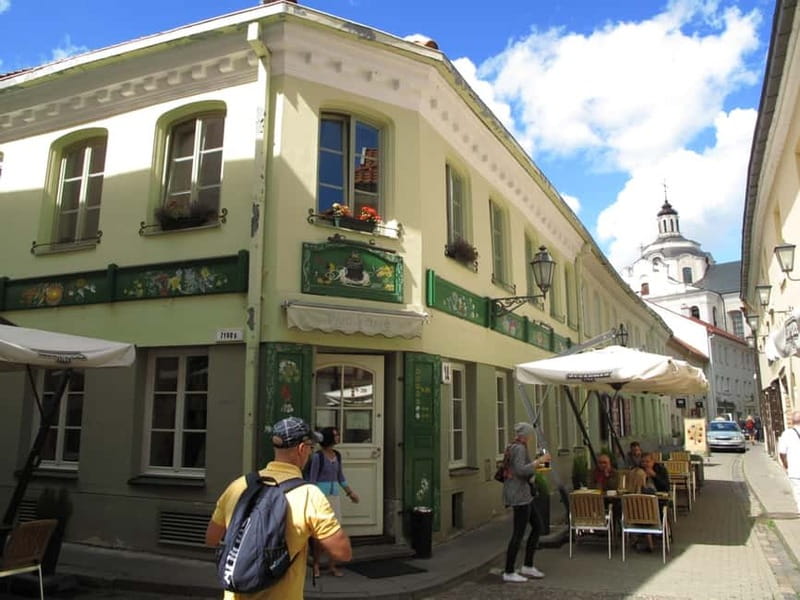
Vilnius is one of those cities where the past isn’t stuck in a museum. In just 3 hours, you get a route that moves from the daily geography of Jewish life to landmark religious sites, and then to a cemetery where memory is physically anchored.
What I like most is that you’re not just hearing dates. You’re being guided through locations—former ghetto streets, a major synagogue, and the cemetery—so you can picture what those words meant on the ground.
The tour also includes big-picture context on Vilna as a Jewish learning hub. You’ll hear how Litvaks (Lithuanian Jews) built a reputation for education and plain-spoken, no-nonsense thinking, and how Vilna was often called the Jerusalem of Lithuania.
Hotel Pickup and the Air-Conditioned Minibus Game Plan
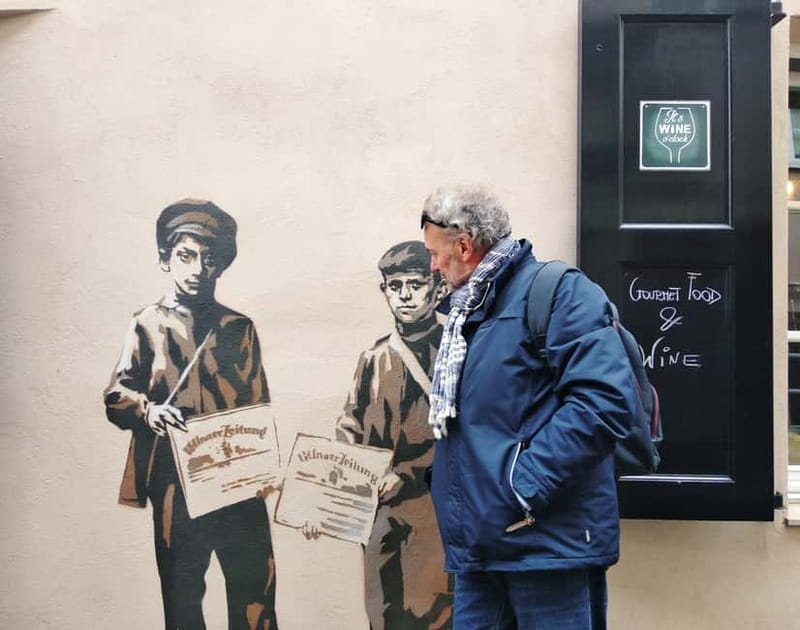
This tour is designed for comfort and momentum. You’ll travel around Vilnius by air-conditioned minibus, which matters when you’re stacking multiple historic stops into a short time window.
Hotel pickup is included, which is a real time-saver. After that, your guide uses the ride time to set the scene—so when you step out, you’re not starting from zero.
One practical consideration: private tours are flexible, but they still run on a route. If you’re the type who hates ambiguity about where you’ll end up, I’d confirm the drop-off plan at the start of the tour. In one past experience, a guide left people partway through the return route after not having clear drop-off instructions—then handled it with care by walking elderly guests back. It’s not something you should count on, so a quick clarification is smart.
Following Žemaitijos Street Through the Former Ghetto
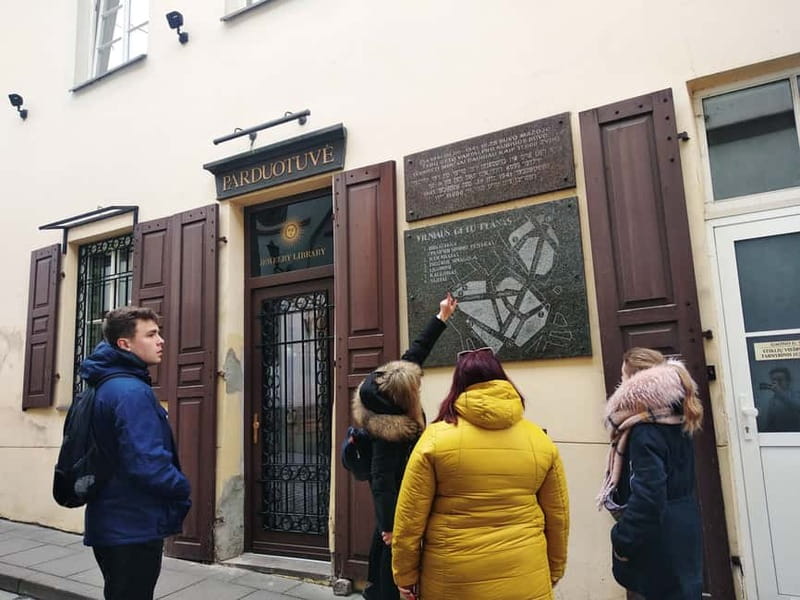
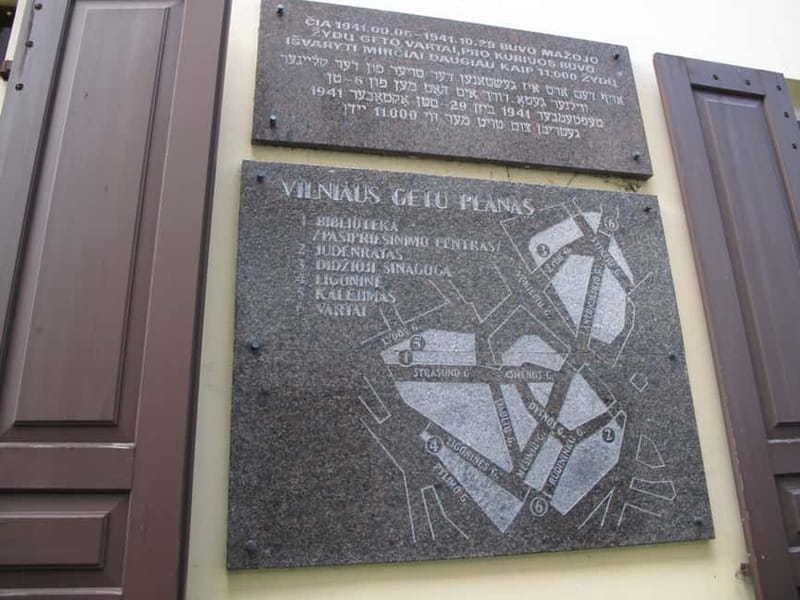
The tour’s center of gravity is the story of the Jewish community and what happened to it. A key part of that is the former Jewish Ghetto area, reached while traveling through the historic streets along Žemaitijos Street.
What makes this stop meaningful is the way location shapes the narrative. You’ll connect the idea of a ghetto—forced confinement, disrupted community life, and the way institutions reoriented around persecution—to an actual city street grid you can picture later.
This is also where you get the “start of the story” framing. The guide explains that the Jewish story here can be traced back to the 13th century, and you’ll learn why Vilnius became so important to Jewish culture. For many people, this is the first time the city feels like more than scenery—it starts to feel like a place with a timeline.
Vilnius Choral Synagogue: More Than a Pretty Stop
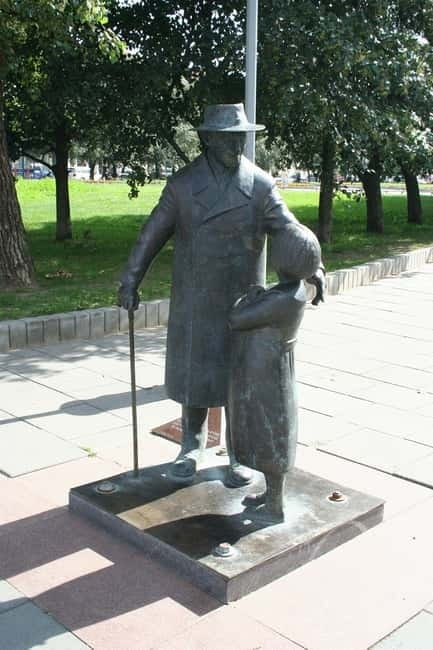
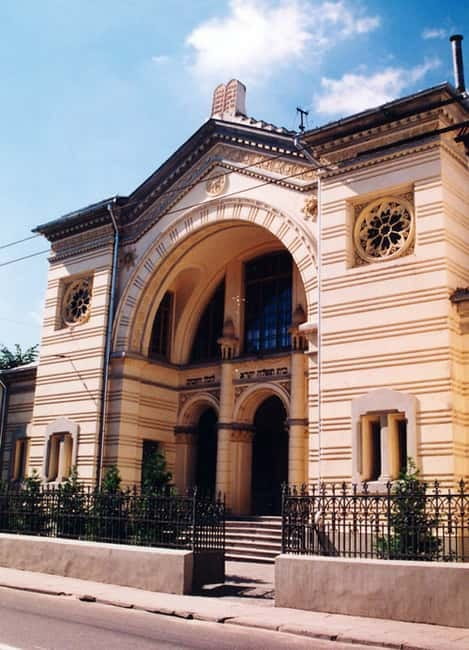
Next comes the Vilnius Choral Synagogue, one of the most important landmarks in the story of Lithuanian Judaism. This stop matters because it’s not just about the Holocaust or tragedy. It also shows how Jewish religious and communal life had structure, leadership, and architecture.
Choral synagogues were built for worship with a strong musical tradition, and that’s part of what you’ll likely appreciate when you see the space with a guide explaining its role. Even if you’re not religious, you’ll usually walk away with a stronger sense of how the community expressed faith, education, and identity.
A practical note: entrance tickets are not included. So if this synagogue is ticketed, you’ll want to plan for that cost ahead of time rather than being surprised on the day.
The Jewish Cemetery Stop: Vilna Gaon and the Power of Names
The tour ends with a visit to the Jewish Cemetery, where the story shifts from community institutions to memory in stone.
This is where Jewish history becomes personal fast. You’ll hear about major figures and Jewish heroes and leaders connected to Vilnius—especially the Vilna Gaon. The tour places him as a towering intellectual figure tied to Talmudic scholarship, and that framing helps you understand why Vilnius earned such a strong reputation for traditional learning.
What I find useful here is that the cemetery visit gives the tour emotional weight without turning it into vague sentiment. You can see how leadership, education, and community continuity were central themes long before World War II. Then, after hearing the Holocaust impact, the contrast lands harder—in a quiet, unavoidable way.
Litvaks, Education, and Vilna as the Jerusalem of Lithuania
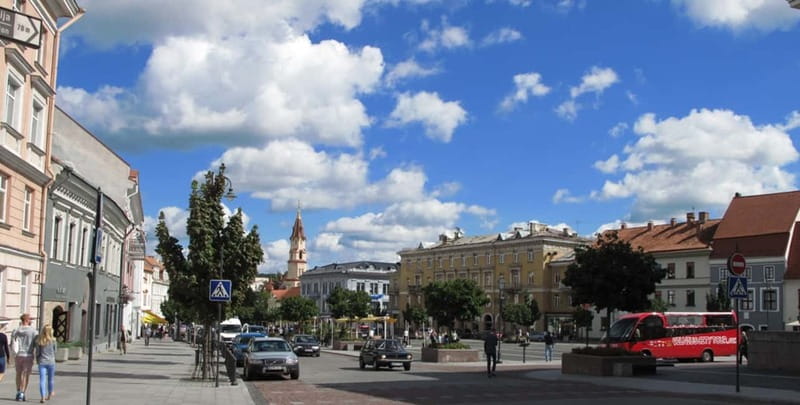
One of the most memorable parts of the tour is the cultural background, because it explains why Vilnius mattered so much to Jewish life.
You’ll learn that Litvaks were known (in folklore and shared reputation) for a love of education, straight talk, and a touch of sardonic wit. It’s a distinctive way of describing character traits, but it also points to a real historical pattern: Jewish study and argumentation weren’t side hobbies; they were a center of gravity.
The guide also connects that culture to a timeline. Jews settled in Vilna around the time of its founding in 1323. By the 18th century, Vilna had become widely recognized as a world capital of traditional religious learning, often referred to as the Jerusalem of Lithuania.
And yes, that matters for understanding why figures like the Vilna Gaon loom so large. This tour doesn’t treat him as a name on a wall. It ties him to the city’s intellectual reputation.
Holocaust Memory: The 94 Percent Loss and What Comes After
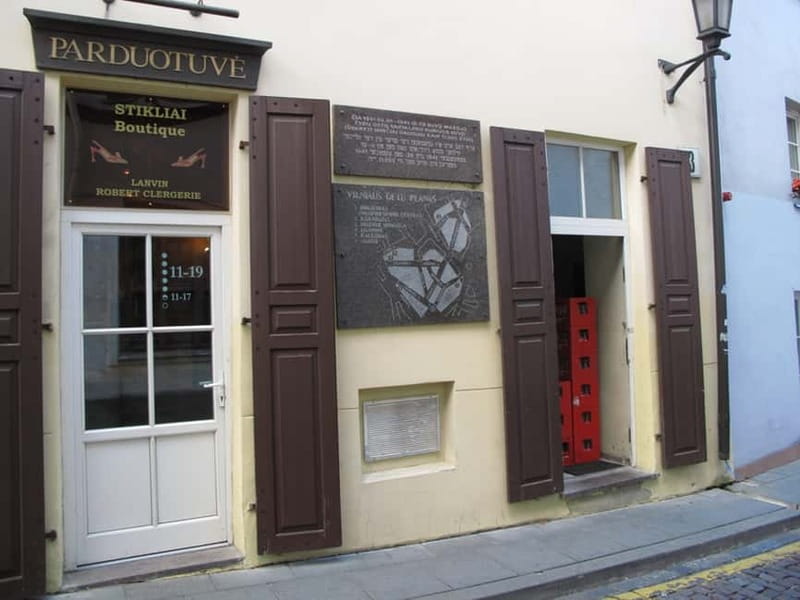
The Holocaust portion of the story is not handled with numbers only—it’s handled as a turning point that explains both the scale of loss and why preservation matters today.
You’ll hear that some 94 percent of Litvaks perished in the Holocaust, described as the highest percentage of genocide in Europe. That statistic is devastating, and it’s important not to rush through it.
Then the tour pivots to what exists now. Today, a small community of around 5,000 Litvaks makes bold efforts to maintain heritage. That detail is what keeps the tour from feeling like a history lesson that ends in a closed door. Instead, it shows continuity: culture isn’t just stored in archives; people still work to keep it alive.
If you’re the type who gets overwhelmed easily by heavy topics, I’d treat this tour like what it is: an emotional itinerary. Pace yourself, pause when you need to, and remember that the guide can answer questions along the way.
Guide Style: English or Russian, Plus Real Answers
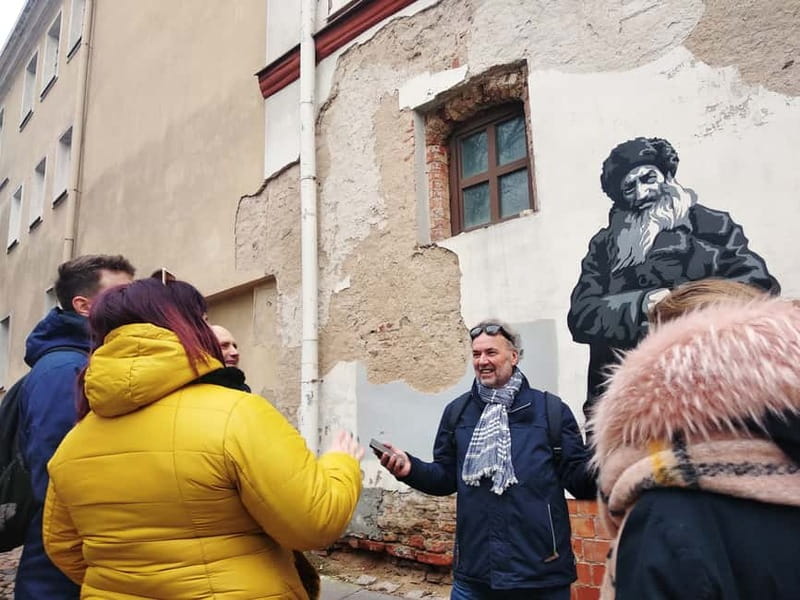
The tour is led by a live guide, available in English or Russian. For many people, the guide is the main reason the tour feels worth it—because the story is dense, and someone has to make it understandable.
In past experiences tied to this tour style, guides have shown impressive command of Jewish history in Vilnius and have been patient when guests ask questions. If your guide is Agnes, there’s specific praise for her handling of Vilna’s Jewish history.
Another small detail that stands out: some guides go beyond the strict route. One guest described a situation where the guide helped arrange a chance to try pink soup—local food that can be hard to find. That doesn’t mean food is included in the tour (it isn’t), but it does reflect a mindset of helping you connect with the place, not just the calendar.
Also, don’t be surprised if your guide occasionally links the Jewish story to other historical threads in Lithuania. That kind of context can make the timeline feel less fragmented.
Price and Value: When $294 Makes Sense
The price is $294 per group up to 2 for a 3-hour private tour. That sounds steep until you price out what’s actually included: hotel pickup in Vilnius, an air-conditioned minibus, and a live guide for the full duration.
For two people, the value can make sense because you’re paying for privacy plus guided interpretation at multiple locations without having to coordinate transport yourself. If you’re traveling solo, the cost per person effectively rises—but you still get the same guided access and comfort.
Two things are not included: food/drinks and entrance tickets. So the true “out the door” number depends on ticketing at stops like the synagogue and cemetery. If you budget for those separately, the tour feels more predictable and less stressful.
Pacing, Comfort, and What to Bring
A 3-hour tour is not long, but it’s packed by design. The minibus helps you cover ground, and the guide uses travel time to explain the background so you can enjoy the stops instead of just hunting for information.
To keep it comfortable:
- Wear comfortable shoes. Even on short city routes, you’ll be standing and moving between sites.
- Bring a light layer. Churches and major interiors can feel cooler, and weather in Vilnius can swing.
- Bring water and plan for a snack somewhere afterward, since food and drinks aren’t included.
If you have mobility concerns, it’s worth asking ahead about how much time you’ll spend on foot at the synagogue and cemetery areas. The tour is short, but historic sites vary in how easy they are to navigate.
Who Should Book This Tour (and Who Might Skip It)
This tour is a great fit if you:
- want a guided, location-based Jewish heritage experience in Vilnius rather than self-guided reading
- like learning cultural context—Litvaks, education, leadership—not just dates
- prefer a short private itinerary with hotel pickup
You might consider skipping or choosing something else if you:
- want food included (it isn’t)
- need ticket costs fully bundled into the price (they aren’t)
- dislike emotionally heavy Holocaust storytelling and prefer gentler itineraries
Should You Book This Jewish Heritage Tour in Vilnius?
Yes—if you’re comfortable with a serious subject and you want a focused route in a limited amount of time. The biggest strength here is the combination of ghetto-area context, a key landmark like the Vilnius Choral Synagogue, and a cemetery visit that connects leadership and memory through real places.
Before you go, do two things to make it smoother: budget separately for tickets and snacks, and confirm how pickup and drop-off will work for your specific situation. With those small prep steps, this is one of the more meaningful ways to understand Vilnius’s Jewish story without turning it into a checklist.
FAQ
How long is the Vilnius Jewish Heritage Tour?
The tour lasts 3 hours.
Is this tour private?
Yes. It’s listed as a private group.
Where does pickup happen?
Pickup is included from your hotel in Vilnius. You provide your hotel details when booking.
What is included in the price?
Transportation by air-conditioned minibus and a live guide are included.
What isn’t included?
Food and drinks and entrance tickets are not included.
What language is the guide?
The live tour guide is available in English and Russian.
How much does the tour cost?
It’s priced at $294 per group up to 2 for the 3-hour experience.