REVIEW · HOI AN
Hoi An: Ancient Town Guided Walking Tour
Book on GetYourGuide →Operated by Freetour Vietnam · Bookable on GetYourGuide
Three hours in Hoi An gets you oriented fast. What makes this tour work is the way the team connects places to real everyday life, not just dates. I love the local stories shared along the route, and I also really appreciate the PDF with food and activity recommendations plus discounts that help you keep exploring after the walk. Guides like Karla and Kun set a relaxed tone, with humor that keeps the group engaged.
Hoi An can feel hot and bright, and the tour is still a walking experience even with shaded stops and indoor breaks. That’s the only real drawback I’d plan around: you’ll want light clothes and a good hydration strategy, because the Old Town never fully goes indoors.
In This Review
- Key highlights you’ll feel right away
- Why a Hoi An Old Town walk is the smartest first day move
- Price and tickets: what $2.01 really means for your budget
- Meeting point reality: finding the guide with the blue paper fan
- The route, stop by stop: Japan to Fujian to the market
- 1) Starting at the Red Seal Ship Model
- 2) Hoi An Ancient Town (guided walk through the core)
- 3) Nhà trưng bày Văn hóa Nhật Bản (Japanese Culture Gallery)
- 4) Japanese Covered Bridge
- 5) Công viên Kazik
- 6) Quan Thang Ancient House
- 7) Fujian Assembly Hall
- 8) Dumplings stop
- 9) Finish at Hoi An Market
- The PDF: how it actually changes your trip
- Heat, pacing, and what to wear so it stays fun
- Who should book this tour (and who should skip it)
- FAQ
- How long is the Hoi An Ancient Town guided walking tour?
- What locations does the tour include?
- Is the UNESCO ticket included?
- What’s included in the tour price?
- What language is the tour in?
- Do I need to skip the ticket line?
- Where do I meet the guide?
- How do I recognize my guide?
- Is the tour wheelchair accessible?
- Should you book this Hoi An Ancient Town tour?
Key highlights you’ll feel right away

- Guides who make history personal, with stories about Hoi An’s past and the way people live now
- PDF handout with local picks and discounts, so you can plan meals and activities right after
- A tight route through the major icons, plus side lanes that most people skip
- Cool-down stops, including indoor breaks when the heat ramps up
- Japanese and Fujian-era landmarks in one walk, so you see the cultural blend quickly
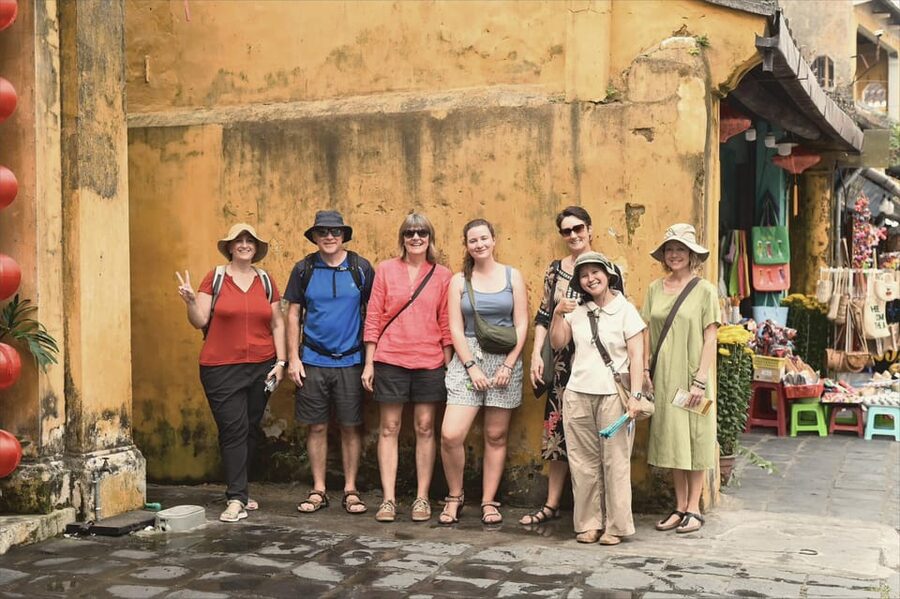
- A friendly, organized group vibe, often around a dozen people, sometimes split to avoid crowding
Why a Hoi An Old Town walk is the smartest first day move

Hoi An is a place where you can wander for hours and still feel like you’re missing the story. This tour helps you build the map in your head quickly: what you’re looking at, why it matters, and how it connects to the city’s role as a trading hub that grew in the 16th century.
What I liked most is the Heart-Head-Hand style approach the team uses. You’re not just hearing facts. You’re walking, looking, and talking. You get the “why” behind the sights, then you leave with practical direction for where to eat, what to do next, and where to spend your time.
And because the guides are English-fluent and often funny, the experience doesn’t feel stiff. People like June and Minh are the type who remember names and keep explanations flowing, so questions don’t feel awkward.
You can also read our reviews of more walking tours in Hoi An



Price and tickets: what $2.01 really means for your budget
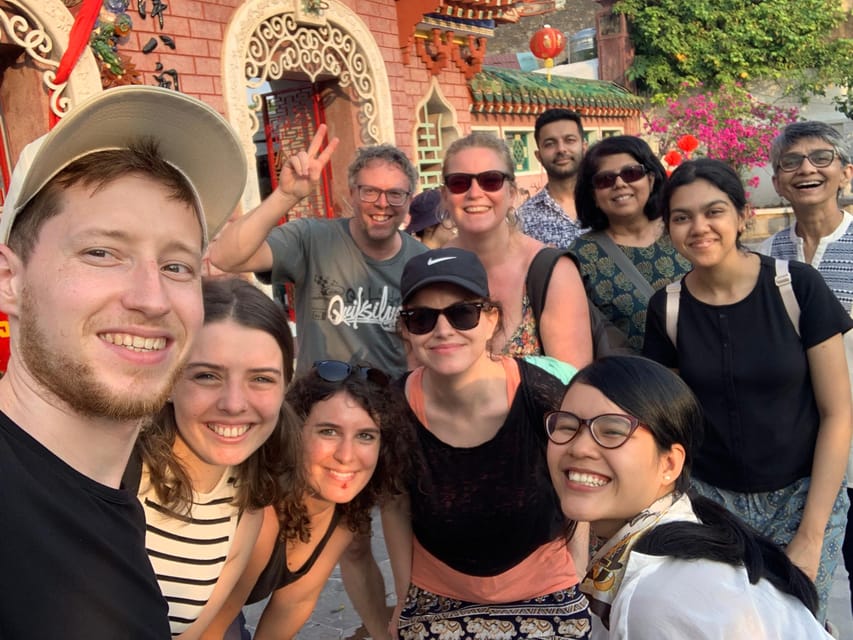
The listed price is extremely low for a guided, 3-hour walk in a UNESCO World Heritage area. In practice, your biggest extra cost is the UNESCO entrance ticket, which is noted as not included and priced at 120.000 VND per ticket.
So here’s how I’d look at value:
- You’re paying for a guided route that hits major stops efficiently (not random wandering).
- You also get a PDF that can save money later via discounts for things like spas, tailors, and craft beer.
- Your main “add-on” risk is the UNESCO ticket, if the day’s route includes that entry.
Also note the tour is set up with a small booking fee and an option to add extra at the end if you want to show appreciation. If you care about fair pay for guides, this is a nice moment to reflect on how much value you actually got.
Meeting point reality: finding the guide with the blue paper fan
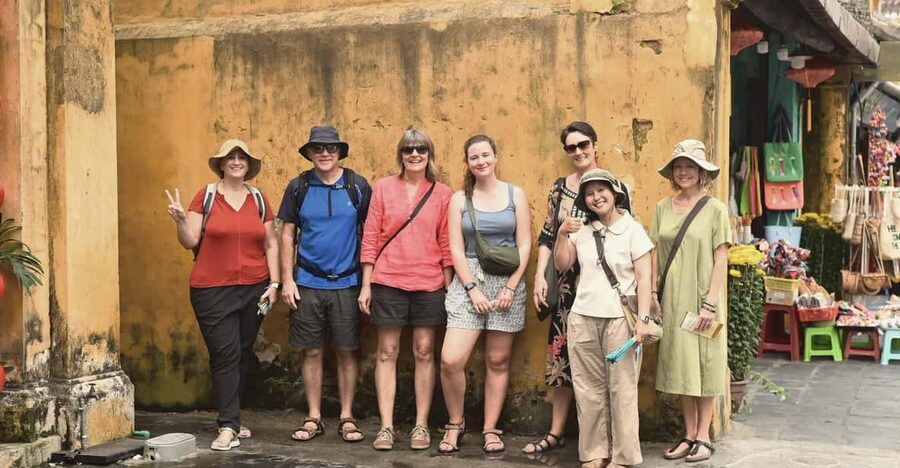
Logistics are simple, but they matter on Day 1. You meet at 79 Nguyen Thi Minh Khai Street, at the Red Seal Ship Model. When you arrive, look for the guide with a blue paper fan from the Momo team.
This detail is worth saving to your notes, because it helps you avoid the awkward 10-minute search. The tour also ends back at the central area near where you started, so you’re not left stranded on the far side of town.
One more helpful detail: the tour is wheelchair accessible. That said, it’s still Old Town walking, so bring the right mindset. Good shoes help most people, even when you can move comfortably.
The route, stop by stop: Japan to Fujian to the market

This is a walking loop through Hoi An’s Old Town, paced for heat with occasional indoor moments. Expect guided time at each stop—usually 10 to 20 minutes—so you get context without long museum-style waits.
1) Starting at the Red Seal Ship Model
You kick off at the Red Seal Ship Model. This is a good “opening scene” because it sets the mood for Hoi An as a trading port. Instead of starting cold, you begin with a reference point for the stories your guide will connect to later.
Practical tip: arrive a few minutes early, especially if you’re still figuring out the street layout. Old Town streets can feel similar quickly.






2) Hoi An Ancient Town (guided walk through the core)
Next you get a guided pass through Hoi An Ancient Town. The point here isn’t to see everything in one go. It’s to get your orientation: where people walk, how the architecture shapes sight lines, and what to pay attention to as you continue.
If you’re the type who takes photos constantly, this stage helps you learn what to shoot and what to understand before you go back later on your own.
3) Nhà trưng bày Văn hóa Nhật Bản (Japanese Culture Gallery)
Then you head into the Japanese Culture Gallery. This stop is where the tour starts making the cultural layer visible. You’ll get guided explanation for the Japanese influence that shows up in the Old Town’s landmarks.
Time is short—about 15 minutes—so think of it as a “set the frame” stop. You’re not trapped in a long visit. You move on while the context is fresh.
4) Japanese Covered Bridge
After that comes one of the signature sights: the Japanese Covered Bridge. Your guide spends about 20 minutes here, which is enough time to understand what you’re looking at and how it fits into the broader story of Hoi An’s international connections.
If you’ve seen photos before, you’ll recognize it instantly. If you haven’t, treat this as your anchor landmark for the rest of the walk.
Practical tip: this is a popular photo spot. If you’re not a fan of crowding, be ready to step aside during the group photo moment and let your guide finish the key explanation.
5) Công viên Kazik
Then you move to Kazik Park for roughly 15 minutes. This is one of the places that helps the pace feel human. A park stop breaks up the dense Old Town streets, and it’s also where your guide can steer the conversation without the pressure of standing in the same tight area the whole time.
This is also the type of stop where heat management matters. Even if it’s outside, you get a breather.
6) Quan Thang Ancient House
Next is Quan Thang Ancient House, guided for about 15 minutes. This stop shifts the focus to everyday life in the old trading town—how families and communities shaped the city’s built environment.
What I liked here is that the guide doesn’t treat it like a checklist. The explanation links the house to the larger picture, so it doesn’t feel like a random building you walk past later.
7) Fujian Assembly Hall
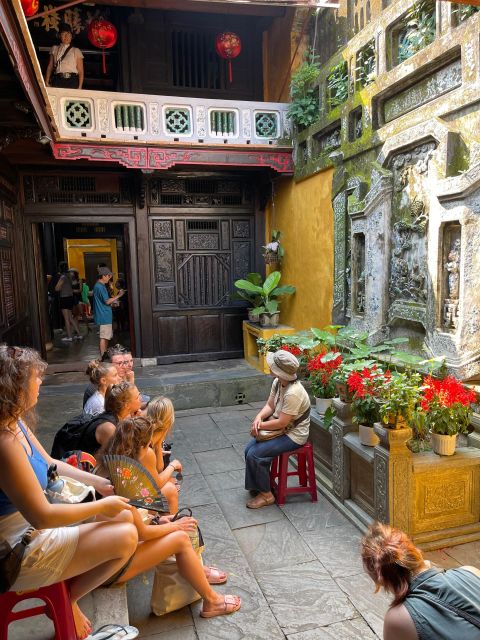
Then comes the Fujian Assembly Hall, with about 20 minutes of guided time. This is where Hoi An’s cultural mix becomes more concrete. You’re seeing another community footprint, not just Japanese landmarks.
If you enjoy architecture with a story behind it, this stop tends to land well. It’s also a useful contrast to the earlier sights, so you start to notice how different influences left different marks.
8) Dumplings stop
A favorite part for many people is the dumplings stop, guided for about 15 minutes. This is a short food break that feels like a reward without turning the tour into a long meal.
If you’re sensitive to spicy food or strong flavors, this is where you can ask questions. Your guide can help you navigate what’s on offer and how to order confidently later at your own pace.
9) Finish at Hoi An Market
Finally, you end at Hoi An Market. This gives you a practical send-off. After the walking lessons, the market helps you see how food, shopping, and daily life connect to the story you just heard.
It’s a strong closing point because you can keep your momentum. If you want, you can head straight into browsing and snacks right after the tour.
The PDF: how it actually changes your trip
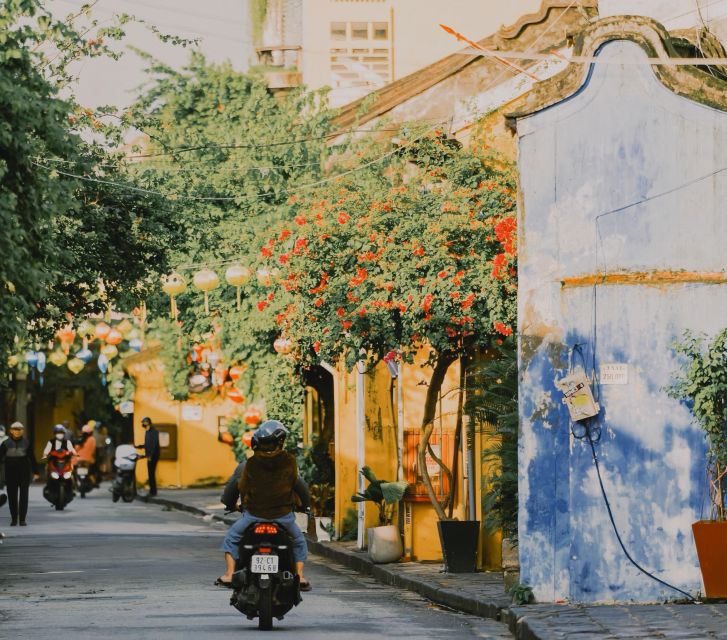
The tour includes a PDF of local recommendations for food, drink, activities, plus discount perks for places like spas, tailors, and craft beer. That sounds like marketing until you use it.
Here’s what tends to matter on the ground:
- You get help choosing where to eat without spending half a day comparing menus.
- You can plan a next-day route with less guesswork.
- Discounts can offset some of the costs you expected to pay the hard way.
In the same spirit, some guides share extra links and tailored suggestions after the tour. That’s the kind of follow-up that helps you turn the walk into a real itinerary.
Heat, pacing, and what to wear so it stays fun
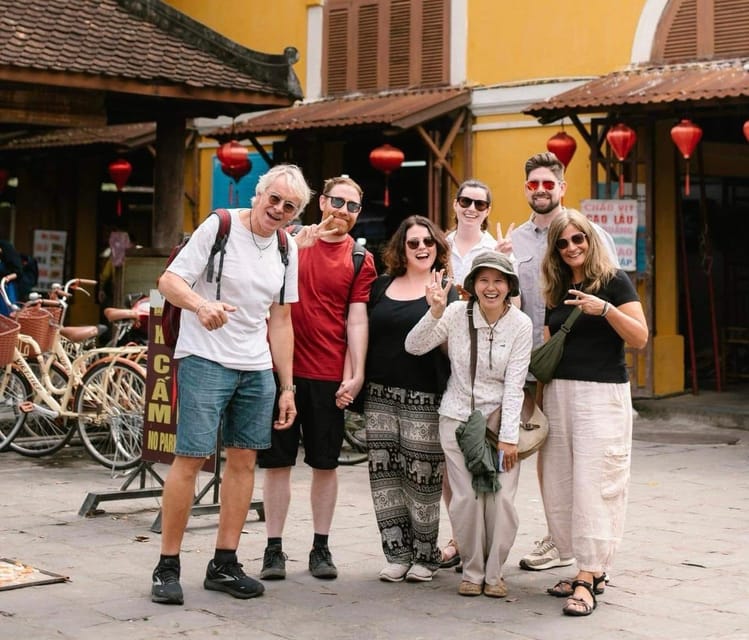
The tour is built for real weather. The description calls out that indoor breaks are often taken to deal with the heat, which is smart in central Vietnam.
Still, you’re out in the Old Town enough that you should plan like this:
- light, breathable clothing
- a hat or something for sun
- water you can actually drink
- shoes you can walk in for a few hours
Also, it’s not a slow stroll. It covers major sightseeing plus side lanes, so the pace stays steady. One review even mentioned group sizes around a dozen and splitting larger groups to avoid crowding. That’s the right kind of organization for a tour that tries to cover a lot.
Who should book this tour (and who should skip it)
This walk is a great match if:
- it’s your first day in Hoi An and you want a fast sense of direction
- you like cultural context, not just photos
- you want a guide who answers questions and keeps the mood light
- you want a route that sets you up for easy self-guided exploring afterward
I’d think twice if:
- you hate walking in heat and dislike any pace that feels structured
- you prefer long, quiet visits in one place rather than short stops across multiple sights
FAQ
How long is the Hoi An Ancient Town guided walking tour?
The tour is listed as 3 hours.
What locations does the tour include?
You visit stops such as Hoi An Ancient Town, the Japanese Culture Gallery, the Japanese Covered Bridge, Kazik Park, Quan Thang Ancient House, Fujian Assembly Hall, a dumplings stop, and you finish at Hoi An Market. You start at 79 Nguyen Thi Minh Khai Street at the Red Seal Ship Model.
Is the UNESCO ticket included?
No. The UNESCO entrance ticket is not included and is listed as 120.000 VND per ticket.
What’s included in the tour price?
Included features are an English-speaking guide, the walking tour, and a PDF of local recommendations with discounts.
What language is the tour in?
The tour is in English.
Do I need to skip the ticket line?
The tour notes a skip-the-ticket-line option.
Where do I meet the guide?
Meet at 79 Nguyen Thi Minh Khai Street at the Red Seal Ship Model.
How do I recognize my guide?
Look for your guide from the Momo team holding a blue paper fan.
Is the tour wheelchair accessible?
Yes, it’s listed as wheelchair accessible.
Should you book this Hoi An Ancient Town tour?
If you want a smart first-day start, I’d book it. For the small price, you get real guidance through key sights, plus a PDF that helps you keep eating and exploring without getting stuck in decision fatigue.
The only caution I’d give is heat and pace. If you handle walking well and you show up with water and light clothes, this tour is an efficient way to understand Hoi An fast and enjoy the rest of your trip more.