REVIEW · SOFIA
Bulgarian Food tasting, cullinary-historical tour, Cooking class
Book on Viator →Bookable on Viator
Sofia tastes better when you cook it yourself. This 6-hour private class led by Mariela blends a Woman’s Market ingredient walk with hands-on training in typical Bulgarian dishes, so you’re not just watching—you’re learning how the food works. Two highlights for me were the shopping-and-traditions stop that helps you spot Bulgarian staples, and the practical cooking coaching that turns onion chopping and everyday prep into something you can repeat at home. One thing to consider: portions can run large, and the full market-to-dinner day may take longer than you expect if your schedule stretches.
You also get the city context built in with visits around Sofia Center, including Saint Nikolas Russian Church. You’ll finish by sitting down to a meal connected to what you cooked (lunch or dinner style), in an English-language experience that’s designed around your skill level and preferences.
In This Review
- Key highlights to look for before you book
- Sofia’s Woman’s Market: where the food story starts
- Saint Nikolas Russian Church: the city stops you’ll remember
- Sofia Center walking: connecting everyday city life to Balkan cooking
- Cooking class core: learning 3 Bulgarian dishes your way
- Common dish styles you might cook
- The small techniques that make you better fast
- From pastry to pot: what your dishes actually feel like
- The tasting meal: lunch or dinner that rewards your work
- Price and time: is $138.18 good value for this day?
- Who should choose this Sofia cooking class?
- Should you book this Bulgarian food tasting and cooking class?
- FAQ
- FAQ
- What dishes will I learn to cook?
- Does the experience include grocery shopping?
- Where does the tour start?
- Is pickup available?
- How long is the cooking class?
- Is this tour private?
- What language is the class offered in?
- What is included in the price?
- What is not included?
- Is the kitchen elevator accessible?
- Is there anything in the kitchen that could affect allergies?
Key highlights to look for before you book
- Menu tailored to your cooking skills and your tastes so you’re not stuck making something you’re uncomfortable with
- Woman’s Market stop with product explanations, and sometimes real grocery shopping when weather and the day cooperate
- Practical technique focus (you’ll work on real prep steps, not just big-picture talk)
- A full food payoff right after cooking with tasting/lunch or dinner based on the session
- Private group experience in English, with only your party participating
- Kitchen logistics matter: you cook on the second floor and there’s a cat in the kitchen, so plan if you have allergies
Sofia’s Woman’s Market: where the food story starts
This experience makes a smart choice: it doesn’t start in a kitchen. You start in Sofia with a visit to Zhenski Pazar, the Woman’s Market, where you get a feel for Bulgarian ingredients and food traditions in a way that’s hard to copy from a menu page.
If the weather is fine and it’s a working day, you may do grocery shopping together. That’s valuable because you learn how Bulgarians think about everyday cooking—what ingredients matter, how they’re commonly used, and what shows up often in homes. It also helps you later, when you’re standing over dough or simmering meat in a pot, because you’ve already seen the items and heard the basic logic behind them.
Practical note: if you’re the kind of person who gets distracted by sights, take a breath and keep your attention on ingredients. This stop is short on time, so the best payoff comes from asking questions while you’re looking at what you’ll actually cook.
You can also read our reviews of more tours and experiences in Sofia.

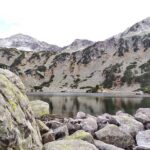
Saint Nikolas Russian Church: the city stops you’ll remember
After the market, you’ll move through Sofia with a visit connected to Saint Nikolas Russian Church. Even if you’re not a cathedral-only person, this stop gives you grounding. It’s one of those moments that helps the day feel like more than just food—Sofia’s communities and architecture show up alongside the flavors.
What I like about this part of the day is the pacing. You’re not stuck in a long lecture. Instead, you’re walking, absorbing context, and then moving toward the hands-on work.
If you care about atmosphere, this is also a good time to slow down. The food lesson will demand your focus later. Use this stop to reset.
Sofia Center walking: connecting everyday city life to Balkan cooking
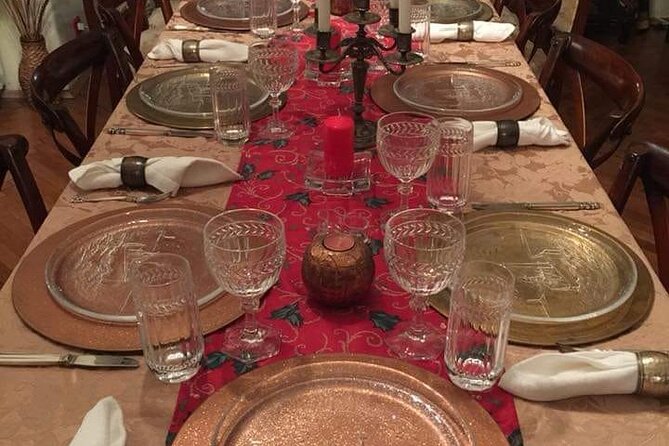
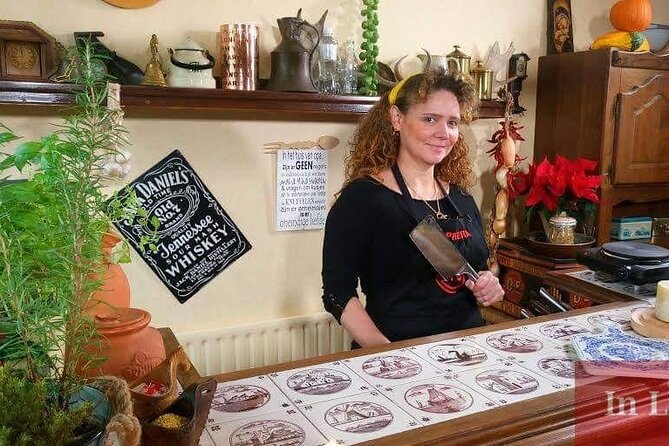
Your route continues through Sofia Center, which is where the “culinary-historical” label starts to make sense. Bulgarian food is deeply practical—pastries, stuffed vegetables, baked pots, and desserts that rely on simple ingredients working hard.
On the walk, you’re basically doing a mental warm-up. The goal is to understand the Balkan culinary approach, not just memorize dishes. That’s why the city stops matter: they give you context for how people eat, what ingredients show up, and why certain cooking styles persist.
One drawback to note: if you’re short on walking energy, build in a little buffer. The day is paced like a real experience day, not a quick “drop in and out” activity.
Cooking class core: learning 3 Bulgarian dishes your way
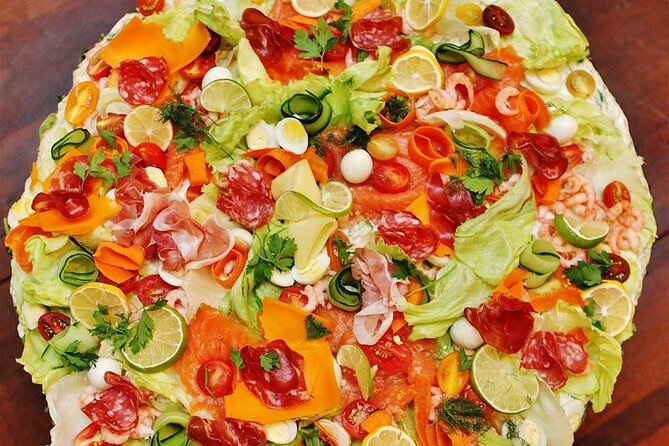
The heart of the experience is learning to cook three typical Bulgarian dishes. The exact menu depends on your choices, your cooking skills, and your preferences—so you’re not forced into one option.
This structure is a big deal. Cooking classes can fail when the dish doesn’t match your skill level or your tastes. Here, the instructor creates the menu around you. That means beginners aren’t thrown into advanced steps without support, and more confident cooks can focus on technique and flavor control.
Common dish styles you might cook
You might make things like bread or cheese pastry, hot pot styles, dolmas (stuffed cabbage), or other traditional picks. The sample menu gives you a good sense of the range, including classics like:
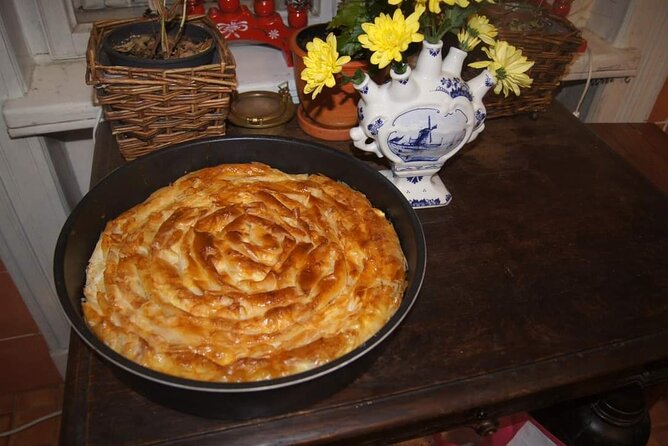
- Burek (cheese burek pastry)
- Dolmas (cabbage with meat)
- Gyuvetche (hotpot with meat or vegetables)
- Tikvenik (pumpkin pastry)
- Meshana skara (grilled meat)
- Kavarma (chicken or pork baked in a pot and covered with omelette)
- Mekitzi (the cousin of Hungarian langos, often eaten for breakfast or dessert with honey or feta cheese)
Even if you don’t cook every single one, the menu list shows you the personality of Bulgarian cooking: pastries, baked comfort, and hearty flavors that feel like home food rather than restaurant theatrics.
The small techniques that make you better fast
What impressed me most is how the day is built around repeatable technique. One review highlight that’s especially useful: the instruction includes a clean onion-slicing technique, plus a focus on getting roasted vegetables right.
That’s the kind of skill that matters outside the class. Anyone can follow a recipe once. But when you learn a technique—how to slice evenly, how to manage roasting time, how to approach stuffed components—you start cooking with understanding.
Also, the instructor isn’t only there to supervise. She explains, adjusts, and coaches. In one case, a solo diner noted dishes that were a bit larger than a single serving—so the lesson is hands-on, and you may end up with more food than you expected on your plate. It’s a good problem, but it’s still something to plan for.
From pastry to pot: what your dishes actually feel like
When you cook Bulgarian food this way, you notice that it’s not just about ingredients. It’s about format.
Burek-style pastry teaches dough handling and filling balance. You learn how the pastry behaves and how to aim for a result that’s cooked through without going dry.
Dolmas focus on stuffing and pacing. Stuffed cabbage is detail work. You’re paying attention to portioning and the way heat and time do the rest.
Gyuvetche and kavarma shift you into pot cooking. These are comfort dishes built around slow, even heat and strong flavor foundations. If you’ve ever wondered how Balkan cooking creates that “deep” taste without complicated steps, pot-style meals are a big clue.
For dessert, tikvenik brings pumpkin pastry energy—sweet, spiced, and built for cold-weather comfort. And mekitzi are fun because they connect breakfast and dessert. You can end up with something that feels playful but still deeply traditional.
If you’re curious, ask what you’re making should be like in the final bite: texture and doneness cues matter. That’s where technique turns into confidence.
The tasting meal: lunch or dinner that rewards your work
After the class finishes, you eat. The experience is designed so the food tasting ties directly to what you cooked, with lunch or dinner as the meal format.
The package notes lunch, brunch, and dinner, which tells you you’re not just getting a small sample. Plan for a full day of eating. If you’re trying to keep other meals flexible, I’d treat this as your main food event in Sofia.
What to watch for:
- Alcohol isn’t included, and neither are soda/pop or bottled water. If you like drinks, factor that into your budget.
- Portions can feel generous, especially if your group is small or you’re solo.
My practical advice: come hungry, then pace yourself. You’ll be doing active work and you’ll also want to enjoy the tasting instead of speed-eating.
Price and time: is $138.18 good value for this day?
At $138.18 per person, you’re paying for more than a recipe card. You’re getting a private, English-language cooking experience with:
- Kitchen equipment included
- Food provided (lunch/brunch/dinner components)
- A structured market-and-city component when conditions allow
- A menu built around your skills and preferences
That’s the value part: you’re not just learning to cook one dish. You’re getting guidance across multiple parts of the day—ingredients, cooking technique, and then tasting what you made.
Time is the one variable. The experience is listed as about 6 hours, starting around 9:00 am. In practice, the day can stretch longer when the schedule is later in the day. If you have dinner plans the same evening, give yourself breathing room.
Who should choose this Sofia cooking class?
This works best if you want real food skills and you like food tied to place.
I’d especially recommend it if:
- you enjoy hands-on classes more than museum-style tours
- you want Bulgarian dishes with technique, not just tasting
- you like learning through walking stops and ingredient context
- you’re traveling as a couple or a small group and want a private feel
It might be less ideal if you:
- can’t do stairs (the kitchen is on the second floor with no elevator)
- have allergies and need to plan around the cat in the kitchen (let the host know in advance)
- prefer super-short activities rather than a full day of cooking and eating
Should you book this Bulgarian food tasting and cooking class?
If you want a Sofia experience that feels practical and genuinely memorable, I think it’s a strong yes. The mix of Woman’s Market context, a city stop at Saint Nikolas Russian Church, and then a tailored cooking session with Mariela makes the day feel connected, not random. And the payoff is real: you eat after you cook, with lunch or dinner style tasting tied to the dishes you worked on.
Book it if you’re hungry to learn technique and you’re comfortable with a longer food-centered day. Skip it if stairs or the kitchen-cat situation would make it stressful.
FAQ
FAQ
What dishes will I learn to cook?
You’ll learn to cook 3 typical Bulgarian dishes, such as bread, cheese pastry, hot pot, dolmas, or other options. The exact menu is created based on your cooking skills and your preferences.
Does the experience include grocery shopping?
Sometimes, yes. If the weather is fine and it’s a working day, you’ll do grocery shopping together at Zhenski Pazar (Woman’s Market) and learn about Bulgarian products and traditions.
Where does the tour start?
The start point is the Church of St. Nicholas the Wonderworker in Sofia Center, bul. Tsar Osvoboditel 3, 1000 Sofia, Bulgaria.
Is pickup available?
Pickup is possible. You can also meet directly at the subway metro station Luvov Most.
How long is the cooking class?
The duration is approximately 6 hours.
Is this tour private?
Yes. It’s a private tour/activity, and only your group participates.
What language is the class offered in?
The tour is offered in English.
What is included in the price?
Included: lunch, brunch, dinner, and kitchen equipment.
What is not included?
Not included: alcoholic beverages, soda/pop, and bottled water.
Is the kitchen elevator accessible?
No. The kitchen is on the second floor and there is no elevator.
Is there anything in the kitchen that could affect allergies?
Yes. There is a cat in the kitchen. If you have allergies or don’t like animals, you should inform the host in advance.