REVIEW · LISBON
Private Evora Heritage and Alentejo Wine Tour from Lisbon
Book on Viator →Operated by YesExperiences Portugal · Bookable on Viator
Bones, wine, and cork in one long day. This private Lisbon-to-Alentejo day mixes Évora’s UNESCO core with serious Portuguese wine stops and oddball culture like the Chapel of Bones.
I especially like the door-to-door pickup and the air-conditioned comfort for a 9–11 hour route. And I also love how the day rotates between wine craft and tactile local experiences like cheese-and-smoked-sausages tasting and the cork factory walkthrough.
One thing to keep in mind: the schedule is full. You’ll pack in a lot of stops, which can mean less time to linger in Évora or move at a slow walking pace.
In This Review
- Key highlights at a glance
- A Full-Day Alentejo Mix: Wine Estates, Évora Monuments, and Cork
- Price and What You’re Actually Paying For
- Lisbon’s Portuguese Golden Gate: Setting the Tone Before Alentejo
- The Winery Circuit: João Portugal Ramos, Cartuxa, Pêra Manca, Ervideira, and Herdade do Esporão
- João Portugal Ramos Wines
- Enoturismo Cartuxa
- Quinta São José da Pêra Manca (Pêra Manca)
- Ervideira
- Herdade do Esporão
- A fair heads-up about wineries
- Chapel of Bones and the St. Francis Connection: A Short Stop That Hits Hard
- Évora in One Hour: UNESCO Streets, the Temple of Diana, and What to Prioritize
- Temple of Diana (Templo de Diana)
- Corticarte Cork Factory: The Best Kind of Souvenir Shopping
- The Guide Makes or Breaks a Packed Day
- Who Should Book This Tour—and Who Should Skip It
- Should You Book This Private Evora Heritage and Alentejo Wine Tour?
- FAQ
- How long is the tour?
- Is pickup from Lisbon accommodations included?
- What’s included for food and drink?
- Do I need to pay for entrance tickets?
- Is this a private tour?
- Is free cancellation available?
Key highlights at a glance
- Private pickup from your accommodation in Lisbon, plus drop-off after a long day on the road
- Multiple winery admissions across Alentejo, with tastings and alcoholic beverages included
- Chapel of Bones with walls covered in human bones, built by Franciscan monks
- Évora UNESCO time with the Temple of Diana visit (quick but worthwhile)
- Corticarte cork factory visit with process explanations and a souvenir shop
- Food pairing: cheese tasting and smoked sausages along the way
A Full-Day Alentejo Mix: Wine Estates, Évora Monuments, and Cork
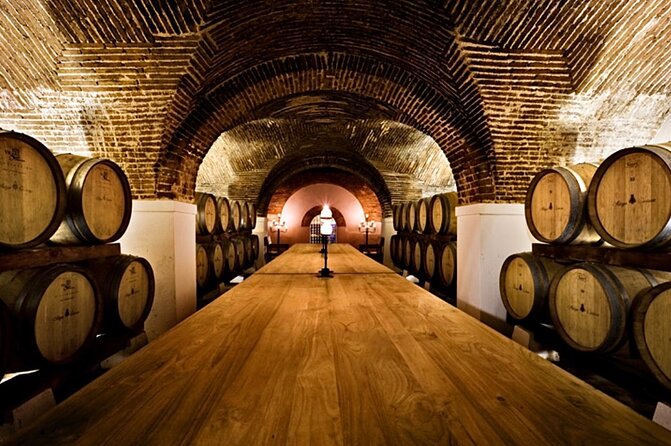
This is the kind of day trip that makes Lisbon feel like a launch pad. You leave the city behind, then switch gears again and again: viewpoint, winery visits, an eerie chapel, UNESCO streets, and finally cork production.
What makes it work is the variety. You get both ends of Alentejo culture: the elegant side (wine tastings at well-known estates) and the everyday craft side (cork). Then Évora adds the “wow” factor with Roman and medieval landmarks in a tight historic core.
And because it’s private, your guide can help you keep the day moving without feeling rushed in a chaotic group setting. From the people I spoke with on guides like Miguel, Helena, Ricardo, Nuno, and Pedro, the common theme is flexibility—adjusting to your pace and interests when timing allows.
You can also read our reviews of more private tours in Lisbon



Price and What You’re Actually Paying For
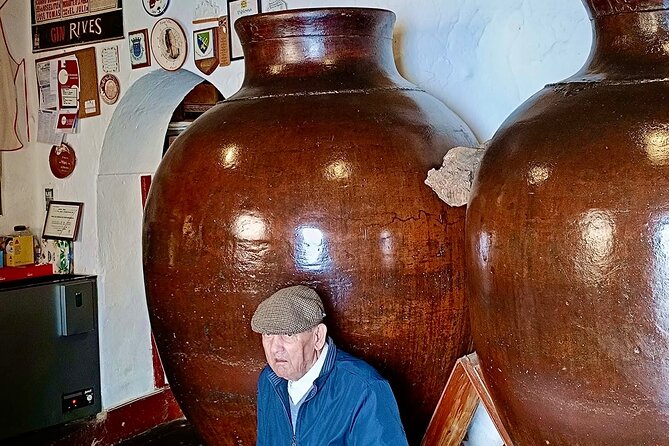
At $335.19 per person, this isn’t a bargain-style shuttle. But it can still be good value if you compare what’s bundled.
Here’s what you’re getting that usually costs extra if you DIY:
- Private transportation with pickup and drop-off
- A certified tour guide
- All entrances included across the listed stops
- Wine tasting (included as part of the day’s wineries)
- Alcoholic beverages and bottled water
- Cheese tasting and smoked sausages
- Air-conditioned vehicle for comfort
The big “value check” is this: a full private day with guide + entrances + tastings is hard to replicate cheaply once you add up tickets and transport. The tour also saves you the planning headache of coordinating winery timing across the region.
The main limitation tied to price is the one that affects everyone on a day like this: you’re not getting lunch included. Your guide can recommend where to eat, but you’ll pay for your meal.
Lisbon’s Portuguese Golden Gate: Setting the Tone Before Alentejo
The day starts with a stop called the Portuguese Golden Gate, a viewpoint overlooking Lisbon and the Tagus River. This is more than a quick photo stop. It helps you get oriented before the long drive south.
I like this kind of first stop because it lowers the mental switch cost. You’re not just sitting in a car for hours with no “why.” You get a view, then you get a story, then you’re moving.
One practical note: viewpoints can feel breezy. If you tend to get cold easily, bring a light layer, even in warmer months.
The Winery Circuit: João Portugal Ramos, Cartuxa, Pêra Manca, Ervideira, and Herdade do Esporão
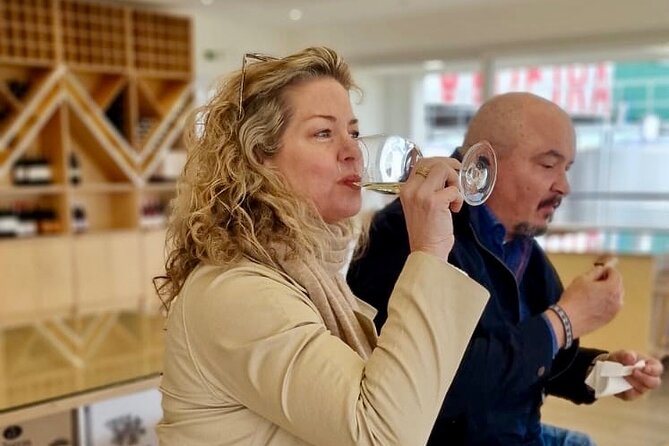
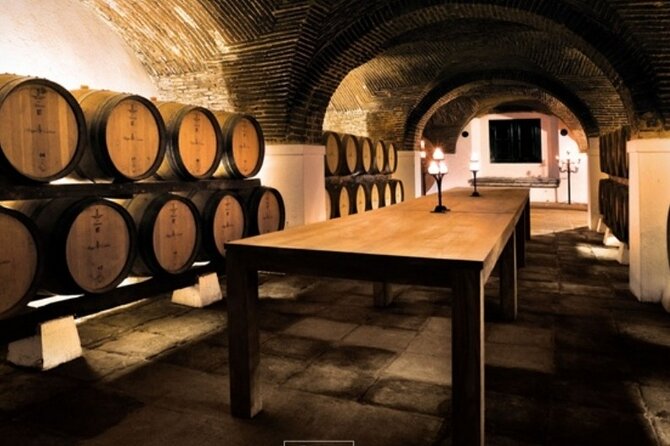
Alentejo wine is not one single style. It’s a set of traditions and choices—grape variety, aging approach, vineyard style, and how modern winemaking balances with older methods. This tour reflects that by rotating through different estates.
The schedule shows multiple winery stops, each with admission included and time set aside for a guided visit and tasting. Your exact winery lineup can vary, but the named estates give you a strong idea of what you’ll experience:
João Portugal Ramos Wines
This estate uses a modern approach while still honoring traditional winemaking techniques. You’ll hear about both indigenous Portuguese grapes and some international varieties. Expect wines built from grapes such as Alvarinho and Verdelho for whites, and Touriga Nacional and Syrah for reds.
Why this matters for you: if you’re trying to learn what Portuguese wine tastes like beyond one grape, this kind of portfolio helps you connect the dots quickly.
You can also read our reviews of more historical tours in Lisbon




Enoturismo Cartuxa
Cartuxa ties its identity to the 16th-century Cartuxa Monastery, part of the Eugénio de Almeida Foundation’s patrimony. The style focus here is on quality and individuality.
If you like when a winery has a clear “why,” this is a good stop. You’re not just tasting; you’re seeing how place and identity shape the wine.
Quinta São José da Pêra Manca (Pêra Manca)
Pêra Manca has roots going back to the 16th century, and today it’s especially known for reds. The tour context highlights traditional regional grapes like Aragonez, Trincadeira, and Alicante Bouschet.
For practical taste expectations: this is the kind of lineup that often leads to wines with more structure and aging potential, since these varieties are often chosen for depth and staying power.
Ervideira
Ervideira has been producing wine since 1880 and is supported by multiple generations of active producers. The estate operates with 160 hectares of vineyards split across family properties, with a focus on quality for both local and international markets.
Why it’s worth it: it’s a chance to compare how older production philosophies can still aim for modern quality standards.
Herdade do Esporão
Esporão’s stop is longer in the plan, with time for a deeper look at their estate approach. The vineyards are described as being in the heart of Reguengos de Monsaraz, where the wines aim for balance and long-term appeal.
You’ll likely appreciate this stop most if you want an estate feel—vines as the “lung” and the cellar as the “heart,” with the oenology team and harvest calendar guiding the work.
A fair heads-up about wineries
One detail that can affect your experience: at least one group reported that the winery focus can be on tastings rather than a full cellar tour. Since this is a private day and your guide may adjust, I’d simply ask early in the morning if you want more cellar time or deeper production explanations at a specific stop.
Chapel of Bones and the St. Francis Connection: A Short Stop That Hits Hard

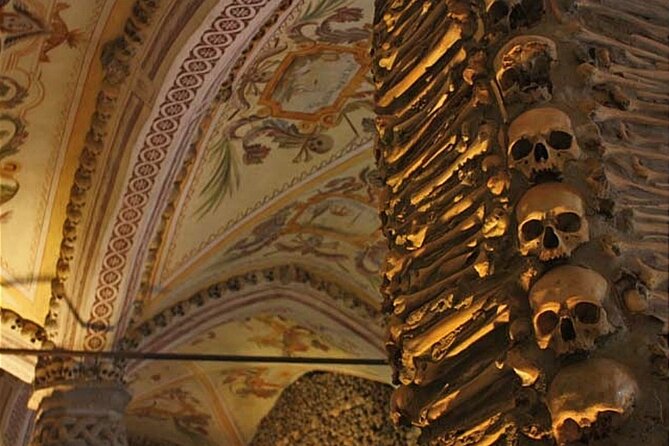
Then the day pivots hard into something not wine-related: the Chapel of Bones, attached to the Church of São Francisco. It’s known for its macabre interior decoration—walls and pillars covered in human bones.
It was built in the 16th century by Franciscan monks to communicate life’s transience and the importance of reflecting on mortality. The bones are believed to be from around 5,000 monks, exhumed from nearby cemeteries due to lack of space and carefully arranged into patterns. Skulls are used as decorative elements, and there’s even an inscription above the entrance that translates to: We bones that are here await yours.
I like that this stop isn’t long—about 30 minutes—because it keeps it from becoming numbing. You absorb it, you reset your brain, then you head back into history with Évora.
If you’re squeamish, take a breath before you go in. This is meant to make you feel something, not just look at architecture.
Évora in One Hour: UNESCO Streets, the Temple of Diana, and What to Prioritize
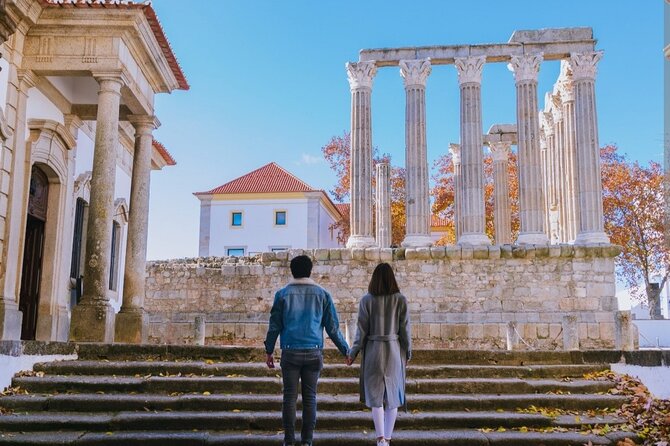
After the chapel, you reach Évora, a UNESCO World Heritage site with roots going back to Roman times. The historic core is enclosed by medieval walls, and the streets are known for whitewashed houses, churches, and small squares.
The plan gives you about 1 hour in Évora, plus a short add-on for the Temple of Diana. That time window is the big balancing act of this tour.
Here’s what you’ll see or be pointed toward:
- A Roman past represented by the Temple of Diana (Témplo de Diana)
- Medieval walls and the church-centered layout of the old town
- A sense of the city’s long timeline, from Roman to Christian eras
- The Cathedral of Évora area may come up in your route planning, since it’s one of the city’s major landmarks
The key practical move: in Évora, don’t aim to cover everything. Aim to get your bearings fast, then choose a couple of “anchor” sights. On my advice, the anchor is usually the Temple of Diana and a short walk through the old lanes so the city feels real, not just photographed.
Temple of Diana (Templo de Diana)
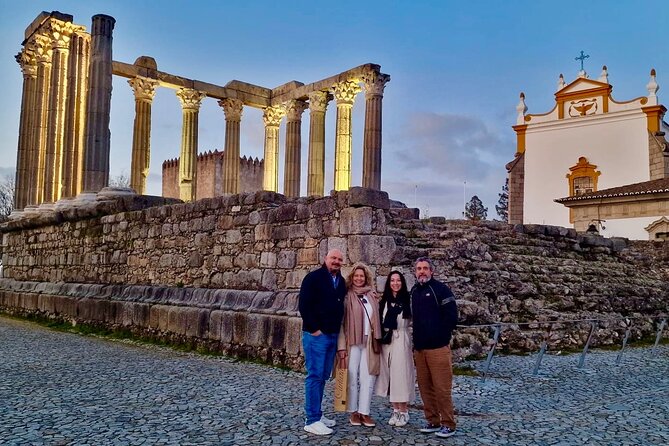
This Roman monument was built in the beginning of the 1st century AD and was likely connected to worship of the Roman emperor of the time. It suffered alterations during later periods, including Christian times, before restoration in the 19th century.
Even in just 10 minutes, the scale is what grabs you. It’s compact compared to big Roman ruins, but the proportions are impressive.
Corticarte Cork Factory: The Best Kind of Souvenir Shopping
Next comes the craft stop: Corticarte – Arte em Cortica, a cork factory visit with explanations from harvesting to quality selection and final products.
You’ll learn how cork harvesting and preparation works, and how that raw material turns into everyday items. There’s also a shop to buy authentic Portuguese souvenirs.
This is one of the more practical stops on the day because it gives you two benefits at once:
1) you understand the product origin
2) you can buy in the right place, not just wherever you happen to shop back in Lisbon
One smart tip from guides’ feedback: if you like cork products, buy them at the factory in Alentejo instead of defaulting to Lisbon shopping. You’ll leave knowing what you’re buying.
This stop also helps you pace the day. After wineries and bones, cork is a grounded, hands-on switch.
The Guide Makes or Breaks a Packed Day
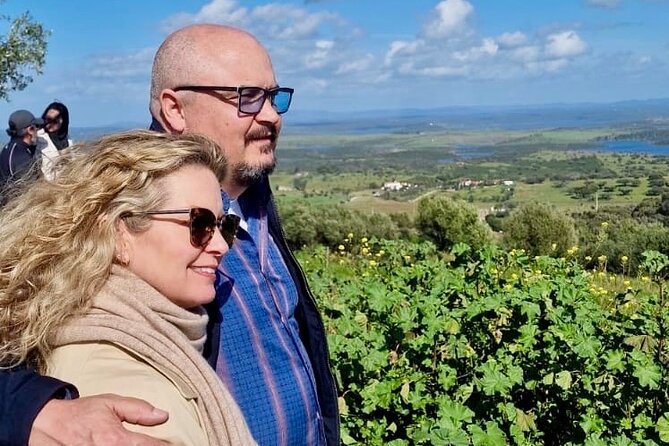
On a day with many stops, the guide’s job is timing and storytelling. The best part here is that guides described for this tour—like Miguel, Helena, Ricardo, Nuno, and Pedro—are locals who bring the region into the drive.
You’ll often hear personal history and connection. For example, Miguel is described as sharing stories from his days at the university in Évora. That kind of detail helps Évora feel less like a map pin and more like a lived city.
Guides also appear to adjust the route based on your interests. Ricardo, for instance, is described as helping people get a taste of local food, drink, and culture and tailoring the itinerary. Helena is described as choosing the winery and also sending people toward a small tavern for lunch (not included, but recommended and timed well).
One caution: if you’re picky about how a winery visit unfolds, ask for clarification early. One report mentioned a longer winery stop due to mixing with another group at a tasting, and that no full cellar tour happened. That doesn’t make the day bad, but it matters if you’re expecting a very structured production tour.
Who Should Book This Tour—and Who Should Skip It
This tour fits best if you want:
- A private day trip with pickup and drop-off
- Multiple Alentejo wine tastings in one go
- A mix of culture and craft: Chapel of Bones, Évora UNESCO core, and cork production
- A guide who can steer you through a packed schedule without chaos
You might want a different plan if:
- You hate time pressure and want long stays in each place
- You’re squeamish about bone-related interiors
- You’re only interested in wineries and want a deeper, cellar-heavy schedule at one estate (this day is broad by design)
If you’re celebrating something, it’s also a good pick because the private format plus tastings and historic sights feel special without being overly formal.
Should You Book This Private Evora Heritage and Alentejo Wine Tour?
If you like your day trips with variety—wine, UNESCO streets, a chapel that makes you pause, and cork souvenirs—then this is an easy yes.
I’d book it if:
- you want door-to-door convenience
- you enjoy learning how winemaking and regional identity connect
- you’re okay with spending about an hour in Évora rather than wandering for half a day
I’d think twice if:
- you’re expecting a slow, relaxed walk-through of Évora and multiple Roman sites
- you want lunch fully included (it isn’t)
- you dislike surprises in timing (sometimes winery experiences can run differently depending on how visits are handled on the day)
Bottom line: this tour is for people who want one strong Alentejo day with enough stops to feel like a complete story. Just go in knowing it’s packed, then let the guide steer the day so it still feels personal.
FAQ
How long is the tour?
It runs about 9 to 11 hours.
Is pickup from Lisbon accommodations included?
Yes. Pickup and drop-off are offered at your accommodation.
What’s included for food and drink?
You’ll get alcoholic beverages with wine tasting, plus bottled water. Cheese tasting and smoked sausages are also included. Lunch is not included.
Do I need to pay for entrance tickets?
All entrances are included.
Is this a private tour?
Yes. Only your group participates.
Is free cancellation available?
Yes. You can cancel for a full refund up to 24 hours in advance of the experience’s start time.