REVIEW · CHONGQING
Chongqing: Surreal Urban, Ancient Town, and Secret Viewpoint
Book on GetYourGuide →Operated by SKYMATZ RESOURCES LIMITED · Bookable on GetYourGuide
Chongqing in a single day feels unreal. This route stitches together Liziba Monorail thrills, sky-high river views, and old-town streets so the city’s 8D layout clicks quickly. I love the Liziba Monorail ride through a residential building and I love the Yangtze cableway air-bus crossing above the river. Do plan for crowds and a long walking day, because popular viewpoints get busy.
You’ll also get context, not just photos: Kuixing Tower, Ciqikou’s port-town lanes, and the Chongqing Urban Planning Exhibition Gallery connect the surreal skyline to how the city actually works. The included pickup and drop-off plus a small group size makes it easier to keep the day moving without constant taxi math.
In This Review
- Key Points You’ll Care About
- Chongqing in One Day: Why the 8D Feeling Clicks Fast
- Price and What You Actually Get for $216
- Start Smart with Pickup, Small Groups, and Real-World Timing
- Liziba Monorail: Riding Through a Residential Building
- Kuixing Tower: Jialing River Views and Chongqing’s Vertical Confusion
- Yangtze River Cableway (Air-Bus): The Best Way to See the City’s Two-Bank Logic
- Ciqikou Ancient Town: Port-Town Streets, Local Snacks, and Real Atmosphere
- Chongqing Urban Planning Exhibition Gallery: Big City Thinking with River Views
- Longmenhao Old Street and Teahouse Time: Slow Wandering in a Restored Area
- What to Pack, and How to Handle Chongqing’s Crowds and Traffic
- Who This One-Day Chongqing Tour Is Best For
- Should You Book This Chongqing One-Day Plan?
- FAQ
- How long is the Chongqing one-day experience?
- What’s the group size?
- Where does pickup and drop-off happen?
- Which tickets are included?
- Is lunch included?
- What snacks and drinks are included?
- What languages are available for the guided tour?
- Is this tour suitable for wheelchair users?
- What should I bring?
- Is there a flexible booking option and a cancellation window?
Key Points You’ll Care About
- Ride the Liziba Monorail where the train threads past apartments, turning a photo spot into a real ride
- Kuixing Tower viewpoints with Jialing River scenery and that classic Chongqing question: are you on the ground floor or the 22nd?
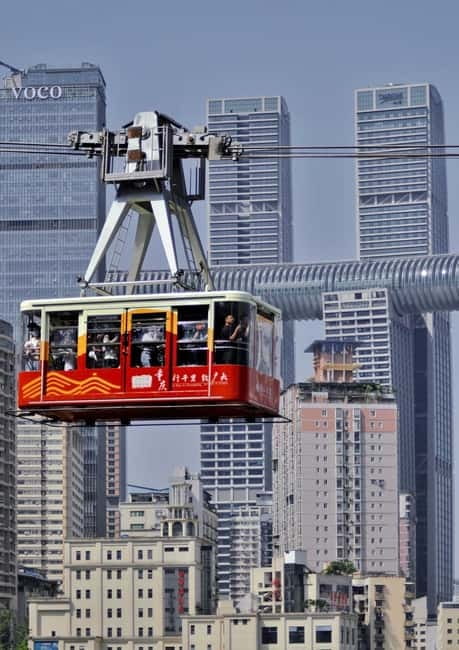
- Yangtze River Cableway (air-bus) for wide views that show the river, skyline, and mountains in one frame
- Ciqikou Ancient Town for port-town streets, shops, and local food stops
- Chongqing Urban Planning Exhibition Gallery with a big city model and skyline views from the riverside area
- Longmenhao Old Street for a slower wander with restored streets, a teahouse vibe, and indie corners
Chongqing in One Day: Why the 8D Feeling Clicks Fast
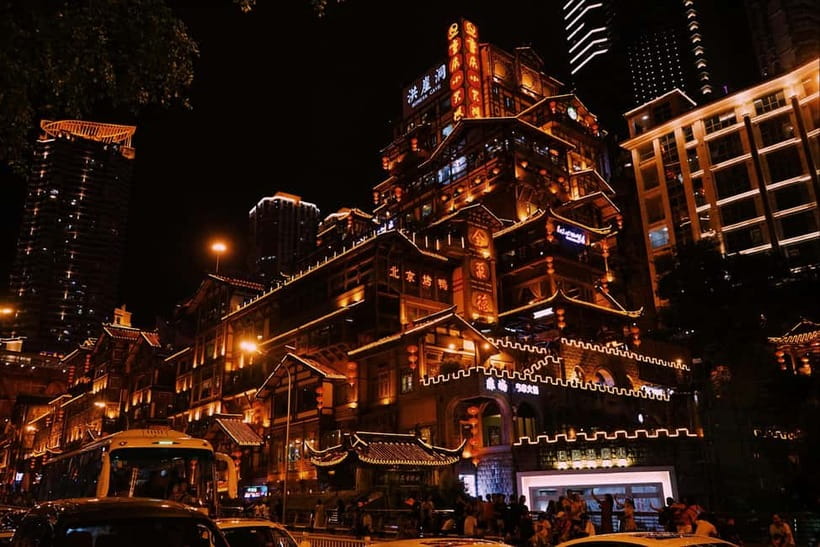
Chongqing is the kind of place where “flat” maps don’t help much. Streets climb, blocks stack, and the rivers shape where you live and how you move. That’s why one-day planning matters here. If you wing it, you can waste time just figuring out where you are on the hill.
This day trip works because it moves between three types of views. You get the up-close, human scale of the city (residential monorail, street corners). You get the big-picture scale (Yangtze cableway and skyline). And you get the “how it all fits” scale at the planning museum, where the city’s logic becomes easier to understand.
The pace is busy, but it’s the right kind of busy. You’re not just ticking landmarks; you’re collecting clues about why Chongqing looks the way it does.
You can also read our reviews of more tours and experiences in Chongqing.
Price and What You Actually Get for $216
At $216 per person for about 10 hours, this is a “pay for convenience” kind of deal. You’re not only buying ticket access. You’re also buying transport from anywhere in Chongqing city, guided interpretation in your chosen language, and a tight route that reduces friction.
Here’s what’s included that really matters for value:
- Pickup and drop-off from anywhere in the city
- A small group (1–12 people)
- Guided time in English, Chinese, Spanish, Japanese, Korean, Russian, or French/Italian
- Tickets for the Yangtze River Cableway and the Chongqing Urban Planning Exhibition Gallery
- Two local snacks and drinks during the day
Lunch isn’t included, so you’ll want to budget time to eat on your own based on the guide’s suggestions. Also, this isn’t a wheelchair-friendly plan. If mobility is limited, you’ll need to check with your provider.
In short: the price makes sense if you want a guided route that cuts down on navigation headaches and still includes the big-view experiences.
Start Smart with Pickup, Small Groups, and Real-World Timing
Chongqing’s traffic can be… a character. Congested areas may be reached by taxi instead of a private car. That’s normal here. A good guide route helps you keep the day on track instead of grinding through delays.
The small group size (up to 12 people) is part of the value. It makes it easier to move as a unit at viewpoints and in older streets. It also tends to help with the “photo problem,” since timing at Liziba and the cableway is all about catching the right moment.
Guides on this route are often described as friendly, patient, and good at practical help—like getting you to the places you want and helping with photos. Some even focus on conversation, which can turn a teahouse stop into a genuine cultural moment instead of just a rest break.
If you’re visiting with family or older relatives (as long as everyone can handle walking), the pacing and care can make the day feel manageable. You’ll still want sturdy shoes, because Chongqing days add up fast.
Liziba Monorail: Riding Through a Residential Building
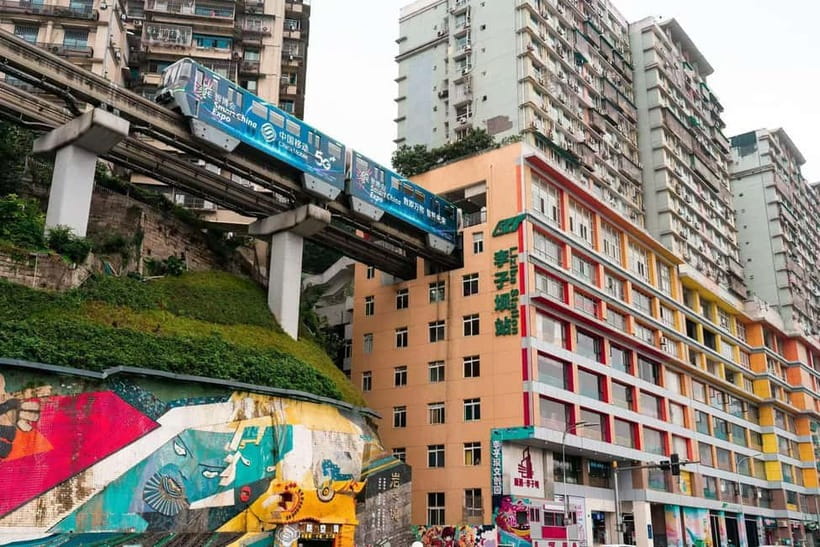
This is the headline moment, and for good reason. The Liziba Monorail is famous because the station and train pass through a built-up residential area. You don’t just watch from a distance. On this kind of day, you also ride it, which changes everything.
Why it’s so memorable: your brain has to recalibrate. You expect a monorail to run above city streets. Here, it runs through the neighborhood’s everyday vertical world. It’s surreal in motion, not just in a photo.
What to do before you go for the perfect angle:
- Bring your camera, but also watch your footing. Liziba viewpoints can be crowded.
- Try to position yourself where you can see the track line, then wait for the train to come into view.
- Be ready for quick crowds shifts. People move fast when the train is approaching.
If you love trains, architecture, or just the weird-and-wonderful side of cities, this part alone is worth the planning. And because you ride it, you’ll understand the scale instantly.
Kuixing Tower: Jialing River Views and Chongqing’s Vertical Confusion
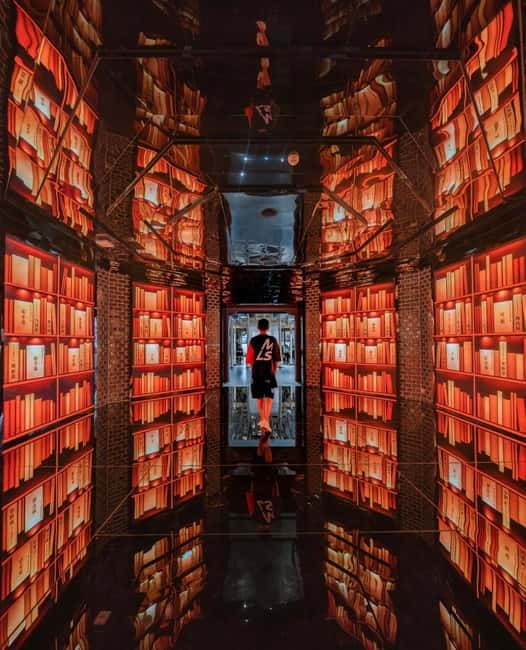
Kuixing Tower is tucked into a quieter corner of Yuzhong District, away from the busiest tourist conveyor belt. The vibe here is more local and slower. You’re not just chasing a skyline shot.
The big “Chongqing lesson” at Kuixing Tower is how the city folds upward. It’s normal to feel slightly disoriented: are you looking from the ground level or somewhere near the 22nd? That disorientation is part of why locals and visitors both talk about Chongqing as an 8D city.
The tower also comes with a story tied to academic wishes—locals historically prayed for academic success here. That adds meaning to the views. You’re standing at a spiritual landmark that also happens to frame the Jialing River.
What I recommend you focus on:
- The river line and the way buildings stack toward it
- The change in perspective as you move around the viewpoint area
- Quiet moments where you can actually see the layering instead of rushing for the next stop
It’s a great counterweight to the “big thrill” sites. After Liziba, Kuixing gives your eyes time to settle.
Yangtze River Cableway (Air-Bus): The Best Way to See the City’s Two-Bank Logic
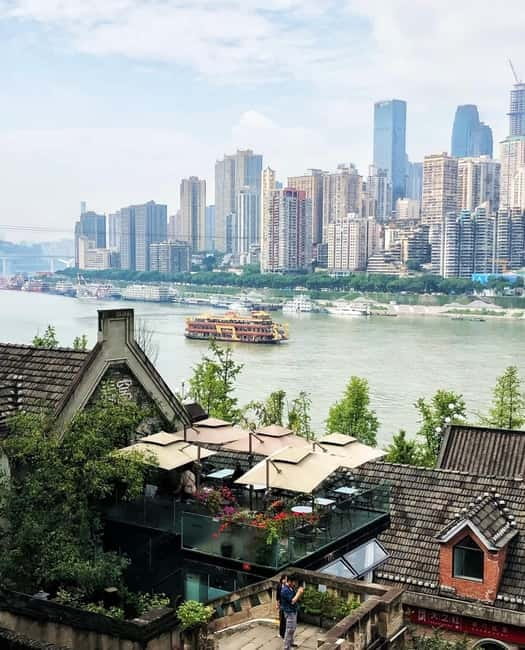
If you want an overview that doesn’t feel like you’re stuck in a bus window, take the Yangtze River Cableway. Locally, it’s often called the air-bus. You glide high above the water, crossing between parts of the city in a way that makes Chongqing’s geography feel obvious.
This is where you connect the dots:
- You see the skyline in context with the mountains
- You understand how the river shapes development
- You get that classic “river plus city plus height” perspective that’s hard to recreate anywhere else
Practical advice: expect a crowd at boarding and in the queue areas. It’s worth arriving calmly, not rushing. Once you’re in the cableway, the motion gives you time to watch how the river cuts through the city’s structure.
Photo-wise, it’s a strong choice even if you’re not a serious photographer. The cableway naturally frames wide shots, and the views change as you move across.
Ciqikou Ancient Town: Port-Town Streets, Local Snacks, and Real Atmosphere
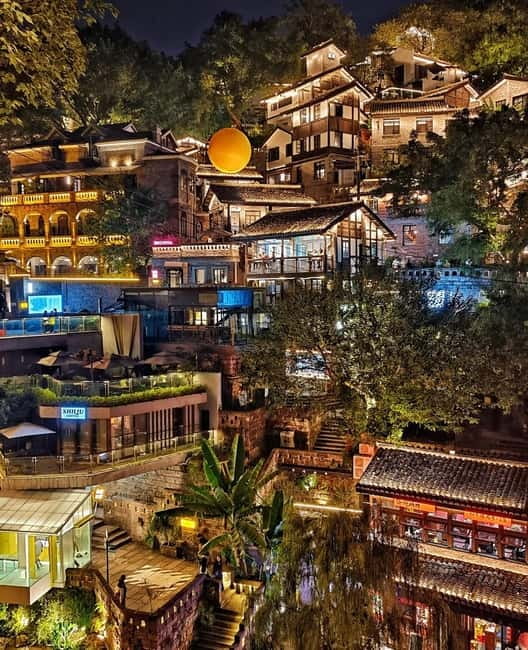
Ciqikou Ancient Town is one of the most recognizable heritage areas in Chongqing. What I like about this stop is that it’s not just old buildings—it’s a port-town setting with everyday energy. Streets are active, shops are plentiful, and the food scene is the main reason people wander.
It also works well in the flow of this day. After the views at Kuixing and before the planning museum, you get a change of pace. You’re back in a human-scale street grid where you can smell, taste, and browse without feeling like you’re sprinting.
A smart approach here:
- Take your time in the lanes with shops and food stalls
- Let your guide point out what to try if you want help navigating local menus
- Keep some cash or payment options ready for small purchases
If you’re hoping for a perfectly quiet old town, you may not get that here. But if you want lived-in heritage—where people actually shop and eat—Ciqikou delivers.
Chongqing Urban Planning Exhibition Gallery: Big City Thinking with River Views
This is the “why” stop. The Chongqing Urban Planning Exhibition Gallery helps you understand Chongqing as a mountain city—how it grew, how it functions, and what planners aim for next.
You’ll see a massive city model and a set of multimedia exhibits. Even if you don’t read every sign, the structure is visual and easy to follow. The model helps you connect what you saw outside—layered neighborhoods, river crossings, and the sense that everything is built on top of something else.
What’s especially useful is the location and views. The riverside promenade area gives you skyline views while you walk. Riverboats moving in the background add motion, so the city model stops being just a display and becomes part of your real perspective.
If you like cities as systems—transport, geography, and urban planning—this museum stop makes the day feel more complete. It’s the difference between seeing landmarks and understanding why they exist.
Longmenhao Old Street and Teahouse Time: Slow Wandering in a Restored Area
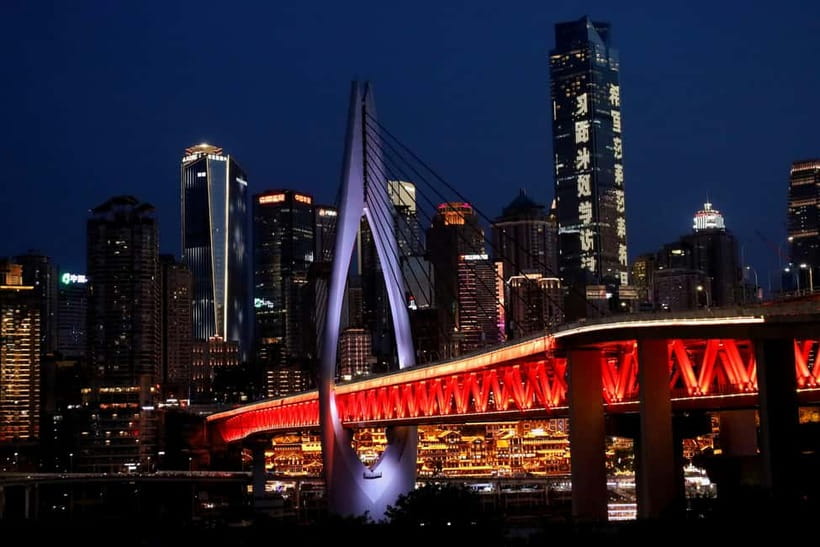
Longmenhao Old Street adds a more relaxed mood to the day. Restored buildings, century-old trees, and teahouses create a slower rhythm than the main scenic stops.
This is where the day becomes more personal. Guides often steer people toward places that encourage small talks—like a teahouse moment—where you can sit, drink tea, and practice a little curiosity with locals. It can feel like a break from sightseeing, even though you’re still in the same loop.
What to expect on this stretch:
- A walk through restored streets that feel more like a neighborhood than a theme park
- Plenty of chances to pause and look up at architecture details
- A teahouse setting that’s good for resting your legs and regrouping
If you enjoy indie shops and small cafés, you may spot corners that feel more local than packaged souvenirs. It’s also a good time to edit your photos. By now, you’ve seen so much vertical city contrast that your camera will need a rest too.
What to Pack, and How to Handle Chongqing’s Crowds and Traffic
Chongqing can move fast. The day is structured, but you’ll still deal with real-world conditions.
Bring:
- Passport or ID card
- Comfortable shoes (you’ll walk more than you expect)
- A camera for Liziba and the cableway views
Expect:
- Crowds at popular spots, especially where people are waiting for trains or boarding the cableway
- Traffic variations. In congested areas, you might switch to taxi rather than staying in a private vehicle
One more practical note: this isn’t listed as wheelchair-friendly. If you or someone in your party uses a wheelchair, you’ll need a different plan or special arrangements.
Who This One-Day Chongqing Tour Is Best For
This experience is a strong match if you want:
- A fast introduction to the real Chongqing layout in one day
- The big signature transport moments (Liziba monorail and the Yangtze cableway)
- Guided help with navigation and timing, especially if you don’t want to figure out routes all day
- A blend of skyline views and street-level time in ancient-town areas
It also works well if you travel with multiple ages, as long as everyone can handle walking and the day’s rhythm. The care described for an older guest suggests the guides take comfort seriously, not just speed.
If you dislike crowds or hate long walking days, this may feel a bit intense. But if you can roll with peak-time energy, you’ll get a lot out of every hour.
Should You Book This Chongqing One-Day Plan?
Yes, if you’re here for a limited time and you want the city’s signature “8D” experiences without wasting hours on logistics. The combination of Liziba Monorail, the Yangtze cableway, Ciqikou’s port-town streets, and the planning museum gives you both spectacle and context.
Skip it or consider an alternative if you want a slow, quiet day, or if mobility limits make stairs and long queues hard. And if you’re the type who enjoys solo exploring without structure, you might feel constrained by a guided route.
But for most people, this is a practical way to fall in love with Chongqing quickly—one ride, one river crossing, and one “how is this city built?” moment at a time.
FAQ
How long is the Chongqing one-day experience?
It runs for approximately 10 hours.
What’s the group size?
The tour operates with a group size of 1–12 people.
Where does pickup and drop-off happen?
Pickup and drop-off can be arranged from anywhere in Chongqing city.
Which tickets are included?
The tour includes tickets for the Yangtze River Cableway and the Chongqing Urban Planning Exhibition Gallery.
Is lunch included?
No. Lunch is not included, and you’ll get recommendations for local places to eat.
What snacks and drinks are included?
You’ll be provided two local snacks and drinks during the day.
What languages are available for the guided tour?
Guided language options include English, Chinese, Spanish, Japanese, Korean, Russian, French, and Italian.
Is this tour suitable for wheelchair users?
No, it is not suitable for wheelchair users.
What should I bring?
You should bring your passport or ID card, comfortable walking shoes, and a camera.
Is there a flexible booking option and a cancellation window?
You can reserve now and pay later, and you can cancel up to 24 hours in advance for a full refund.