REVIEW · SAN CARLOS DE BARILOCHE
Indigenous People of Patagonia History Tour
Book on GetYourGuide →Operated by Bariloche Stories Walking Tour · Bookable on GetYourGuide
Patagonia history, taught street-side. What makes this experience so appealing is the tight route: you start in Bariloche downtown, hit the Civic Center museum, then finish with huge views over Nahuel Huapi. I particularly like how the 90-minute format keeps things moving while guide Diego ties the Indigenous past to what you can actually see around you. One small consideration: the Museum of Patagonia visit has an optional $2 contribution, so budget for that if you want the full museum experience.
My favorite part is the mix of ideas and scenery. You’ll get the Indigenous-focused storytelling, then you’ll step into the calm gardens near the Cathedral’s stained glass and end on the shore with glacial-valley views that make the day feel bigger than a quick walk.
In This Review
- Key things to know before you go
- Where You Start: Centro Civico Square and a 90-Minute Rhythm
- Museum of Patagonia at the Civic Center: Fossils, Tools, and Indigenous Connections
- Walking Bariloche’s Indigenous History: What the Guide Helps You Notice
- Cathedral of Our Lady of Nahuel Huapi: Stained Glass, Gardens, and the Via Crucis
- Ending at Nahuel Huapi Lake: Glacial Valleys and a Proper Pause
- Price and Value: Is $41 Worth It in Bariloche?
- Who This Tour Suits (and Who Should Skip It)
- Should You Book This Indigenous People of Patagonia History Tour?
- FAQ
- How long is the Indigenous People of Patagonia History Tour?
- Where do I meet the guide?
- Is the Museum of Patagonia entry included?
- What languages are available for the guide?
- What should I bring?
- Are pets allowed?
Key things to know before you go
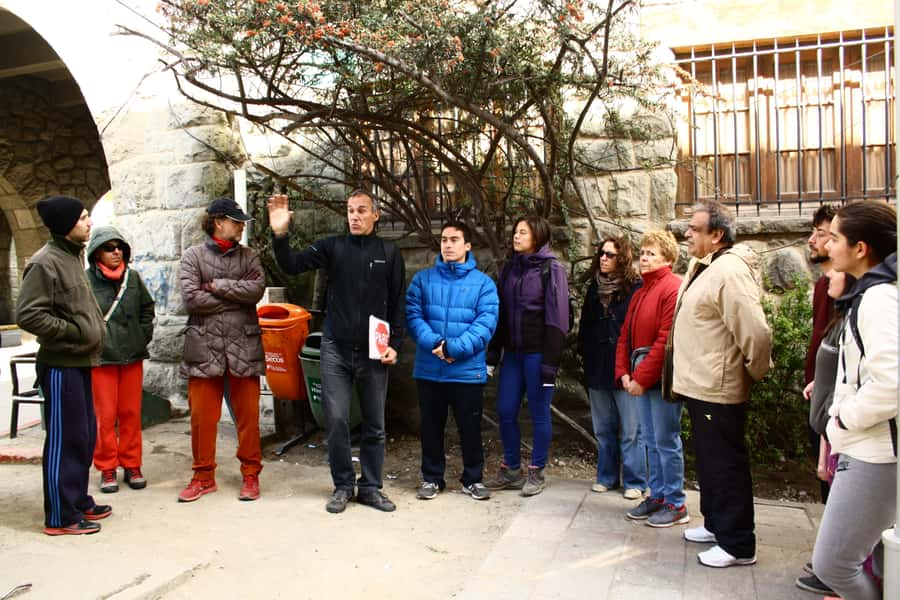
- Centro Civico Square start point: The tour meets by the tourist information office door, so it’s easy to orient yourself.
- Museum of Patagonia inside the Civic Center: You’ll focus on natural history and original inhabitants, plus the practical stuff—fossils, tools, and implements.
- Return-ticket option: Use your entry ticket later in the day to explore at your own pace.
- Cathedral of Our Lady of Nahuel Huapi stop: You’ll see stained glass windows and the Via Crucis.
- Nahuel Huapi Lake finale: Finish with views of glacial valleys—good for photos and just stopping to breathe.
Where You Start: Centro Civico Square and a 90-Minute Rhythm
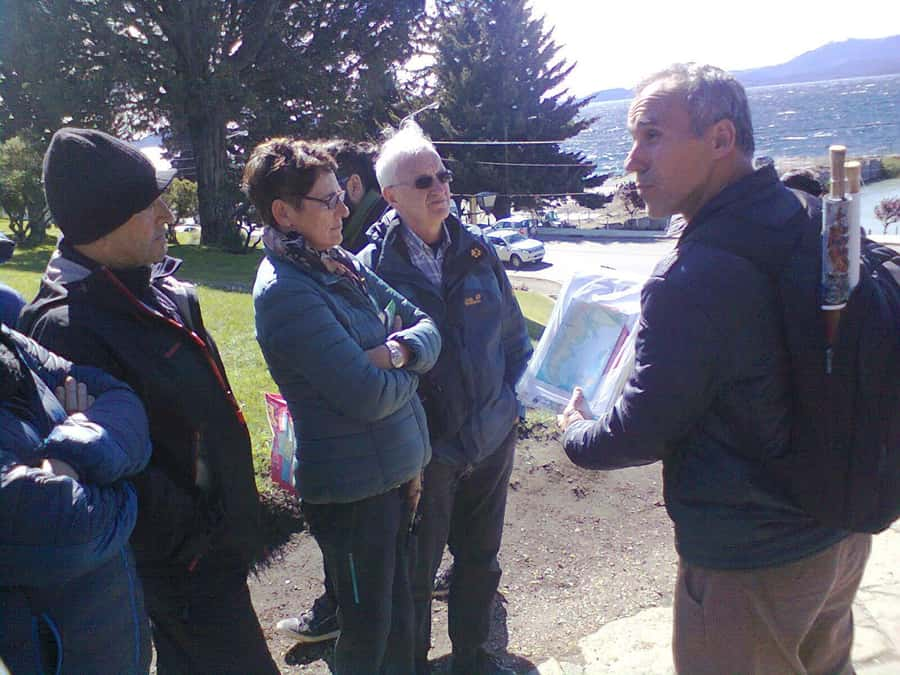
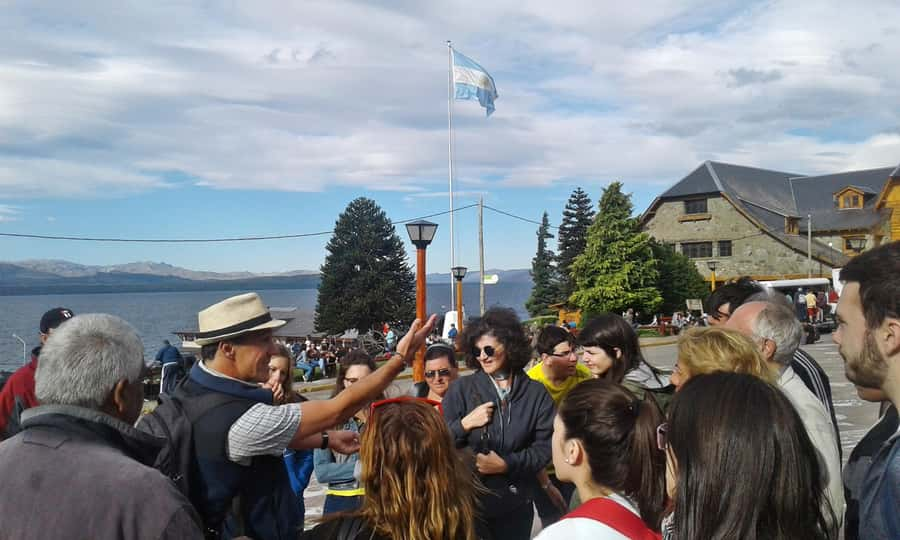
This tour is built for short attention spans and big curiosity. You meet at Centro Civico Square in Bariloche, right at the door of the tourist information office. From there, you move through the downtown area at a comfortable walking pace, with an official guide working in both English and Spanish.
The timing matters. At 90 minutes, you’re not doing a deep, all-day museum marathon. Instead, you’re getting a guided thread—what the Indigenous presence meant in Patagonia, how that connects to what’s preserved, and how to see Bariloche through that lens as you walk. It’s a good way to get your bearings fast, especially if this is one of your first days in town.
Also, the stops aren’t random. They’re chosen because you can connect the dots: the Civic Center museum for context, the cathedral for cultural landmarks and art, and the lake shore for the scale of the place. If you enjoy tours that teach you how to look—not just where to stand—you’ll like this format.
Practical note: wear comfortable shoes. This is a walking tour, so you’ll be happier if your feet are ready for it.
Museum of Patagonia at the Civic Center: Fossils, Tools, and Indigenous Connections
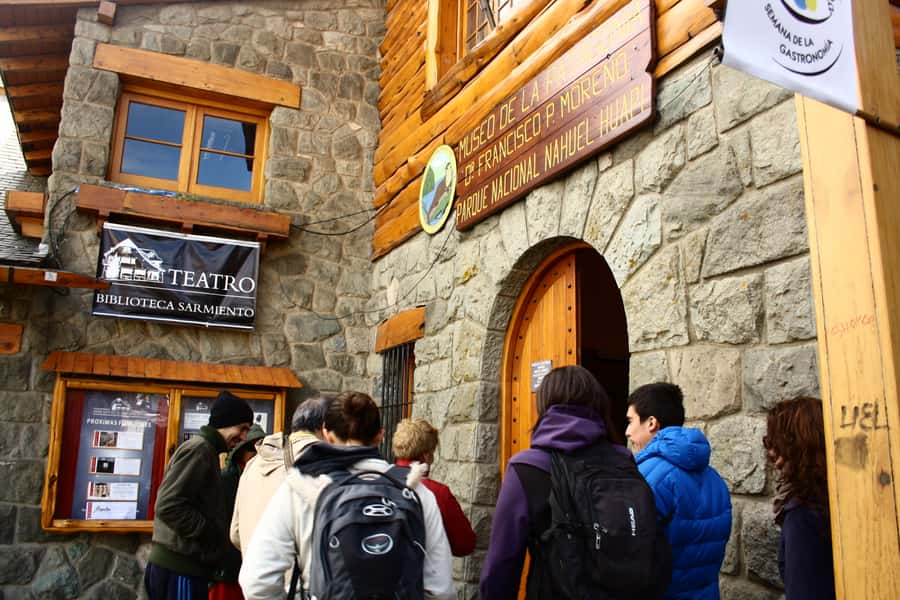
The Civic Center is where the tour does a lot of the heavy lifting. You’ll visit the Museum of Patagonia, housed in this central complex, and you’ll explore the main sections tied to both natural history and the original inhabitants of the region.
Here’s why this museum stop is more than a generic indoor break. The Museum of Patagonia was established in 1940 by the national government to promote the then-remote ski resort town of Bariloche. That detail changes how you read the museum. It’s not only about objects behind glass; it’s also about how a young town tried to build cultural meaning and awareness by turning a museum into a public anchor.
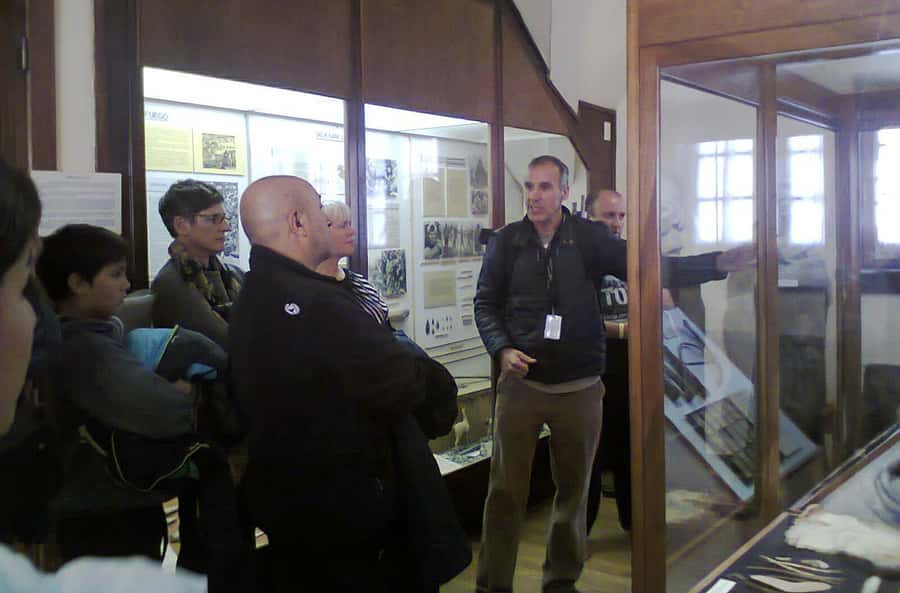
What you’ll focus on during your guided portion includes collections like fossils and natural-history material, along with tools and implements connected to early life in Patagonia. You also get a chance to understand how the museum frames the area’s original peoples—so you’re not just memorizing facts. You’re learning a structure for understanding the region.
A smart bonus: you receive an entry ticket you can use later in the day. That means you’re not forced to squeeze everything into the guided window. If something catches your eye—maybe a specific set of tools or a fossil display—you can come back when the rest of your day slows down and explore at your own pace.
Budget note: the optional $2 contribution for museum entry is not included in the tour price. If you’re the type who likes to see the full collection once you’re there, it’s worth planning for.
Walking Bariloche’s Indigenous History: What the Guide Helps You Notice
After the museum, the tour keeps your attention on the bigger story rather than turning into a checklist of sights. As you walk through Bariloche downtown, the guide explains Patagonia’s Indigenous history in a way that connects place and time.
This is where the guide’s style really matters. In the past, the name Diego comes up again and again, especially for keeping things clear and organized when there’s a lot of material to cover in a short window. You can feel the intention behind that: this isn’t a long lecture, and it shouldn’t be. It’s structured for understanding.
What you’ll learn is specifically tied to the original inhabitants of Patagonia, with context that helps you place the museum objects into a wider story. You’re not just hearing where things are; you’re hearing what they meant and why they matter in the broader Patagonia picture.
And because you’re walking, you’re not trapped in one room. That’s a subtle win. You start to notice the town as a living setting layered over older stories. Even if you only have a day or two in Bariloche, this kind of interpretation can make your later self-guided wandering much more meaningful.
If you prefer tours where you ask questions and the guide adjusts the pacing, this format also tends to work well. The content is focused enough that your time doesn’t feel wasted, but structured enough that you can follow along without needing background knowledge.
Cathedral of Our Lady of Nahuel Huapi: Stained Glass, Gardens, and the Via Crucis
Next comes a change of mood: from learning about Patagonia’s past to encountering a major cultural landmark in the present. The tour heads to the Cathedral of Our Lady of Nahuel Huapi, a well-known stop set among gardens.
This is not just about snapping a few photos. You’ll be pointed toward two signature features: the cathedral’s stained glass windows and the Via Crucis. The stained glass is visually striking, but the practical value is that it gives you something specific to look for while the guide shares meaning and details. It turns a passive stop into an active one.
The Via Crucis adds depth in a different way. Even if you’re not religious, it helps you understand how art and devotion intersect in public spaces. It also gives you a quiet pause from walking, letting the day settle into something slower.
What I like about this stop as part of the overall tour is balance. The museum provides context about people and place over time. Then the cathedral brings you back to Bariloche’s living cultural landscape—so you don’t leave with only one kind of perspective.
Ending at Nahuel Huapi Lake: Glacial Valleys and a Proper Pause
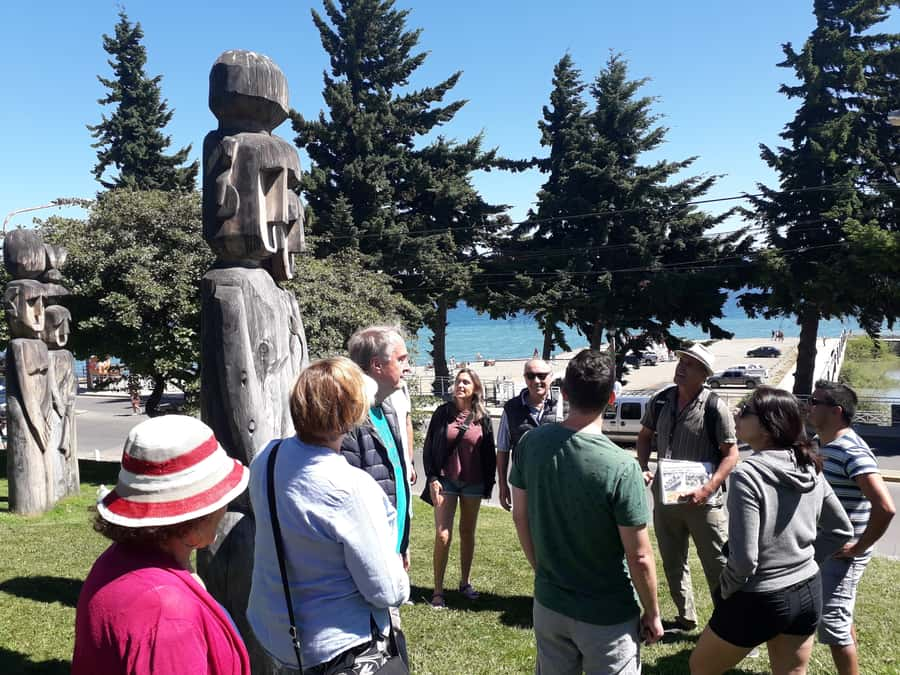
The finale is one of the best reasons to do this tour at all. You end at the shore of Nahuel Huapi Lake, where you can look out toward glacial valleys.
This isn’t a vague scenic finish. You’re arriving at a point where the scale of the region becomes real. The lake anchors the horizon, and the glacial valleys help you understand why Patagonia is such a magnet for people who love the outdoors, history, and wild geography.
Even better, you’re finishing right after the cultural and historical stops. That sequencing helps. You spend the earlier part of the tour building context about people and place, and then you get the visual payoff that makes the geography feel connected to the story you just heard.
Bring your phone or camera, yes—but also give yourself a minute without aiming it anywhere. This kind of ending works best when you let it sink in. That quiet moment at the lake is what makes the tour feel like more than just three stops in 90 minutes.
Price and Value: Is $41 Worth It in Bariloche?
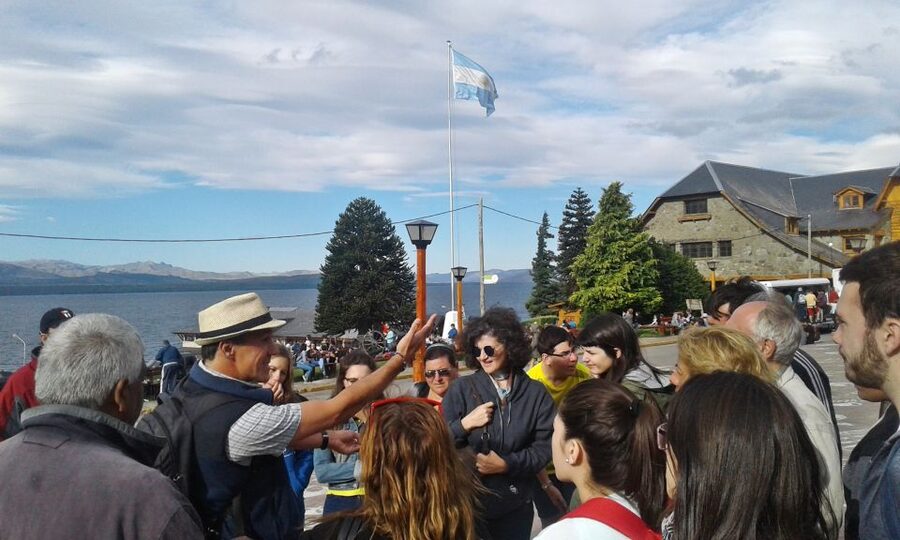
At $41 per person for a 90-minute guided walking tour, this sits in the “reasonable and focused” category. You’re paying for an official guide who works in both English and Spanish, plus structured time at multiple landmark stops.
Here’s the real value math:
- You get guided museum time in the Civic Center complex, where you’re learning how the collections connect to Patagonia’s original inhabitants.
- You also get Cathedral access with guided focus on stained glass windows and the Via Crucis, rather than a generic walk-by.
- You finish with a lake shore viewpoint where the region shows itself in one last, memorable frame.
- You may also add value later using the entry ticket to return and explore at your own pace.
The one extra cost to plan for is the optional $2 contribution for museum entry. It’s not huge, but it’s still money you should keep in mind so you aren’t surprised onsite.
The best value comes if you’re the type who likes guided interpretation more than collecting facts alone. If you want to sit alone for hours with every label, this 90-minute format might feel too short. But if you want a solid first understanding of Patagonia’s Indigenous history tied to real places in Bariloche, the price is fair.
Who This Tour Suits (and Who Should Skip It)
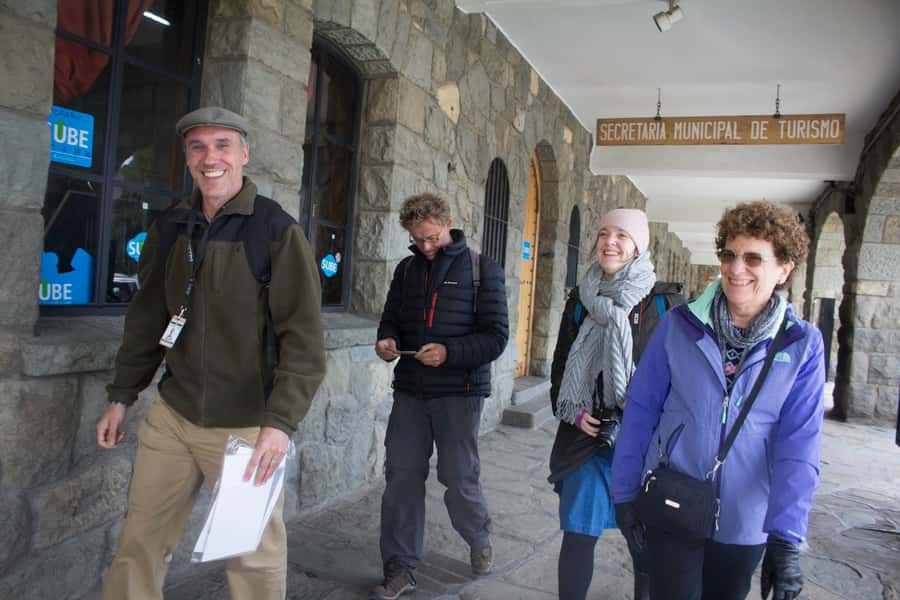
This tour is a strong match if you:
- Want a short, guided introduction to Patagonia’s Indigenous history without needing a crash course first
- Like a mix of museums, public landmarks, and scenic endings
- Appreciate guides who can pack a lot into a short walk and keep the story organized (Diego is repeatedly praised for doing exactly that)
You might skip it if you:
- Prefer fully independent museum time only, with no walking route and no guided framework
- Want a longer deep-dive day that stretches beyond a single 90-minute block
Also, if you’re traveling with pets, note that pets are not allowed on this activity.
Should You Book This Indigenous People of Patagonia History Tour?
I’d book it if you’re trying to understand Bariloche beyond viewpoints. The mix of the Museum of Patagonia at the Civic Center, a cathedral stop with stained glass and the Via Crucis, and a meaningful finish at Nahuel Huapi Lake makes the experience feel purposeful.
It’s also the kind of tour that helps you later. After you’ve heard how the museum was established and what kinds of collections you can find—fossils, tools, and implements—you’ll look at the region differently when you wander on your own.
One last practical tip: wear comfy shoes and bring a bit of flexibility. The museum has that optional contribution, and the schedule is built to be efficient. If you match that style, you’ll get a lot out of the time you spend in Bariloche.
FAQ
How long is the Indigenous People of Patagonia History Tour?
It lasts about 90 minutes.
Where do I meet the guide?
Meet by the door of the tourist information office located at Centro Civico Square in Bariloche.
Is the Museum of Patagonia entry included?
The tour includes access via an entry ticket, but there is an optional $2 contribution to enter the Museum of Patagonia.
What languages are available for the guide?
The guide provides the tour in English and Spanish.
What should I bring?
Wear comfortable shoes for the walking portions.
Are pets allowed?
No, pets are not allowed.