REVIEW · COLORADO SPRINGS
Colorado Springs: Guided Ghost Story and History Tour
Book on GetYourGuide →Operated by JNSemprise · Bookable on GetYourGuide
Haunted Colorado Springs starts at a grand hotel. This guided walking tour mixes spooky sights with city history you can actually picture, from judge-era spirits at the Antlers to ghost talk tied to morgues, tunnels, and downtown buildings. I like how the guide turns each stop into a short scene, so the stories of apparitions, black mists, and moving objects feel like they belong to specific corners of town, not just generic Halloween lore.
My favorite part is the guide setup. You get an experienced storyteller in full regalia, and the tone stays fun as well as eerie. One possible drawback: the tour is listed at 90 minutes, but it can run longer at busy times, so don’t stack a tight plan right after.
In This Review
- Key Highlights You Should Expect
- Entering The Antlers: Judge Baldwin and First Chills
- The Rabbit Hole and the Morgue Claims Behind Dinner
- Cheyenne Building and La Burla Bee: Ghost-Lore Stops That Add Texture
- The Spanish Flu of 1918: Underground Pop-Ups and Wandering Spirits
- YWCA Tragedy and the Tunnels to the Old City Auditorium
- Railroad Murders and the Dark Thread You Can’t Ignore
- Colorado Mining Exchange and Peak Theatre: History Comes Back Up to Street Level
- Guide Talent, Humor, and Video Moments You’ll Likely Notice
- Price and Timing: Is $28 Worth 90 Minutes?
- Practical Tips Before You Start Walking
- Who This Tour Fits Best
- Should You Book This Ghost Story and History Walk?
- FAQ
- How long is the Colorado Springs Guided Ghost Story and History Tour?
- Where do I meet for the tour?
- How much does it cost?
- What’s included in the tour?
- Is an EMF detector provided?
- Is the tour wheelchair accessible and is it in English?
Key Highlights You Should Expect
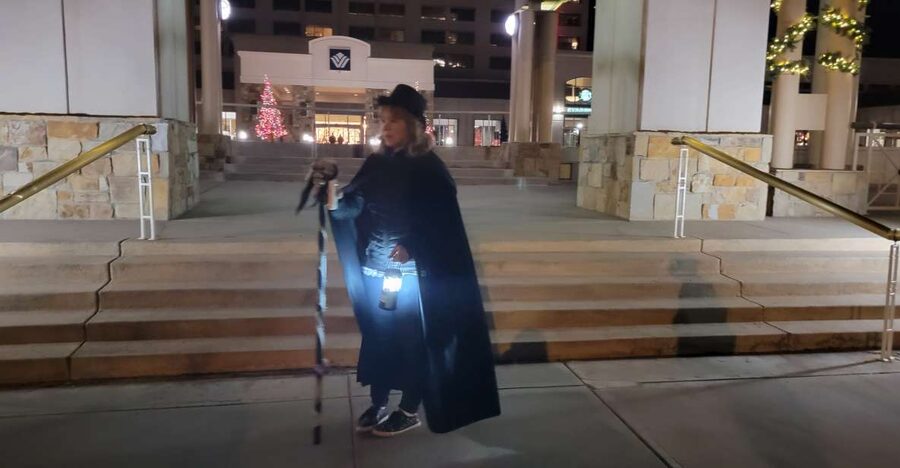
- Full-regalia storyteller who keeps the pace moving and the tone entertaining
- Antlers Hotel start with early Colorado Springs ghost talk around Judge Baldwin
- Rabbit Hole stop tied to claims about the city morgue in the 1900s
- Spanish Flu 1918 underground stories and pop-up morgues/crematoriums
- Tunnels and civic buildings connected to the old City Auditorium and other landmarks
- Video-style evidence moments at certain stops, shown via the guide’s phone
Entering The Antlers: Judge Baldwin and First Chills
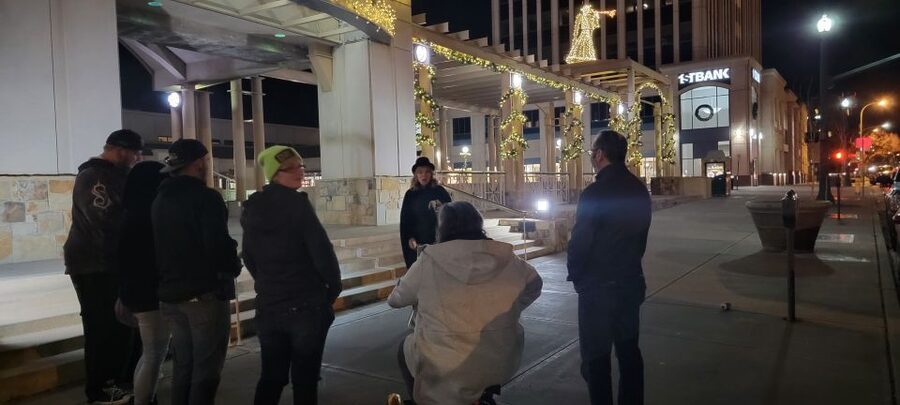
The tour begins at the Antlers, A Wyndham Hotel, with a clear meeting point: in front of the Antlers at the Palmer arch by the sidewalk. From the first minute, the experience leans into atmosphere. You’re not just told a ghost story, you’re walked into it, with the guide framing what you’re about to see and why it matters to Colorado Springs.
The opening focus is the Antlers area and its spirit stories, including Judge Baldwin. Even if you’re not the type who gets spooked easily, the way the guide connects the hotel to older threads of the city’s past helps the night feel grounded. Instead of random scary claims, you get a timeline feeling—people, institutions, and events that sound plausible in the context of a fast-growing frontier city.
I also like that the guide’s approach tends to stay social. Reviews mention humor and interaction, so the group doesn’t feel like a silent procession. That matters on a walking tour, because you’ll see more when you’re relaxed enough to ask a question or listen closely.
You can also read our reviews of more guided tours in Colorado Springs

The Rabbit Hole and the Morgue Claims Behind Dinner
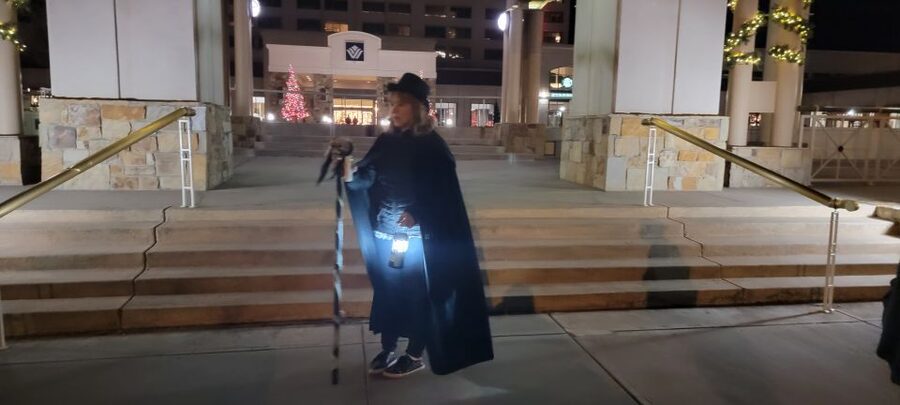
Next up is the Rabbit Hole, a restaurant stop with a darker backstory in the tour’s lore. The story ties the location to the city morgue in the 1900s. That one detail changes how you read the building while you’re standing outside it. A normal night out becomes a different kind of scene in your head—one where the history isn’t abstract, it’s tied to a specific place you can point to.
The tour also leans into the idea of contradictions: cozy, everyday, even modern spaces layered over older uses. That’s where the chills can land, because you’re imagining what happened there before the walls became a restaurant. If you’ve ever walked past a historic site and felt only mild curiosity, this kind of guided framing gives it emotional weight.
From a practical standpoint, this stop is also a good “volume check” for the whole tour. If you’re into stories that connect the paranormal to real civic functions like morgues, you’ll likely be in your element here. If you prefer straightforward ghost encounters with zero history, you may find the balancing act less satisfying—but the tour does keep returning to both sides.
Cheyenne Building and La Burla Bee: Ghost-Lore Stops That Add Texture
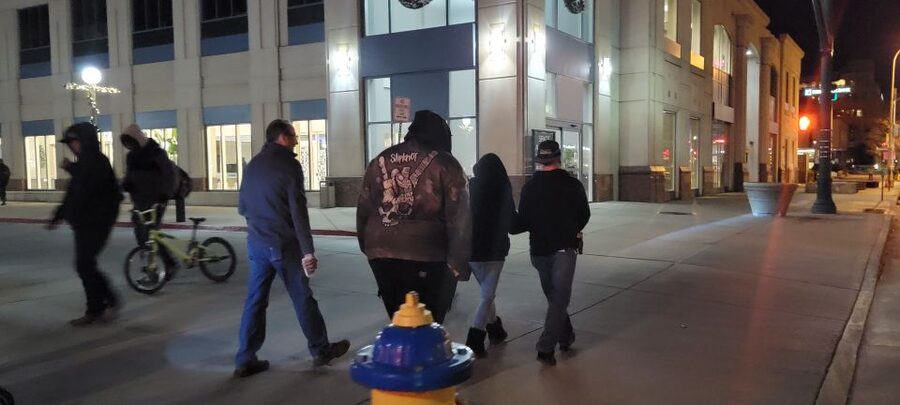
After the Rabbit Hole, the route continues past the Cheyenne Building and then to La Burla Bee, both included as sites tied to paranormal activity in the tour storytelling. You’re not given just one kind of ghost tale. The tour language points to a range of experiences—apparitions, mysterious black mists, and moving objects—so the stops don’t feel copy-paste.
Cheyenne Building offers the chance to think about how offices, schools, or commercial spaces often turn into story magnets once people begin assigning meaning to them. La Burla Bee is described as a place said to house several ghosts, which matters because it gives you a “cluster” feeling. Instead of one entity, it’s more like a location with multiple layers of rumor and memory.
If you’re visiting Colorado Springs for the first time, this phase helps you get oriented quickly. These are the kinds of landmarks that anchor a walking tour. Even if you later explore on your own, you’ll remember the route because the guide connects each spot to a specific theme.
The Spanish Flu of 1918: Underground Pop-Ups and Wandering Spirits
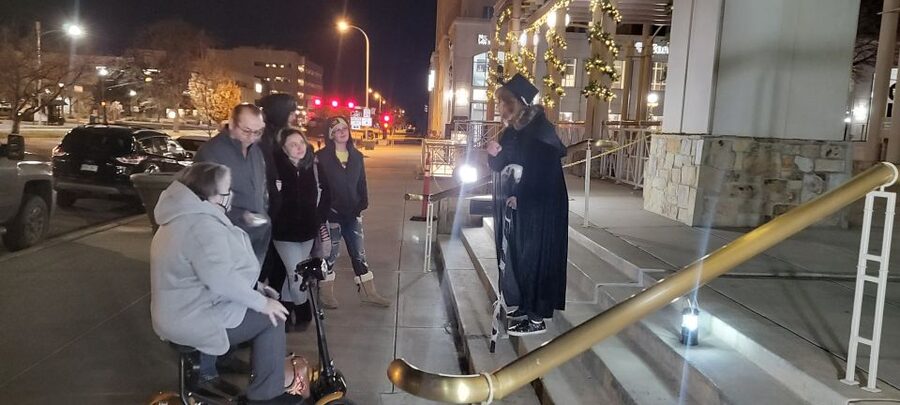
One of the tour’s most compelling historical threads is the Spanish Flu of 1918. The guide brings up pop-up morgues and crematoriums that appeared during the outbreak and claims this left spirits wandering in the underground of the city. That’s heavy material, and it’s also one reason the tour feels different from purely “jump scare” ghost walks.
The value here isn’t just the spooky angle. It’s the connection to how pandemics shape cities. Even if some of the supernatural claims are hard to verify, the story framework explains why people would create legends around specific places used during mass illness. When a city is under stress, ordinary buildings and spaces can take on new roles quickly—and later, those roles become part of local storytelling.
If you’re sensitive to grim topics, it helps to know this tour is willing to go there. The guides stay within the ghost-and-history lane, but the Spanish Flu portion is not light. For many people, that’s exactly what makes it feel real and worth the time.
YWCA Tragedy and the Tunnels to the Old City Auditorium
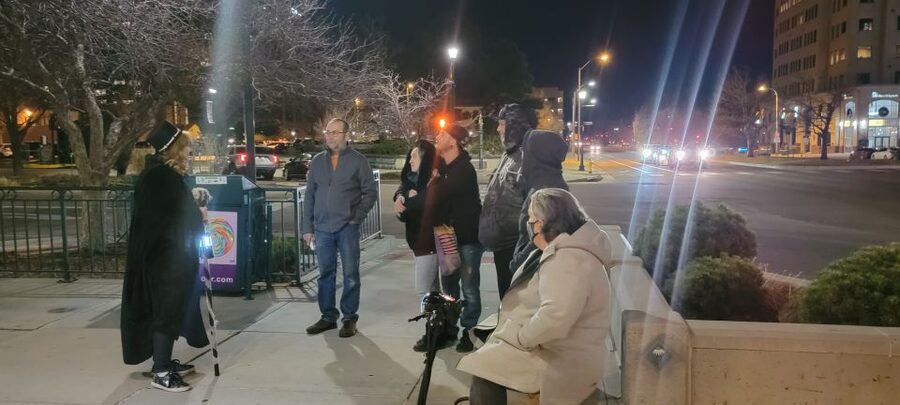
The middle stretch keeps stacking connections between places and events. The tour references the former YWCA and a tragic event inside, then moves toward underground tunnels said to have led to the old City Auditorium.
This part of the walk is where you’ll likely start thinking like the guide. Old tunnels and hidden routes are the kind of detail that make a city feel bigger than it is. You can stand at a modern building and picture pathways beneath it, used when the city’s layout and priorities were different.
There’s also a good balance in how this portion is presented. It’s not only about the horror. It’s also about the city’s infrastructure—how people used space, how institutions functioned, and how emergency needs might have shaped movement under the ground.
If you’re the type who enjoys local storytelling that connects to architecture and layout, this tunnel-and-auditorium segment is a strong reason to book. It turns “I walked past a building” into “I understand why this building sits where it does.”
Railroad Murders and the Dark Thread You Can’t Ignore
The highlights for this tour explicitly call out gruesome murders that took place at the Railroad. Even though the stop list names several buildings, the story thread about the Railroad keeps the night from feeling purely haunted-by-general-urban-myth. It adds a sharper edge: violence that’s tied to a real kind of place—transportation hubs often become the backdrop for both history and rumor.
This is also a moment where you get a sense of pacing. The tour moves through multiple eras and themes, so by the time the Railroad details come up, you’re already primed for the darker tone. The guide uses that momentum to make sure the “worst moments” don’t feel random. You feel the build.
Just keep expectations realistic. This isn’t a courtroom documentary. It’s a guided story built on local claims, some of which may be hard to independently confirm. Still, the night works because the guide provides a city map in story form, not just a list of scary legends.
Colorado Mining Exchange and Peak Theatre: History Comes Back Up to Street Level
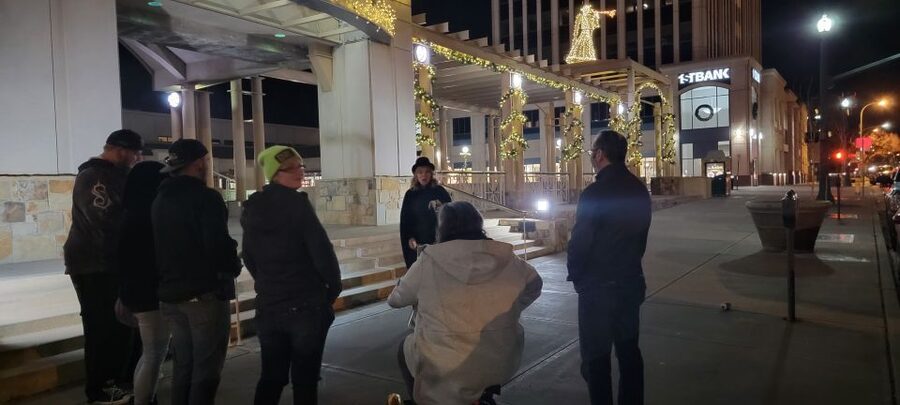
As the tour rounds the corner toward the finish, you hit the Colorado Mining Exchange and then Peak Theatre before returning to the Antlers. This end phase does something important: it shifts the mood from underground claims back into the daylight-facing buildings and civic spaces.
Mining ties the story to Colorado’s larger economic engine. The Mining Exchange stop helps you remember that ghost tales don’t float free; they’re connected to prosperity, boom cycles, and the kind of crowded city energy that historically attracts both opportunity and tragedy. Even if you don’t know much about the mining era, the guide’s framing helps you see why a place like an exchange would matter.
Peak Theatre adds a cultural layer. By the time you reach it, you’ve already heard about hospitals, tunnels, and morgues. A theatre sounds like relief, but the guide uses it to show how entertainment spaces still belong to the same city narrative. Then you wrap back at the Antlers, which gives the night a strong “bookend” feel.
Guide Talent, Humor, and Video Moments You’ll Likely Notice
A big reason this tour earns strong ratings is the people doing the talking. Reviews mention guides like John, and also mention other names such as Tyson or Ty. Whoever you get, the pattern is consistent: you’re not just listening to a script. You’re watching a storyteller manage attention—answering questions, keeping the group moving, and building suspense.
Something else you might notice on this tour is the use of video evidence at landmarks, shown on the guide’s phone. That’s not the same as academic proof, but it does add a modern layer to the old stories. It also helps the guide keep momentum when a stop feels quiet or when someone in the group needs more than just words.
And yes, there’s humor. One review highlights a fun twist, and that fits the overall style: chills without turning into a misery march. If you want a scary story with some social warmth, this is a good match.
Price and Timing: Is $28 Worth 90 Minutes?
At $28 per person for about 90 minutes, this tour is priced like a solid “evening add-on” rather than a big-ticket attraction. The value comes from what you’re getting: a live guide in full regalia, a structured walking route, and a story that blends paranormal claims with specific local landmarks.
The time factor is where you should be ready to flex. Even though the tour is listed at 90 minutes, the night can run past that, especially when group size is larger. The upside is that you’re not rushed through the stops. The downside is simple: plan a little breathing room afterward.
You also don’t need special gadgets. An EMF detector is not included, so you’re not paying extra for equipment you can’t use. If you want to bring your own gear, you can, but the tour’s core appeal doesn’t rely on it—it relies on the storytelling and the setting.
Practical Tips Before You Start Walking
Since this is a walking tour through multiple downtown sites, a few practical choices make the night smoother.
- Wear comfortable shoes for city sidewalks and short transfers between stops.
- Bring a charged phone if you like photos, since the guide may show video clips at certain landmarks.
- If you’re sensitive to tense or dark historical topics, mentally flag the Spanish Flu and tragedy portions so you’re prepared.
Also, note the tour is listed as wheelchair accessible. That’s a big plus for anyone who wants a guided night without giving up mobility. If you need specifics for your chair or mobility aid, it’s smart to confirm with the operator when you book, since the tour involves multiple streets.
Who This Tour Fits Best
This is a good choice if you like your spook stories anchored to real places. It’s also a great fit if you want to learn how Colorado Springs grew into the cityscape you see today, even when the past includes dark events.
You’ll likely enjoy it if you:
- like history that connects directly to buildings and street corners
- want a guided walk with a lively host rather than a quiet audio tour
- enjoy paranormal talk that includes more than one kind of claim (mists, moving objects, apparitions)
You might skip it if you want a purely factual lecture. This tour clearly frames events through ghost-story storytelling. Even when historical events are referenced, the night is built for atmosphere and narrative, not strict verification.
Should You Book This Ghost Story and History Walk?
I’d book it if you’re craving a memorable evening in Colorado Springs that mixes local architecture, municipal history, and a guide who brings energy. The strongest reason is the pairing of specific landmarks—Antlers, Rabbit Hole, Cheyenne Building, La Burla Bee, Colorado Mining Exchange, Peak Theatre—with storylines like Judge Baldwin, Spanish Flu 1918, tunnel legends, and Railroad murders.
Also, the price is friendly for a live guided experience at $28 per person, and you get full regalia storytelling plus English language guidance. Just plan for a little extra time and keep your schedule loose afterward.
If you want a night that’s part history walk and part spooky story session, this one is an easy yes.
FAQ
How long is the Colorado Springs Guided Ghost Story and History Tour?
The tour duration is listed as 90 minutes.
Where do I meet for the tour?
Meet in front of the Antlers, A Wyndham Hotel, at the Palmer arch by the sidewalk.
How much does it cost?
The price is $28 per person.
What’s included in the tour?
It includes an experienced tour guide and storyteller in full regalia.
Is an EMF detector provided?
No. An EMF detector is not included.
Is the tour wheelchair accessible and is it in English?
Yes, the tour is wheelchair accessible, and the live tour guide language is English.