REVIEW · KYOTO
Cycling Tour at Uji’s Matcha Green Tea Fields and Heritage
Book on GetYourGuide →Operated by AWA-RE Inc. · Bookable on GetYourGuide
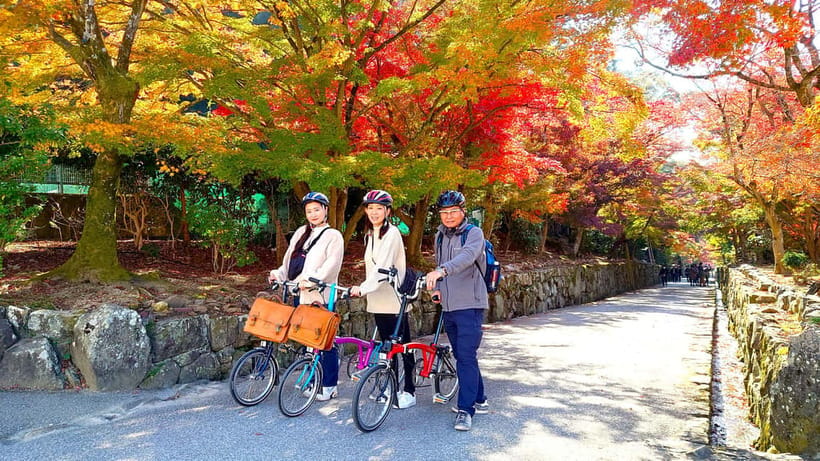
Uji on a BROMPTON bike feels both classy and calm. I like how this tour pairs matcha tastings with medieval-town sightseeing, and I especially like the shift from temple streets to the quiet Uji River route. One drawback to plan around: a few key stops (tea museum, snacks, and Byodoin Phoenix Hall) come with optional entrance or food costs.
You’ll get a relaxed pace that still covers a lot, and the small-group setup (up to 6 people) keeps the day from feeling rushed. I also like having an English guide plus an expert local navigator, with Takashi described as attentive and considerate—useful when you want smooth navigation without stressing over where to go.
The main consideration for value is that the base price includes riding essentials, but not everything you might want to pay for on the spot. You’ll likely decide once you’re there whether you want optional entries (like Byodoin Phoenix Hall) and where to grab the snack stop that best matches your taste.
In This Review
- Key highlights worth your attention
- Why cycling Uji works better than walking
- Price and what you’re really paying for
- Meeting point: start in the right place (and why it matters)
- Chazuna tea experience: optional, but usually worth considering
- Uji Shrine and Ujigami Shrine: calm sacred stops in a small loop
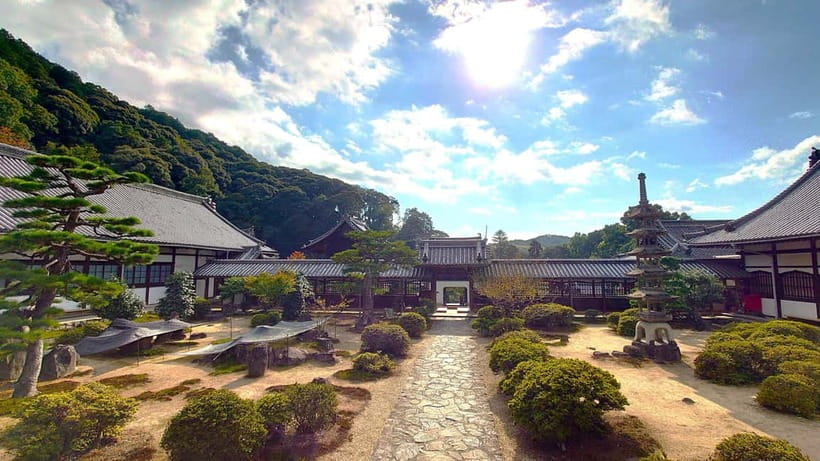
- Kosho-ji Temple: where the day gets grounded
- The Uji River segment: why this is the rider’s highlight
- Tō-no-shima Island: a scenic break without a huge detour
- Byodo-in Temple and the Phoenix Hall decision
- Uji snack time: let your guide steer you
- Matcha specialty shop stops: what to look for (and what to ask)
- Who this tour is best for
- A few smart tips before you ride
- Should you book this Uji bike tour?
- FAQ
- How long is the cycling tour?
- Where is the meeting point?
- What bike type is used?
- What’s included in the price?
- What languages are available?
- Is the group size small?
- Are snacks included?
- Do I need to pay entrance fees for Byodoin Phoenix Hall?
- Is travel insurance available?
Key highlights worth your attention
- BROMPTON bike setup: rental and riding gear are included, so you can show up light
- Quiet Uji River riding: scenic photo moments without the constant crowd energy
- Medieval Uji atmosphere: Uji Shrine, Ujigami Shrine, and Kosho-ji Temple keep the day grounded in place
- Byodoin Phoenix Hall UNESCO stop: optional entry lets you control cost and time
- Matcha-focused breaks: specialty tea shop time, including chances to sample and buy matcha products
- Small group, slow cycling: easier for people who aren’t chasing a workout
Why cycling Uji works better than walking
Uji is one of those places where walking can feel fine for a small loop, but once you add temples, riverside paths, and tea stops, your legs start voting against you. That’s why I like the bike format here. It turns Uji from a “see highlights at speed” day into a slower, steadier rhythm.
This tour is built around leisure cycling, and that matters. You’re not being asked to train like it’s a race. You’re getting a guided route that keeps you moving at a comfortable pace, with the option to go at the speed your group can handle. That’s a good match for mixed travel styles: temple lovers, casual photographers, and people who mostly want to relax while still seeing more than one neighborhood.
There’s another smart choice in the plan: pairing an English guide with a local navigator who knows the streets. Japan navigation can be easy when you’re following a simple main-road plan. It gets harder the moment you want quieter lanes, side paths, and low-key scenic areas. Here, the route is designed so you don’t have to play “where is the next turn?” all day.
You can also read our reviews of more tours and experiences in Kyoto.
Price and what you’re really paying for
At $160 per person for about 270 minutes (4.5 hours), this isn’t the cheapest thing you can do in the Kyoto-area orbit. But it does pack in value that’s easy to miss if you only compare the headline price.
You’re paying for:
- a BROMPTON bicycle rental
- helmets and transport bags for the bike
- an exclusive navigator fee
- an English guide
- a route that combines several stops with low-stress cycling
What’s not included (and you’ll likely budget for):
- optional insurance (500 yen)
- snacks during the refreshment window
- optional entrance fees for the tea facility (Chazuna) (600 yen) and Byodoin Phoenix Hall (700 yen)
So the math works like this: if you’re the type who usually wants the big landmark interior entry (Phoenix Hall), plus a tea-museum peek and a snack stop, the total spend rises. If you’re happy with exterior temple views and focus on the riding + tea experiences, you can keep costs closer to the base price. This is one of those tours where your “value” depends on how much you want to step inside.
Meeting point: start in the right place (and why it matters)
You meet at the Tea Jar post just outside JR Uji Station. That’s good for two reasons. First, it reduces your “getting lost before you start” risk. Second, it puts you near the main transit node so you can arrive without a long pre-trip taxi or bus hunt.
If you’re the sort who likes a clean start, arrive a bit early. With bike tours, there’s always a bit of time needed for gearing up and getting the hang of how the bike works in your hands. The tour provides the bike equipment, so it’s mostly about comfort and quick instructions.
Chazuna tea experience: optional, but usually worth considering
Your ride starts with a short section at Chazuna (about 30 minutes). This is the tour’s tea-forward opening, and it sets the tone for the rest of the day: you’re not only visiting historic Uji sites—you’re also getting oriented in what makes Uji special.
There’s an optional entrance fee here (600 yen) for the Uji Town Exchange Centre Chazuna. If you like your sightseeing to include context—how matcha is made, why Uji became famous for it—this stop is a sensible add-on. If you’d rather spend your energy on temples and the riverside route, you can treat it as a quick tea-oriented introduction and move on.
Either way, the tour’s structure keeps you from feeling like you’re doing a “tea lecture.” It’s part of a day that still includes multiple shrines and temple grounds.
Uji Shrine and Ujigami Shrine: calm sacred stops in a small loop
After the tea introduction, the tour heads to Uji Shrine (around 20 minutes) and then Ujigami Shrine (another 20 minutes). These are shorter segments, so you’re not meant to linger for hours. Instead, they work like anchors—small, focused stops where you get a sense of the spiritual layout of the area without draining your energy before the scenic riding.
What I like about including two shrines close together is pacing. You’re not bouncing between distant locations. You’re building continuity: one sacred site to the next, with cycling keeping you comfortably in motion.
Practical note: these are shrine environments, so dress respectfully. Light layers help if the weather shifts between shaded lanes and open river paths.
You can also read our reviews of more historical tours in Kyoto
Kosho-ji Temple: where the day gets grounded
Next up is Uji Kosho-ji Temple (about 20 minutes). This stop adds more depth to the “heritage Uji” story. Even when the timing is short, a temple visit changes how you experience a place—suddenly you’re not just moving through streets, you’re reading the area’s identity through architecture and grounds.
In a bike tour, a temple stop is also a good checkpoint. You can slow down, take photos, and reset your body after a stretch of steady riding. It’s a small rhythm change that makes the longer scenic part ahead feel easier.
If you prefer fewer interior details and more exterior viewing, this portion is likely to fit your style. If you like exploring quietly, you’ll still have time, just not the kind of time where you’d feel like you’re spending an entire afternoon here.
The Uji River segment: why this is the rider’s highlight
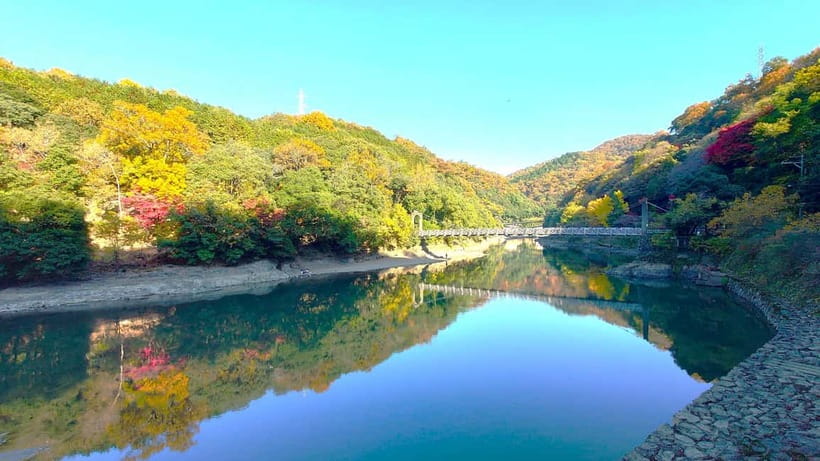
Then comes the reason many people remember this tour: a quiet course along the Uji River (around 30 minutes). This stretch is where the day stops being “tourist route” and becomes something more local-feeling. You get calm scenery and easier photo opportunities because the route is designed away from the highest-traffic feel.
This is also where the Brompton bike format shines. Folding bikes can feel gimmicky in the wrong hands, but here they’re integrated smoothly: steady, manageable, and comfortable enough to let you enjoy the view instead of fighting the ride.
If you care about photos, timing matters. The river route tends to give you open sightlines and natural framing, which helps even if you’re not chasing sunrise or golden-hour lighting. If you’re traveling with someone who likes landscapes and calm, this is the segment that often wins everyone over.
Tō-no-shima Island: a scenic break without a huge detour
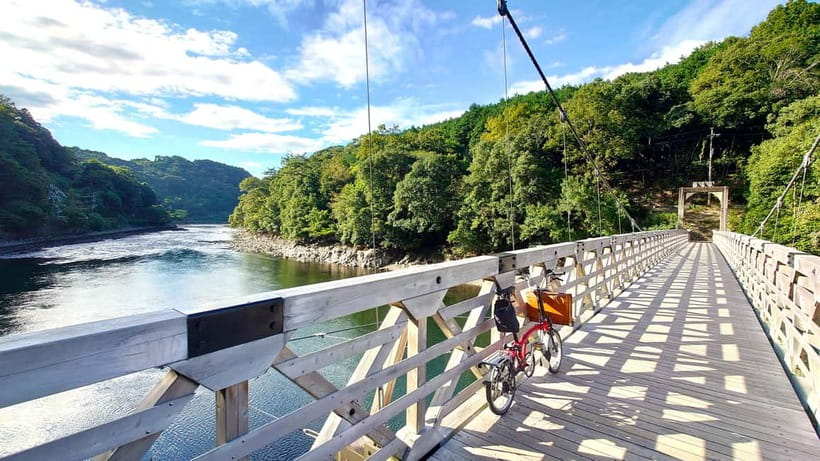
Next you ride to Tō-no-shima Island (about 30 minutes). This is a nice middle stop. It keeps the day feeling like a loop of scenery rather than a checklist of sites.
Even if you don’t spend a ton of time on the island itself, the value is in the ride there and the chance to take in the river-area atmosphere. It’s the kind of pause that makes the whole day feel like more than “temples, then tea.”
Byodo-in Temple and the Phoenix Hall decision
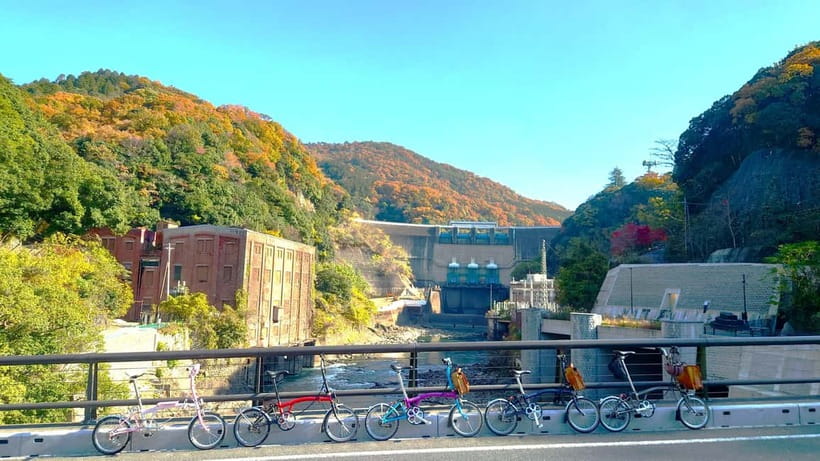
The biggest heritage moment comes at Byodo-in Temple (about 1 hour). This is where Byodoin Phoenix Hall earns its UNESCO World Heritage status. The tour’s timing gives you enough room to appreciate the site without it turning into a rushed sprint.
Here’s the key planning detail: Byodoin Phoenix Hall entrance fees are optional (700 yen). That means you can choose how you want to experience it:
- If you want the full landmark experience and don’t mind the extra cost, add the Phoenix Hall entry.
- If you mainly want the exterior views and a heritage “checkpoint,” you might opt out and spend the time cycling and enjoying the surroundings.
This is one of those rare situations where your preferences can directly manage the total price. I like that flexibility in a tour that already includes transportation, guide time, and a structured route.
Uji snack time: let your guide steer you
You finish with local snacks (about 30 minutes), though snacks themselves are not included. The navigator will suggest restaurants based on your wishes, which is helpful because snack preferences are personal. Some people want something light; others want something warm and filling.
Since this stop is built into the final stretch, it also helps you avoid the trap of eating too early and feeling heavy right before the last heritage segment. This is a sensible way to end: you’re not ending on an empty stomach, and you’re not forcing a meal on a fixed schedule.
If matcha is your theme, you’ll probably see matcha drinks and tea sweets around this area. The tour is tea-oriented enough that you’ll likely find a drink or treat that fits your day—even if you’re not buying souvenirs.
Matcha specialty shop stops: what to look for (and what to ask)
The tour includes time for local delicacies at a specialty matcha green tea store. This is where Uji’s reputation becomes practical.
From the vibe of the day, I’d focus on two things when you’re there:
- Taste first, then decide what you want to take home (matcha products can be bought after you know what you actually like).
- Ask about differences in matcha quality or how the shop recommends using what you buy (if a staff member or guide explains it, that context is what makes the shopping feel less random).
You’ll likely find people ordering matcha drinks and learning the basics of why Uji matcha works the way it does. Even if you’re not a tea expert, this is the kind of stop that turns “tea tourism” into a more meaningful souvenir purchase.
Who this tour is best for
This tour is a strong fit if you:
- want a calm, scenic day rather than a nonstop sprint
- like combining heritage sights with food (especially matcha)
- prefer not to stress about navigation
- enjoy photography, especially along river routes
- want a group size small enough that the guide can respond to your pace
It’s also a good choice for people who are curious about Uji but don’t want to piece together a complicated day on their own. The day’s structure does the heavy lifting: biking between shrines and temples, then finishing with snack time and tea shopping.
A few smart tips before you ride
You’ll have helmets and bike transport bags provided, so you don’t need to pack the gear. Still, a few practical prep moves help:
- Wear comfortable shoes. You’ll likely walk a bit at shrines and temple grounds.
- Dress in layers. River areas can feel cooler even when the rest of the day is warm.
- Bring basic sun protection. The tour is leisurely, but you may still spend time outdoors along the river.
- If you’re on the fence about Phoenix Hall or Chazuna entry, decide after you see how your timing feels. The tour design makes those decisions easy to manage.
Should you book this Uji bike tour?
If you want one day in Uji that feels relaxed, scenic, and culturally focused, I’d lean yes. The combination of matcha time, multiple historic shrines/temples, and a quiet Uji River cycling route is exactly the sort of mix that a car or walking-only plan struggles to deliver.
Book it if you:
- like guided structure but still want quiet moments
- want a low-stress cycling day on a stylish bike
- care about the UNESCO Phoenix Hall area but like having optional entry control
Skip it if you’re chasing a super long, high-intensity bike workout or you only care about one single major attraction. This tour is about balance—riding + tea + heritage in a smooth half-day flow.
FAQ
How long is the cycling tour?
The tour lasts about 270 minutes (around 4.5 hours).
Where is the meeting point?
You meet in front of the Tea Jar post just outside JR Uji Station.
What bike type is used?
The tour uses a BROMPTON bicycle, and bicycle rental is included.
What’s included in the price?
The price includes the bicycle rental fee, an exclusive navigator fee, bicycle equipment such as helmets and bike transport bags, and an English guide.
What languages are available?
The tour is offered in Japanese and English, with an English guide included.
Is the group size small?
Yes. It’s limited to 6 participants.
Are snacks included?
Snacks are not included, but the navigator can suggest places for refreshments during the snack stop.
Do I need to pay entrance fees for Byodoin Phoenix Hall?
Entrance fees for Byodoin Phoenix Hall are optional and cost 700 yen.
Is travel insurance available?
Yes, there is an option to add insurance for 500 yen.