REVIEW · ATHENS
Acropolis, Plaka & Ancient Agora Guided Tour
Book on GetYourGuide →Operated by ATHENS WALKING TOURS · Bookable on GetYourGuide
Two Athens icons in one clean 3.5 hours. I like the south-slope approach that helps you start the Acropolis without as much chaos, and I like that the tour pairs the Acropolis with the Ancient Agora and Attalos Museum, not just a quick pass. The trade-off is real: you’ll do a fair amount of walking on steps and inclines, and the schedule skips a leisurely lunch.
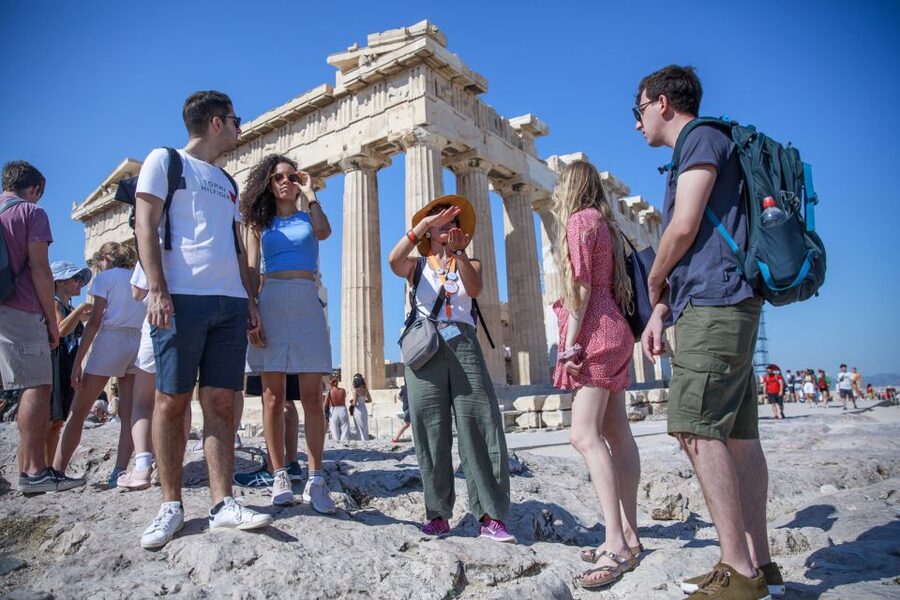
What makes this combo worth your time is how the guide connects stones to stories. In past groups, guides such as Vasaliki, Tina, and Sissy have led with clear explanations, stayed patient with questions, and even found shaded spots when the heat kicked in. You also get a bit of breathing room at the Acropolis at the end for photos.
Timing is tight in a good way, but you should plan for it. You start at the Acropolis around 11am, then transition to the Agora around 1pm, with snack stops since food and beverages are not included.
South-slope entry helps you begin the Acropolis route with fewer crowds.
Acropolis monuments plus Agora landmarks means you see both myth and daily city life.
Dionysus Sanctuary and Theater adds the cultural side of Athens, not just the big temples.
Attalos Museum is included, with practical objects like measures and weights.
Skip-the-ticket line still comes with possible security waits, so you’re not guaranteed zero delay.
Licensed English guide keeps the ruins from turning into a blur of columns.
In This Review
- A smart route up the Acropolis from the south slope
- Monuments you’ll actually be able to name (and place)
- Dionysus Sanctuary and Theater: the Athens behind the columns
- From Acropolis to Ancient Agora: political Athens, not postcard Athens
- Hephaestus Temple, church of the 12 Apostles, and Attalos Museum
- Skip-the-ticket line and security waits: how to plan your day
- Is $66 good value for Acropolis plus Agora?
- Should you book this Acropolis and Ancient Agora guided tour?
- FAQ
- How long is the Acropolis, Plaka & Ancient Agora guided tour?
- Where is the meeting point?
- What time does the tour start at the Acropolis?
- When does the tour reach the Ancient Agora?
- Are entrance fees included in the price?
- Is skip-the-ticket line included?
- How much waiting should I expect at security?
- What should I bring?
- Is food or a full lunch included?
- Is the tour suitable for wheelchair users?
- What’s the tour language?
A smart route up the Acropolis from the south slope
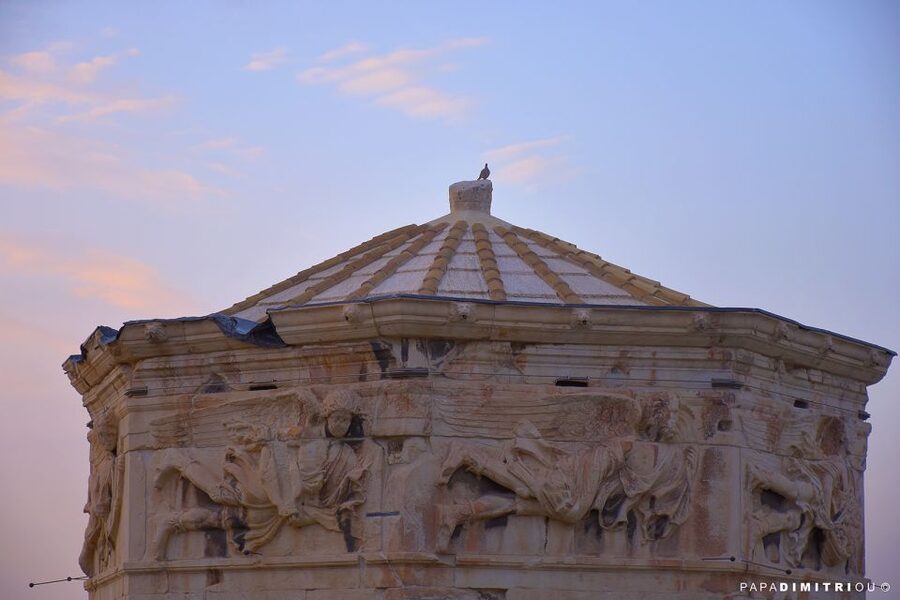
The big win here is how the day starts. You enter the Acropolis from the south slope, which is a smart way to lessen crowd pressure and still make your way up toward the highlights. Instead of just grinding your way toward the Parthenon photo spot, the route begins with places that set the scene for what Athens was doing culturally and spiritually.
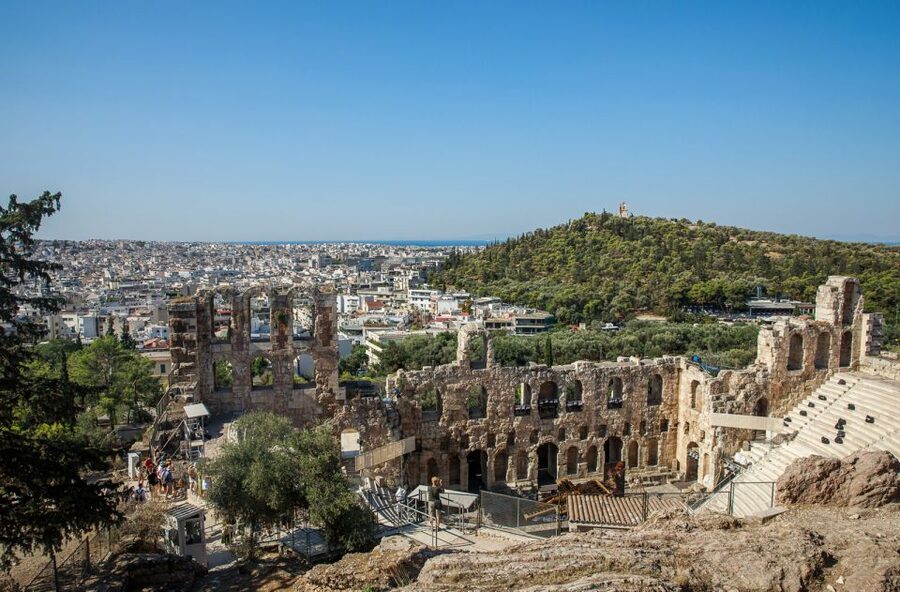
Early on, you’ll visit the Dionysus Sanctuary and Dionysus Theater, both tied to the 5th century BC. That matters because it reframes the Acropolis from a one-monument visit into a whole living complex where religion, performance, and civic pride mixed. If you’ve ever felt Greek ruins are too fragmentary to understand, this kind of guided framing helps you “read” the site.
You’ll also get that classic Athens reveal as you ascend—views open up over the city below. It’s not just scenery. It gives you scale, and scale makes the architecture make sense. The Acropolis is high, steep, and layered; seeing how it sits above Athens turns it from a backdrop into a dominant part of the city’s identity.
One practical note: the tour is designed for walking. Reviews have mentioned the route works even for older travelers with knee issues, but you should still take the steps and inclines seriously. If mobility is tight for you, this is not the day to bet on improvising.
Monuments you’ll actually be able to name (and place)
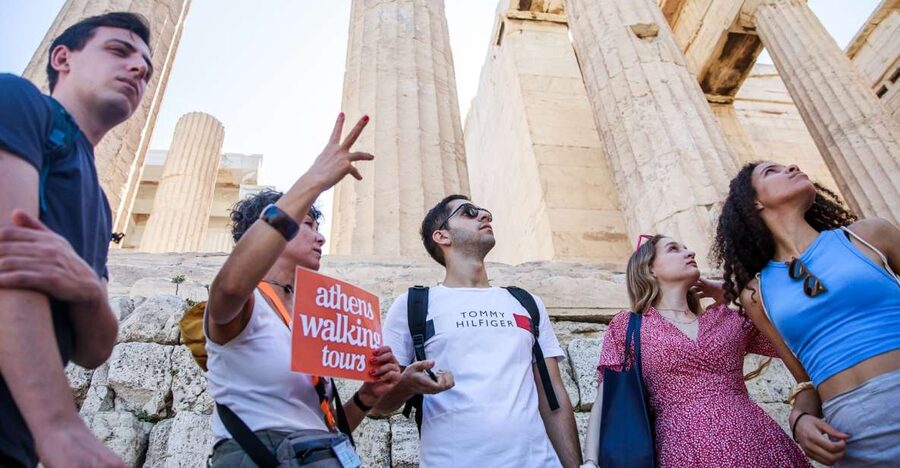
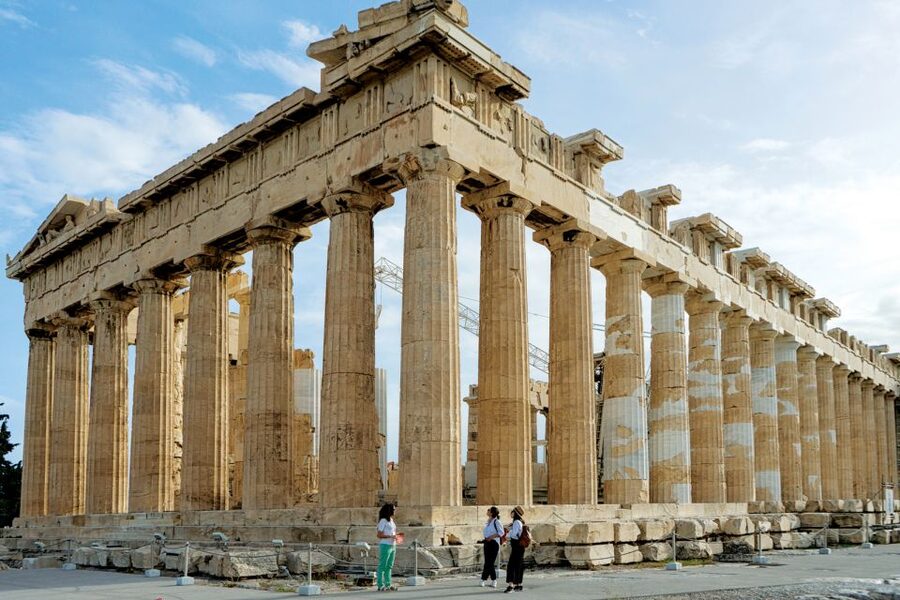
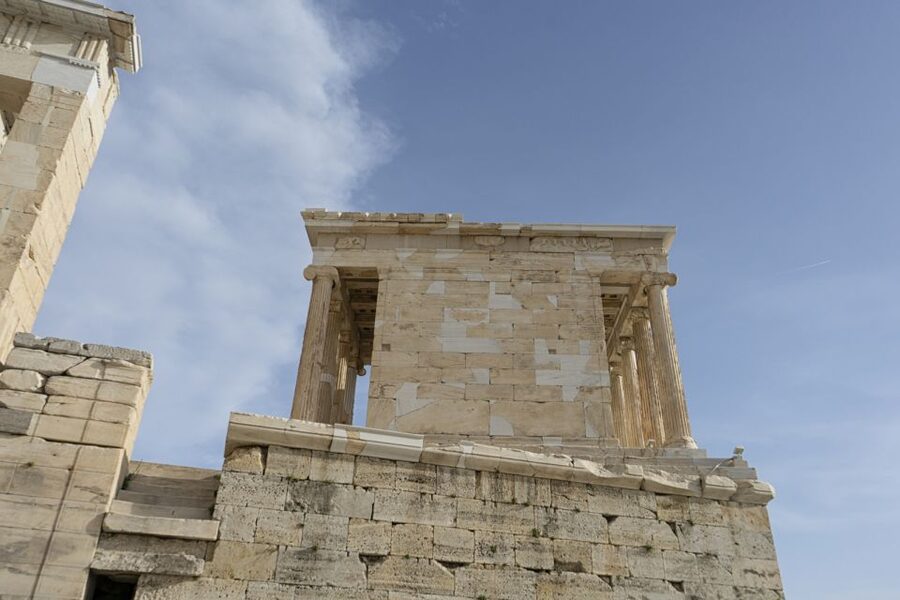
Once you’re on the sacred hill, your guide walks you through the Acropolis monuments that most first-timers recognize—and then helps you understand how they connect. You’ll see the Parthenon, the Erechtheion, the Propylaia, and the Temple of Athena Nike. There’s also attention to the Agrippa Monument and surrounding structures.
Here’s what I think is the real value: the guide doesn’t just list names. You’re given context so you can look at the remains and understand what you’re seeing—where people entered, what roles the buildings played, and why certain locations mattered.
You’ll also notice the broader sweep of the hill, with stops and explanations around sites such as the Odeon of Herodes Atticus, the Observatory, and viewpoints tied to Philopappos, Mars Hill, and Pnyx Hill. Even if you don’t walk to every single point, the way the guide maps these places to what’s around you makes the area feel less like random ruins and more like a plan.
And don’t skip the end-of-tour time. After the guided portion, you get free time at the Acropolis for exploring and picture taking. That’s not just for photos—it’s your chance to re-check what clicked during the talk and compare it to what you saw up close.
You can also read our reviews of more guided tours in Athens

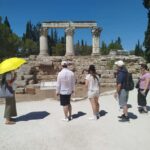
Dionysus Sanctuary and Theater: the Athens behind the columns
Most Acropolis tours lean hard on the Parthenon and call it a day. This one includes the Dionysus Sanctuary and Dionysus Theater, built in the 5th century BC. That addition is more than a bonus stop. It’s the difference between seeing stones and understanding why Athens was famous in the first place.
Dionysus is tied to theater and performance, so when you stand where the Dionysian celebrations would have taken place, you’re seeing a different kind of power. The Acropolis wasn’t only about official temple worship; it also held a cultural engine that shaped ideas through drama and storytelling.
You’ll get explanations from your licensed guide as you move through this area, and the timing helps here too. Starting with Dionysus gives you a frame early, which makes later monuments easier to interpret because you know what kind of civic energy you’re looking at.
From Acropolis to Ancient Agora: political Athens, not postcard Athens
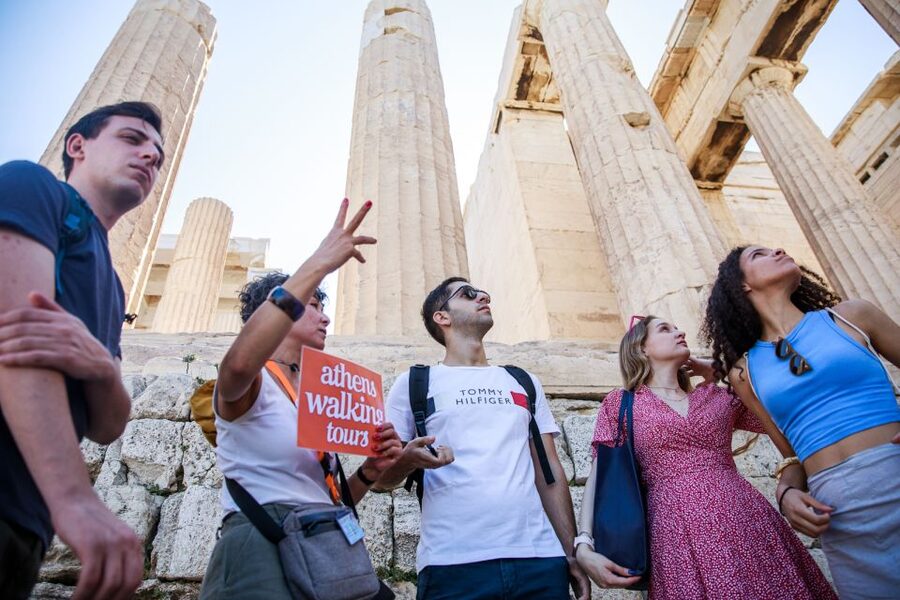
After the Acropolis, you’re given time for a quick snack or drink. The schedule specifically notes that there’s no leisurely lunch included, but you can grab something from a canteen before you move on. I like this setup because it keeps you moving while still covering the practical reality that you’ll need energy.
Then comes the transition to the Ancient Agora, which was the commercial, political, and financial center of Ancient Athens. The Agora feels different from the Acropolis. Instead of towering sacred architecture, you’re in the place where people argued, traded, voted, and taught—where the city ran.
You walk through major remains that help you picture everyday life. The effect is powerful: you’re not just “visiting history,” you’re stepping into the infrastructure of how Athens functioned. It helps if you mentally switch gears here. The Acropolis is about height and symbolism. The Agora is about the street-level engine of democracy, commerce, and community.
Your guide also ties the Agora to philosophers who walked and taught there—names like Socrates and Plato come into the story. Even if you know those names already, the context makes them feel less like textbook labels and more like real people in real public spaces.
Hephaestus Temple, church of the 12 Apostles, and Attalos Museum
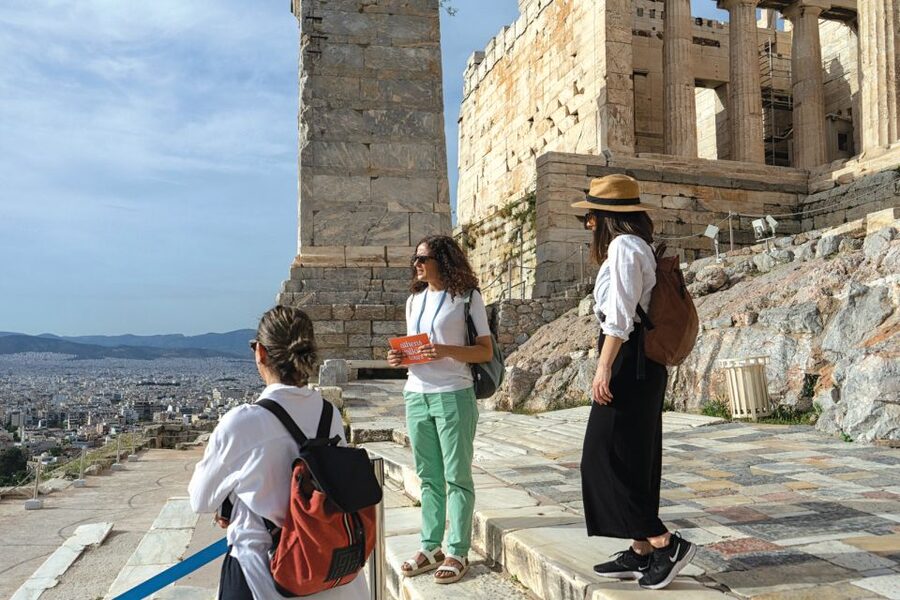
The Agora portion has several stops that anchor the site. You’ll visit the Hephaestus Temple, often praised for being one of the best-preserved Greek temples from the 5th century BC. When a temple is well preserved, the guide can point out details more clearly, and you can actually see how the building would have looked and functioned.
You’ll also see the church of the 12 Apostles. That matters because Athens didn’t stop in ancient times. The Agora layering—ancient structures and later religious buildings—shows how places keep getting reused, rebuilt, and reinterpreted.
Other key landmarks you’ll encounter include the Temple of Apollo Patroos, the Stoa of Zeus, and the Altar of Zeus. If you like structure, the Stoa areas are a good place to orient your brain: they suggest what space was for, where crowds would gather, and how people moved between civic functions.
And then there’s the Attalos Museum, which is included and worth the stop. The museum holds artifacts of high historical value, including measures and weights used by market inspectors and IDs linked to ancient Greeks. Objects like these are the kind of evidence that makes the Agora feel concrete. It’s not just an outdoor map of ruins; it’s a place where you can connect what you’re seeing outside to items that show how people measured goods and managed commerce.
Skip-the-ticket line and security waits: how to plan your day
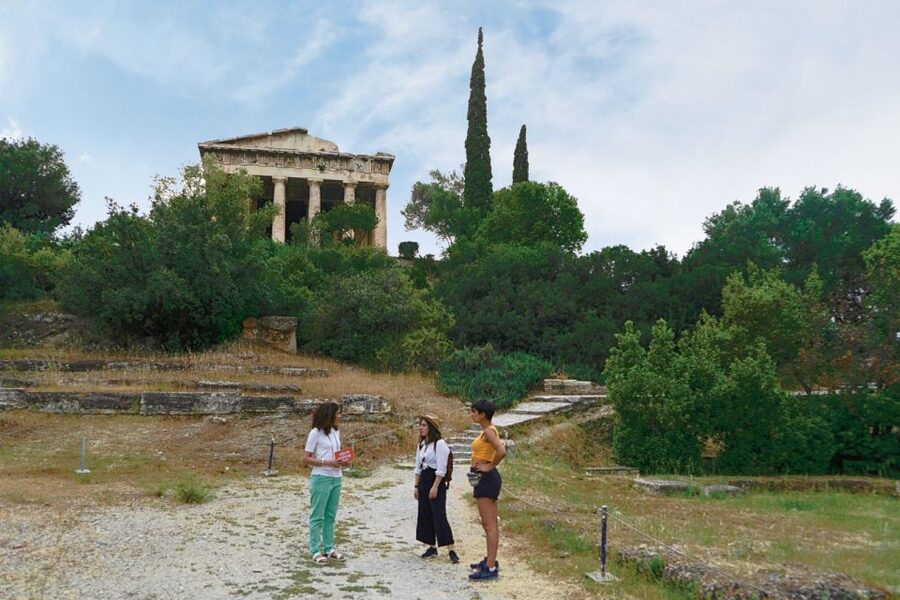
The tour includes skip-the-ticket line service (when you select the option that includes tickets). Still, there can be waiting time for security checks because visitor volume changes unpredictably.
The typical waiting window is described as 0 to 10 or 30 minutes, and on peak times it might run longer. If you’ve ever arrived confident and then got stuck in security, you know the feeling. This is your heads-up so you don’t build an unrealistic timing plan.
Also, Acropolis entry times are strict. The tour starts with the Acropolis at approximately 11am, and you need a valid entrance ticket for the date and time you selected. If you don’t have the correct ticket entry time, you can’t join. Late arrivals also aren’t something the operator can accommodate because entry windows close.
Practical tip: show up early at the meeting point. You’re asked to arrive 20 minutes before departure at 3, Dionyssiou Areopagitou Street, looking for an orange sign with Athens Walking Tours at the start of the pedestrian walkway that leads to the Acropolis from Hadrian’s Arch via Syngrou Avenue.
Finally, this is rain or shine. Athens weather can be fast, so keep a compact rain plan in your day bag.



Is $66 good value for Acropolis plus Agora?
At $66 per person for about 3.5 hours, this is priced like a guided “high-impact” Athens tour. The big value isn’t only the duration—it’s the combination. You’re getting an organized route through the Acropolis with a licensed guide and then continuing into the Ancient Agora with major temple remains and the Attalos Museum stop.
Whether you feel like it’s good value depends on one thing: entrance fees. The tour price does not automatically include admission unless you pick the option that includes tickets. The tour includes the guide, an Athens guide magazine, a map, and (when selected) skip-the-ticket line service, but you still need to budget for entrances separately if you choose the without-ticket option.
To me, this tour makes sense if you want two things at once:
- You want the Acropolis explained clearly, including less-famous areas like Dionysus.
- You want the Agora covered with enough structure to understand how Athens worked beyond the big temples.
If you’re a total “DIY and Google maps” type, you might save money by going on your own. But if you want your time to feel efficient and your photos to come with meaning, paying for a licensed guide is the easiest shortcut.
This isn’t the best fit for wheelchair users or people with mobility impairments, and the tour doesn’t allow baby strollers or large bags. Also, food isn’t included, so plan on snack purchases at the site since the schedule doesn’t allow a leisurely lunch.
Should you book this Acropolis and Ancient Agora guided tour?
Book it if you want a guided Athens day that connects the Acropolis to the Agora—myth and civic life, side by side. It’s especially worth it if you care about getting names, functions, and context straight, because the guide’s job here is to make the ruins readable.
Skip it if you don’t want lots of walking on steps and inclines, or if you know you’ll struggle with strict entry timing. If you’re comfortable doing the legwork and you want the “two big sites, one coherent story” approach, this is a strong pick.
FAQ
How long is the Acropolis, Plaka & Ancient Agora guided tour?
The tour lasts about 3.5 hours.
Where is the meeting point?
Meet at 3, Dionyssiou Areopagitou Street. Look for the orange sign for Athens Walking Tours at the start of the pedestrian walkway leading to the Acropolis from Hadrian’s Arch.
What time does the tour start at the Acropolis?
The Acropolis portion starts at approximately 11am.
When does the tour reach the Ancient Agora?
The Ancient Agora portion starts at approximately 1pm (13:00).
Are entrance fees included in the price?
It depends on the option you select. If you choose the with ticket option, everything is included. If you choose without ticket, you must purchase your admission tickets yourself in advance.
Is skip-the-ticket line included?
Skip-the-ticket line access is included if you select the appropriate option. Even then, you may still wait for security checks.
How much waiting should I expect at security?
Waiting time can vary. The typical range is described as 0 to 10 or 30 minutes, and on rare occasions it can be longer.
What should I bring?
Bring your passport or ID card. If you’re eligible for student entry, bring your student card. Cash is also listed as useful.
Is food or a full lunch included?
No. Food and beverages are not included, and the schedule does not include time for a leisurely lunch. You can grab snacks or drinks from a canteen.
Is the tour suitable for wheelchair users?
No. The tour is not suitable for wheelchair users or people with mobility impairments.
What’s the tour language?
The live tour guide speaks English.