REVIEW · KYOTO
Kyoto/Osaka: Kyoto and Nara World Heritage Day Tour
Book on GetYourGuide →Operated by TAIHOU CO,LTD · Bookable on GetYourGuide
Kyoto and Nara can overwhelm you fast. This 10-hour World Heritage day tour keeps you moving with a clear plan. I especially like the stop at Kiyomizu-dera for those hillside temple views, and the walk through Fushimi Inari with its red torii gates climbing uphill.
I also like that you get a mix of guided moments and time to wander on your own through Kyoto’s old-street vibe. If you want extra style points, you can add a self-paid kimono rental near Kiyomizu-dera and return it later near Fushimi Inari. One drawback to keep in mind: like any shared day trip, timing can feel tight if traffic or weather forces the schedule to tighten up.
In This Review
- Key highlights at a glance
- Kicking off in Kyoto: meeting point and how the day moves
- Kiyomizu-dera hillside views and the classic Kyoto stair-street feel
- Fushimi Inari Taisha: walking the torii tunnel and making your own ema
- Kyoto streets on your own: Ninenzaka, Sannenzaka, Hanamikoji, and Yasaka
- Nara Park deer time: how to act around the free-roaming locals
- Todaiji’s scale: a quick stop that still leaves an impression
- Bus time, shared groups, and what $61 really buys you
- Kimono rental near Kiyomizu-dera: a fun add-on if you plan for walking
- Who this tour is best for (and who should skip it)
- Should you book this Kyoto and Nara World Heritage day tour?
- FAQ
- Where are the starting and ending points?
- How long is the tour?
- What languages does the guide speak?
- Is lunch included in the price?
- Is kimono rental included?
- What should I bring?
- Is this tour suitable for wheelchair users?
Key highlights at a glance
- Kiyomizu-dera + old streets: temple photo stops plus time to walk Sannenzaka and Ninenzaka.
- Fushimi Inari torii tunnel: a guided visit through the famous red gates, plus an ema option.
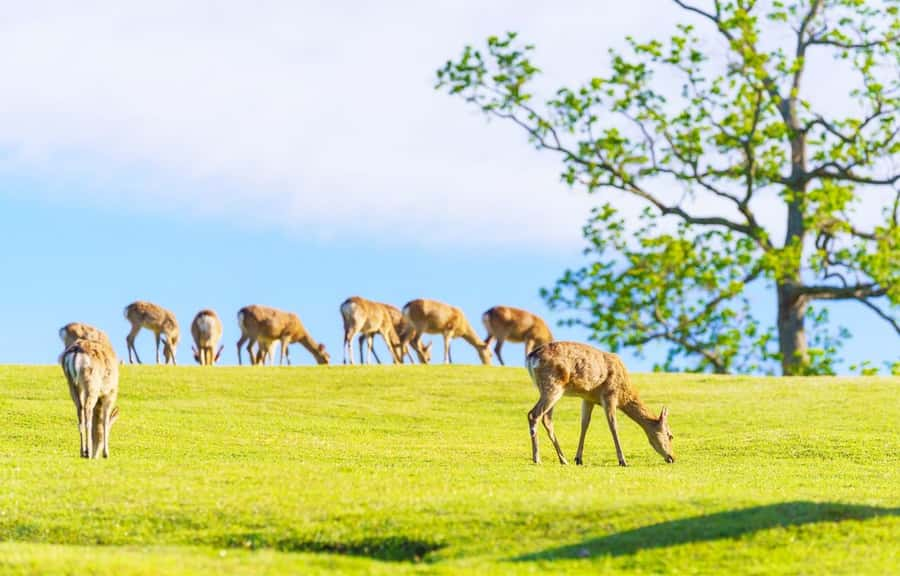
- Nara Park deer encounters: free-roaming, sacred deer with deer crackers on-site.
- Todaiji on the way: a photo stop near Japan’s largest wooden building and huge bronze Buddha.
- Kimono rental, self-paid: a simple way to get Kyoto’s look without planning it yourself.
- Multilingual guidance: English, Traditional Chinese, and Japanese, with group explanations built in.
Kicking off in Kyoto: meeting point and how the day moves
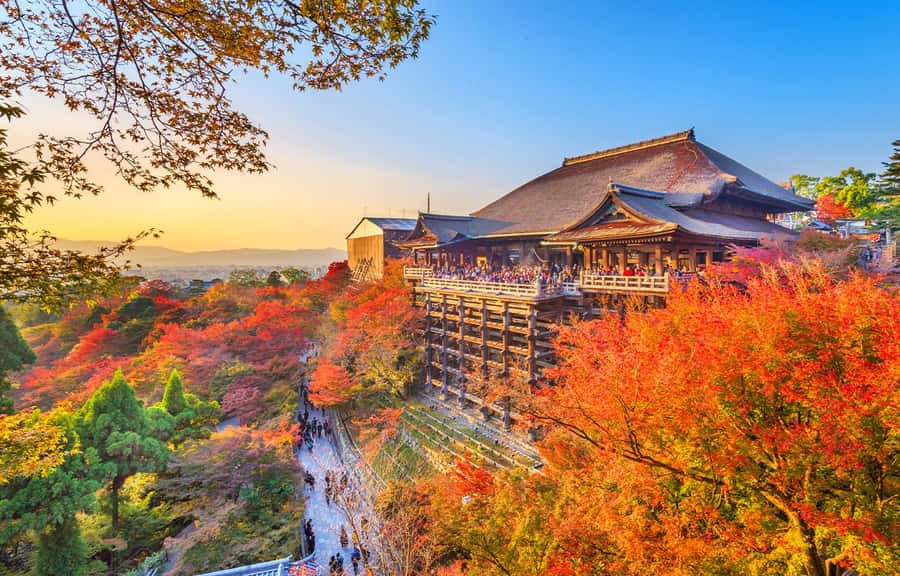
This tour is designed as a smooth “big sights” loop in one day. You’ll start from one of two Kyoto-side meeting options, then ride by air-conditioned bus. The day is long enough to cover multiple areas, so the schedule is built around travel time, not lingering.
Start options are listed as:
- Kyoto Station (Hachijoguchi), 1-chōme-3-6 Nipponbashi
Important detail: the tour can have meeting points in Osaka and Kyoto, but the drop-off is only at Osaka. So think of the day as “Kyoto sightseeing, end in Osaka,” not round-trip with flexible stops along the way.
The tour is a shared group, so you’ll be walking with people from multiple countries. That’s usually a plus for first-timers because the guide keeps everyone on track. It also means you should expect a bit of crowd energy at popular places, especially in peak seasons.
You can also read our reviews of more historical tours in Kyoto
Kiyomizu-dera hillside views and the classic Kyoto stair-street feel
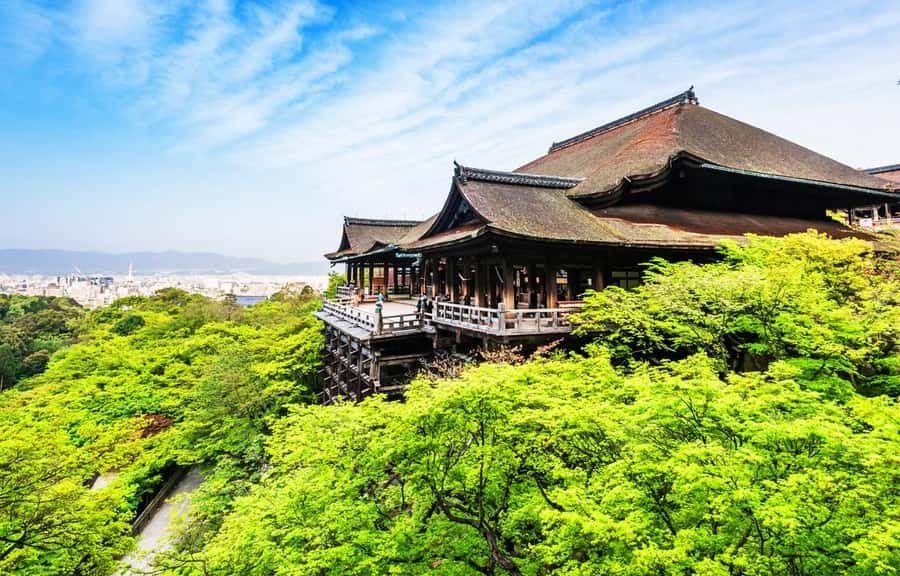
Kiyomizu-dera is where Kyoto grabs you by the shoulders. You’ll get a photo stop and time for sightseeing around the temple area, with enough room to take in the wooden halls and the hillside scenery. The big win here is timing and vantage: even if you don’t consider yourself a “temple person,” this place is visually strong in almost every season.
Right after (or around the same area) you’ll be in the Kiyomizu-dera neighborhood where Kyoto looks like a storybook. The plan includes walking through:
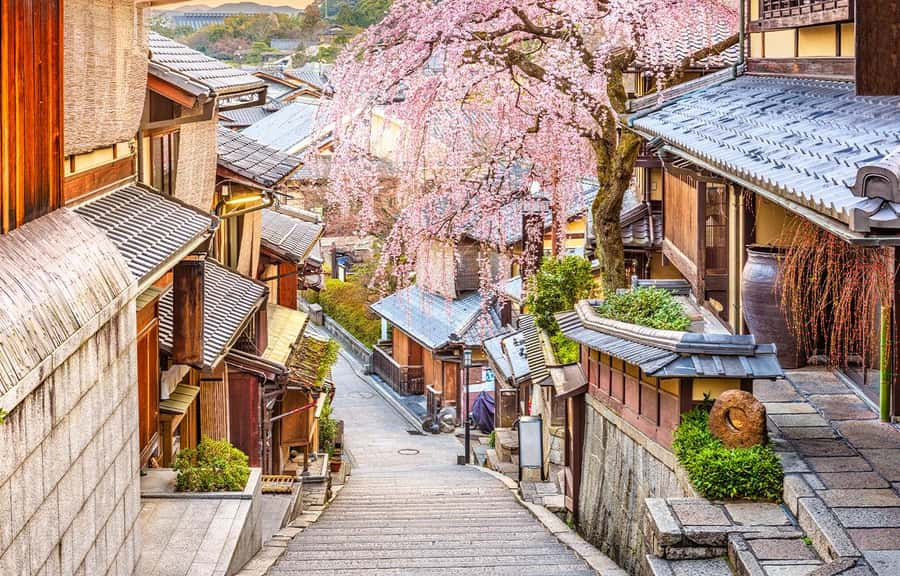
- Ninenzaka and Sannenzaka for photo stops and sightseeing
- Ishibei-koji Alley
- Hanamikoji Street
- Yasaka Shrine for a photo stop plus visit and sightseeing
What I like about this sequence is that it doesn’t just park you at one landmark. You also get that layered Kyoto feeling: temple grounds, historic streets, then a shrine in the mix. It’s the kind of “Kyoto texture” that’s hard to build if you’re trying to plan everything yourself in one day.
One practical note: the distance from the parking lot to the attractions is relatively long. Wear shoes that don’t hate long walking. You’ll also want breathable clothing, because even when it’s not hot-hot, temple neighborhoods can still feel warmer than you expect.
Fushimi Inari Taisha: walking the torii tunnel and making your own ema

Then comes Fushimi Inari Taisha, and yes, it’s photogenic. This is the shrine famous for its red torii gates stretching up a sacred mountain path. Your time includes a guided visit (about 70 minutes) plus photo stops and sightseeing.
Here’s what makes this stop feel special beyond the photos: the route is naturally immersive because you’re walking through a long line of gates, not just standing in front of one. You get that gentle sense of moving deeper into the place.
A specific “do it while you’re there” option is the fox-shaped ema (prayer plaque). You can decorate one with your own expression, then leave it there. It’s a small action, but it gives the experience a personal stamp rather than just a souvenir photo.
Tip for your camera: expect people. Fushimi Inari is popular, so you’ll get better results by moving a bit along the path instead of trying to shoot the exact same iconic angle everyone is aiming at.
Kyoto streets on your own: Ninenzaka, Sannenzaka, Hanamikoji, and Yasaka
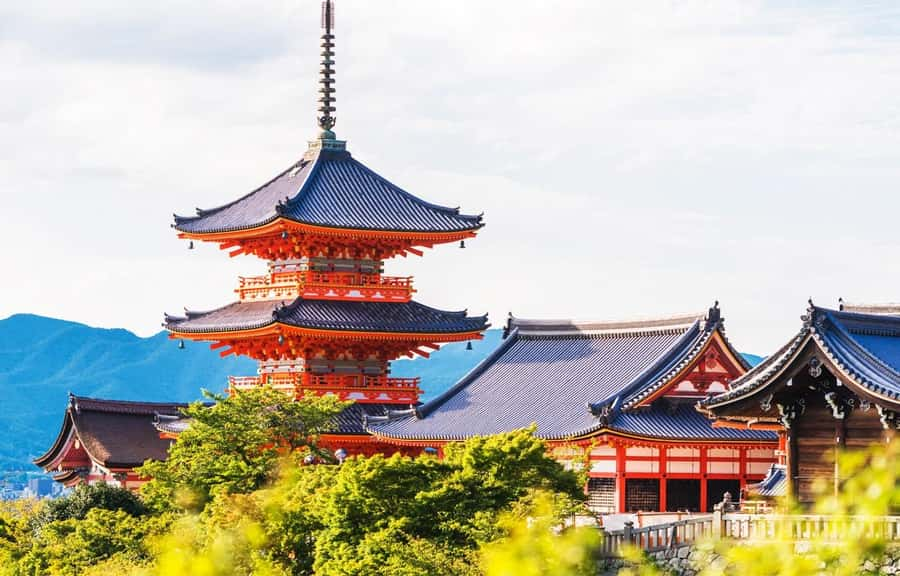
This tour earns points for mixing scheduled time with walk-around freedom. In the Kiyomizu-dera area, you’re given time to see the nearby historic lanes and streets rather than only shuffling from bus to bus.
Ninenzaka and Sannenzaka are classic slopes lined with traditional-style buildings. Ishibei-koji Alley adds that tucked-away feeling—narrower, more “you found it” looking. Hanamikoji Street brings you into a more formal Kyoto atmosphere, and then Yasaka Shrine gives you a final shrine stop in the Kyoto part of the loop.
What you’ll get from this part is simple: you don’t have to memorize every street name to enjoy it. The guided stops help you hit the right corridors, then the walking helps you experience the vibe at your pace.
If you’re doing Kyoto for the first time, this section helps you understand why people obsess over Kyoto’s layout. It’s not only about the big-ticket buildings. It’s the way you move through small spaces toward bigger ones.
Nara Park deer time: how to act around the free-roaming locals
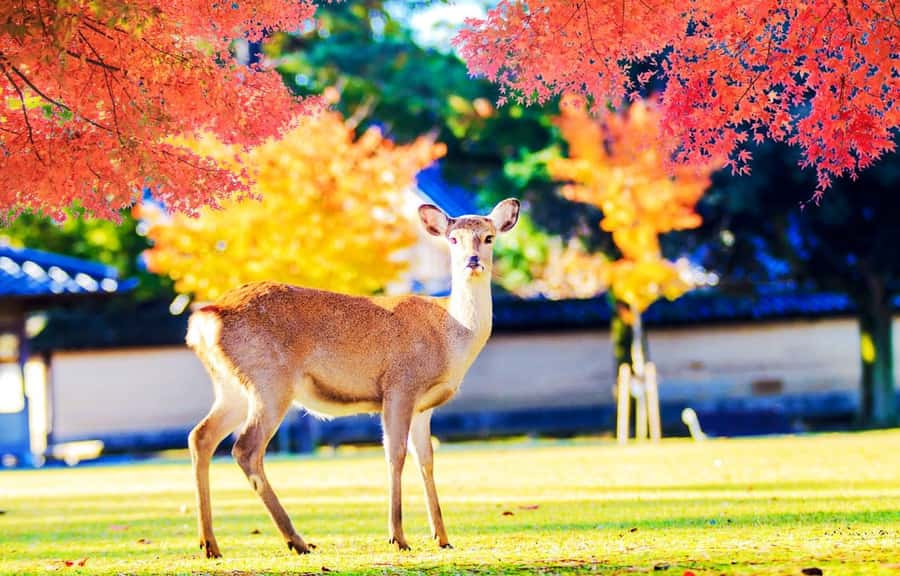
Next up is Nara Park, where the culture and the animals share the same space. You’ll get a guided tour and sightseeing time there (about 1 hour), including a photo stop.
The headline here is the deer. They’re free-roaming and famous in Nara, and they’ll be close enough that your photos almost certainly include deer in some way. The tour suggests buying special deer crackers on-site and offering them politely. Some deer will bow—yes, you’ll see that behavior when you offer food.
Here’s my practical caution: don’t get surrounded. Deer can get curious, and once a group forms around you, things move fast. Keep your crackers controlled, and watch where you step on the paths.
If you’re traveling with kids, this is often the easiest “everyone smiles” stop of the day. If you’re not a fan of animals approaching you, you can still enjoy Nara Park by keeping a little spacing and watching from the sides rather than standing right in the feeding cluster.

Todaiji’s scale: a quick stop that still leaves an impression
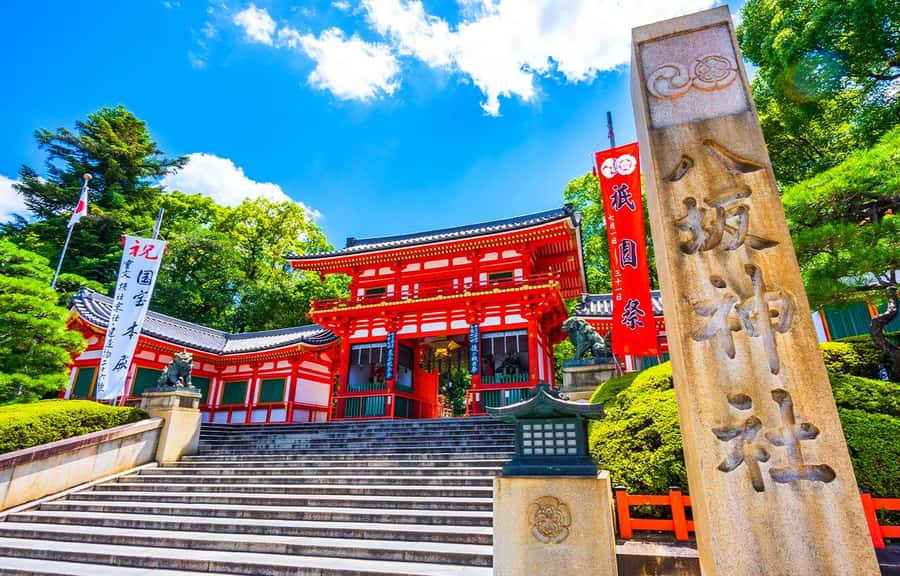
You’ll also have a stop connected to Tōdai-ji, including a photo stop and a short sightseeing moment (around 30 minutes). Even with limited time, it’s worth it because the site is built around an enormous presence: the world’s largest wooden building and a massive bronze Buddha statue.
The time is short, so you won’t be doing a full “see everything” temple day. But you will get the key moment that makes Tōdai-ji unforgettable. If you care most about scale and seeing the big Buddha, this tour hits your priority without consuming the whole day.
Bus time, shared groups, and what $61 really buys you
This tour costs $61 per person for about 10 hours, including round-trip transportation by air-conditioned bus, a multilingual guide, and expressway tolls, parking fees, and fuel costs. You’re also getting planned stops across two regions: Kyoto plus Nara, then ending back in Osaka.
That price is really about convenience and coverage. You’re paying so you don’t have to:
- figure out multi-leg transit in one day,
- manage timing between far-flung sights,
- and negotiate where to start and how to move efficiently.
Is it a bargain? For a day that stacks major landmarks across Kyoto and Nara, it’s priced like a value option. The trade-off is that it’s not a slow, private, deeply paced tour. The schedule is built to fit the key highlights, and your free time exists within that structure.
Also note what isn’t included. Lunch is not included, and personal expenses are on you. The tour does include time where you can find food near the sights, but you should plan for the fact you might be eating quickly between points.
One more real-world factor: bad weather, traffic conditions, or crowding during Japanese holidays and peak seasons can cause delays. The tour warns that some attractions may be shortened, rescheduled, or canceled. My advice: don’t schedule anything right after the tour ends. Build a buffer so you’re not stressed.
Kimono rental near Kiyomizu-dera: a fun add-on if you plan for walking
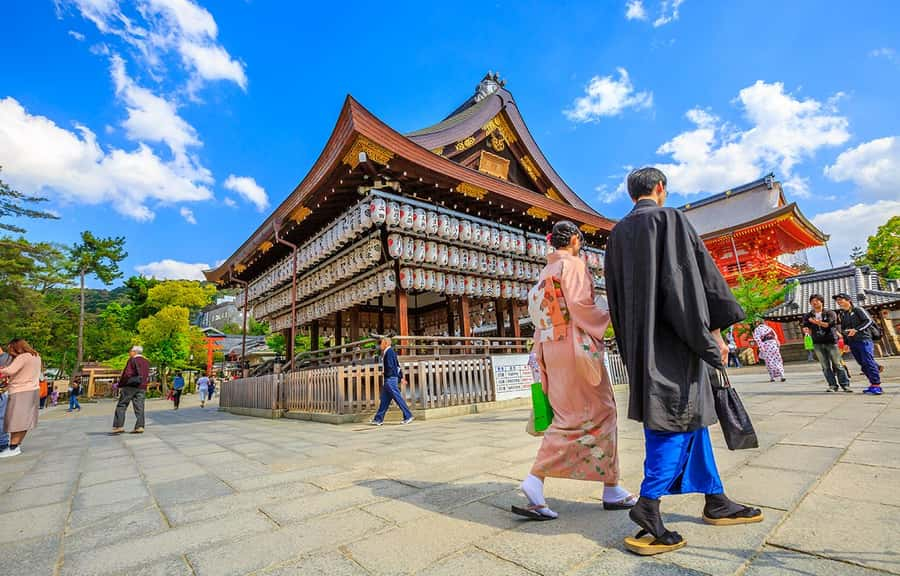
The optional kimono rental is one of those “optional, but it changes the feel of your photos” choices. You can pick up the kimono near Kiyomizu-dera and return it later near Fushimi Inari.
Because you’re on foot for a lot of the day, kimono rental can be a great “moment” if you’re comfortable walking in fitted clothing. If you’ve never worn one, you might want to keep your pace easy and stick to your footwear comfort—because the tour includes long walking segments from parking areas to attractions.
Also, remember kimono rental is self-paid. So treat it like a styling upgrade, not part of the base price.
Who this tour is best for (and who should skip it)
This works best if you want:
- major Kyoto and Nara sights in one day,
- a guide who explains things in English, Traditional Chinese, or Japanese,
- and a practical plan that keeps you from getting lost between neighborhoods.
It’s also a good fit if you love photos but don’t want to spend your entire day studying maps.
It’s not suitable for wheelchair users, based on the provided info. And because there’s a lot of walking, it may also be tough for anyone with limited mobility, even if they don’t use a wheelchair.
If you’re the type who likes slow travel and long sits, this will feel tighter. Think of it as an efficient highlights tour, not a flexible wander-all-day.
Should you book this Kyoto and Nara World Heritage day tour?
I’d book this if you’re prioritizing Kiyomizu-dera, Fushimi Inari, Nara Park deer, and a taste of Tōdai-ji without doing complicated planning. For $61, you’re buying a lot of structure plus transport plus a multilingual guide.
I’d hesitate if your main goal is deep time at one place, or if you’re traveling during a peak holiday when crowds and delays can squeeze the schedule. This isn’t a “stay as long as you want” kind of day.
If you decide to go, do two things for best results:
- Wear comfortable shoes you can walk in for hours.
- Keep your schedule open after the tour. Japan is amazing, but traffic and crowds can happen.
In the right mood, this is a strong sampler day: temple views, torii gates, deer encounters, and Kyoto streets—all in one organized run.
FAQ
Where are the starting and ending points?
You can meet at one of the listed Kyoto options (Kyoto Station area). The drop-off location is only in Osaka.
How long is the tour?
The tour lasts about 10 hours.
What languages does the guide speak?
The live guide provides explanations in English, Traditional Chinese, and Japanese.
Is lunch included in the price?
No. Lunch is not included.
Is kimono rental included?
No. Kimono rental is optional and self-paid. You can pick one up near Kiyomizu-dera and return it later near Fushimi Inari.
What should I bring?
Bring comfortable shoes, a camera, and cash.
Is this tour suitable for wheelchair users?
No. It is not suitable for wheelchair users.