REVIEW · DUBROVNIK
Dubrovnik walking history tour
Book on Viator →Operated by INtours Dubrovnik · Bookable on Viator
Dubrovnik’s best stories start at a gate. This 90-minute walk pulls you into the Republic-era streets, starting near Rector’s and Sponza Palace, with stops that connect politics, everyday life, and even water to the stones you see today. I especially like how the route threads landmarks such as Onofrio’s Fountain so you feel why Dubrovnik grew where it did, not just what it looked like.
Another reason I like it is the licensed tour guide, including English-speaking hosts such as Ines, who keep the stories clear and the group moving at an easy pace. The one drawback to plan around: city walls tickets are not included, and they cost 35 € per person.
In This Review
- Key Highlights You Should Know
- Getting Oriented at Pile Gate (and Why That Matters)
- Sponza Palace and Rector’s Palace: Dubrovnik’s City Power in Stone
- Onofrio’s Fountain and the 12 km Aqueduct: The City Problem This Solved
- Franciscan Monastery and Orlando’s Column: Freedom You Can See
- The Cathedral of the Assumption After the 1667 Earthquake
- Walking Pace, Group Size, and What to Bring
- Price and City Walls Tickets: How to Think About Value
- Who This Tour Fits Best (and Who Might Skip It)
- Should You Book This Dubrovnik Walking History Tour?
- FAQ
- How long is the Dubrovnik walking history tour?
- Where does the tour start?
- What language is the tour offered in?
- Is the city walls ticket included?
- What’s included in the price?
- Do I get a ticket on my phone?
- What’s the group size limit?
- Are service animals allowed?
- Is free cancellation available?
Key Highlights You Should Know
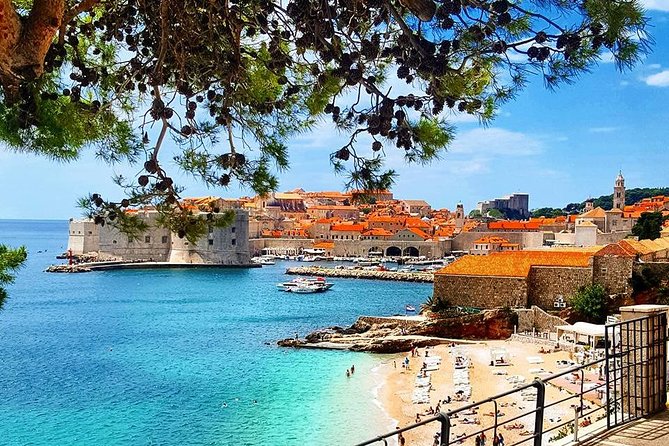
- Pile Gate is the smart starting point for getting your bearings fast.
- Sponza Palace and Rector’s Palace put Dubrovnik’s power structure on display.
- Onofrio’s Fountain explains the 12 km aqueduct and why water mattered.
- Orlando’s Column and the Franciscan Monastery bring the Republic’s ideals into view.
- The Cathedral of the Assumption (after 1667) shows how the city rebuilt after disaster.
- City walls cost extra, so you control how much you want to climb.
Getting Oriented at Pile Gate (and Why That Matters)
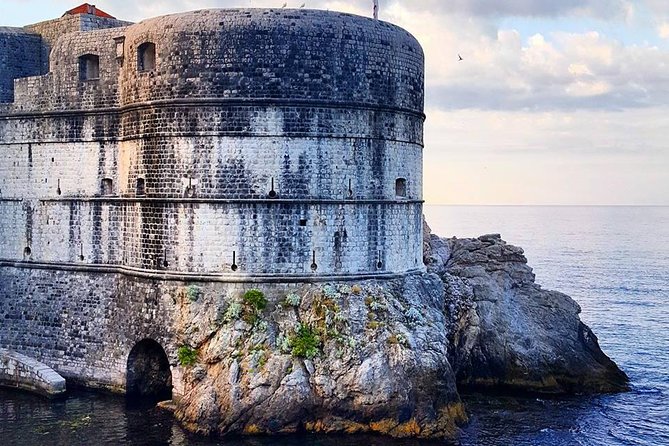
The tour begins at Pile Gate, in the Old Town’s thick of it. That choice is practical. If you start inside the historic core, you don’t spend your precious 90 minutes just figuring out which alley leads where.
You’ll start with an easy walk through Old Town, then move through key monuments tied to Dubrovnik’s civic identity. This is the kind of tour where the guide doesn’t just point. They explain how the buildings relate to how the city worked, from government life to daily routines like hauling water.
Also, Dubrovnik can feel intense in peak season heat. Having an organized route helps. You’ll know where to go next, and you’ll get frequent prompts on what to look for as you pass it.
This isn’t a long lecture. It’s a guided walking loop designed to keep your feet moving and your eyes sharp.
You can also read our reviews of more walking tours in Dubrovnik
Sponza Palace and Rector’s Palace: Dubrovnik’s City Power in Stone
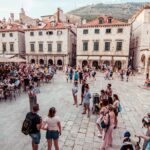
Sponza Palace is the first big stop you’ll settle into. It’s one of those buildings that looks impressive even before you learn why. The guide ties it to the Republic of Dubrovnik’s civic and trading life, so you understand the role these spaces played beyond their beautiful facades.
Then you’ll connect that to Rector’s Palace, another cornerstone site for how Dubrovnik governed itself. If you like seeing how power actually lived day to day, this section delivers. You’re not only looking at architecture. You’re learning what the city leaders did, where public life unfolded, and how the urban layout supported that.
One big reason I’d recommend this: the guide keeps the story readable. You don’t need a degree in Croatian history to follow along. The key details land fast, and you’ll remember them later when you’re wandering on your own.
If you’re traveling with kids or anyone who gets impatient with long pauses, this part works because the stops are close together and the pacing stays walkable.
Onofrio’s Fountain and the 12 km Aqueduct: The City Problem This Solved
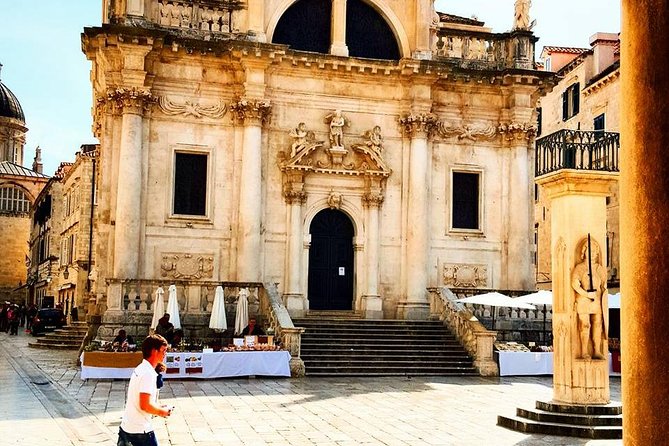
At Onofrio’s Fountain, you get a welcome break built into the tour rhythm: you can refresh and drink some water. That might sound like a small perk, but in Dubrovnik it’s a big deal. Summer walking means you’ll want a place to reset without hunting for a café.
Here’s the history angle you’ll hear: the fountain was built in the 15th century, and it sits at the end of a 12 km aqueduct that supplied the city with water. That scale changes how you view the fountain. It’s not just a pretty stop. It’s proof of serious planning and infrastructure—long before most modern-day conveniences existed.
What I like about this moment is that it’s human. You’re looking at an everyday necessity, not only memorials and big religious buildings. You’re seeing how Dubrovnik handled a practical problem, and how that practicality still shapes what you see today.
If you plan to visit more places afterward, this stop also helps you pace yourself. You’ll walk out feeling steadier and ready for the next stretch.
Franciscan Monastery and Orlando’s Column: Freedom You Can See
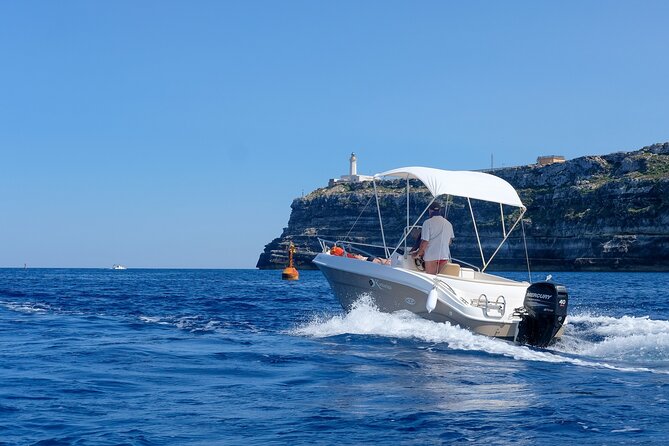
After the Old Town streets, you’ll pass the Franciscan Monastery area and then reach Orlando’s Column. Orlando’s Column is described as a monument on the city’s freedom, and that framing matters.
When you stand there, you’re not just looking at a landmark. You’re learning how Dubrovnik expressed independence through visible symbols. The guide helps you connect the monument to the broader identity of the Republic of Dubrovnik, so the stop feels like part of one story rather than a random photo spot.
The Franciscan Monastery stop adds a different texture. Religious sites in Old Town often feel like they exist in their own bubble, but on this walk you’re shown why they fit into the city’s overall structure. You’ll also get a feel for the spiritual and cultural layer that ran alongside civic life.
One practical note: monuments like this often sit in spots where the sun hits hard. If you’re sensitive to heat, it’s worth slowing down in these moments and using the guide’s breaks to catch your breath.
The Cathedral of the Assumption After the 1667 Earthquake

The Cathedral of the Assumption is where the tour turns from civic symbols to resilience. You’ll hear that it’s a baroque church built after the devastating earthquake of 1667. That detail changes the atmosphere. You start to look at the cathedral as a response, not only a destination.
Baroque churches are meant to make an emotional impact. With the earthquake context, it’s easier to understand why the city rebuilt with such energy. The guide helps you see the cathedral as a statement about survival, identity, and continuity.
If you’re the type of traveler who likes “why this exists” more than “what year it was built,” this stop pays off. You’ll leave with a clearer idea of what came before and what changed afterward.
This also sets you up well for independent exploring later. When you wander Old Town afterward, you’ll spot more signs of rebuilding and protection, not just ornament.
You can also read our reviews of more historical tours in Dubrovnik


Walking Pace, Group Size, and What to Bring
This is an approximately 1 hour 30 minute guided walking tour. That length is ideal for a first Old Town day when you want structure but still want time to roam afterward.
The group size matters here: there’s a maximum of 30 travelers. In practice, that usually means you get enough attention to hear the guide over the general noise, without feeling swallowed by a crowd.
The tour is offered in English, and you’ll receive a mobile ticket. You’ll also find service animals are allowed, and it’s designed so most travelers can participate.
What you should bring is simple:
- Comfortable walking shoes (Old Town surfaces can be uneven)
- Water, especially if you’re visiting during hot months
- A light layer if you’re sensitive to sun and wind
And a small sanity tip: Dubrovnik heat can hit fast. If you’re booking this mid-afternoon, plan to take the fountain break seriously.
Price and City Walls Tickets: How to Think About Value
At $33.61 per person, this tour sits in a reasonable range for a licensed guide and a compact route through major landmarks. The key value is focus: you get a guided path that connects monuments to the story of the Republic of Dubrovnik.
But here’s the tradeoff. Tickets for the city walls are not included. The cost is listed as 35 € per person. So your total spend depends on whether you want to add the walls during your trip.
I’d look at it this way:
- If you want the historical walk and don’t care about climbing walls today, this tour alone can be a great primer.
- If you want the full Old Town experience, you’ll likely plan walls separately, and budgeting matters.
Also, the tour itself does not promise walls access as part of the included price. You’ll hear plenty of context about the city, but the climb is a separate decision.
One more logistics consideration from real-world operations: like any walking experience, it can face last-minute issues if a guide becomes ill, especially in extreme heat. On those rare days, you should assume things can change and keep an eye on any updates you receive.
Who This Tour Fits Best (and Who Might Skip It)
This tour is a strong match if you:
- Want a guided overview of Old Town without committing to a long full-day program
- Like history that connects to what you see on the street—government buildings, water supply, monuments
- Prefer an organized route that helps you avoid wandering in circles
It also works well for travelers who want a clean start. Beginning at Pile Gate means you’ll learn the layout quickly, then go back out and explore with better confidence.
You might consider another option if you’re looking for a deep, technical history lecture or if you specifically want city walls included in your ticket. Because walls are an add-on, you’ll need to plan that separately.
If your schedule is tight, the 90-minute format is your friend. It’s long enough to learn a lot, short enough to keep your afternoon flexible.
Should You Book This Dubrovnik Walking History Tour?
If you want an easy first hit of Dubrovnik’s key monuments with a licensed guide, I think this is a smart booking. You’ll cover major stops like Sponza Palace, Rector’s Palace, Onofrio’s Fountain, Orlando’s Column, the Franciscan Monastery area, and the Cathedral of the Assumption, in about 1.5 hours.
I’d book it if you also like practical storytelling—things like how Dubrovnik’s water system worked, not only who ruled it. The fountain stop is especially useful on walking days.
The main reason to pause is the city walls cost. If walls are your priority, you’ll need to budget the extra 35 € per person and plan timing so you don’t feel rushed.
Overall, with a very high rating and a guide-driven approach, this feels like good value for first-timers who want the city’s story explained in plain language.
FAQ
How long is the Dubrovnik walking history tour?
It lasts about 1 hour 30 minutes.
Where does the tour start?
You meet at Art Go’denBrsalje ul. 1, 20000, Dubrovnik, Croatia, and the walk starts from the Pile Gate area.
What language is the tour offered in?
The tour is offered in English.
Is the city walls ticket included?
No. Tickets for the city walls are not included and cost 35 € per person.
What’s included in the price?
A licensed tour guide is included.
Do I get a ticket on my phone?
Yes. You’ll get a mobile ticket.
What’s the group size limit?
The tour has a maximum of 30 travelers.
Are service animals allowed?
Yes, service animals are allowed.
Is free cancellation available?
Yes. You can cancel for a full refund up to 24 hours before the experience’s start time.