REVIEW · JACKSONVILLE
Jacksonville Residential Architecture & History Tour
Book on Viator →Operated by Go Tuk’n · Bookable on Viator
Two neighborhoods, one tuk-tuk ride, and real details. This Jacksonville Residential Architecture & History Tour is a smart way to see Riverside and Avondale without getting stuck in car-parking or missing the important street-level architecture. I really liked how the tour pairs a certified guide with an audio headset, so you get clear explanations while you move at a comfortable pace. I also enjoyed how the route turns Jacksonville’s past—especially the 1901 fire—into something you can picture as you walk or roll past homes and shops. One drawback to plan for: it’s more about architectural storytelling than a long, deep lecture on every era.
I went into it expecting a quick look at pretty houses; you’ll still get that, but you’ll also get context. The guide I want to highlight is Toni, who’s known for being engaging and practical with what she points out as you go. The tour feels small enough to ask questions, but the time is still limited, so if you want heavy downtown history, you may want a separate downtown-focused option on top.
In This Review
- Key highlights in plain English
- Riverside and Avondale: Jacksonville’s Neighborhood-Scale Story
- Tuk-Tuk Touring: How the Ride Changes What You Notice
- Stop 1: Riverside/Avondale and the 1901 Fire Footprint
- Architecture wow moments (the realistic kind)
- Stop 2: Memorial Park, WWI Tribute, and St. Johns River Views
- What You’re Paying For: $96.39 Value That Feels Practical
- Architecture on the Street: Styles, Details, and Respect for Residents
- A Couple Tradeoffs to Know Before You Go
- Who This Tour Suits Best
- Should You Book This Jacksonville Architecture Tour?
- FAQ
- How long is the Jacksonville Residential Architecture & History Tour?
- Is the tour offered in English?
- What’s included with the ticket?
- Are the provided ear buds Bluetooth?
- What stops are included on the tour?
- Is there an admission fee to the stops?
- How many people are in a group?
- Where does the tour start?
- Can I cancel and get a full refund?
Key highlights in plain English

- Two historic neighborhoods (Riverside and Avondale): you’ll see how Jacksonville rebuilt and reshaped itself after a major downtown fire.
- Tuk-tuk touring: comfortable pacing that helps you notice details without forcing long walks.
- Memorial Park + river views: a short, meaningful stop honoring WWI fallen community members while you look toward the St. Johns River.
- Guide-led architecture focus: Toni’s explanations keep the trip grounded in what you’re seeing.
- Audio headset with disposable ear buds: built-in narration so you’re not squinting at your phone the whole time.
- Small group size (max 18): better attention and fewer “everyone’s turning their head at once” moments.
Riverside and Avondale: Jacksonville’s Neighborhood-Scale Story
If you want to understand Jacksonville fast, go smaller. This tour focuses on residential streets and local parks, not big ticket museum stops. That’s why it works so well for first-timers: you get the feeling of how people actually live (and designed their lives) while you learn what shaped the city.
Riverside and Avondale are the heart of the ride. They were created mainly after the famous 1901 fire destroyed downtown, which helps explain why the area has such a strong “built-after-disaster” planning story. You also get a side of Jacksonville culture that isn’t just downtown landmarks. The tour includes details about how some Southern rock bands started their musical careers in this area—so the neighborhoods carry more than architecture. They carry creative beginnings too.
I like that the tour doesn’t treat history like trivia. It’s tied to visible things: the parks nearby, the homes’ design choices, and the way the neighborhoods feel connected. You come away with a better sense of Jacksonville’s identity, one street at a time.
Tuk-Tuk Touring: How the Ride Changes What You Notice
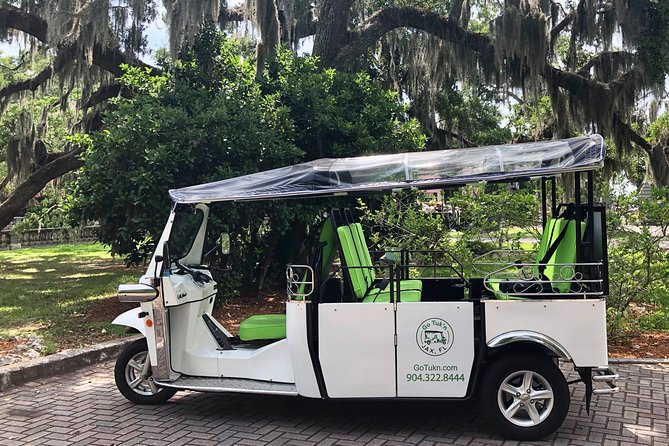
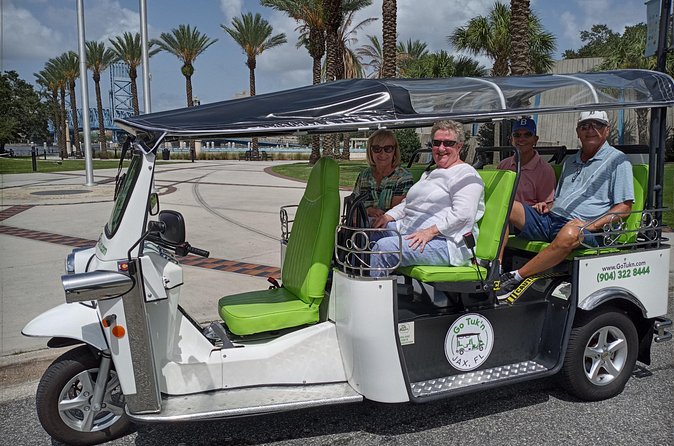
The biggest practical win here is the tuk-tuk format. It keeps the pace steady and lowers the effort—perfect if you’re not trying to do a big, exhausting walking day. At the same time, you aren’t stuck in a bus window watching everything at highway speed. You get closer, and you can actually see architectural details rather than just passing by them.
The tour runs about 2 hours 30 minutes and is capped at 18 travelers, so it stays manageable. That group size matters. Small enough for a guide to keep things moving without rushing, but large enough that you won’t feel like you’re on a private lecture with no interaction.
You’ll also get an audio tour headset with disposable ear buds (wired, not Bluetooth enabled). That combination is genuinely useful. When the guide points something out, you can hear the narration clearly and keep up without constantly pulling out your phone. If you already know how you learn best—audio plus talking—you’ll probably find the setup hits the mark.
Stop 1: Riverside/Avondale and the 1901 Fire Footprint

Stop 1 is the main event: the Riverside/Avondale Historic District, where the tour packs in the strongest architecture views and neighborhood context. This is where you’re meant to connect dots: how the neighborhoods formed after the 1901 fire, and how that shaped the look and layout of the area.
Here’s what I think makes this stop work for you. The tour is built around noticing design choices you’d otherwise miss—like the overall character of homes and how different eras show up in a single neighborhood. The narration helps you spot what you’re looking at. You’re not just seeing pretty facades; you’re learning how architectural styles show up at street level.
In the ride, expect a mix of older styles and the effects of later development. One review called out noticing how the city blends the old and the new, and that’s exactly what you should aim to watch for while you move through these streets. Look for changes in materials, proportions, and details as the neighborhood transitions over time.
You’ll also be guided to local spots that make the area feel like a real place to live. The tour includes mention of parks, historic homes, and shop areas along the way. Even if you don’t stop to shop during the tour, you’ll often see enough to want to return later for lunch or browsing—especially because the neighborhoods are designed around community feel, not just sightseeing routes.
Architecture wow moments (the realistic kind)
Some of the most memorable descriptions from the tour point to homes with design inspirations that can feel unexpectedly grand. One review mentioned seeing a look reminiscent of Hampton Court of Henry VIII. Whether you can name every style on your first try or not, that kind of contrast helps you understand why residential architecture can be surprisingly theatrical—yet still lived-in.
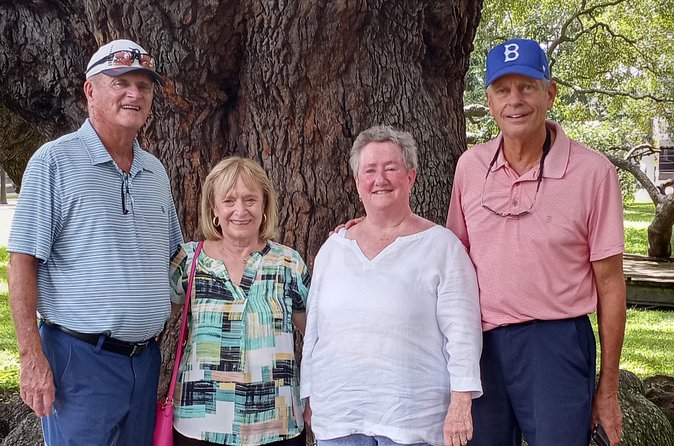
You can also expect the guide to point out standout features like a very old tree noted in reviews. Those details don’t sound important until you’re there and you realize they’re part of what makes the neighborhood feel established rather than temporary.
Stop 2: Memorial Park, WWI Tribute, and St. Johns River Views
After you’ve built your architecture foundation in Riverside/Avondale, the tour shifts mood at Memorial Park. This stop is shorter—about 10 minutes—but it matters because it changes the story from design to meaning.
Memorial Park is dedicated to the fallen from Jacksonville’s WWI community. You’re not just passing a landmark; you’re being given a reason the place exists. That’s the kind of pause that makes history feel human instead of abstract.
You’ll also get views toward the St. Johns River. It’s a good reminder that Jacksonville’s identity isn’t only about buildings—it’s also about water, weather, and the way the city grew around natural features. Even a quick stop can refresh your eyes after looking at streetscapes.
If you’re the type who likes to take a few photos but doesn’t want a long sit-down, this stop hits a sweet spot. You can see the memorial, take your bearings toward the river, and still keep the tour’s overall pace.
What You’re Paying For: $96.39 Value That Feels Practical

At $96.39 per person, you’re paying for more than narration. You’re paying for:
- a certified tour guide
- transportation by tuk-tuk
- an audio tour headset with disposable ear buds
That’s where the value comes from. If this were a simple self-guided walking tour, you’d save money but you’d lose the “what am I looking at?” clarity. If this were a car-only city tour with no audio structure, you’d probably lose attention and miss the residential details. This format bridges the gap: you get guided explanation plus the ability to move at an easy pace.
Also, both stops list free admission. That helps you feel better about the day’s total cost. You’re not building your budget around ticketed attractions at each step; you’re paying for guided time and local access.
One more value point: the tour is designed for two neighborhood perspectives in one outing. That’s a big deal for visitors with limited time. Instead of trying to research two separate districts, you can spend your energy on seeing and learning during the ride.
Architecture on the Street: Styles, Details, and Respect for Residents

Residential architecture tours can go wrong when they turn into gawking. This one focuses on what’s visible from the street and helps you understand the design without treating people’s homes like a museum exhibit. One review specifically mentioned appreciating that the neighborhoods were explored without disturbing residents, and that’s a solid expectation to carry into your own experience.
As you move around, your guide should keep connecting the architectural details to the why. You’re likely to hear about how different eras influenced what gets built and how streets and parks fit into daily life. If you like architecture, you’ll probably start noticing patterns quickly—like how certain details repeat within a style, or how changes show up when development continues.
If you’re curious but not an architecture expert, you’ll still be fine. The audio headset and live commentary are meant to translate what you’re seeing into something you can actually remember. And since the group is small (max 18), it’s easier for questions to get answered instead of disappearing into the noise.
A Couple Tradeoffs to Know Before You Go
This is not a full-day, every-street-history seminar. The tour is compact for a reason: you get two neighborhoods and a brief park stop in one session. That means you might leave wanting more depth on specific historical threads—especially if your idea of a great architecture tour is mostly chronology and politics rather than design.
One review asked for more in-depth historical perspective. That’s a fair consideration. Here’s what you can do: treat this as your architecture and neighborhood primer. If you later want the big picture of downtown business architecture and the broader city story, plan to add a downtown-focused tour rather than expecting this one to cover everything.
Another practical consideration is the audio setup. Ear buds are wired and not Bluetooth enabled. If you rely on Bluetooth headphones, you’ll need to use what they provide (disposable ear tips) and follow the headset design they give you.
Finally, if you’re someone who wants lots of long stops and time to wander on foot, know that the format is ride-and-spotlight. It’s built for seeing many things rather than stopping at every corner.
Who This Tour Suits Best
This is ideal for you if:
- you want architecture details without a long self-guided scramble
- you’re visiting for a limited time and want two neighborhoods in one outing
- you like guided walking-by with a transport assist (tuk-tuk)
- you enjoy a mix of design + local stories (including the 1901 fire context)
It may not be your best pick if you’re looking for:
- a slow, deep, lecture-heavy history tour
- a full-day park-and-museum itinerary
- lots of free time to wander independently for extended periods
Also, the guide experience is a real strength here. Toni is repeatedly described as engaging, fun, and considerate. If you appreciate a guide who brings energy and keeps the trip moving, you’ll probably enjoy the vibe.
Should You Book This Jacksonville Architecture Tour?
Book it if you want an efficient, friendly way to learn how Jacksonville’s Riverside and Avondale neighborhoods developed and why they look the way they do. The combination of tuk-tuk touring, a certified guide like Toni, and audio support is what makes this feel more useful than a casual sightseeing drive.
Skip it only if you already plan to do a separate, history-heavy downtown tour and you specifically want lots of uninterrupted time on foot. Otherwise, this is a strong choice for a first taste of Jacksonville—one that connects design, local culture, and a WWI memorial with river views without eating your whole day.
FAQ
How long is the Jacksonville Residential Architecture & History Tour?
It runs about 2 hours 30 minutes (approx.).
Is the tour offered in English?
Yes, the tour is offered in English.
What’s included with the ticket?
You get a certified tour guide and an audio tour headset with disposable ear buds.
Are the provided ear buds Bluetooth?
No. The ear buds are wired and not Bluetooth enabled.
What stops are included on the tour?
You’ll see the Riverside/Avondale Historic District and then visit Memorial Park with views toward the St. Johns River.
Is there an admission fee to the stops?
The tour notes free admission for the listed stops.
How many people are in a group?
The tour has a maximum of 18 travelers.
Where does the tour start?
The start point is 249 Parker St, Jacksonville, FL 32202, USA. The tour ends back at the meeting point.
Can I cancel and get a full refund?
Yes. You can cancel up to 24 hours in advance for a full refund.