REVIEW · DURHAM UK
Durham History Tour
Book on GetYourGuide →Operated by Walkabout Durham · Bookable on GetYourGuide
Durham grabs you fast. On this 1.5-hour walk with Peter, I love how the story connects Durham’s bridges and riverside paths to Prince Bishops and the UNESCO Durham Castle and Cathedral setting. One thing to think about: you stay outside the sights—no building entry—so it’s best if you want context and views, not interiors.
You start at the Market Place by the Man on the Horse statue (look for a black umbrella). The route is relaxed and easy to follow, and you end at the doors of Durham Cathedral, with only about a 4-minute walk back to where you began.
This tour is a smart pick for first-timers who want orientation fast. Dogs are welcome too, so it works well if you’re traveling with a four-legged companion.
In This Review
- Key highlights to pay attention to
- Durham Castle and Cathedral make more sense when you walk it
- Meeting at the Man on the Horse and keeping your bearings
- Market Place to the bridges: where the stories start
- Riverside walkways: the medieval “why” behind the views
- South and North Bailey with Durham University in the background
- Palace Green finish: wrapping up at a UNESCO doorstep
- Prince Bishops and the people behind the power
- Price and value: $24 for 90 minutes of context
- Who should book this Durham history walking tour
- The real takeaway: an easy afternoon that makes Durham click
- Should you book the Durham History Tour?
- FAQ
- How long is the Durham History Tour?
- Where do I meet the guide?
- Is the tour guided?
- Will we enter Durham Castle, Durham Cathedral, or other attractions?
- What route will the tour cover?
- What language is the tour in?
- Are dogs allowed on the tour?
- How close is the finish to the starting point?
- Is there free cancellation?
Key highlights to pay attention to
- Market Place start, quick orientation with the city’s core landmarks right away
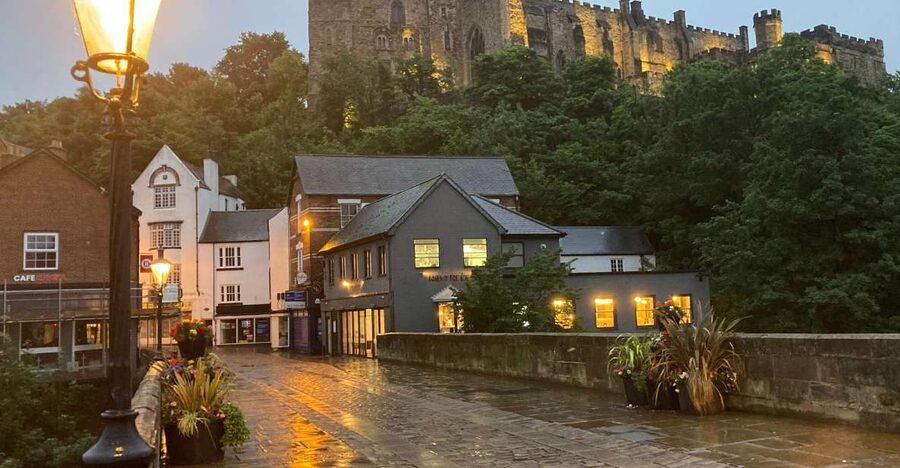
- Two historic bridges and riverside walkways that make medieval Durham feel real
- South and North Bailey time with Durham University in the background
- Palace Green finish near Durham Cathedral for a strong UNESCO end point
- Prince Bishops storytelling focused on people, power, and local legend
- No attractions inside so your time stays on the streets and viewpoints
Durham Castle and Cathedral make more sense when you walk it
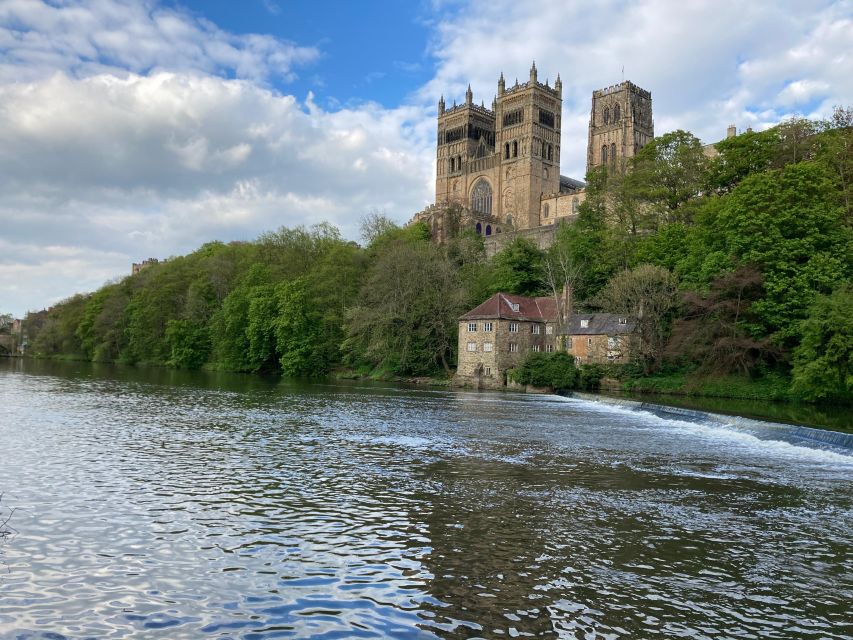
Durham’s main attractions can look intimidating if you just wander. But on foot, the whole place starts clicking: the fortress feel of the Castle, the ceremonial presence of the Cathedral, and the way the river and bridges shaped everyday movement.
What I like most is that Peter connects the big UNESCO label to the human scale. You’re not just seeing stone. You’re learning why it mattered, who controlled it, and how medieval events would have played out for real people living and working nearby.
And because the tour stays outdoors, you get freedom to watch the setting as you learn it. You’re able to look around, spot sightlines, and build your own mental map as you go.
Meeting at the Man on the Horse and keeping your bearings
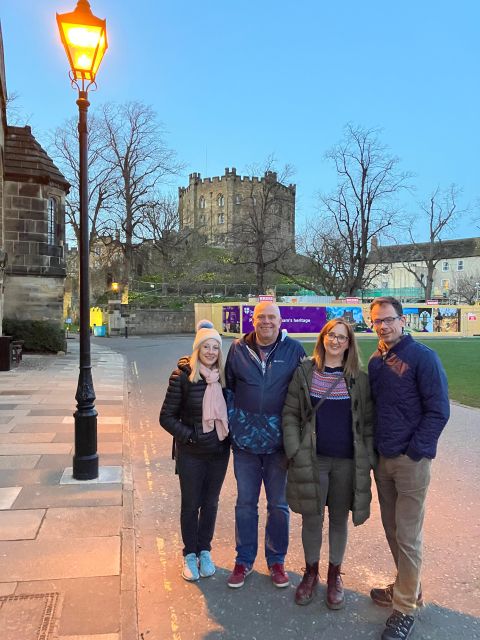
The meeting point is simple: the Man on the Horse statue in the Market Place, and yes, you should look for the black umbrella. It’s a good setup for getting oriented, because the Market Place is the city’s central “base” area.
The tour runs for about 1.5 hours, which is long enough to get a real storyline, but short enough that it doesn’t turn into an all-day slog. In practical terms, that means it’s a great first-afternoon activity if you want to understand Durham before you start picking your next stops.
Also, because the tour is guided and English-speaking, you’re not stuck piecing together clues from signage. You can ask questions along the way, and Peter’s style tends to keep things moving at a comfortable pace.
Market Place to the bridges: where the stories start
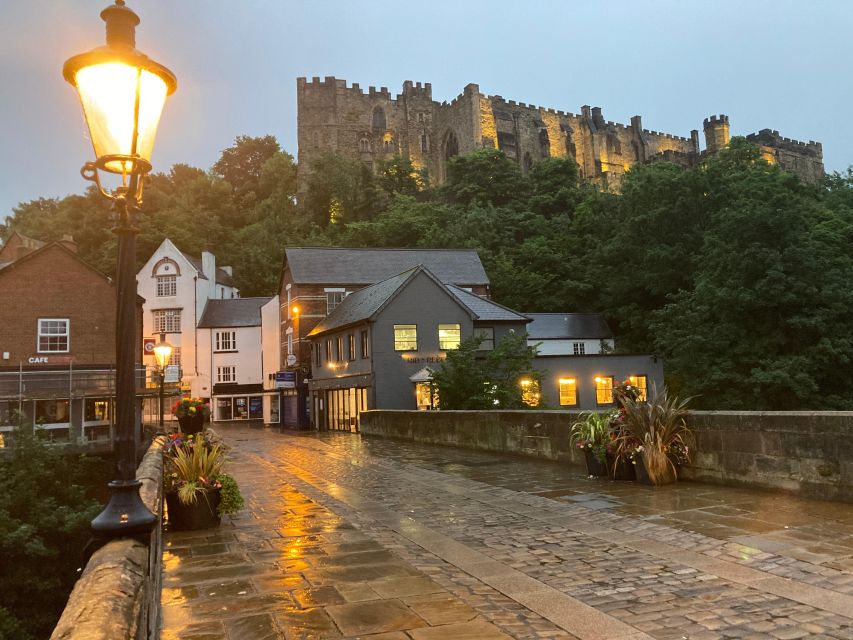
From the Market Place, the tour heads toward two historic bridges. This part matters more than it sounds. Bridges are not just pretty crossings in Durham. They’re practical links in the city’s design, and they help explain how people and goods moved—especially when medieval travel wasn’t easy.
As you walk, Peter ties those crossings to the city’s early story and its growth. You start to see Durham as a place defined by passageways: routes over the river, approaches to key areas, and boundaries that shaped who could go where.
This is also where you’ll get your first sense of scale. You’ll realize how the river corridor shapes views, how the Castle and Cathedral sit like anchors, and how the city’s layout funnels you toward the UNESCO core.
If you’re the type who likes knowing what you’re looking at before taking photos, this segment will feel extra satisfying.
Riverside walkways: the medieval “why” behind the views
After the bridges, the route continues along tranquil riverside walkways. The calm setting is part of the trick. You’re walking somewhere that feels peaceful now, but Peter uses it to explain how it would have been tied to conflict, control, and everyday life long ago.
This section is where you start connecting geography to history. In Durham, the river isn’t just scenery; it’s part of the logic of defense and planning. Once you understand that, you’ll notice how many views you’re seeing are really strategic lines.
The stories here focus on events and people who shaped Durham during medieval times. It’s not just a list of dates. Peter frames it as: what changed, why it mattered, and what the outcome likely meant for ordinary residents.
If you like history that feels grounded in place, you’ll probably enjoy this stretch the most.
South and North Bailey with Durham University in the background
Then comes a stroll along the South and North Bailey. This is a smart stop for two reasons. First, it keeps you close to the Castle-and-Cathedral zone without turning the tour into a ticketed attraction experience. Second, it gives you a sense of continuity, because Durham University sits in that same wider historic area.
The bailey areas help explain the site’s structure—think of it as the in-between spaces that connect the power center to the rest of the city. When you’re walking them with Peter, you’ll hear why those zones mattered: movement, roles, and how the broader community interacted with the religious and political core.
This is also a good moment to slow down and look around. Even without entering buildings, you can still read the site like a map: edges, entrances, and the way the land and architecture reinforce the story you’re hearing.
If you’re planning to spend more time around Durham University after the tour, this is a strong orientation point.
Palace Green finish: wrapping up at a UNESCO doorstep
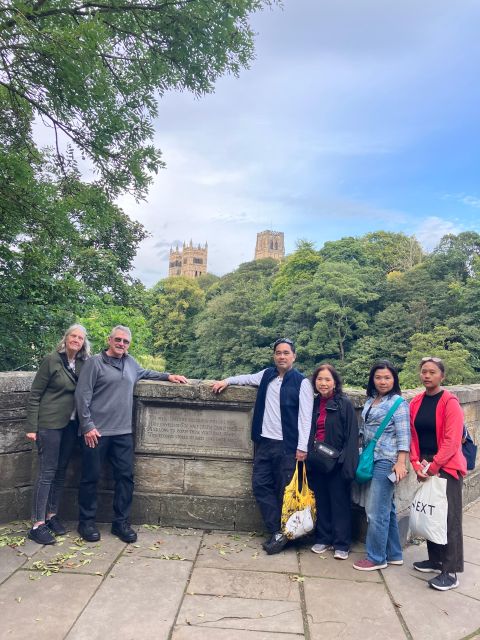
The tour ends at the heart of the UNESCO World Heritage Site on Palace Green, finishing at the doors of Durham Cathedral. That ending location is a big deal, even with the tour staying outside.
You get the Cathedral’s presence in a way that feels earned. After learning the Prince Bishops story and seeing the related geography, you’re standing in a spot that suddenly feels meaningful, not just impressive.
Another practical benefit: the walk back to the starting point is short. The guidance notes it as only about a 4-minute walk to Market Place, which makes the tour easy to plug into your day. You’re not left stranded at the far edge of town.
And if you want to keep exploring afterward, Palace Green is a natural “launch pad.” You can decide on the spot whether you want to linger in the area, grab a coffee nearby, or head toward other Durham highlights while the story is still fresh.
Prince Bishops and the people behind the power
Durham’s legend is tied to its Prince Bishops, and that theme is one of the tour’s biggest selling points. Peter’s storytelling brings this system of leadership into focus without turning it into a dry lecture.
What I appreciate is the balance between the dramatic and the practical. You hear about power, religious authority, and medieval politics, but Peter also connects it to what you can see around you: the way the city is shaped, how the river and paths guide movement, and why certain places mattered.
The reviews also point to Peter’s engaging, entertaining way of telling the story. The tone seems relaxed rather than stiff, and that makes it easier to absorb the bigger picture. A few people noted that Peter helped them understand Durham beyond just sightseeing, which matches the tour’s whole idea.
If your goal is to leave with a real feel for why Durham became what it is, the Prince Bishops thread does that job.
Price and value: $24 for 90 minutes of context
At $24 per person for about 1.5 hours, this tour is priced like a solid “get your bearings” experience. The value comes from two places.
First, you’re getting a guided route through the city center and the UNESCO core without paying for entry to specific attractions (the tour also notes that you do not enter buildings). Second, you’re buying time and clarity. Durham’s highlights can feel like a blur if you don’t know what to look for. Here, Peter gives you a storyline that makes the walk meaningful.
So you’re not paying for access inside buildings. You’re paying for interpretation outside—street-level history, geography, and story-driven orientation. If that’s your style, the price feels fair.
If you want an experience built around museum interiors or guided building entry, you might feel limited. But if you want the city to make sense fast, this is a strong value.
Who should book this Durham history walking tour
This tour fits best if you want a guided overview that you can build on. I’d especially recommend it if:
- You’re short on time and want the UNESCO area explained in a way that sticks
- You enjoy learning history through walking routes and visible geography
- You prefer asking questions and getting answers in plain English
- You’re visiting with a dog and want something outdoor-focused
It may not be the right fit if you’re expecting to go inside major sites. The tour specifically notes that it does not enter buildings or attractions. In other words, you’ll get story and viewpoints, not interior time.
The real takeaway: an easy afternoon that makes Durham click
By the time you reach Palace Green and Durham Cathedral’s doors, you’ll likely feel like you understand Durham’s layout and its medieval power story in a practical way. That’s the point. You’re not collecting trivia—you’re building a mental map of why the place looks the way it does.
Peter’s approach also seems to land well: multiple people mention his engaging style, his patience for questions, and his passion for Durham and even the wider county context. One review even mentioned getting restaurant or café recommendations, which is a nice bonus when you want ideas for what to do next.
The tour also works as a calm, scenic walk. Even when weather isn’t perfect, you’re still moving through outdoor parts of the city where the viewpoints and stories hold up.
Should you book the Durham History Tour?
Yes—if you want a guided, story-led walk through Durham’s key historic areas in a focused 1.5 hours, and you’re happy keeping it outdoors. The mix of Market Place start, bridges and riverside walkways, bailey strolls by Durham University, and a Palace Green finish near the Cathedral doors is a smart way to understand Durham quickly.
Skip it only if your top priority is entering buildings or spending extended time inside attractions. This tour’s strength is the streets, the sightlines, and the Prince Bishops story connecting everything together.
FAQ
How long is the Durham History Tour?
The tour lasts 1.5 hours.
Where do I meet the guide?
Meet at the Man on the Horse statue in the Market Place. Look for a black umbrella.
Is the tour guided?
Yes. It’s a guided walking tour with a live English-speaking guide.
Will we enter Durham Castle, Durham Cathedral, or other attractions?
No. The tour notes that you do not enter any buildings or attractions.
What route will the tour cover?
It starts at the Market Place, includes two historic bridges and riverside walkways, continues along the South and North Bailey (Durham University area), and finishes at Palace Green near the doors of Durham Cathedral.
What language is the tour in?
The tour is in English.
Are dogs allowed on the tour?
Yes, dogs are welcome.
How close is the finish to the starting point?
The tour finishes at the doors of Durham Cathedral, which is about a 4-minute walk back to the Market Place.
Is there free cancellation?
Yes. Free cancellation is offered up to 24 hours in advance for a full refund.