REVIEW · NEW ORLEANS
New Orleans: French Quarter Saints & Sinners History Tour
Book on GetYourGuide →Operated by French Quarter Phantoms LLC · Bookable on GetYourGuide
Sin and faith share the same street. This New Orleans French Quarter Saints & Sinners History Tour turns the usual sightseeing routine into a story-led walk through religions, rumors, and street-level legend. I like the way it frames New Orleans as a city where different belief systems aren’t just tolerated, they’re part of everyday life.
Two things I really enjoyed: the twist that Marie Laveau was a devout Catholic, and the tour’s focus on real contrasts—Catholic piety next to black magic, confession next to lawless-port energy. One thing to consider: it’s for adults 17 and older only, and it leans into dark, adult-leaning themes in a very honest way.
In This Review
- Key things you’ll notice on this Saints & Sinners tour
- The real hook: saints, sinners, and accepted weirdness
- Entering the French Quarter at the Voodoo Lounge meeting point
- What happens during the 105 minutes (the story beats, step by step)
- 1) Opening frame: faith has always ruled the city
- 2) Saints vs. sinners: adventures of the faithful and the fallen
- 3) Roman altars and the “gold-trimmed” Catholic side
- 4) Voodoo, black magic, and the sound of belief
- 5) The big shocker: Marie Laveau was also a devout Catholic
- 6) Closing feeling: sin and forgiveness, God and the Devil
- The Marie Laveau twist you’ll keep thinking about
- What you’ll see and feel on the walk (without turning it into a theme park)
- Price and value: $22 for a guide-led 105-minute story walk
- Food, drinks, and what you should plan to bring
- Who this tour fits best (and who might prefer something else)
- Should you book: my call
- FAQ
- Where is the meeting point for the tour?
- How long is the New Orleans French Quarter Saints & Sinners History Tour?
- How much does the tour cost?
- What’s included in the ticket price?
- Is food or drink included?
- What age is this tour for?
- Do I need to bring any identification?
- Can I bring a cocktail on the tour?
- Is the tour wheelchair accessible?
Key things you’ll notice on this Saints & Sinners tour
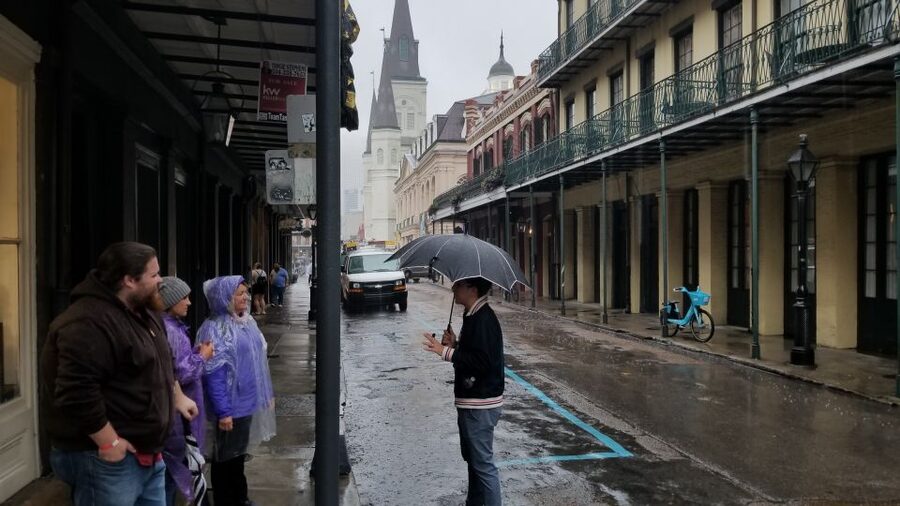
- A 105-minute story walk built around faith, fear, and survival in the French Quarter
- Catholic and voodoo surprises, including the Marie Laveau angle
- Dark-but-not-gimmicky framing: saints and sinners, together on the same streets
- Atmosphere-first storytelling that matches New Orleans heat, sweat, and late-night energy
- Bring your ID and come ready to walk the Quarter for about 1 hour 45 minutes
- Meeting point at The Voodoo Lounge on N Rampart, where the tour vibe starts immediately
The real hook: saints, sinners, and accepted weirdness
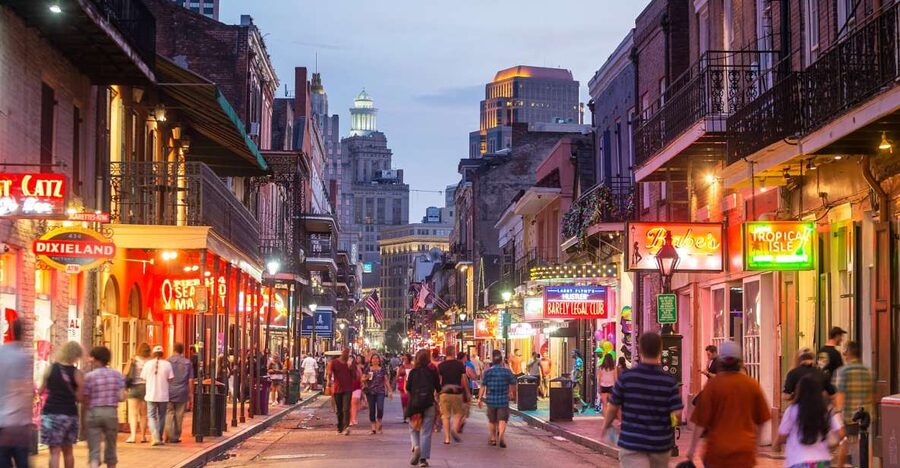
This isn’t a “polite history” tour where everything stays clean and linear. It treats New Orleans like what it is: a gumbo of religions and cultures where people have always argued, prayed, begged, and believed—sometimes in the same breath.
I like that the tour doesn’t try to force one explanation. Instead, it shows you why rumors grew legs here. In a city shaped by migration, the port, and old-world traditions, faith could turn into conspiracy, and superstition could turn into something people swore was real. At the same time, faith also inspired art, leadership, and devotion. The tour keeps both sides on the table.
And that balance is the point for you as a visitor. You get a better read on the French Quarter when you understand it as a place built on negotiation—between the sacred and the taboo, the saintly and the fallen.
You can also read our reviews of more historical tours in New Orleans

Entering the French Quarter at the Voodoo Lounge meeting point
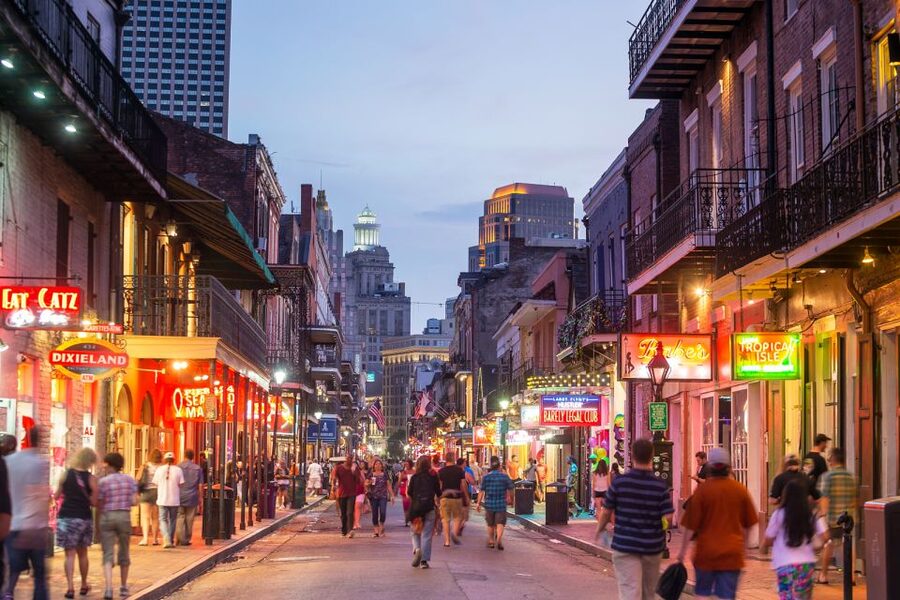
You start at The Voodoo Lounge, 718 N Rampart Street (corner of Orleans & N Rampart). That matters more than it sounds. Arriving right at a place that screams local flavor helps you shift modes quickly—from daytime tourist brain to “this is a living story” brain.
The tour is English-speaking and guided, and you’ll be walking through the French Quarter rather than riding in a vehicle. The total time is 105 minutes, so plan for a steady pace and a focused route rather than long stops and museum-style wandering.
One practical detail: the tour requires passport or an ID card. Bring it even if you’re just guessing you won’t need it. Also note the adult rule: it’s not suitable for people under 17.
If you want to make the start smoother, arrive a bit early. The meeting point area is busy, and you’ll want time to get organized before you join the group.
What happens during the 105 minutes (the story beats, step by step)
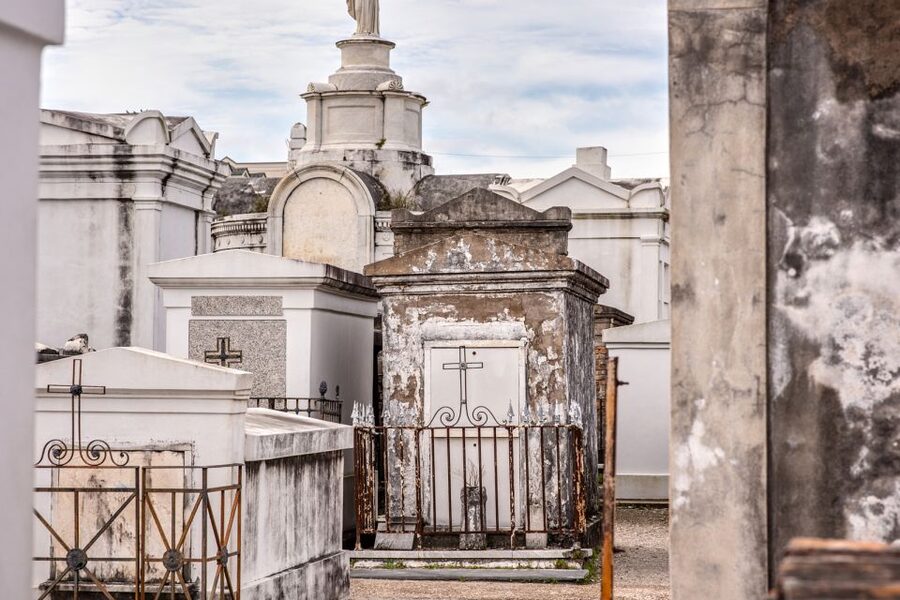
The tour is built as a walking narrative—short scenes, linked themes, then a new layer. You won’t just hear dates. You’ll hear why people acted the way they did, and how those beliefs changed the way they lived with one another.
Here’s the shape of the experience, the way it flows for you from start to finish:
1) Opening frame: faith has always ruled the city
You begin with the tour’s main idea: in New Orleans, faith isn’t a side dish. It’s a governing force. The guide sets up the city as a place where different belief systems created both fear and inspiration—where rumors could swirl into witchcraft talk, but devotion could also produce greatness.
This opening is useful. It gives you a lens, so when you later hear about saints, sinners, and dark stories, you won’t feel lost. You’ll know what the guide is doing: explaining the city through its spiritual “weather.”
2) Saints vs. sinners: adventures of the faithful and the fallen
Next comes the story-world where bravery and trouble walk side by side. The tour leans into tales of the faithful and the fallen alike, which fits the French Quarter style: even the people you’d normally judge are often shown with context.
For you, that’s valuable because it changes how you read the neighborhood. Instead of seeing only atmosphere, you see cause and effect—why certain stories stuck and why certain fears mattered.





3) Roman altars and the “gold-trimmed” Catholic side
The tour highlights Catholicism in a very specific way: Roman altars trimmed in gold, piety with sharp edges, and the kind of religion that can feel both comforting and intense. You’ll get the sense that for many locals, faith wasn’t just “religious.” It was identity and structure.
A note for your expectations: this is not a calm cathedral lecture. The tour treats these beliefs as part of the city’s messy human reality. That’s more interesting, even if it’s a little uncomfortable.
4) Voodoo, black magic, and the sound of belief
Then the narrative shifts toward voodoo and other forms of black magic and rumor. You’ll hear how those beliefs fit into New Orleans life—how they became a way to explain the unexplained and to survive hard times.
The tour also emphasizes the African drum energy in the city’s spiritual atmosphere. Even if you don’t hear literal drums at every stop, you’re meant to feel how deeply African rhythms and traditions helped shape local belief.
5) The big shocker: Marie Laveau was also a devout Catholic
This is one of the standout angles. You’ll learn the surprising detail that the famous voodoo priestess Marie Laveau was also described as a devout Catholic. It’s the kind of detail that makes you rethink easy categories fast.
For me, this is where the tour earns its keep. It turns the whole “saints vs. sinners” idea into something more realistic: people can hold multiple truths at once, especially in a place like New Orleans.
6) Closing feeling: sin and forgiveness, God and the Devil
The tour ends by tying it back to the city’s signature contrast—sex and confession, sin and forgiveness, the idea that God and the Devil can shake hands so the party can go on.
It’s a strong finish because it matches what you’ve been seeing and hearing: New Orleans has always been a place where moral judgment is complicated, and where community ties can outweigh strict spiritual boundaries.
The Marie Laveau twist you’ll keep thinking about
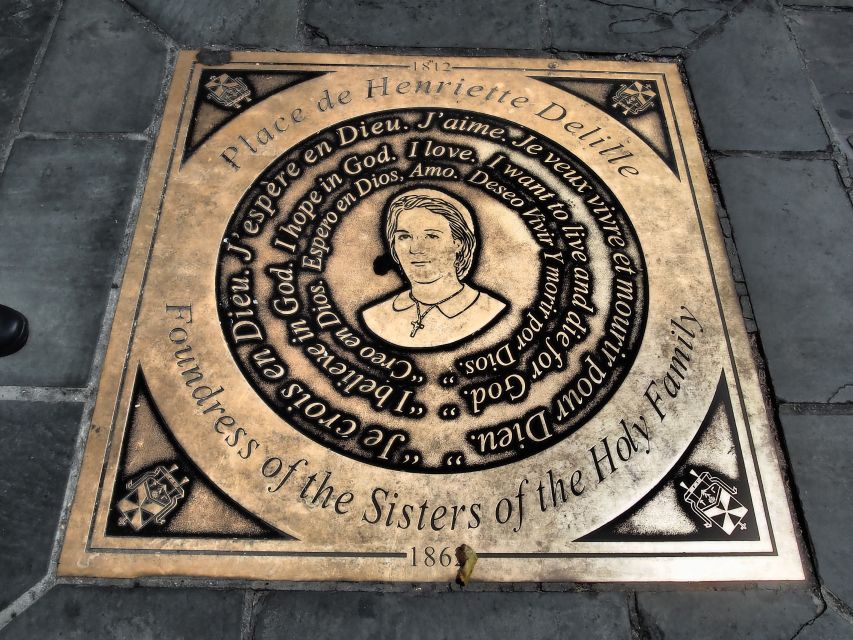
Marie Laveau is the name people recognize, but the tour’s value is in the context. Many visitors come with the assumption that voodoo exists in a separate universe from Catholicism. This tour gives you a different picture: Laveau is framed as both voodoo figure and devout Catholic.
That doesn’t mean the tour is trying to prove one belief as correct. It’s showing you why the city doesn’t behave like a single-faith town. New Orleans historically worked like a meeting place—religions and practices influenced each other, mixed, collided, and then, somehow, functioned side by side.
If you like history with attitude—history that explains why people did what they did—this angle is a big payoff for the price. It’s also a great mental souvenir. Even after the walk is over, you’ll look at other New Orleans symbols and wonder who believed what, and why.
What you’ll see and feel on the walk (without turning it into a theme park)
You should think of the tour as atmosphere with context. The experience leans into the city’s contrasts: hot, humid street-level life; a past described as black water port and Caribbean; a sense of lawlessness; and also Roman Catholic piety with gold-trimmed detail.
It’s not pretending the city was always fun. The stories include lost lives and battleground-style conflict between beliefs. Still, the tour’s tone focuses on acceptance—how an eclectic mix of beliefs created a sense of tolerance you won’t find everywhere.
This matters because it changes how you enjoy the French Quarter afterward. Instead of only noticing architecture and bars, you’ll notice how the neighborhood carries its spiritual and moral contradictions right there in the streets.
Price and value: $22 for a guide-led 105-minute story walk
At $22 per person for 105 minutes, you’re paying mostly for the guide and the narrative structure. The tour listing doesn’t include food or drinks, and it’s not hotel pickup/drop-off. So your value equation should look like this:
- If you enjoy guided storytelling and want a fast way to understand what you’re looking at, $22 is a fair spend.
- If you’re hoping for a long, stop-and-start walking tour with multiple included attractions, you might find this one short and intentionally focused.
The good news: the tour is priced for a “walk and learn” style of visit. You can keep your day flexible, then spend the rest of your time exploring at your own pace with better context.
One extra money note that could help you plan: the tour encourages timing your arrival. Guests can get one get one free Hurricane drinks one hour prior to tour time, and you can bring a cocktail along with you on tour.
Food, drinks, and what you should plan to bring
Food and drinks aren’t included. But the Hurricane-drink perk near the start point is a fun way to make the wait feel less like a wait.
For supplies, the tour asks you to bring a passport or ID card. That’s the only “must bring” item stated. Everything else is about comfort: the experience is described as hot, humid, and sometimes unforgiving, so dress for sweating and plan to move at a walking pace without over-ambition.
Also remember gratuity isn’t included. If you do tip, budget for it separately.
Who this tour fits best (and who might prefer something else)
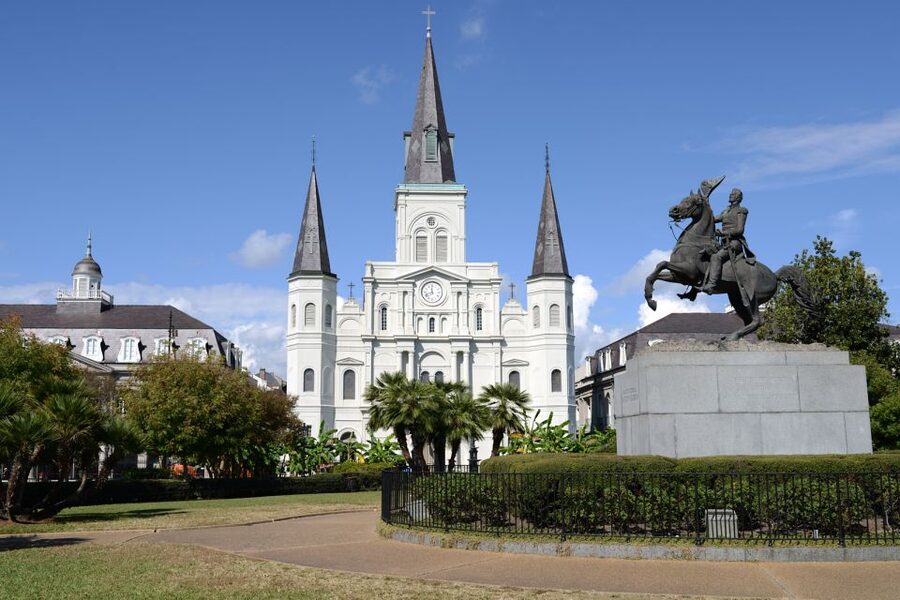
This tour works best for you if:
- you want the French Quarter explained through belief systems, not just architecture
- you’re open to dark, adult themes and moral contradictions (sin and forgiveness are part of the framing)
- you like walking tours where the guide gives you a story thread and you stay mentally switched on for about 1 hour 45 minutes
You might think twice if:
- you’re looking for a kid-friendly, light-and-funny tour (it’s adult 17+)
- you dislike heat and steady walking
- you want strictly “documented academic history” instead of legend, rumor, and lived belief
Should you book: my call
Book this tour if you want a faster, story-driven way to understand why New Orleans feels unlike other U.S. cities. The strongest reasons to choose it are the Catholic + voodoo overlap (Marie Laveau) and the tour’s refusal to oversimplify the city into one moral lane. For $22 and 105 minutes led by a guide, it’s a solid value if you enjoy atmosphere and explanation working together.
Skip it if you’re mainly looking for a calm, family-friendly overview of the French Quarter. This walk is for adults who like their history with grit and their sightseeing with a little moral fog.
FAQ
Where is the meeting point for the tour?
The meeting point is The Voodoo Lounge, 718 N Rampart Street (corner of Orleans & N Rampart) in the French Quarter.
How long is the New Orleans French Quarter Saints & Sinners History Tour?
The duration is 105 minutes.
How much does the tour cost?
The price is $22 per person.
What’s included in the ticket price?
The tour includes a live tour guide.
Is food or drink included?
No. Food and drinks are not included.
What age is this tour for?
This tour is allowed for adults 17 and older only.
Do I need to bring any identification?
Yes. You should bring passport or ID card.
Can I bring a cocktail on the tour?
You can bring a cocktail along with you on tour.
Is the tour wheelchair accessible?
Yes. The tour is wheelchair accessible.