REVIEW · TERCEIRA
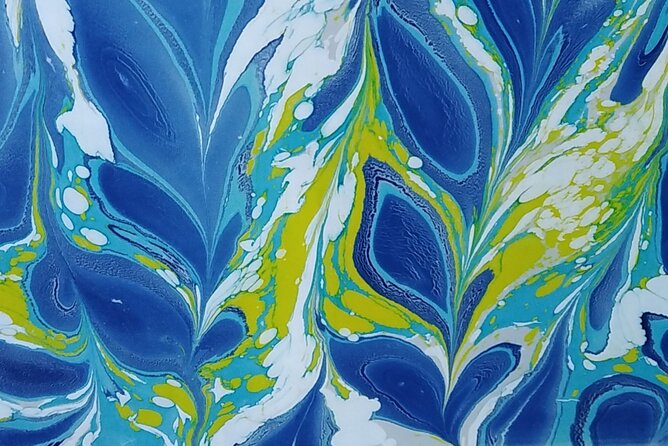
Ebru Marble Art / Ancient technique of marble painting on water
Book on Viator →Bookable on Viator
Marble art happens on water. This Ebru workshop turns simple natural pigments into patterns you usually only see in photos, and it all happens in a calm, open-air studio on Terceira. I love the slow, relaxing pace and the hands-on part where you practice things like dotting and swirling on the water surface. One thing to keep in mind: the experience needs good weather, since the setting is outdoors.
You’ll start with color choices and practice on paper first, then move to painting on a few finished items such as wood, paper stone, or ceramic. If you book the fabric option, you’ll work with studio fabrics and create a scarf or a home decoration piece like table napkins or cushion covers. The group stays small (max 6), so you’re not just watching from the back.
If you like making your own souvenirs—something you can actually use or frame—this is a great afternoon plan. It’s also a fine pick if you’ve never done art before, because the process is guided step-by-step and you’re allowed to experiment.
In This Review
- Key things I’d plan around
- Why Ebru Marble Art Feels Different (Water Is the Canvas)
- Getting to the Workshop: Porto Martins Start Point and Timing
- The Core Lesson: Colors, Paper Practice, Then Your Real Pieces
- What You Can Make: Options for Fabric vs. Traditional Materials
- Option A: Traditional Ebru pieces
- Option B: Ebru on fabric (scarf and home items)
- The Workshop Feel: Relaxed, Guided, and Surprisingly Fun
- Price and Value: Why $89.36 Can Make Sense on Terceira
- Who This Workshop Is Best For (And Who Might Skip It)
- Weather, Comfort, and Getting the Most Out of Your Session
- Should You Book Ebru Marble Art on Terceira?
- FAQ
- Where does the Ebru Marble Art workshop meet?
- What time does the workshop start?
- How long is the experience?
- How much does it cost?
- Is the group size small?
- What will I practice with before making finished items?
- What materials can I create with?
- What happens if the weather is poor?
- Can I get a refund if I need to cancel?
Key things I’d plan around
- Water marbling, taught step-by-step: You practice on paper before moving to finished materials.
- Pick your colors and experiment: The technique rewards playful trial-and-error, not perfection.
- Small group (up to 6): More time to get help and repeat a pattern if you want.
- Outdoor studio vibe in Porto Martins: A quiet, green work spot with natural light.
- Two project tracks: Paper/wood/ceramic items, or a fabric project (scarf, napkins, cushion covers).
- Weather matters: The workshop requires good conditions, and poor weather can change your plan.
Why Ebru Marble Art Feels Different (Water Is the Canvas)
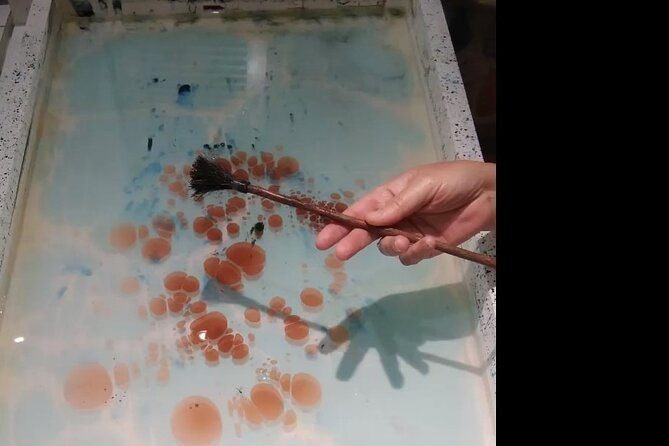
Ebru is often called water marbling, and that’s the best plain-English way to picture it. You’re working with pigment powders mixed into water so the colors float on top. Your tools and timing matter, but the medium does a lot of the work for you—swirl, dot, drag, or feather the patterns and you’ll see how quickly it transforms.
What I like is that your results feel immediate. You’re not waiting for paint to dry while you wonder if it will work. Instead, the drama is in the moment: you create the pattern on the water surface, then you transfer it so it adheres to what you’re using (first paper, then other pieces). That lift-off moment is where the technique really shows its personality.
It also helps that the teacher, Inci, guides the process in a way that makes beginners feel capable. You get some demonstrations, but then you’re mostly doing it yourself. The workshop isn’t about copying a perfect sample. It’s about learning how the water behaves and how your color choices affect the final look.
Getting to the Workshop: Porto Martins Start Point and Timing
This experience starts at M509 128, 9760 Porto Martins, Portugal and ends back at the same meeting point. The start time is 2:00 pm, and the session runs about 3 hours (approx.).
The location is described as a relaxing island setting surrounded by trees, and that matches what you’ll want on an Azores afternoon. It’s not the kind of workshop where you’re shuttled between busy stops. You settle in, work at a comfortable pace, and finish with something you made.
Group size is capped at 6 travelers, which matters more than it sounds. In a class like this, you want enough room to practice without feeling rushed or crowded. A smaller group also means the instructor can spot what you’re doing and help you adjust quickly if a pattern isn’t landing how you expected.
It also says it’s near public transportation and allows service animals, so it’s generally easier to fit into a day than experiences tucked deep into hard-to-reach areas.
The Core Lesson: Colors, Paper Practice, Then Your Real Pieces
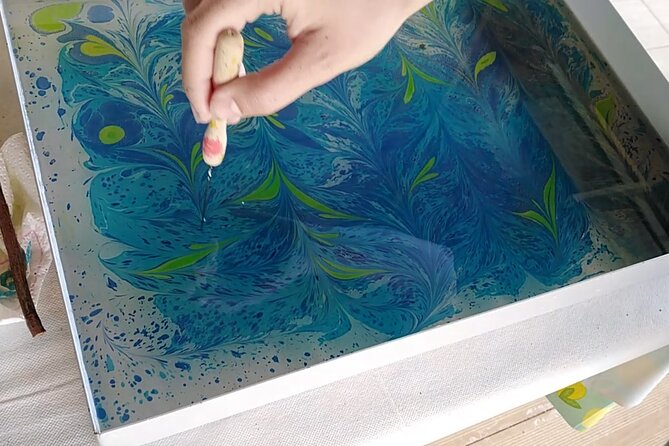
Your hands-on flow is straightforward: you choose colors, learn the basics, and practice on paper first. That initial paper step is smart. It lets you understand the main mechanics—how the colors stay on top, how swirling creates movement, and what happens when you lift off the transfer.
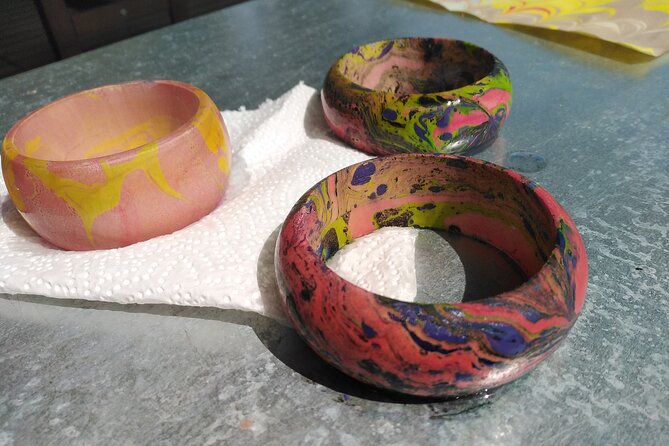
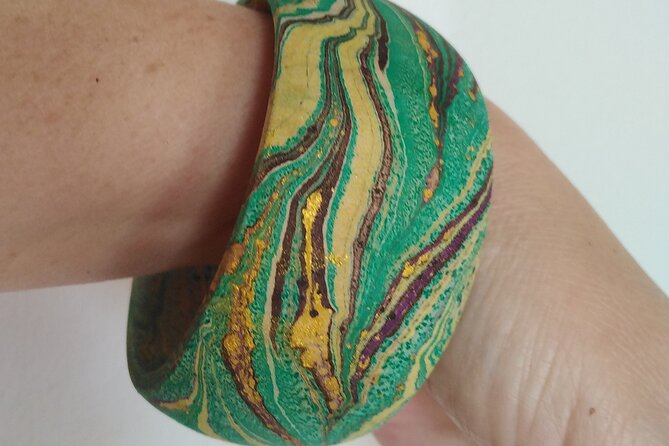
Once you’ve got the feel for the process, you move on to a few items designed for finished art. The workshop includes painting on wood, paper stone, and ceramic pieces. These materials change the look slightly, so your patterns won’t be exactly the same each time. That variety is part of the value: you’re not paying for one flat outcome. You’re learning a technique that works across different surfaces.
One practical note: Ebru can be a bit hands-on in the sensory sense (water-based process, pigments, a little mess potential). The class is guided and relaxed, but if you’re the kind of person who hates getting splashed or stained, you may want to be mentally ready.
What You Can Make: Options for Fabric vs. Traditional Materials
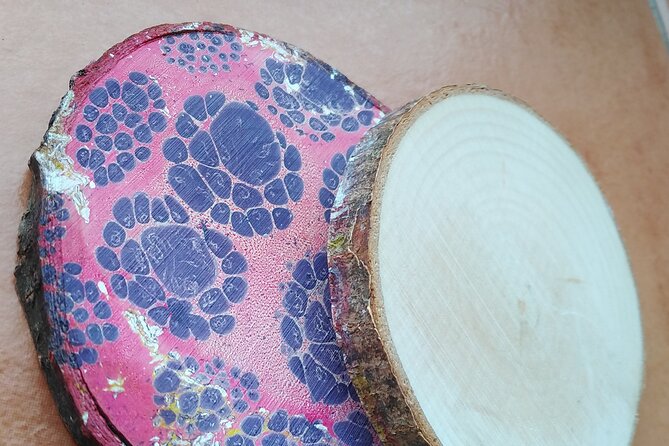
You have two ways to build your take-home souvenir, depending on what you book.
Option A: Traditional Ebru pieces
You’ll paint on a few materials such as wood, paper stone, and ceramic after practicing on paper. This track is great if you want something that feels like a true craft object—pieces you can display, gift, or keep as a signature memory.
Option B: Ebru on fabric (scarf and home items)
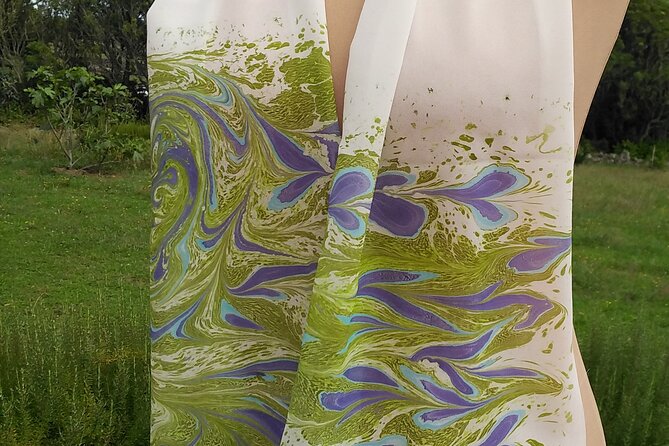
If you book the fabric option, you’ll choose from various beautiful fabrics in the studio. Then you’ll create something wearable (a scarf) or functional home decoration, such as table napkins or cushion covers.
This is a big deal for value and usability. A paper print is nice, but fabric creations become part of your everyday life. Even if you don’t use them immediately, they still pack lighter than you might expect and they don’t need framing.
Because you choose your colors first, both tracks let you steer the final look from the beginning. You’re not picking a pre-made pattern—your color palette and how you play with the floating pigments shape the result.
The Workshop Feel: Relaxed, Guided, and Surprisingly Fun
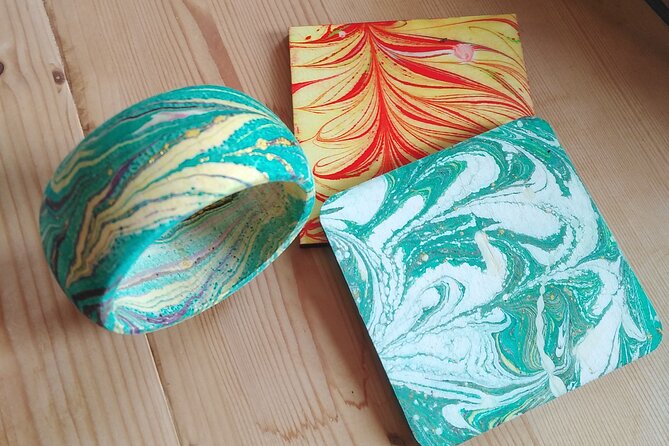
This class has the kind of energy that makes art workshops enjoyable instead of intimidating. You’ll likely start with a few demonstrations—how to work with the floating paints, how to create effects with dotting and swirling, and how to transfer the design so it adheres.
Then you get to practice. And practice here isn’t just repetition—it’s experimentation. You can try a color set one way, then adjust your movement and see the difference. That’s why people often come out feeling like they learned something real.
The studio setting also matters. It’s described as a beautiful, quiet open-air space with potted plants and natural light. That combination sounds simple, but it changes the whole vibe. You’re not stuck indoors under harsh lighting while you try to focus on tricky steps.
One possible drawback: you’ll need to be present and patient for the water-based process. If you’re in a rush, waiting for your turn to create the pattern may feel like a slowdown. But if you’re the kind of person who likes calm afternoons, it’s a great fit.
Price and Value: Why $89.36 Can Make Sense on Terceira
At $89.36 per person for about 3 hours, you’re paying for three things at once: instruction, materials/projects, and the uniqueness of the technique.
Here’s how I think about the value:
- You’re not just attending a show. You’re doing the work—choosing colors, experimenting with the water surface, and producing a final set of items.
- The class is small (max 6), which usually translates to better help during the moments that are hardest: getting the pattern right and understanding the transfer.
- The take-home options are more than a cheap souvenir. You can leave with art on wood, paper stone, or ceramic, or create something functional on fabric like a scarf or home decor.
If you’re already planning to buy a few artsy items on Terceira, this can be the better deal because your creation is personal. You aren’t just shopping. You’re learning a technique you can talk about (and show off) long after you return home.
Who This Workshop Is Best For (And Who Might Skip It)
This is ideal if you want a hands-on activity that feels relaxing rather than exhausting. It also works well for mixed groups, including people traveling with family or partners, because the process is guided and beginner-friendly.
It’s also a smart choice if you like making something you can actually use or display. Fabric option fans will like that your scarf or cushion cover becomes part of daily life. If you prefer display pieces, wood and ceramic items give you that classic craft-object feeling.
You might skip this if you have a tight schedule and can’t flex for weather. Since the experience requires good weather, you don’t want to book it on a day where you already have locked-in plans at every hour.
Weather, Comfort, and Getting the Most Out of Your Session
Because the workshop depends on good conditions, keep a little breathing room in your day. The experience can be canceled due to poor weather, and if that happens you’ll be offered another date or a full refund.
Once you’re there, your biggest win is simple: slow down and let the process happen. Ebru rewards small movements. If you rush or overthink, the water pigments can behave differently than you hoped. If you treat it like play—dot here, swirl there, adjust one thing at a time—you’ll learn faster and have more fun.
Also, plan to enjoy the studio itself. The workshop is described as relaxing, with a green, quiet outdoor feel. You’re not just taking a class. You’re spending an afternoon in a peaceful spot while learning a technique that connects natural pigments, water, and transfer.
Should You Book Ebru Marble Art on Terceira?
I’d book it if you want a small-group, hands-on workshop with a real skill at the center: Ebru water marbling. The combination of practicing on paper first, then creating finished pieces (wood/paper stone/ceramic) or fabric items (scarf, table napkins, cushion covers) gives you options that feel worth the price.
I’d hesitate if weather timing is your biggest constraint, or if you strongly prefer indoor activities with no uncertainty. But if your schedule can flex, this is the kind of experience that turns Terceira into more than a checklist stop.
If you’re curious about making something with your own hands and seeing how beautiful patterns emerge from a few simple moves, this workshop is a very solid pick.
FAQ
Where does the Ebru Marble Art workshop meet?
The workshop starts at M509 128, 9760 Porto Martins, Portugal and ends back at the same meeting point.
What time does the workshop start?
The start time is 2:00 pm.
How long is the experience?
It runs for about 3 hours (approx.).
How much does it cost?
The price is $89.36 per person.
Is the group size small?
Yes. The workshop has a maximum of 6 travelers.
What will I practice with before making finished items?
You practice Ebru on paper first to learn basic designs.
What materials can I create with?
After the paper practice, you paint designs on wood, paper stone, or ceramic pieces. If you book the fabric option, you can make a scarf or home decoration items like table napkins or cushion covers.
What happens if the weather is poor?
This experience requires good weather. If it’s canceled due to poor weather, you’ll be offered a different date or a full refund.
Can I get a refund if I need to cancel?
Yes. Free cancellation is available up to 24 hours in advance for a full refund. If you cancel less than 24 hours before the start time, the amount paid is not refunded.