REVIEW · BOSTON
Boston: Chinatown Food Tasting & Cultural History Tour
Book on GetYourGuide →Operated by Bites of Boston Food Tours · Bookable on GetYourGuide
Chinatown tastes come with a side of history. I love the six stops that mix traditional Chinese, modern Chinese, and Chinese-American favorites, and I like how the guide ties what you eat to how Boston’s Chinatown changed over time. The one big catch is that the tour doesn’t offer allergy-friendly or dietary substitute tastings, so plan accordingly if you have restrictions.
This is a walk-first experience where the stories show up on the sidewalk, not just in a brochure. The route starts right at the Chinatown Gate, and guides like Andrew and Katie have been praised for friendly pacing and those mini history lessons that make the food click. One more thing: you’ll be on your feet for a good chunk of the 3 hours, so come prepared, not comfy-shoed.
In This Review
- Key highlights
- Meeting at the Chinatown Gate and What the 3 Hours Feels Like
- What You Eat: Six Tastings Across Traditional, Modern, and Chinese-American Food
- The practical downside on food
- The Sidewalk History Stops: First Street and the Site of the First Restaurant
- The Oldest Restaurant and Oldest Bakery Stops (What to Look For)
- One stop comes with stairs
- Newer Establishments and 2nd-Generation Changes You Can Taste
- The Cocktail or Mocktail Finale: Why That Last Stop Works
- Guides and the Mini-Lesson Format: What Makes It Enjoyable
- Price and Value: Is $125 Worth It?
- Who This Tour Fits Best (And Who Should Skip It)
- Rain, Shoes, and the Simple Stuff That Makes or Breaks It
- Should You Book Boston Chinatown Food Tasting & Cultural History?
- FAQ
- Where is the meeting point?
- How long is the tour?
- How much does it cost?
- What food is included?
- Can the tour accommodate food allergies or dietary restrictions?
- Is the tour suitable for vegetarians or kids?
- Is the tour indoors, or does it run in bad weather?
Key highlights
- Meeting at the Chinatown Gate for an easy start and immediate neighborhood context
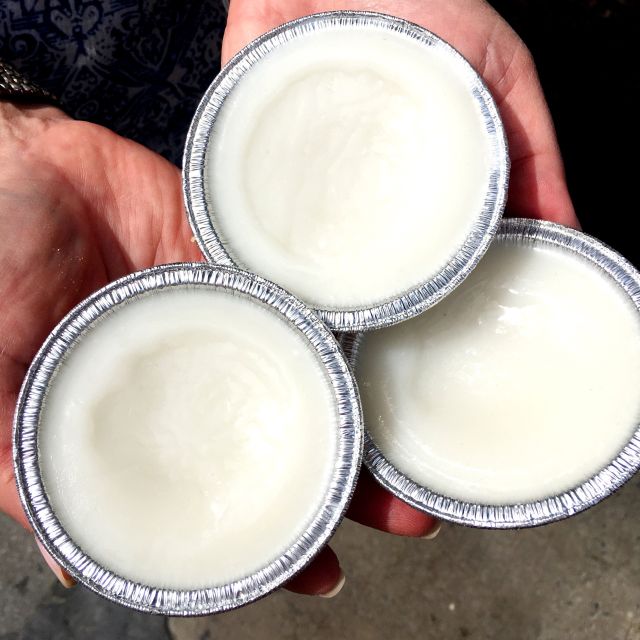
- Six restaurant and bakery tastings covering sweet and savory bites
- A mix of old-school and newer spots, including places linked to 2nd-generation owners
- Historic and architectural stops, including the first street and the site of the first restaurant
- One cocktail or mocktail to close out the tour
Meeting at the Chinatown Gate and What the 3 Hours Feels Like
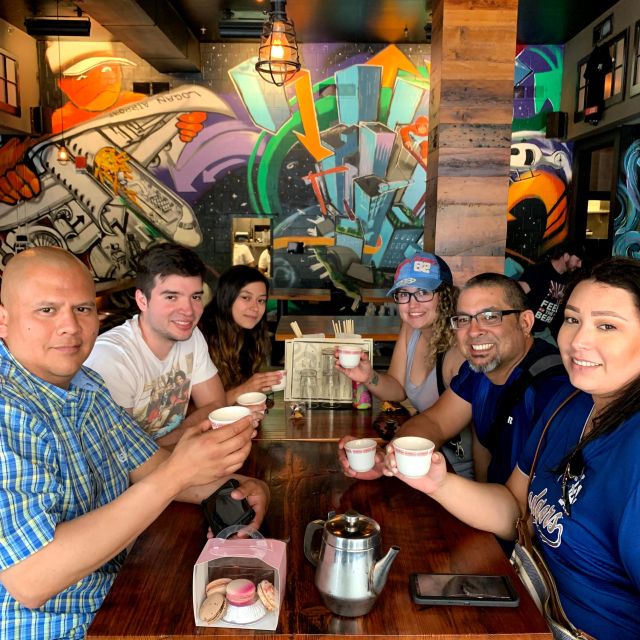
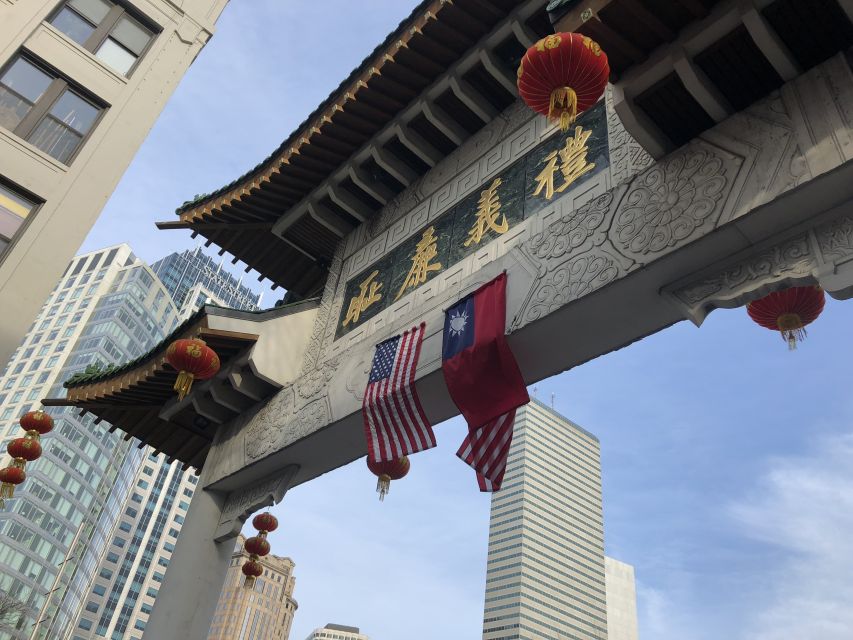
You start right at the Chinatown Gate, which is a big deal in Boston where neighborhoods blur into each other. From the first minutes, you’re not just eating your way around. You’re also learning how Chinatown’s layout and institutions took shape, street by street.
The tour runs about 3 hours on foot. That means you should expect a steady pace: walk, stop, eat, learn, repeat. It’s rain or shine, so if weather looks iffy, bring an umbrella and a rain jacket. Comfortable shoes are non-negotiable here.
This isn’t a sit-and-watch kind of tour. You’ll be outside for a significant portion of the experience, and you’ll want to keep energy up. Water helps. Bring a bottle if you can, and save the big bag logistics for another day. The tour is set up for easy movement, not luggage-lugging.
You can also read our reviews of more food & drink experiences in Boston

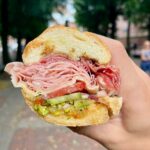
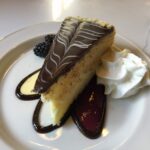
What You Eat: Six Tastings Across Traditional, Modern, and Chinese-American Food
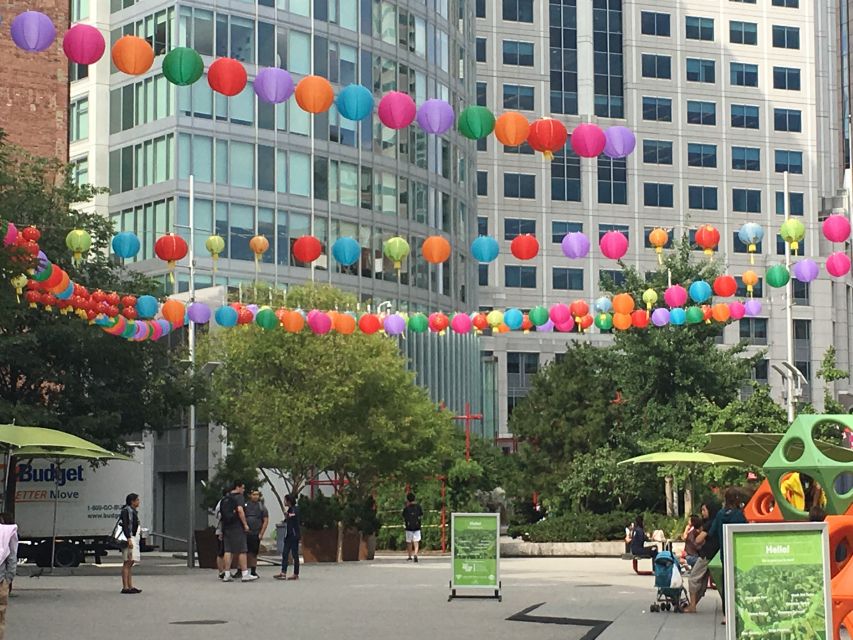
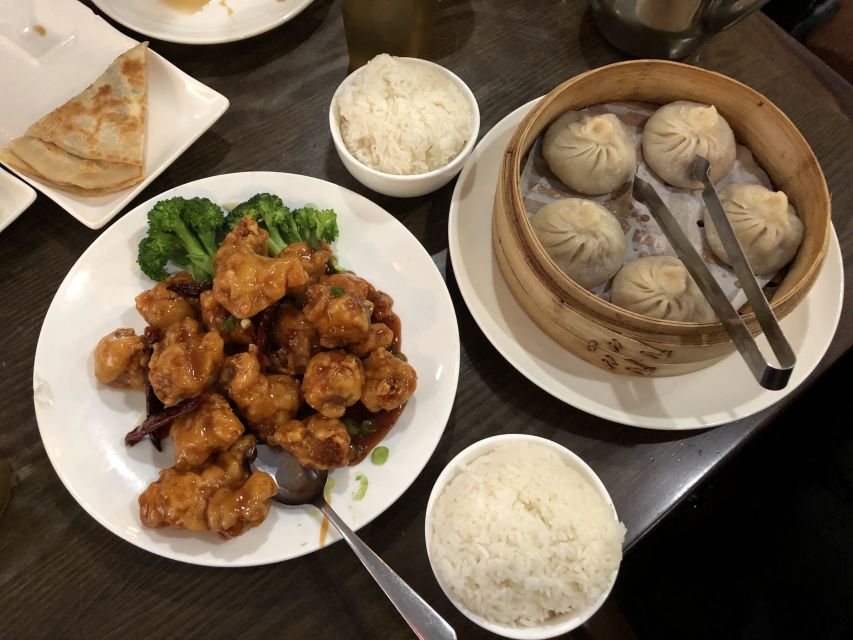
The heart of the tour is food, and it’s built to feel like a satisfying lunch. You’ll get tastings from 6 local restaurants and bakeries, not just one or two plates stretched out for drama. The tastings include both sweet and savory options, so you’re not stuck in one flavor lane.
Here’s the flavor logic you should pay attention to:
- Traditional Chinese dishes show up first to set the baseline.
- Modern-day Chinese bites explain how tastes and techniques evolve over time.
- Chinese-American dishes show the Boston-specific twist: what immigrants kept, what changed, and what got adapted for a new home.
That mix matters because it turns Chinatown from a single-style food stop into a timeline you can taste. You’re not only sampling. You’re comparing.
At the end, you’ll also enjoy one cocktail or mocktail. If you skip alcohol, the mocktail option keeps the ending just as fun. Either way, it’s a nice send-off after walking and eating for hours.
The practical downside on food
One important constraint: the guides are not able to accommodate dietary restrictions or food allergies with alternative tastings on this tour. If you’re vegetarian or managing allergies, this one may not work for you. Plan to choose another type of tour where substitutions are standard.
The Sidewalk History Stops: First Street and the Site of the First Restaurant
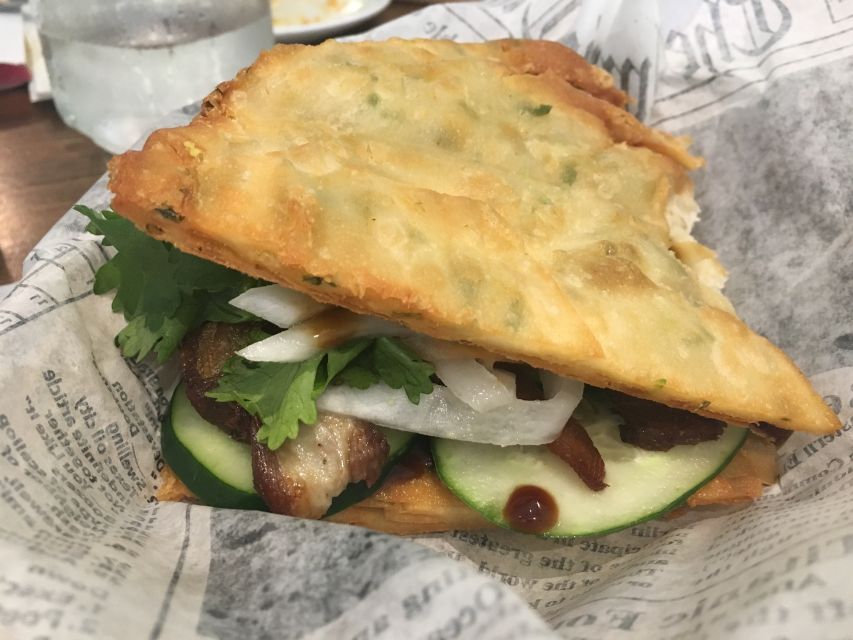
A lot of food tours say history is included. This one uses history as a steering wheel.
Early on, you’ll visit sites of historical and cultural interest, including the first street associated with Chinatown’s beginning and the site of the first restaurant. These stops are valuable because they help you understand that Chinatown didn’t appear fully formed. It grew around people, work, and community needs.
Think of it like this: once you know where the earliest anchors were, later neighborhoods and restaurants feel less random. You can look at streets and buildings with a sense of cause and effect, not just location.
The guide also covers how historic events played a role in shaping Chinese-American culture and cuisine in Boston. You’ll connect those dots as you go, instead of getting a lecture at the end when your feet are tired.
The Oldest Restaurant and Oldest Bakery Stops (What to Look For)
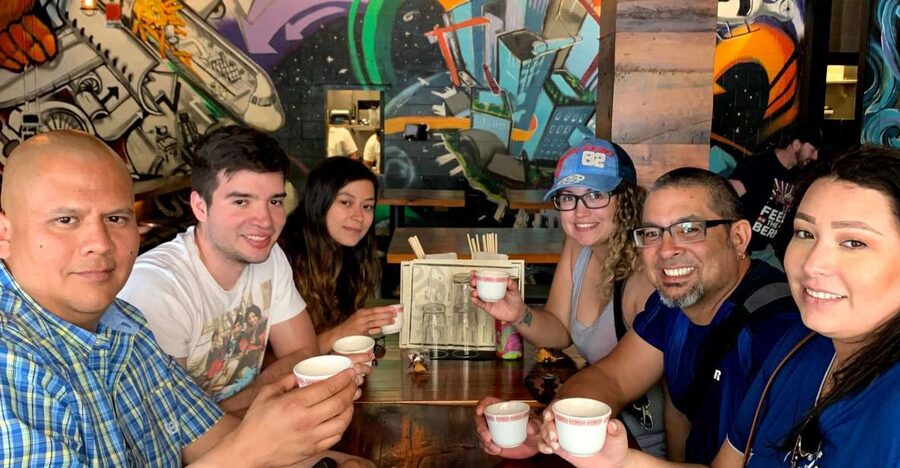
There’s a specific kind of satisfaction that comes from ordering a bite and knowing the place has history behind it. During the tour, you’ll visit the oldest restaurant in Chinatown, with tastings that reflect the classic side of the neighborhood’s food identity.
You’ll also visit the oldest bakery for a sweet. That pairing is smart because it balances savory and dessert without making the tour feel like one long sugar sprint. If you have a sweet tooth, this is where it pays off to arrive hungry.
Each stop also includes context about the establishment and the owners. That part is more than storytelling. It gives the food a human anchor. You’re tasting menus shaped by real decisions—what worked, what customers asked for, and what families passed down.




One stop comes with stairs
One of the restaurant locations on the route requires accessing it by a flight of stairs with no elevator. If you have mobility concerns, this is the one logistical detail you should plan around early so the middle of the tour doesn’t become stressful.
Newer Establishments and 2nd-Generation Changes You Can Taste
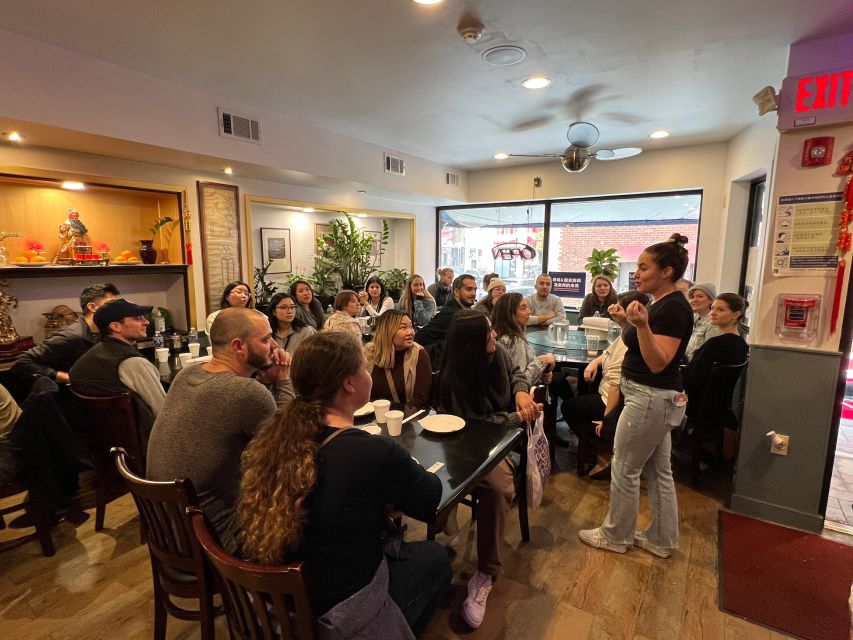
After the older anchors, the tour shifts into a more present-tense view. You’ll visit newer establishments opened by 2nd-generation restaurant owners, and you’ll get tastings that show how the menu adapts across generations.
This is where you’ll likely notice the Boston-specific Chinese-American pattern most clearly: traditions stay, but they’re modified to fit new tastes, new ingredient availability, and changing ideas of what a Chinese meal should include.
Practically, this part of the tour keeps things from getting repetitive. Instead of eating the same style six times in a row, you’re seeing the food evolve. You also get more variety in texture and flavor, which makes the “walk + eat + learn” loop feel lighter.
And if you’re the type who wants a reason behind what you’re tasting, this is the best stretch. The history isn’t just about the past. It’s about how culture keeps moving.
The Cocktail or Mocktail Finale: Why That Last Stop Works
After hours of walking, the final drink landing point is more than a nice add-on. It’s a way to slow down and consolidate what you just learned.
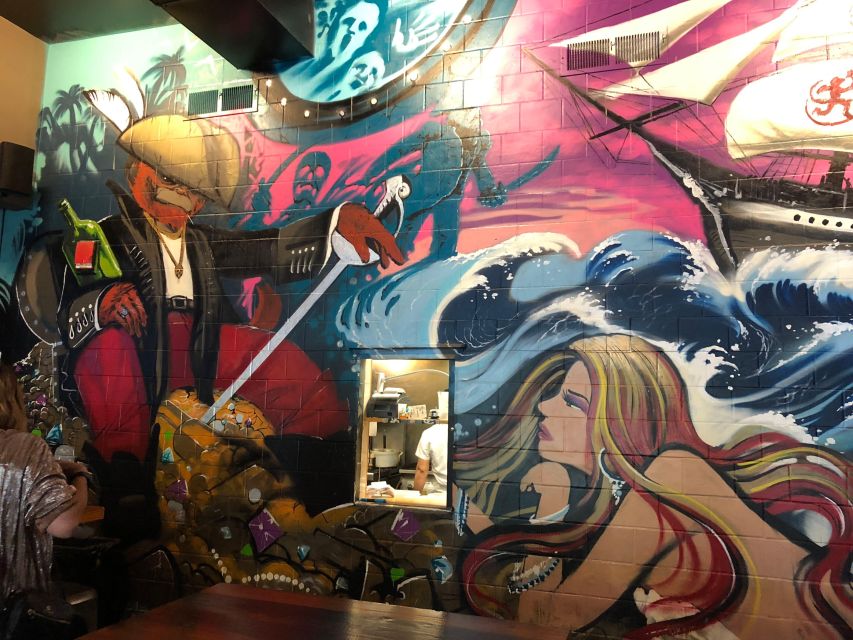
You’ll have one cocktail or mocktail at the end, which gives you a moment to compare notes with your group while the flavors are still fresh. The drink also balances the mix: sweet and savory tastings earlier can make you feel full in a food-heavy way. A drink can reset your palate so you can enjoy the last round without feeling like you’re overstuffed.
It’s also a simple reward for sticking with the tour’s outdoor pace. Three hours in shoes adds up. This ending helps it feel like an experience, not just a snack run.
Guides and the Mini-Lesson Format: What Makes It Enjoyable
The tour’s structure leans on short lessons rather than long speeches. You get explanations at the stops, plus fun facts that connect the neighborhood’s past to the food you’re tasting.
The guides have been praised for being personable and for doing a strong job with those mini history lessons. Andrew and Katie specifically show up in feedback as a good mix of friendly energy and easy-to-follow context.
That matters for two reasons:
- You don’t leave your brain behind while you eat.
- You remember details because they’re tied to an actual street corner or storefront.
If you like your travel with a bit of humor and a lot of practical context, this is the kind of pacing that tends to feel effortless.
Price and Value: Is $125 Worth It?
At $125 per person for a 3-hour walking tour, the price only makes sense if you’re getting more than just “a few bites.” You are.
What you’re paying for includes:
- A guided walking tour of Chinatown with multiple historic and cultural stops
- Tastings from 6 local eateries and bakeries, with both sweet and savory
- One cocktail or mocktail at the end
- Local taxes and fees
In Boston, you can easily spend a lot more than this for food alone, especially when you add drinks. Here, you get a built-in “lunch amount” feel because the tastings add up across multiple places. You also get the guide component, which turns tasting into learning.
So if you want a single afternoon plan that gives you both food and street-level context, the value is pretty strong. If you’re picky about allergies, vegetarian needs, or mobility around stairs, then the value drops fast because substitutions and certain access limits aren’t part of the setup.
Who This Tour Fits Best (And Who Should Skip It)
This tour is a good match if you:
- Want a walkable neighborhood experience with food and cultural context
- Enjoy tasting both sweet and savory bites
- Like the idea of food as a story, not just a checklist
- Are okay with a drink at the end (or want the mocktail option)
It’s not a great match if you:
- Are vegetarian (the tour is not suitable for vegetarians)
- Have food allergies or need dietary substitutions (no alternative tastings are offered)
- Need stroller access or are bringing pets (pets, baby strollers, and luggage or large bags aren’t allowed)
- Are traveling with kids under 12 (not recommended under 12)
If you’re in the middle—say, you can eat most things but dislike a category—double-check your comfort level before booking, because this tour is set up for the tasting plan as given.
Rain, Shoes, and the Simple Stuff That Makes or Breaks It
Because the tour runs rain or shine, plan like you’re going on a long outdoor errand, just with better food. Bring an umbrella if the forecast is questionable. A rain jacket helps you stay comfortable instead of turning damp and grumpy.
Wear comfortable shoes. You’ll be on your feet for a significant portion of the experience, and the route includes at least one stop that requires stairs.
Also bring an ID card (a copy is accepted) and water. That sounds small, but it prevents stress mid-walk.
And yes, leave the smoking and big bags at home. The rules are straightforward because the tour is designed for movement.
Should You Book Boston Chinatown Food Tasting & Cultural History?
Book it if you want a single 3-hour plan that gives you both a memorable food spread and a clear cultural storyline. The mix of traditional, modern Chinese, and Chinese-American tastings is exactly the kind of variety that helps you understand how a neighborhood’s food identity evolves.
Skip it if you need allergy-friendly substitutes, have vegetarian requirements, or you can’t manage the stair access at one stop. In those cases, you’d be paying money for a format that can’t adjust to you.
If you’re a curious eater who likes short history lessons tied to real storefronts, this is one of the easier “pick a tour and enjoy” options in Boston Chinatown.
FAQ
Where is the meeting point?
Your guide meets you right at the Chinatown Gate.
How long is the tour?
The tour lasts 3 hours.
How much does it cost?
It costs $125 per person.
What food is included?
You’ll get tastings from 6 local eateries and bakeries, including both sweet and savory options. The tour also includes one cocktail or mocktail.
Can the tour accommodate food allergies or dietary restrictions?
No. The guides cannot accommodate dietary restrictions or food allergies with alternative tastings on this tour.
Is the tour suitable for vegetarians or kids?
It’s not suitable for vegetarians, and it’s not recommended for guests under 12.
Is the tour indoors, or does it run in bad weather?
It runs rain or shine, and you’ll be outdoors on foot for a significant part of the experience, so bring an umbrella and rain jacket if rain is predicted.