REVIEW · PLOVDIV
From Plovdiv: Sofia – A Story of an Ancient State Day Tour
Book on GetYourGuide →Operated by Bultrips · Bookable on GetYourGuide
Sofia can feel like two cities in one day. Start in Plovdiv, ride to Bulgaria’s capital, then walk from ancient Serdica to UNESCO Boyana Church. You’ll see how layers of empires and ideologies leave their fingerprints on the same streets.
What I like most is the tight mix of eras: Roman remains, Ottoman-era echoes, monarchy highlights, and that unmistakable Communist monumental architecture. You’ll also love that the tour is built around real walking time in the historic center—about three hours—so you don’t just drive past the sights.
One thing to consider: it’s a small-group format (up to 8). If fewer people book, you might end up with a more private feel (less group vibe), which worked for some but may not be what you want if you’re hoping to meet others.
In This Review
- Key highlights to look for
- Plovdiv to Sofia: a long drive that earns its keep
- The core walk: Roman Serdica and the churches that frame it
- A note on the atmosphere
- Alexander Nevski, monarchy landmarks, and the State of Sofia
- Sofia History Museum: how Sofia became the country’s center
- Communist architecture, then the former residence that became a national museum
- A practical tip
- Boyana Church: UNESCO frescoes that tell stories
- The best way to enjoy it
- Park The Bells: a Cold War peace story you can walk through
- Timing and pace: a full day that stays organized
- The $104 price: what you’re really paying for
- Who should book this Sofia day trip from Plovdiv?
- Should you book it?
- FAQ
- What time is hotel pickup in Plovdiv?
- How long is the tour?
- What size is the group?
- Which UNESCO site is included?
- What’s included in the price?
- Is food included?
- What language is the tour guide?
Key highlights to look for
- Two-hour highway ride on the Silk Road to Rome route to set the historical tone fast
- Serdica ruins + St. Sofia church + St. George rotunda in one efficient city walk
- Sofia’s monarchy and Communist-era landmarks grouped so the story makes sense
- National History Museum collections spanning 13,000 years, housed in a former Communist residence
- Boyana Church UNESCO frescoes (saints and noble portraits) in a very photogenic interior
- Park The Bells and the Cold War peace initiative with bells made by children
Plovdiv to Sofia: a long drive that earns its keep
This day tour starts with hotel pickup in Plovdiv at 09:00. You’re not just commuting; you’re setting up the theme. The route includes around two hours on a modern highway that follows an ancient connection between the Silk Road and Rome. That matters because Sofia isn’t a one-period city. It’s a crossroads, and this transfer helps you understand why.
When you arrive, you park and switch to walking. That’s the smart part of the pacing. You’ll get time to actually look, not only rush from photo stop to photo stop. And you’ll be walking with a guide who can explain how one era reused or surrounded another—sometimes literally, with older foundations showing up close to newer buildings.
If you’re the type who likes a clear plan, this tour gives you one. The day is structured as a history storyline: ancient city remnants, then monarchy and state institutions, then Communist power, and finally a UNESCO stop that lets art do the talking.
You can also read our reviews of more tours and experiences in Plovdiv.
The core walk: Roman Serdica and the churches that frame it
Sofia’s historic core is where the tour’s “aha” moments happen. After about three hours of walking, you’ll cover a compact set of sights that are often spread out if you’re planning solo.
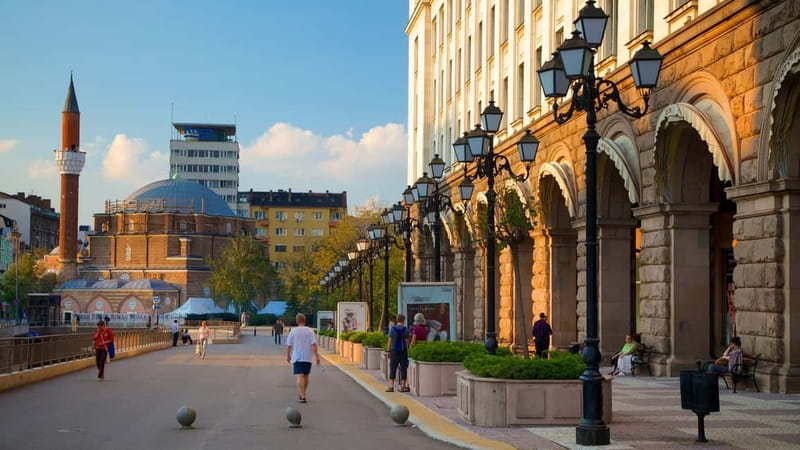
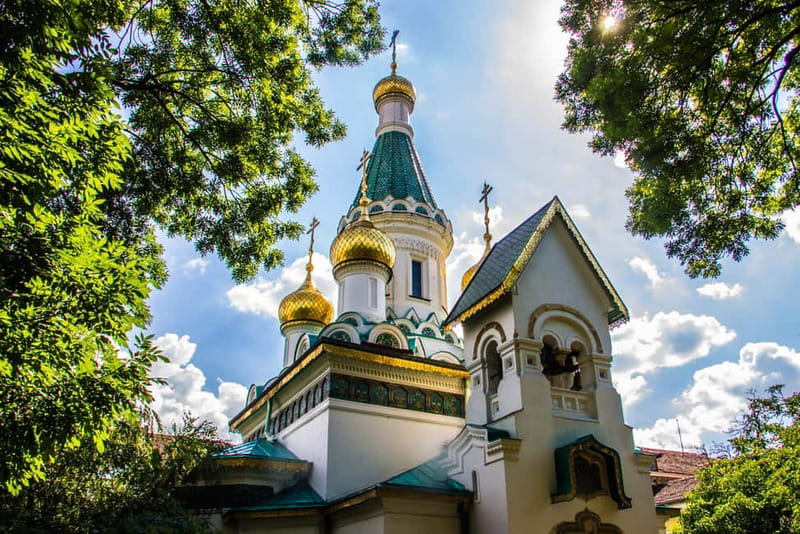
A big highlight is the Roman city of Serdica. On this itinerary, you see it through ruins and key religious buildings tied to the same landscape. The tour specifically includes:
- Roman ruins of Serdica
- St. Sofia church
- the Rotunda of St. George
Why this grouping works: it shows you how the city’s identity kept changing, but the bones stayed. Roman structures and later churches sit side by side in a way that makes Bulgaria’s capital feel layered, not chaotic.
From a practical standpoint, plan on comfortable, supportive shoes. This is a full day with walking in a historic center, and the route includes several stops rather than one or two slow scenic viewpoints.
A note on the atmosphere
Even if you’ve visited other Balkan capitals, Sofia’s center has a distinct vibe. You’ll notice the mix of Orthodox religious forms and later civic architecture, and the guide’s explanations help you read what you’re seeing. It’s one of those days where the details only show up if someone tells you what to look for.
Alexander Nevski, monarchy landmarks, and the State of Sofia
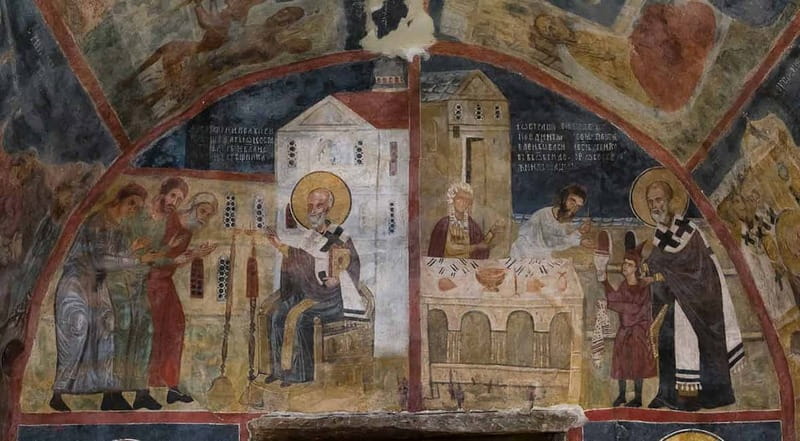
Once you get past the ancient layer, the tour shifts into the story of the modern capital. You’ll visit several major symbols and institutions that define Sofia’s public face.
Included on the walk are:
- Alexander Nevski Cathedral, the city’s signature landmark
- the monarchy palace
- Sofia University’s main building
- a piece of art from the very late 19th century
- the parliament
- and the Communist administrative center
This isn’t random sight-hopping. The order helps you connect the dots. The cathedral and university give you the “spiritual + scholarly” identity. The monarchy palace and parliament show you how the state tried to present itself. Then the Communist administrative buildings explain another reset of political power—different aesthetics, same goal: authority in stone.
If you’re a history buff, you’ll appreciate how the guide frames the transitions. One of the best parts is being able to ask questions and get straight answers in English. Guides such as Ivo or Theodore have been noted for strong English and for talking through context, not only reciting dates. That makes the city feel understandable instead of just impressive.
Sofia History Museum: how Sofia became the country’s center
Midway through the day you’ll add one more museum, the Sofia History Museum. This stop focuses on Sofia’s role in the 20th-century monarchy period, when the city became the center of the country.
You might think of Sofia as “a capital with a few big churches,” but the museum gives you the state-building angle. It’s also useful if you want a break from walking without losing the theme of the day.
This is a good stop for two types of travelers:
- Those who enjoy facts and timelines
- Those who like museum context so they can better interpret what’s outside the windows
And if you’re the flexible type, there’s even room in the day for a spontaneous extra museum detour for something you prefer, if time allows. That can turn an already solid itinerary into something tailored to your interests.
Communist architecture, then the former residence that became a national museum
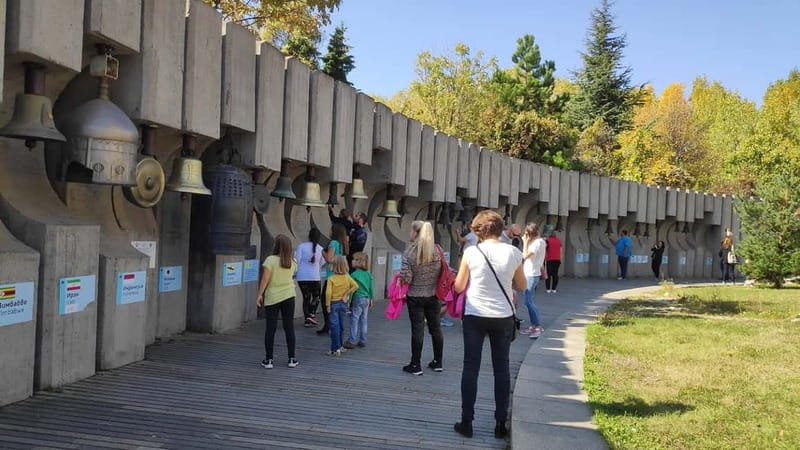
After the center walk, the tour drives to Sofia’s outskirts for a major stop connected to the Communist era. You’ll visit the main Communist residence, which now houses the National History Museum.
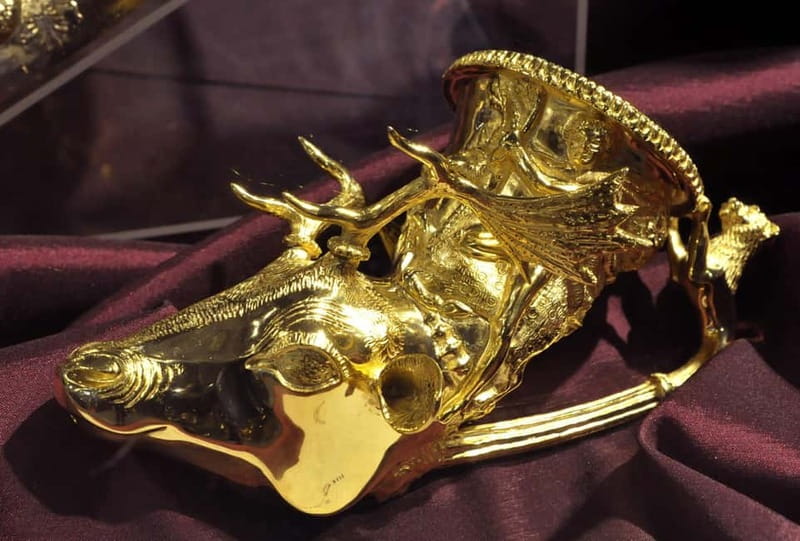
This matters because you’re moving from street-level symbols to a real seat of power—then switching from politics to artifacts. The museum’s collections span over 13,000 years of history, from early civilizations in the region through the Ottoman era and into modern-day Bulgaria.
The highlight section for many visitors is the medieval holdings:
- medieval weapons and armor
- religious icons from the Bulgarian Middle Ages
This is where you get a sense of cultural continuity. Political systems change, but religious art, craftsmanship, and symbolism carry forward. The museum makes those threads easier to spot.
A practical tip
Museums can be time sinks, but this one fits the tour because it’s explicitly tied to the day’s storyline. You don’t just wander. You’re guided through what’s most relevant to the Bulgarian Middle Ages and the bigger historical arc.
Boyana Church: UNESCO frescoes that tell stories
Now for the UNESCO stop that often becomes the day’s emotional highlight: Boyana Church.
The church was built in the late 10th century, but it’s famous for its 13th-century frescoes. That’s the key: the building is older, and the artwork is what made it legendary. The frescoes depict:
- scenes from the lives of saints
- portraits of Bulgarian nobles and church dignitaries
You’ll also learn how the architecture blends styles—Byzantine and Bulgarian elements. Inside, the space is divided into three parts with different visual emphasis:
- the nave with columns and a ribbed ceiling
- the apse’s semi-dome filled with fresco decoration
- the narthex, or entrance area, also painted and acting as a transition between the secular and religious worlds
This is a great stop if you like art history without needing a degree. The guide’s job here is to connect what you see to what the frescoes mean, not only describe colors and shapes.
The best way to enjoy it
Go in ready to slow down a little. Boyana Church is the kind of place where one well-placed portrait or painted panel can hold your attention longer than another cathedral exterior you’ve already seen.
Park The Bells: a Cold War peace story you can walk through
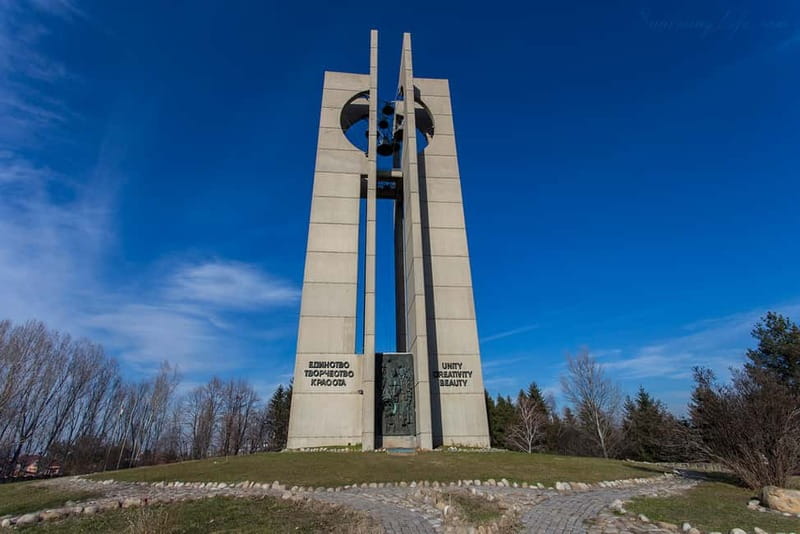
Before returning to Plovdiv, you’ll finish at Park The Bells. It’s a Communist-era monument built in 1979 by the daughter of the last Communist leader of Bulgaria, tied to an initiative called The flag of peace.
Here’s the unusual detail that makes it memorable: children from both sides of the Iron Curtain met and made bells, and those bells were presented in the park.
It’s not an abstract “history lesson.” It’s a physical reminder of how even during tense times, people tried to connect. If you’ve only seen Communist architecture as power and control, this stop gives you another angle: human contact.
It’s also a nice final pause before the ride back to Plovdiv. It breaks up the day’s heavy themes with something more personal and quietly hopeful.
Timing and pace: a full day that stays organized
This tour runs 9 hours total. The schedule is built around three phases:
- 09:00 pickup and about two hours driving
- around three hours walking in central Sofia, plus city stops and museum time
- driving on the outskirts for the national museum area and then Boyana Church, followed by The Bells and the return
That’s a lot to fit, so the pacing matters. The upside is that you won’t spend half the day in transit without purpose. The downside is that this is not a “sit and snack” kind of outing.
Food isn’t included. Bring water if you like, and plan to eat on your own before/after the tour. Comfortable shoes are the main packing item listed, and I’d treat that as non-negotiable for this itinerary.
If you tend to get tired quickly, consider resting between stops when you can. The guide’s planning helps, but you still have a day’s worth of movement.
The $104 price: what you’re really paying for
At $104 per person, this tour isn’t the cheapest way to see Sofia from Plovdiv. But it has value drivers that add up fast:
- Hotel pickup and drop-off in Plovdiv
- a highly educated, professional English guide
- transportation in a modern vehicle
- entrance fees for the included sites
- a route that uses time efficiently, so you’re not piecing together tickets and transit on your own
For many visitors, the biggest “value moment” is Boyana Church. UNESCO art like this costs time and planning if you go DIY. Add the Roman Serdica sights and the National History Museum, and suddenly the day makes sense as a packaged experience.
Is it worth it for everyone? If you love history and you want a guided storyline, yes. If you only care about one or two major sights and you prefer to wander without structure, you might find better value by going independently.
Who should book this Sofia day trip from Plovdiv?
This is a strong fit if you:
- want a guided overview that connects Roman → monarchy → Communist → UNESCO art
- prefer small groups (up to 8 participants) and space for questions
- like museums, especially when they explain how artifacts tie to political and cultural shifts
It may feel less ideal if you:
- hate walking in older city areas
- want free time to roam at your own pace for most of the day
- are traveling only for one specific attraction and don’t care about the rest of the storyline
And about the group size: because it’s small, you might get a more personal feel. One person might end up with the guide more directly instead of sharing attention with a full crowd. That can be great for Q&A, even if it changes the social vibe.
Should you book it?
If your goal is to understand Sofia beyond the postcard, I’d book it. The itinerary is designed to show you how layers of power and belief overlap on the same ground: Roman remains under later churches, monarchy symbols next to state institutions, Communist administrative architecture, then UNESCO fresco art at Boyana Church.
I’d skip it only if you’re short on stamina or you’d rather pick one museum and one monument than handle a full 9-hour history run.
FAQ
What time is hotel pickup in Plovdiv?
Pickup is at 09:00 from your hotel or address in Plovdiv.
How long is the tour?
The tour lasts 9 hours from start to finish.
What size is the group?
It’s a small group, limited to up to 8 participants.
Which UNESCO site is included?
The tour includes Boyana church, which is the UNESCO World Heritage stop on the itinerary.
What’s included in the price?
Included are hotel pickup and drop-off in Plovdiv, a guide, entrance fees, and transportation in a modern vehicle.
Is food included?
No. Food and drinks are not included.
What language is the tour guide?
The live tour guide is English.