REVIEW · KOLKATA
Kolkata Heritage Tram Tour
Book on Viator →Operated by Trips & Tours · Bookable on Viator
A tram ride is the shortcut through old Kolkata. This heritage tram tour helps you see Kolkata fast, gliding past big landmarks like the Maidan with stops that explain local life beyond the postcard stuff.
I like the early start and the way the guide keeps the story practical, with local names like Mr. Arif and Haris showing up in past groups. One thing to watch: street noise can make hearing tricky at times, so ask if headsets are available since the operator has said they plan to add them.
In This Review
- Quick reasons to go
- Why this heritage tram tour is the best orientation move
- Price and value: what $60 buys you in 2–3 hours
- Starting at 7:00 am: beating traffic around the Maidan zone
- Birla Mandir and the Birla family’s street-level impact
- Church and mosque stops in one ride: Sacred Heart, Tipu Sultan Masjid, and more
- Sacred Heart Church
- Tipu Sultan Masjid
- Other Christian landmarks
- Lower Circular Road Cemetery: a stop that slows your pace
- Schools, colleges, and Urdu language institutions: Kolkata’s brainwork
- A church school for vulnerable children
- Maulana Azad College
- Muslim Institute and West Bengal Urdu Academy
- Heritage Book Store
- Nonapukur Tram and Mother House: the ride’s perfect bookend
- Nonapukur Tram (birthplace of Calcutta Tramways)
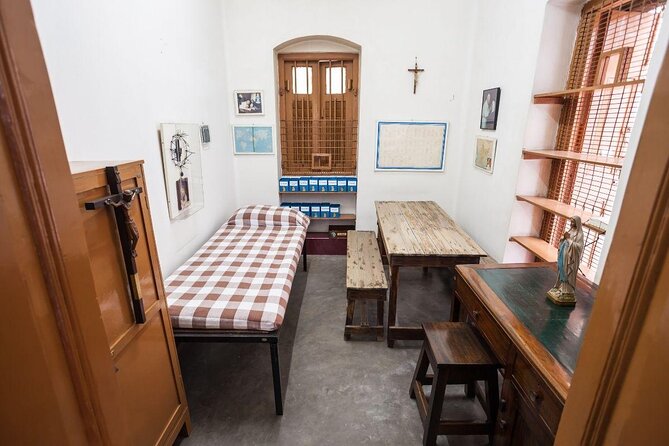
- Mother House (Mother Teresa’s House and final resting place)
- On-board practical tips: noise, comfort, and getting the most from short stops
- Noise can affect hearing
- Expect short stepping windows
- Morning weather matters
- Bring the basics
- Who should book this tram tour (and who might want another option)
- Should you book this Kolkata Heritage Tram Tour?
- FAQ
- How long is the Kolkata Heritage Tram Tour?
- What time does the tour start, and is there pickup?
- What’s included in the price?
- How many stops are on the route, and how long are they?
- Are any attractions free to enter?
- What’s the group size limit?
- What happens if the tour is canceled due to weather or if I need to cancel?
Quick reasons to go
- Heritage tram rides that feel like transport history, not just sightseeing
- 7:00 am departures to catch central Kolkata before traffic fully ramps up
- Landmark stops across religions and everyday institutions, all in one smooth loop
- Snacks and refreshments included, which makes a morning tour much easier on your schedule
- Free-admission highlights called out at several key stops
- A small group size (maximum 20) that keeps the pace human
Why this heritage tram tour is the best orientation move
If you’re new to Kolkata, you face a choice: spend hours figuring out routes on your own, or get your bearings from a moving baseline. This Kolkata Heritage Tram Tour does the second one. You ride the heritage tram network that still runs in the city, and you get a guided flow of sights that connect neighborhoods, faiths, and civic life.
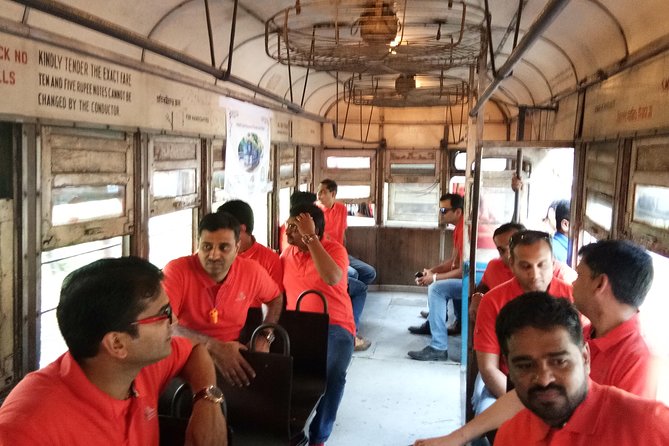
The tram ride itself is the headliner. You’re not stuck inside a bus watching out a window; you’re on a working heritage vehicle that gives you a different sense of speed and street texture. One of the strongest reasons people do this tour is the chance to experience Kolkata through transit—exactly the kind of local detail that’s hard to recreate later with photos.
And because it’s a guided format, you don’t just collect names. You learn what those places mean in the daily rhythm of Kolkata: temples, churches, a cemetery, schools, colleges, and the Mother Teresa area at the end.
You can also read our reviews of more historical tours in Kolkata


Price and value: what $60 buys you in 2–3 hours
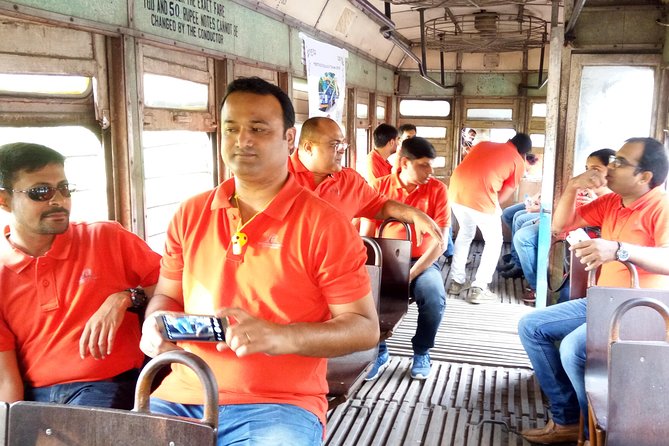
At $60 per person, this isn’t a budget “walk and point” tour. But it’s also not an all-day private driver situation. For a 2–3 hour experience, you’re paying for three practical things at once:
- A heritage tram ride (the main transport experience)
- A guided route with multiple stops and explanations
- Snacks and refreshments during the morning
On top of that, several stops are explicitly marked as free admission in the tour info—like Sacred Heart Church, Tipu Sultan Masjid, the Nonapukur Tram stop, and Mother House. So you’re not paying entry fees every time you step out. Even if you end up spending extra time later elsewhere in Kolkata, this gives you a structured “first pass” that can save you time and confusion.
If you’re only in the city for a short window, this format often feels like better value than piecing together transit plus guides plus separate entry tickets.
Starting at 7:00 am: beating traffic around the Maidan zone
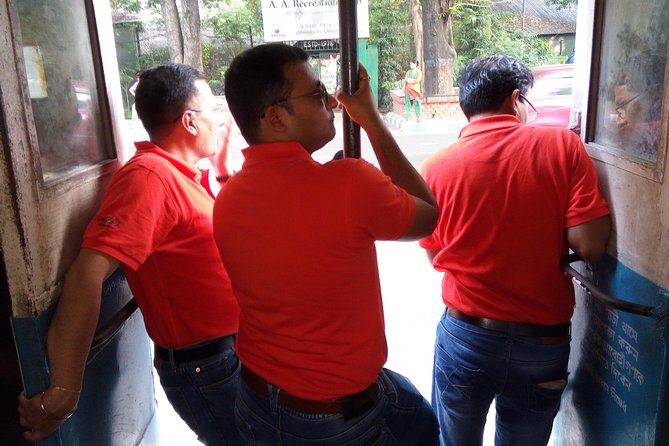
The tour starts at 7:00 am, and that early timing matters more than it sounds. Kolkata at dawn is simply easier to move through. You get clearer sightlines and fewer delays, so the guide can actually stick to the pace without everyone losing their morning.
There’s another bonus: central Kolkata wakes up gradually. From the tram, you pass landmarks such as the Maidan and the Victoria Memorial area, and you get a calmer view than you’d likely get later. It’s a small thing, but it changes the tone of your photos and your patience.
I’d treat this as a morning tour, not a lazy brunch plan. Wear comfy shoes, because you’ll be hopping off and on at stops, and you’ll want to look around quickly when the tram pauses.
Birla Mandir and the Birla family’s street-level impact
One of your first landmark stops is Birla Mandir on Asutosh Chowdhury Avenue. This Hindu temple is dedicated to Vishnu avatars, including Rama and Krishna, and it was built by the Birla family. It’s also a good “anchor” stop: religious architecture that feels both polished and culturally central, so you have something concrete to focus on while the tram route strings other parts of Kolkata together.
The tour also includes another Birla-family landmark. The details in the tour description are brief, so I’ll keep expectations modest: you’re going to see more of the industrialist Birla legacy expressed in architecture and local prominence. Even without getting a long sermon, these stops help you understand how influential families have shaped parts of the city’s public face.
Practical tip: if you care about photos, go hands-on when you step out. The tram keeps moving, and some of the best shots are the ones you take in the short window right after the stop.
Church and mosque stops in one ride: Sacred Heart, Tipu Sultan Masjid, and more
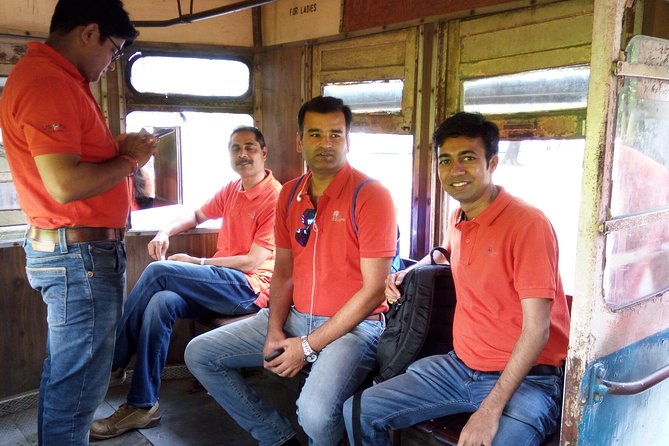
What I really like about this route is how it doesn’t treat religion like separate trips. You move between faith sites in a single morning, which makes Kolkata feel like one connected city instead of a set of unrelated boxes.
Here’s how the tour’s religious variety shows up:
Sacred Heart Church
You’ll stop at Sacred Heart Church, where the Portuguese legacy of Bengal is described as still visible but often overlooked. The tour also references a dramatic backstory element connected to the area—something like an attempt to murder or a street incident—so you’re not just looking at a facade. You get a human reason the place has a reputation.
Tipu Sultan Masjid
Next is Tipu Sultan Masjid (also called Tipu Sultan Shahi Mosque). It’s named after Tipu Sultan, ruler of Mysore, and is described as a relic of architectural and cultural heritage. The time here is short—about 20 minutes—but it’s enough to read the significance without rushing through.
Other Christian landmarks
The route includes several additional churches and church-linked sites, including:
- Thoburn Memorial Methodist Church, established in 1873
- The Lord Jesus Church, a Catholic church in Taltala that was formerly a Church of Scotland Presbyterian place of worship and later handed over to the Jesuits in the 19th century (the description stops there, so you won’t get exact year-level detail)
There’s also an earlier stop described as an ancient church that many people visit for serenity and its spiritual vibe. The key value here is the change of pace: you’re not just touring big monuments; you’re stepping into small moments that feel more like local life than a scripted performance.
Lower Circular Road Cemetery: a stop that slows your pace
One stop that tends to stick with people is Lower Circular Road Cemetery, also called General Episcopal Cemetery. It was established in 1840 and is still operating as a functional cemetery. The tour description puts the number of graves at roughly 12,000, which is a lot to process in a short visit.
For me, cemetery stops are either empty mood lighting or they’re meaningful context. This one leans toward context. Even if you only see a portion of the grounds in the time you’re there, the fact that it’s still active makes it feel less like a museum and more like part of Kolkata’s ongoing story.
Wear shoes that handle uneven ground. And if you tend to get emotional easily, give yourself permission to take a breath before you start taking photos.
Schools, colleges, and Urdu language institutions: Kolkata’s brainwork
A big part of the tour’s appeal is that it doesn’t only hit temples and famous monuments. It also points at the institutions that shape everyday life: education, language, and community services.
A church school for vulnerable children
The tour includes a stop tied to Pastor Buntain, who set up the first Assembly of God Church School in Kolkata in January 1964, starting with 200 children. The reason this matters is clear in the tour description: it was a response to the plight of poor and homeless children. This is a useful stop because it shows how faith communities have influenced social support, not only worship.
Maulana Azad College
You’ll also visit Maulana Azad College, founded in 1926. It’s described as a government-administered liberal science and arts college in central Kolkata, near Rafi Ahmed Kidwai Road. Even if you don’t go inside, this stop helps you map the city as a place of learning—not just a place of monuments.
Muslim Institute and West Bengal Urdu Academy
Two language-and-community-related stops round this section out:
- The Muslim Institute, with its foundation laid in July 1902
- West Bengal Urdu Academy, described as a heritage institution set up by the Left Front Government for the upliftment of the Urdu language
I like these stops because they give you a cultural thread to follow. Kolkata’s identity shows up not just in architecture, but in language policy, education, and how communities preserve what they speak.
Heritage Book Store
The route also includes a stop at a Heritage Book Store. With just that phrase in the description, I can’t promise you specific titles or sections. But the practical point is strong: it’s a chance to pick up a small piece of Kolkata’s written culture while the tour is already threading that language-and-history theme.
Nonapukur Tram and Mother House: the ride’s perfect bookend
Every good city tour has an emotional last stop. This one closes on two connected parts of Kolkata’s transit-and-spiritual identity.
Nonapukur Tram (birthplace of Calcutta Tramways)
You’ll stop at Nonapukur Tram, described as the birthplace of Calcutta Tramways. This is a short stop—around 20 minutes—but it’s a big idea. It ties the whole experience back to why you’re here: Kolkata’s tram network is not a novelty; it’s the city’s own transport heritage.
Mother House (Mother Teresa’s House and final resting place)
Then you reach Mother House, described as Mother Teresa’s House and the final resting place of St. Teresa. You’ll spend about 30 minutes here, and this is the kind of stop where you’ll likely want a bit more quiet than the tram earlier.
If you’re moved by religious history, humanitarian work, and the way a city honors someone who became a global symbol, this is a meaningful close. Even if you don’t plan to wander much, the structure of the stop helps you slow down and take it in.
On-board practical tips: noise, comfort, and getting the most from short stops
A tram tour is fun, but it does come with trade-offs. You’re on public transit in real street conditions, so here are the practical things I’d think about before you go:
Noise can affect hearing
One concern that has come up: the guide can be hard to hear due to street noise. The operator response in the tour info says headsets are planned for the near future. Until then, pick seats where you can face the guide more easily, and don’t be shy about asking the guide to repeat key points during louder stretches.
Expect short stepping windows
Several stops are about 20 minutes, with Mother House closer to 30 minutes. That means you’ll scan first, then look deeper only if the group isn’t rushing. If something grabs your attention—say a church interior detail—pause and take your time quickly, then move with the group.
Morning weather matters
The tour requires good weather. If weather is poor, you’ll be offered another date or a full refund. Kolkata mornings can be unpredictable, so I’d check forecasts the night before and stay flexible.
Bring the basics
The tour includes snacks and refreshments, which helps a lot. Still, I’d bring a light layer and stay mindful of sun exposure if the morning gets brighter fast.
Who should book this tram tour (and who might want another option)
This tour is a great match if you want:
- An overview of Kolkata without spending the whole day in planning mode
- A way to see major landmark areas plus smaller religious and civic sites in one go
- A transit experience that feels local, not staged
- A morning that moves at a steady pace while the city is quieter
It may be less ideal if:
- You’re sensitive to noise and need clear audio to enjoy guided stories
- You hate short stops and prefer long museum-style visits
If you like transit history and city layout as much as monuments, this is exactly your lane.
Should you book this Kolkata Heritage Tram Tour?
I’d book it if you’re looking for a smart first look at Kolkata that mixes famous names with real city institutions. The heritage tram ride gives you a local transport experience, and the stop choices cover the city’s religions, education, and humanitarian legacy without taking an entire day.
If you can handle street noise and want an efficient morning, this tour offers strong value for $60—especially with snacks and refreshments and the chance to see several places with free-admission noted in the tour info.
If the idea of hopping on and off many short stops sounds tiring, you might prefer a slower walking tour or a museum-focused plan. But for most first-timers, this one is a practical hit.
FAQ
How long is the Kolkata Heritage Tram Tour?
The tour runs for about 2 to 3 hours.
What time does the tour start, and is there pickup?
The start time is 7:00 am. Pickup is offered.
What’s included in the price?
The tour price includes snacks and refreshments, plus the heritage tram experience. It also uses a mobile ticket.
How many stops are on the route, and how long are they?
Stops vary, with several listed around 20 minutes and Mother House listed at about 30 minutes.
Are any attractions free to enter?
Some stops are explicitly marked as admission ticket free in the tour info, including Sacred Heart Church, Tipu Sultan Masjid, Nonapukur Tram, and Mother House.
What’s the group size limit?
The tour has a maximum of 20 travelers.
What happens if the tour is canceled due to weather or if I need to cancel?
The tour requires good weather. If canceled due to poor weather, you’ll be offered a different date or a full refund. You can cancel for a full refund up to 24 hours in advance of the experience start time.