REVIEW · WALVIS BAY
From Walvis Bay: Sandwich Harbour World Heritage Site
Book on GetYourGuide →Operated by Africa Edge Tours and Safari cc · Bookable on GetYourGuide
Sand dunes, flamingos, and world-class birding in one stretch. This is a guided 4×4 outing from Walvis Bay that takes you through wetland areas and, when tides and weather cooperate, out toward Sandwich Harbour’s coastal wetlands—complete with photo stops, lunch, and a close look at the small stuff that makes the Namib tick.
What I like most is the hands-on wildlife spotting. You’ll scan tidal lagoons, mudflats, and sandbars for flamingos and many wetland birds, and you’re not just watching from a distance. The guides also point out smaller creatures you might miss on your own.
My other big win is the safe, skilled dune driving. Guides like Charles and Herman get praised again and again for patient guiding and smart driving—so you can focus on spotting animals and setting up photos.
One consideration: the timing and what you can do depends on conditions. Beach driving toward Sandwich Harbour and optional sandboarding or dune climbing are listed as dependent on weather and tides, so you’ll want flexible expectations.
In This Review
- Key highlights to know before you go
- Where this tour starts: Walvis Bay’s flamingo lagoon energy
- The first RAMSAR stop: tidal lagoons, mudflats, and endangered bird spotting
- Driving by the dunes: what the 4×4 actually gives you
- Beach driving to Sandwich Harbour: when tides make the magic happen
- What Sandwich Harbour Lagoon feels like on the ground
- Lunch break: the high dune advantage (and why it’s worth it)
- Wildlife you might spot on the return drive
- Optional add-ons: sandboarding and dune climbing (only if conditions allow)
- What to pack: keep it simple and protect your body
- Getting the most from your guide: how to make the day better
- Price and value: how $153 fits the experience
- Who this tour suits best
- Quick in-your-face rules to remember
- Should you book this Sandwich Harbour day trip?
- FAQ
- Where is the meeting point?
- How long is the tour?
- What languages are the guides?
- Is the tour wheelchair accessible?
- Does the itinerary include Sandwich Harbour Lagoon every time?
- Is sandboarding included?
- What’s included in the price?
- What wildlife and birds might I see?
- What should I bring for comfort?
- Are drones or pets allowed?
Key highlights to know before you go
- 4×4 dune driving with trained guides who prioritize safe, steady handling
- Two RAMSAR sites in one day: Walvis Bay lagoon area and Sandwich Harbour Lagoon (conditions permitting)
- Birdwatching focus with endangered species regularly observed at the RAMSAR stops
- Photo-first stops where your guide will help you get the shot instead of rushing through
- Light lunch and drinks at a high dune or on the beach with Atlantic views
- Optional sandboarding and dune climbing if time and conditions allow
Where this tour starts: Walvis Bay’s flamingo lagoon energy
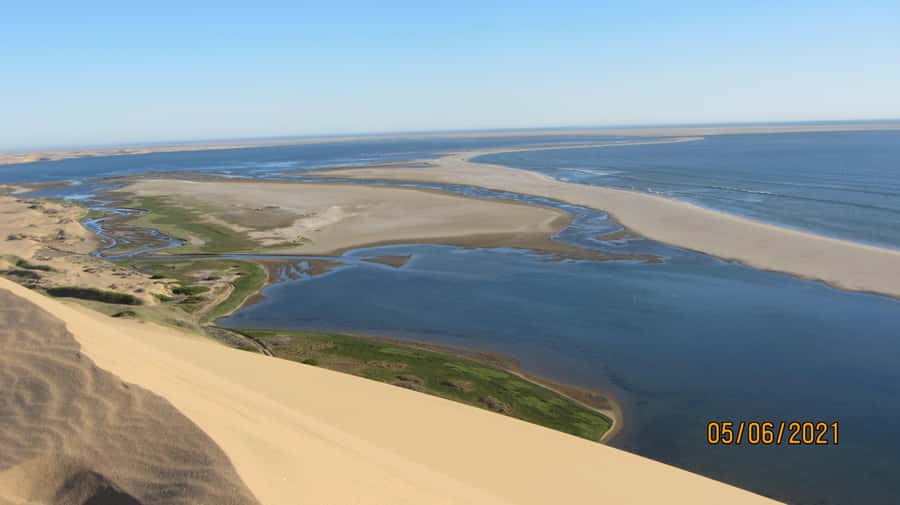
This half-day tour is built around Walvis Bay, one of Namibia’s best places to watch birds without having to “bird-tour” all day. You meet at Walvis Bay parkrun, and the operator notes that you can also link up at the Walvis Bay Lagoon Flamingo Villas hotel or—if you’re arriving on a cruise—near the harbor gate. Either way, the practical tip is simple: find the vehicle with the local partner logo.
Once you’re with your guide, the first mood is usually set fast. You start by looking at the Walvis Bay lagoon area where flamingos gather in numbers that look like they belong in a nature documentary. Even if you’re not a serious birdwatcher, the sheer scale is the point—this is a place where the whole day’s theme makes sense.
You can also read our reviews of more historical tours in Walvis Bay
The first RAMSAR stop: tidal lagoons, mudflats, and endangered bird spotting
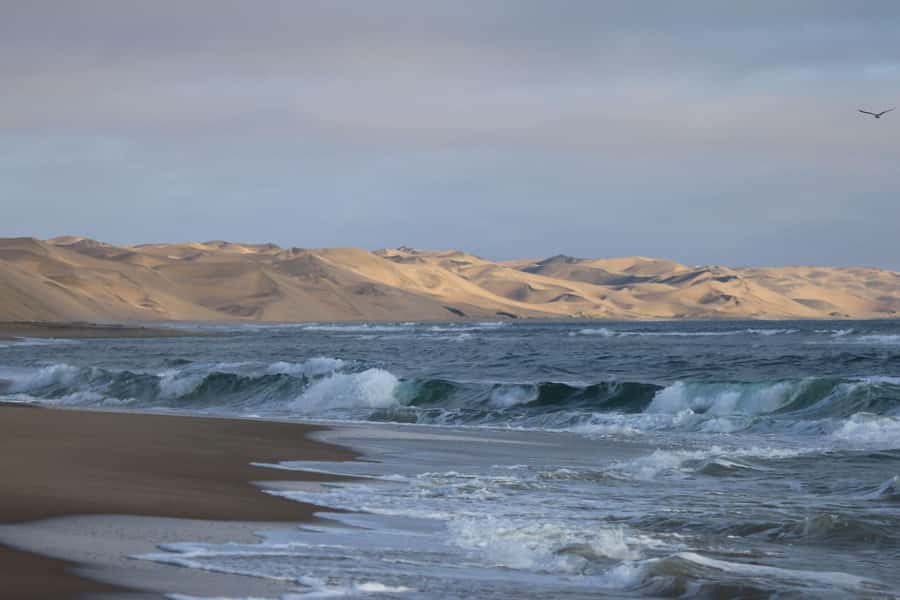
After you’re oriented, you drive by 4×4 into a tidal lagoon system made up of adjacent intertidal areas, mudflats, and sandbars. This is where the tour’s birding value really shows up. The wetlands support thousands of wetland birds, and you get time to scan, watch behavior, and spot different species as they move through feeding zones.
The RAMSAR angle matters because it signals protection and long-term conservation of these habitats. And the listing gives you a strong clue about what to look for: in addition to flamingos, there are 11 species of endangered birds that are regularly observed at this RAMSAR site.
What I find useful here is that you’re not only tracking the big, obvious birds. The tour also calls out smaller, less-famous wildlife you can hunt for with your eyes and (ideally) binoculars. You may look for:
- Fog-basking beetle
- Dancing Spider, nicknamed the white lady of the Namib
- Golden mole
- Shovel-snouted lizard
- Palmetto gecko
If you’re traveling with kids or friends who get impatient with slow birdwatching, this “small creature” focus helps keep the day moving. You can do both—scan for birds, then switch to tiny-creature spotting when you’re driving along quieter stretches.
Driving by the dunes: what the 4×4 actually gives you

A lot of Namibia tours promise dunes and then spend most of the time on a road. This one is more direct about the real advantage: you’re on a maintained, reliable 4×4 with a guide who knows the dune terrain.
From the reviews, the recurring theme is that the drivers take comfort and safety seriously. Charles and Herman show up as examples of guides who are calm with the group, patient with photos, and confident on the dunes. If you’re the type who worries about sand driving, you’ll likely appreciate that the operator emphasizes decades of experience in dune conditions, including being highlighted as accident-free in the dunes over a long period.
Practical note: dune driving can mean bumps and occasional motion. The tour specifically lists motion sickness prevention, so don’t ignore that if you’re sensitive.
Beach driving to Sandwich Harbour: when tides make the magic happen
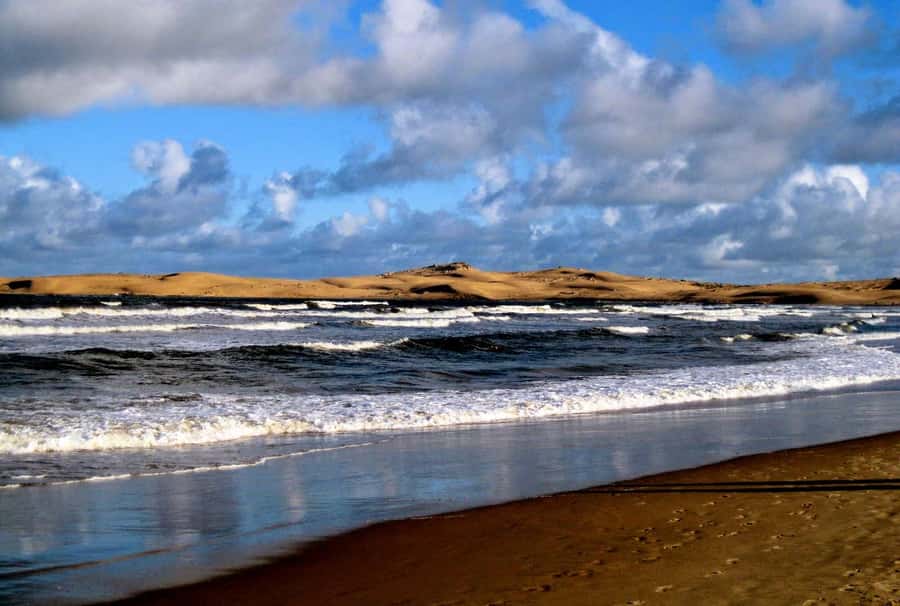
Here’s the big hinge of the day. If weather and tides allow, you drive along the beach all the way toward the Sandwich Harbour Lagoon. This is a UNESCO World Heritage site, wedged between the sea and the Namib Dunes, and it’s described as one of Southern Africa’s richest coastal wetlands.
The RAMSAR context returns in a different way: this is the second RAMSAR site for the day, and it supports eight endangered species while also drawing large numbers of wading birds.
This is also where people tend to remember the visuals. In real-world accounts, you might see things like pink-tinted water around flamingos, and some guides have helped groups notice huge numbers of cormorants along the wild beach. Even if your sightings differ day to day, the setting does the heavy lifting: dunes funnel down toward the Atlantic, and you’re close enough to feel how coastal wetlands work.
What Sandwich Harbour Lagoon feels like on the ground
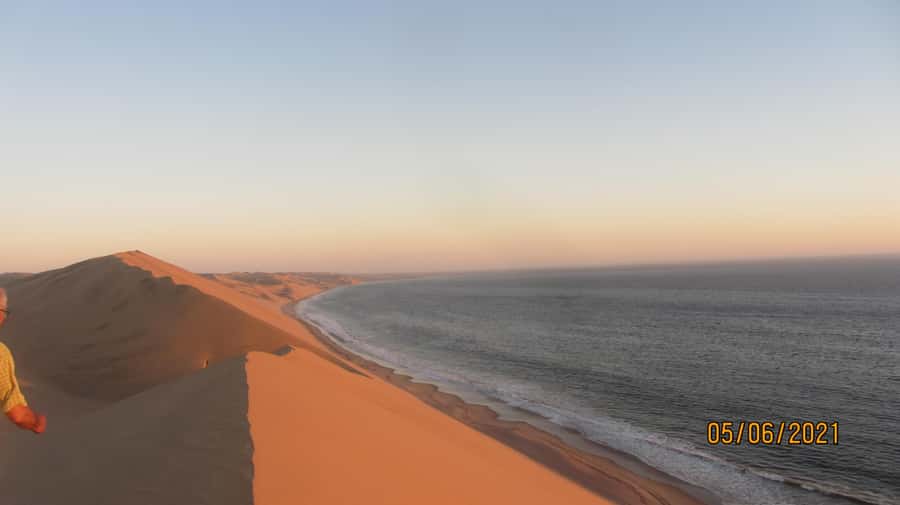
In plain terms, Sandwich Harbour isn’t “a viewpoint.” It’s a working edge between land and sea. You’re moving through and looking at intertidal zones and coastal habitat where birds feed, rest, and shift with the tide.
That’s why your guide’s timing matters. If the conditions are right, you get that rare combination of:
- beach-level driving
- wetland bird habitat close-up
- dune top views that show how the coastline and wetlands connect
And because the tour includes photo stops, you can spend a moment adjusting your plan. Don’t just shoot; pause, breathe, and watch. In this kind of habitat, a bird’s behavior is often more interesting than getting the perfect frame.
Lunch break: the high dune advantage (and why it’s worth it)
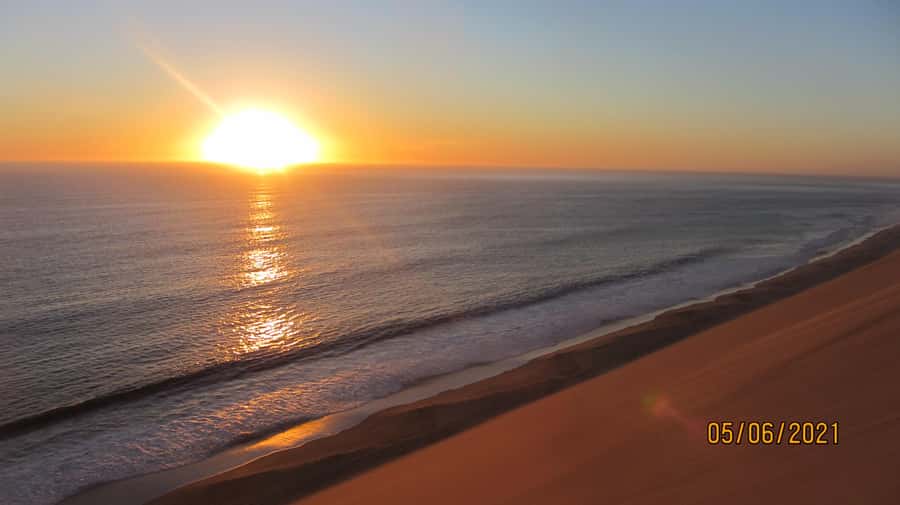
You stop for a light lunch and drinks either atop a high dune overlooking the Atlantic Ocean or on the beach. This is a small part of the schedule, but it’s one of the smartest. You get a breather from the constant scanning, plus you’re positioned for views that put the whole morning into context.
For photographers, this stop often matters more than you expect. Changing elevation and angle can completely change how your images look, especially with dunes running toward the ocean. And if you’re with a group, it’s also where the “I’m tired of looking for birds” mood usually turns into “okay, this is incredible.”
Wildlife you might spot on the return drive

On the way back, the tour route sometimes brings you lucky sightings on land. You might see animals like:
- springbuck (listed as Oryx, though the tour text says spring buck and Oryx in the same breath)
- black-backed jackal
- ostrich
It’s worth treating these as chances, not guarantees. But the overall format helps your chances. You’re not driving past habitat blindly—you’re moving through areas where wildlife fits the terrain and where your guide is actively scanning.
If you’re traveling during peak bird periods, you’ll likely come away with a long list of birds. If not, you can still leave with great memories from dunes, geckos, and coastal wetland scenes.
Optional add-ons: sandboarding and dune climbing (only if conditions allow)
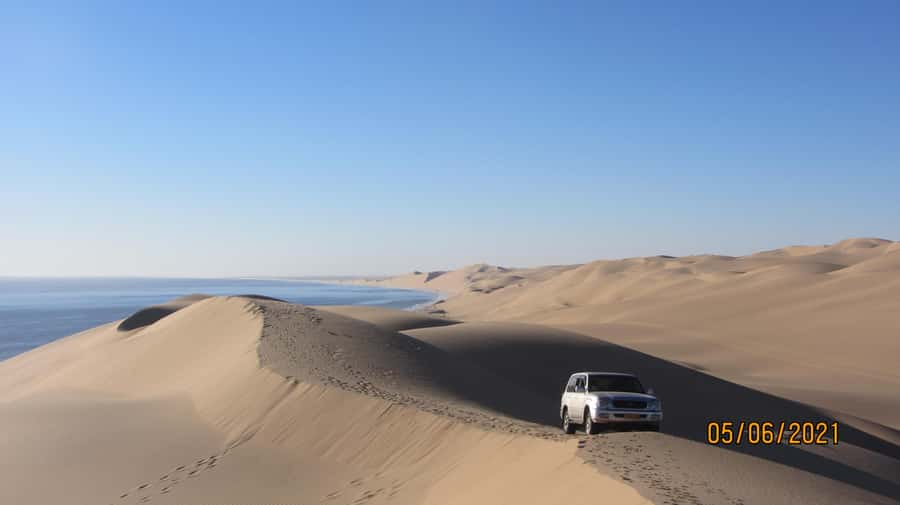
If time and weather permit, the tour mentions lie down sandboarding for the brave. Reviews back up that sandboarding can happen and that it’s handled with a focus on making it fun and safe, not risky.
Optional dune climbing is also mentioned. This is one of those “do it if you feel good” moments. It’s not necessary for the core experience, but it’s a good way to turn a pretty dune view into a shared activity.
If you’re not comfortable with heights or steep sand, you can skip these without breaking the tour.
What to pack: keep it simple and protect your body
The tour provides light snacks and drinks, but you should show up ready for wind, sun, and sand.
Bring:
- comfortable shoes
- windbreaker
- sunglasses and sun hat
- sunscreen
- camera and charged smartphone
- binoculars
- change of clothes (sand happens)
- hand sanitizer or tissues
- motion sickness prevention (important if you know you get queasy)
- child safety seat, if needed
Also dress in comfortable, weather-appropriate layers. Sand and wind can dry you out fast, and temperatures near the coast can swing.
Getting the most from your guide: how to make the day better
This is one of those tours where the guide isn’t just a driver. People consistently praise the guides for being patient with photos and for searching actively for wildlife—like stopping to locate a gecko in the sand.
To get maximum value, do two things:
- Tell your guide what you want. Birds? Small creatures? Photos of dunes and coastline?
- Give yourself permission to slow down at the stops. If you rush, you’ll miss behavior and you’ll miss the “tiny surprises” that make the day feel special.
It also helps to know the tour runs in English and Afrikaans, so you’ll be able to ask questions and get explanations on what you’re seeing.
Price and value: how $153 fits the experience
At around $153 per person for roughly 270 minutes, this tour is priced as a guided 4×4 wildlife outing with permits, snacks, and specialized local driving. You’re paying for three things that are hard to replicate on your own:
- access and permissions in protected wetland areas
- a guide who can spot and explain birds and small wildlife
- dune driving skill that keeps the day fun instead of stressful
You’re not paying for a long itinerary or a hotel overnight—this is a focused outing. If you want a quick, high-impact introduction to Walvis Bay’s wetlands and a shot at Sandwich Harbour when conditions permit, it can feel like good value.
If you’re the DIY type with strong navigation skills and you don’t care about guided spotting, you might skip this. But if you want the day to run smoothly and you care about actually seeing wildlife, the guide-led format is the value.
Who this tour suits best
You’ll likely love this if you:
- want a short day with big scenery and wildlife chances
- enjoy birding but also want variety (big birds plus small creatures)
- like photos and want help timing shots
- appreciate safety and comfort on dunes
- are okay with a day that depends on weather and tides
You may want to reconsider if you:
- hate uneven driving or motion
- want fixed activities regardless of tide timing
- need a long, structured walking itinerary (this is a driving-based format)
Quick in-your-face rules to remember
The tour is clear about a few no-go items:
- no pets
- no drones
- no intoxication
- no drinks in the vehicle
- no smoking indoors, and no vaping
- no feeding animals
It’s also listed that you shouldn’t bring explosive substances or engage in nudity. Keep it simple: follow the rules so the day stays safe and respectful.
Should you book this Sandwich Harbour day trip?
Yes, I’d book it if you’re visiting Walvis Bay and want an efficient, guide-led way to see two major wetland areas with real wildlife spotting. The combination of flamingo lagoon time, RAMSAR wetland birdwatching, and the possibility of reaching Sandwich Harbour is exactly the kind of Namib day that saves you time and increases your odds of memorable sightings.
Skip it only if your schedule is so tight that tide-dependent beach driving would stress you out, or if you’re sensitive to the motion of dune roads.
If you do book, come ready with a windbreaker, binoculars, and patience for the quiet moments—because in places like these, the best sightings often come when you stop trying to force them.
FAQ
Where is the meeting point?
You meet at Walvis Bay parkrun. The operator also mentions alternatives for arrivals, including Walvis Bay Lagoon Flamingo Villas hotel or the harbor gate for cruise passengers, and you should look for the car with the local partner logo.
How long is the tour?
The duration is listed as 270 minutes, so plan on about 4.5 hours.
What languages are the guides?
Guides are listed as available in English and Afrikaans.
Is the tour wheelchair accessible?
Yes, the tour is listed as wheelchair accessible.
Does the itinerary include Sandwich Harbour Lagoon every time?
Driving to Sandwich Harbour Lagoon is dependent on weather and tides, so it’s not guaranteed.
Is sandboarding included?
Sandboarding is optional and only happens if time and weather permit.
What’s included in the price?
The tour includes permit fees, trained guides, a reliable maintained 4×4 vehicle, and light snacks and drinks.
What wildlife and birds might I see?
Expect flamingos and wetland birds at the RAMSAR site(s). The tour also lists small creatures such as fog-basking beetles and geckos, and it mentions the possible sighting of springbuck, oryx, black-backed jackal, and ostrich.
What should I bring for comfort?
Bring comfortable shoes and clothes, a windbreaker, sunglasses, sun hat, sunscreen, a camera, binoculars, a charged smartphone, and motion sickness prevention if needed. A change of clothes is also recommended.
Are drones or pets allowed?
No. The tour lists no drones and no pets.