REVIEW · AOMORI
Full-Day Jomon World Heritage Site Tour in Northern Tsugaru Area
Book on Viator →Operated by Tomio Yokouchi · Bookable on Viator
Jomon starts before most of Japan’s stories do. This full-day Northern Tsugaru tour strings together three Jomon World Heritage sites with a calm Shinto stop at Takayama Inari, plus a pottery shop break. I especially liked how Tomio Yokouchi’s English guiding turns scattered ruins into a clear timeline, and I also liked the big visual payoff at the torii-lined shrine.
A small private group means you can ask questions and keep the pace comfortable. The one thing to consider is that several extras are not included, so your final day cost depends on lunch, any local transport fee, and whether you do pottery making and shipping.
In This Review
- Key highlights I’d plan around
- Why I’d Put Jomon World Heritage on Your Aomori Itinerary
- Small Private Group, Pickup Timing, and a Day That Actually Fits
- Odai Yamamoto Ruins: Clay Pot Clues From the Start of Jomon
- Lake Jusanko: A Quick Reset With a Scenic Pause
- Takayama Inari Shrine: Hundreds of Torii and a Worthwhile Walk
- Shikiro en and Ichinohe-san: Jomon-Decor Pottery Hands-On
- Tagoyano Kaizuka: Shell Middens That Tell You What People Ate
- Kamegaoka Ruins and the Shako-chan Figurine
- Tsuru no Maihashi Bridge: Photo Time for Mt. Iwaki
- Price and What You Should Budget For
- The Guide Factor: Why Tomio Yokouchi’s Style Matters
- Who This Tour Fits Best
- Should You Book the Full-Day Jomon Tour in Northern Tsugaru?
- FAQ
- How long is the Jomon World Heritage Site tour?
- What time does the tour start?
- Does the tour include pickup?
- Is this a private tour?
- How many Jomon World Heritage sites will we visit?
- Are the admissions included at the stops?
- Is lunch included?
- Is pottery making included?
- Do we need cash for extra transportation?
- What is the cancellation policy?
Key highlights I’d plan around
- Three Jomon World Heritage sites in one day across Northern Tsugaru, saving you the hassle of piecing it together yourself
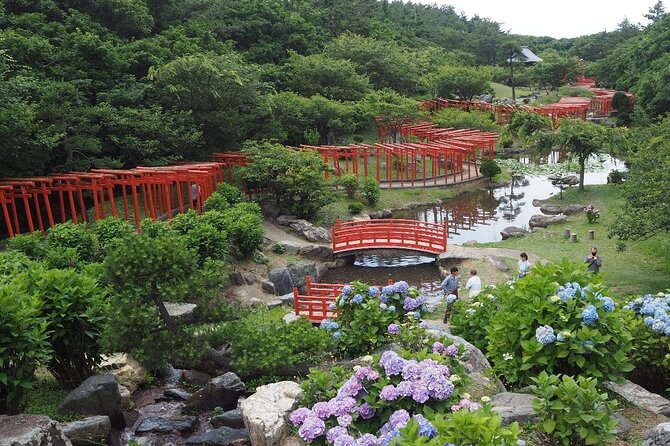
- Takayama Inari Shrine’s red torii hill, a rare mix of history and instantly photogenic scenery
- A pro English guide (Tomio Yokouchi) who can tailor the flow to what you care about
- Hands-on pottery at Shikiro en, with a chance to make Jomon-decor inspired ceramics (extra fee)
- Photo stop at Tsuru no Maihashi Bridge made from Aomori Hiba wood with Mt. Iwaki in view
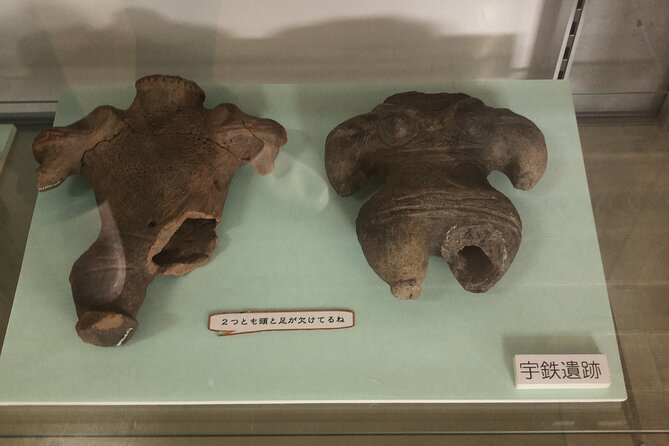
- Signature finds and clues at sites like the shako-chan figurine and shell midden evidence of daily life
Why I’d Put Jomon World Heritage on Your Aomori Itinerary
Aomori is often treated like a pit stop on the way to somewhere else, but this day helps you slow down and understand the deep timeline beneath modern Japan. The Jomon period is so old that it’s easy to treat it like a name on a sign. What changes your whole perspective is seeing the physical evidence in the right order—clay, shell, and stone—then having a guide connect it into a story you can actually hold in your head.
I like that this tour doesn’t try to hit every site. Instead, you get enough time at each stop to notice details: pottery fragments that hint at the very beginning of the Jomon era, shell midden layers that speak to shoreline life, and the kind of small artifacts that make you realize real people lived here long before your grandparents were born.
The shrine stop also matters. Even if you’re focused on archaeology, Takayama Inari gives you a cultural reset: red torii gates, a short climb, and a very Japanese way of connecting place with belief.
You can also read our reviews of more historical tours in Aomori
Small Private Group, Pickup Timing, and a Day That Actually Fits
This is a private tour, meaning it’s just your group. It also runs about 7 hours, starting at 8:30am and ending back at the meeting point. Pickup is offered, and you’ll use a mobile ticket, which keeps the day simple.
One important cost note: the tour includes English guiding, but it does not automatically include private transportation. The listing indicates a 5,000 JPY fee for the guide’s private car and petrol cost. Pickup may be handled by that arrangement, so when you budget, think “tour base cost plus local transport as needed,” not “everything is covered.”
Also, plan for a day without lunch included. If you’re the kind of person who needs food at predictable times, you’ll want to bring snacks or be ready to pick something up during breaks—because several stops are fixed and time is tight.
Finally, booking demand is real. The tour is often reserved about 89 days in advance on average, so if your dates are set, don’t wait until the last minute.
Odai Yamamoto Ruins: Clay Pot Clues From the Start of Jomon
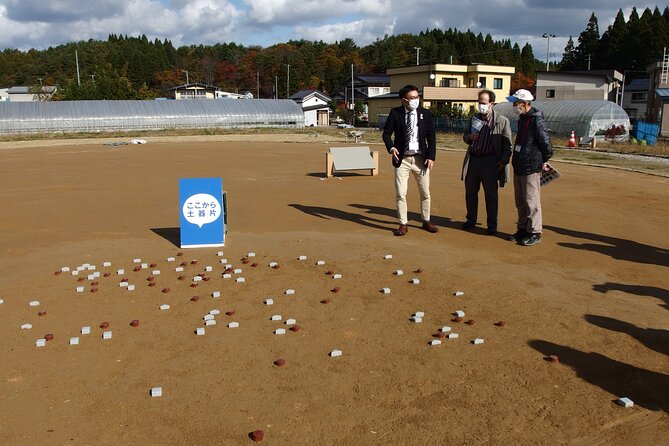
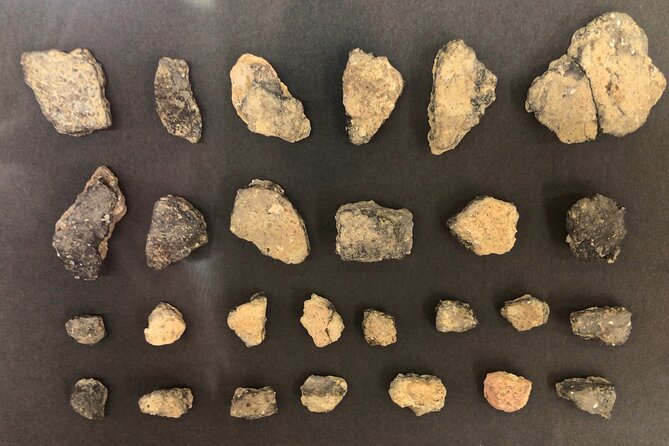
Your first stop, Odai Yamamoto Ruins, is one of the World Heritage Jomon sites in Northern Japan. The big hook here is the age of the evidence: it includes the oldest fragments of clay pots in Northeast Asia, tied to what signals the start of the Jomon period.
This is the kind of site where a guide earns their keep. Ruins can look like… dirt and stones. But if you’re told what the fragments mean—what they suggest about early pottery use, cooking, storage, or daily habits—it stops feeling abstract. You’ll also understand why this site is part of the World Heritage list in the first place: it’s not just “old,” it’s a marker.
Time here is about 2 hours, and that’s actually good. You want breathing room for questions, not a rushed walk-through where you miss the point.
What to watch for: bring shoes that don’t mind uneven ground. This is archaeology terrain, not museum flooring.
Lake Jusanko: A Quick Reset With a Scenic Pause
After the first heavy hitter, you get Lake Jusanko for about 30 minutes. Admission is free, and the purpose feels more like a reset than a lecture stop. That short break matters on a full day like this, especially in northern weather that can swing from crisp to cold fast.
I’d treat this as your “reposition and refresh” stop. Take a few photos, use the time to regroup, and then you’re ready to return to the more intense archaeology and shrine walking.
If you’re hoping for a long lunch-style break, keep expectations modest. This is short by design.
Takayama Inari Shrine: Hundreds of Torii and a Worthwhile Walk
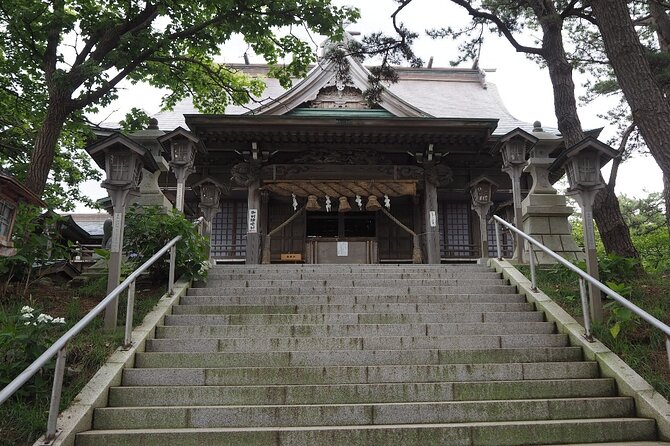
Then comes Takayama Inari Shrine, famous in the region for its dramatic hillside setting. You’ll see hundreds of red torii gates rising along a path toward the shrine.
This is one of those places where the guide changes the experience from scenery to meaning. The torii gates aren’t random decoration; they’re part of a belief landscape. With guidance, you can connect what you’re seeing to how Shinto space works—how place, ritual, and pilgrimage shape what you feel when you walk uphill.
You get about 1 hour here. That’s enough time to slow down, take photos, and still feel like you actually did something rather than just sprinting for the best angles.
Practical tip: wear something you can move in. You’ll be walking on a slope, and you’ll likely linger for photos because the torii lines keep drawing you forward.
If you’re sensitive to crowds, you’ll still be fine here because the tour is private, but Takayama Inari is popular for a reason, and you may see other groups at peak times.
Shikiro en and Ichinohe-san: Jomon-Decor Pottery Hands-On
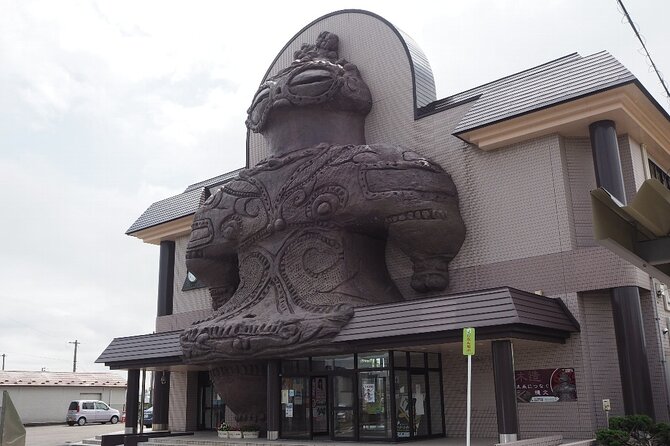
Next is Shikiro en, tied to a potter known on TV programs: Ichinohe-san. The shop is a logical companion to the earlier ruins, because you’re moving from what people made in the Jomon era to what a modern artisan is doing with Jomon-inspired decoration.
If you have time, you can experience pottery making. The tour data says pottery making costs an extra ¥4,000 per person (and pottery shipping is an additional ¥8,000 per booking). It also says pottery shipping costs apply when pottery needs to be sent, so plan ahead if you don’t want to carry something fragile all the way back.
This stop is about 1 hour, which is a helpful length. You won’t feel trapped for half a day, but you also won’t feel like you only touched the process for five minutes.
Who should do pottery: if you like crafts, hands-on activities, or you want your day to end with something you made, not just something you watched. Who might skip it: if you’d rather spend every minute on outdoor sites and photos, or if you’re traveling light and don’t want the extra shipping steps.
Tagoyano Kaizuka: Shell Middens That Tell You What People Ate
Tagoyano Kaizuka is another World Heritage Jomon site, and it’s described as a shell midden—basically a layered archive made from shells and other traces of daily life.
This stop is about 1 hour, and it’s where the tour becomes very tangible. A shell midden isn’t just “old trash.” It’s evidence of food gathering, shoreline access, seasonal patterns, and how people used the landscape.
The value here is in the interpretation. With expert English guiding, you’re not just looking at a mound. You’re learning how archaeologists read the layers and what “shell” really tells you about how communities worked.
The drawback: if you’re expecting dramatic architecture or indoor exhibits, this site is more about earthworks and interpretation than big visuals. It’s still fascinating, but it rewards patience.
Kamegaoka Ruins and the Shako-chan Figurine
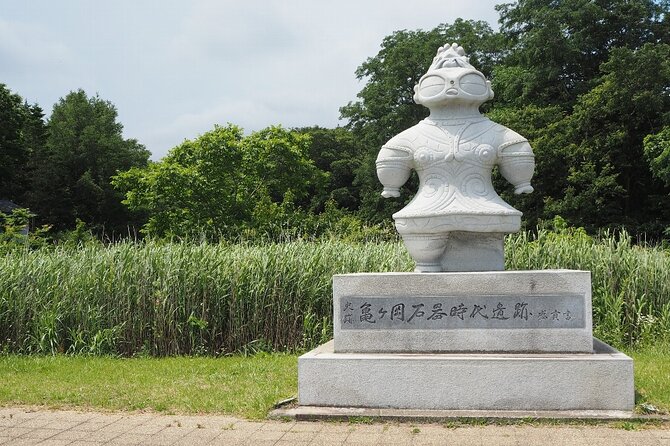
You’ll then visit Kamegaoka Stone Age Era Historic Ruins for about 30 minutes. This stop is famous for a particular discovery: the googly-eyed clay figurine named SHAKO-CHAN.
This is the kind of detail that makes archaeology human. When a specific artifact is known by a nickname, it helps you connect the abstract past to something you can point at and say, someone made this.
Even with a short time limit, having that context makes the stop more satisfying than you might expect. You’re not rushing through “ruins.” You’re looking for clues tied to a recognized find.
Practical note: since the time is shorter, come with questions ready. If something about SHAKO-CHAN or what it may represent sparks your curiosity, ask your guide. You’ll get more out of the stop that way.
Tsuru no Maihashi Bridge: Photo Time for Mt. Iwaki
Your final nature-focused stop is Tsuru no Maihashi Bridge, made of Aomori Hiba wood. It’s described as the best spot for a photo of Mt. Iwaki, and you have about 1 hour here.
This is a good end-of-day move because it gives you a view after multiple stops focused on remains and artifacts. It also breaks up the cognitive load. Instead of thinking like an archaeologist for a second, you get to think like a photographer.
Why the wood type matters: “Aomori Hiba” hints that local materials and regional craftsmanship play a role here, not just the view. That’s a small reminder that Tsugaru is about both deep time and living traditions.
If you’re sensitive to light conditions, time your photos slightly. In late day sun, the wood color and mountain visibility can change fast.
Price and What You Should Budget For
The tour price is listed as $273.15 per group (up to 3 people), with English guiding included. That’s a big factor: you’re paying for private access plus a professional guide who can translate the sites into a coherent story.
Where the cost can shift:
- Lunch is not included, so plan your own meal.
- Private transportation may cost 5,000 JPY for the guide’s car and petrol.
- Pottery making is not included, with an extra ¥4,000 per person and possible ¥8,000 pottery shipping.
- The Jomon Museum KARCO costs ¥300 per person (if you plan to add it).
- Optional gratuity is up to you.
How I’d judge value: if you’re traveling with a small group of up to three and you care about Jomon interpretation (not just ticking off stops), this price can be fair. A private guide is what turns “three sites” into a meaningful, connected day.
If you’re traveling solo, the group pricing still makes sense only if you really want the private format. Otherwise, compare to any non-private alternatives you might find in the area.
The Guide Factor: Why Tomio Yokouchi’s Style Matters
The most consistently praised part of this tour is the human one: Tomio Yokouchi. The day earns top marks for knowledge, but also for pacing and friendliness. People highlight that he’s excellent company and that the experience can feel customizable depending on your interests.
That matters because Jomon sites can be either “interesting facts” or “a real understanding of a past way of life.” A guide with passion and flexibility helps you choose where to spend attention. If you’re more into artifacts, you’ll naturally ask about finds and what they imply. If you care about culture, you’ll probably spend more time at Takayama Inari and the pottery connection.
In plain terms: you don’t want a script. You want a guide who can adjust the day so it fits how you think.
Who This Tour Fits Best
This is a great pick if you:
- Want World Heritage Jomon sites in one organized day without chasing routes
- Like history that’s grounded in physical evidence (clay, shells, figurines)
- Enjoy shrine scenery and photo-worthy places, not just ruins
- Travel as a small group (up to three) and want a private format
It may not be the best fit if you:
- Need a long lunch break or a relaxed pace with lots of free time
- Don’t like craft experiences and want zero extra spending
- Prefer indoor museums over outdoor ruins and earthworks
Should You Book the Full-Day Jomon Tour in Northern Tsugaru?
If your goal is to understand the Jomon era with real context, I think this is worth booking. The combination of Jomon World Heritage sites, a strong cultural stop at Takayama Inari, and the option to connect past to present through pottery makes the day feel cohesive.
Book it sooner rather than later if your dates are fixed, since it’s commonly reserved about three months ahead. And if you’re on a budget, map your extras first: bring lunch plans, decide whether pottery and shipping are for you, and you’ll avoid surprises.
FAQ
How long is the Jomon World Heritage Site tour?
It runs for about 7 hours.
What time does the tour start?
The start time is 8:30am.
Does the tour include pickup?
Pickup is offered.
Is this a private tour?
Yes. It’s private, so only your group participates.
How many Jomon World Heritage sites will we visit?
You’ll see 3 of the 17 Jomon Historical sites.
Are the admissions included at the stops?
Admission is listed as free for the listed sites, but the Jomon Museum KARCO costs ¥300 per person and is not included.
Is lunch included?
No, lunch is not included.
Is pottery making included?
Pottery making is not included. If you do it, there is an extra fee of ¥4,000 per person, plus pottery shipping costs of ¥8,000 per booking.
Do we need cash for extra transportation?
Private transportation is listed as not included, with a fee of 5,000 JPY for the guide’s private car and petrol cost.
What is the cancellation policy?
Free cancellation is available up to 24 hours before the experience start time for a full refund.