REVIEW · BUDAPEST
Budapest Jewish Heritage Tour
Book on Viator →Operated by György Rashad Salamon · Bookable on Viator
History hits you on every street. This Budapest Jewish Heritage Tour pairs major landmarks with real context—so the sites make sense, not just stand there. You’ll move through the Jewish quarter with a guide who ties architecture to people, and you’ll end at a memorial that forces you to slow down.
I especially loved the human stories—from Holocaust-era memory spaces connected to names like Wallenberg, to the way your guide explains what you’re actually looking at. I also like that you get a mix of stops: the huge Dohány Street Synagogue, the Hungarian Jewish Museum and Archives, and cultural streets in District VII, not only formal memorials.
One consideration: several locations require your own admission tickets, and the Rumbach Street Synagogue is currently under reconstruction, so you should be ready for limited access there.
In This Review
- Key Highlights to Look For
- Why This Budapest Jewish Heritage Tour Feels Real, Not Routine
- Meeting Up at 2:30 pm and How the Tour Actually Moves
- Dohány Street Synagogue: Where Scale Meets Memory
- Hungarian Jewish Museum and Archives: Artifacts With a Real Backstory
- District VII Jewish Quarter: Culture, Ruin Bars, and Everyday Life on Display
- Kazinczy Street Synagogue: A Quiet Look at Orthodox Daily Life
- Rumbach Street Synagogue: Worth Seeing, With a Reconstruction Caveat
- Shoes on the Danube Bank: The Memorial That Forces Specific Attention
- Price and Value for a Private Group Up to 10
- Who This Tour Suits Best (and Who Might Want Something Else)
- A Quick Guide to Getting the Most Out of Your Day
- Should You Book This Budapest Jewish Heritage Tour?
- FAQ
- What time does the Budapest Jewish Heritage Tour start?
- How long is the tour?
- Is this a private tour?
- Is hotel pickup included?
- Are synagogue and museum entry fees included in the price?
- Does the tour include food and drinks?
- What language is the tour offered in, and is it suitable for all mobility levels?
- Is there a mobile ticket?
Key Highlights to Look For
- Private half-day format with only your group (up to 10) and a start time of 2:30 pm
- Hotel pickup and local transport plus a mix of walking and public transit
- Dohány Street Synagogue with exhibitions and memorial areas you may miss on your own
- Museum time at the Hungarian Jewish Museum and Archives, including a standout collection item
- Jewish Quarter District VII culture stops with ruin bars and boutique streets
- Shoes on the Danube Bank memorial built for reflection, with historical context on site
Why This Budapest Jewish Heritage Tour Feels Real, Not Routine
Budapest has plenty of guided walks. This one feels different because it links the big-name sites to lived Jewish life, then brings you right to the kind of memorial that refuses to be vague.
I like how the tour doesn’t treat history like a lecture you survive. It gives you a mental map first, then adds detail when you’re standing where the story happened. That means you can read the buildings and streets with your eyes, not just your ears.
You’ll spend about four hours moving at a moderate pace, with a setup designed for convenience. Pickup is offered, and you’ll use a mix of walking and public transport, which matters in a city where the Jewish quarter and riverside sights don’t sit next door to each other.
You can also read our reviews of more historical tours in Budapest


Meeting Up at 2:30 pm and How the Tour Actually Moves
The experience starts at 2:30 pm, and it’s built around a half-day rhythm. You’ll meet up with your guide and then head toward the first synagogue area, with transportation tickets included.
This is a private tour, capped at a group size of up to 10 people. That’s a practical sweet spot: small enough that you can ask questions, big enough that it doesn’t feel like you’re getting rushed past major points.
Your day is “moderate physical fitness” by design. There will be walking, and you’ll also ride public transport between parts of the route. If you have tight mobility, you should still plan carefully—but the structure helps you avoid long, tiring transfers.
Dohány Street Synagogue: Where Scale Meets Memory
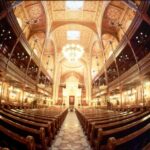
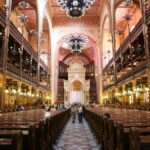
The tour’s first stop is the Great / Central Synagogue, known as the Nagy Zsinagóga or Dohány Street Synagogue. It’s famous as the world’s second largest synagogue, and your guide uses that scale as a starting point, not an ending.
What makes this stop valuable is the way the site holds layers. You’re not only looking at an impressive building. You’re also seeing exhibitions and memorial spaces that frame what happened to Hungary’s Jewish community and to people who were targeted across Europe.
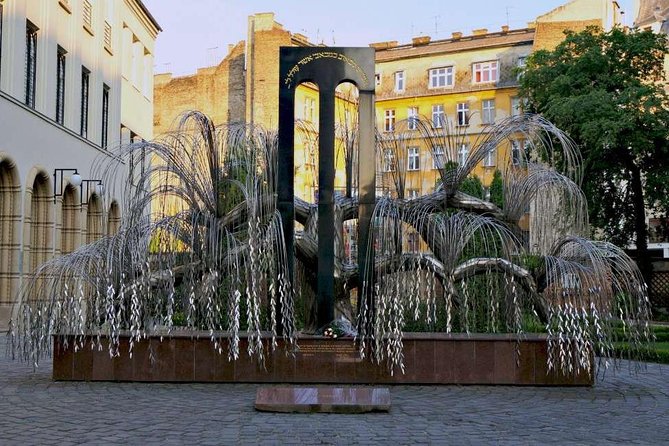
You’ll also get pointed toward several named memorial components, including the Holocaust Memorial, the Cemetery of Heroes, and the Tree of Life. The Wallenberg Memorial Park is another element you’ll want your guide to explain in plain terms, because it’s easy to walk past symbols and miss why they were placed there.
Admission here is at your own cost. That’s worth planning for, because this is usually the most ticket-sensitive stop on the route. Still, the time spent at Dohány Street Synagogue is where the tour earns its emotional weight.
Practical note: if you’re the kind of traveler who likes to take photos while also taking moments seriously, bring patience. This is one of those places where the guide’s pacing helps you both understand and feel.
Hungarian Jewish Museum and Archives: Artifacts With a Real Backstory
Next up is the Hungarian Jewish Museum and Archives. Your visit is shorter—around 30 minutes—but it’s designed to make you notice details instead of just scanning display cases.
The museum has a unique collection of Jewish artifacts, and the tour highlights at least one standout example: the world’s oldest Torah finial. Items like this matter because they show continuity—Jewish life isn’t only remembered through tragedy; it’s also remembered through craftsmanship, study, and objects carried forward through generations.
A short museum visit can sometimes feel rushed. Here, the guide’s job is to pick a few points so you leave with at least a handful of things you can remember later, not a blur of glass and labels.
Admission is not included, so you’ll want to budget for tickets in advance (or at least be ready to buy them on the spot). If you prefer long museum time, you may want to add extra time on your own after the tour ends.
District VII Jewish Quarter: Culture, Ruin Bars, and Everyday Life on Display
After the heavier first sites, the tour shifts into District VII, the Jewish quarter area. This is more than a historical label—it’s a lively part of Budapest, known as a World Heritage site, with art and local color all around.
This stop is about understanding how the neighborhood functions today while still respecting what came before. You’ll walk through highlights of the area and hear the long history of the Hungarian Jewish community tied to the streets in front of you.
Your route also includes the kind of places you might only stumble into if you wander: ruin bars, eclectic boutiques, and avant-garde galleries. It’s a smart move because it stops the day from becoming one long memorial march.
There’s an important balance here. The Jewish quarter today is exciting and popular, but the tour keeps pointing back to the historical gravity that shaped the neighborhood’s survival and identity. That’s why this portion feels useful rather than purely scenic.
This part is free. No tickets are required for the walking section, which is a nice value bonus.



Kazinczy Street Synagogue: A Quiet Look at Orthodox Daily Life
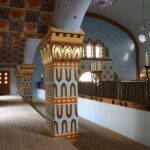
You’ll then visit the Kazinczy Street Synagogue, a smaller site connected to a local Orthodox community. This stop is short, about 20 minutes, but it gives you something different from the big landmark synagogue.
The tour frames this synagogue as a window into daily life habits and customs. That’s the kind of explanation that can be hard to get on your own. You see the space, yes, but you also get help understanding how ritual and routine shape what a place looks like and how it is used.
Admission is not included, so plan for tickets if you choose to go in fully. Even if the time window is brief, this stop can add contrast that makes the larger synagogues feel less abstract.
If you like your tours varied—one big site, one story-driven museum, one calmer orthodox stop—this is the part that often earns quick “I’m glad I included this” reactions.
Rumbach Street Synagogue: Worth Seeing, With a Reconstruction Caveat
The last synagogue stop is the Rumbach Street Synagogue. It’s part of the triangle area, and your guide has stories that connect it to the broader district narrative.
But there’s a clear note for your planning: it’s currently under reconstruction. The tour still includes it, but you should expect limited access or changes compared with a fully operating synagogue.
Time is short here—about 15 minutes—so don’t treat this as your only synagogue stop. Think of it as a story-based capstone on how many Jewish community sites existed across the quarter, and how their fates have changed over time.
Admission is not included, and because the synagogue is under reconstruction, you should be ready for circumstances that might affect what you can see inside.
Shoes on the Danube Bank: The Memorial That Forces Specific Attention
Finally, you reach the Shoes on the Danube Bank memorial. This is one of Budapest’s most discussed landmarks, but it becomes far more meaningful when a guide explains the story behind it instead of letting you read it like a photo caption.
The tour spends about 15 minutes here. That may sound brief, but it’s the right length for a memorial that works best when you actually look. You’ll understand the context of the tragedy tied to the Danube and why the empty shoes matter so much as a form of remembrance.
One review also highlighted a practical transport detail: your guide may take you by Metro to the river bank area and point you toward views of the Parliament building as you move. That helps you connect the memorial setting to the city’s layout, not just to the tragedy itself.
This is also a stop where your guide’s tone matters. The most useful tours here don’t try to overwhelm you; they help you stay steady while you absorb what the memorial communicates.
This portion is free, which is a quiet win: you pay for context, not just entry.
Price and Value for a Private Group Up to 10
The price is listed as $272.20 per group for up to 10 people, for about four hours. That’s the part that makes this tour feel different from many “per person” tours.
If you’re traveling with friends or family, private group pricing can be a smart way to buy better guidance rather than losing time trying to self-guide your way through sites with lots of memorial context. Hotel pickup and transportation tickets included add practical value, too—because in a city like Budapest, saving transfer hassle can easily be worth real money.
What you should factor in: several admissions are not included, including the Great / Central Synagogue and the Hungarian Jewish Museum and Archives. Other stops may be free, like the Jewish quarter walking section and the Shoes on the Danube memorial.
So the honest math looks like this: you’re paying for the guided route, time planning, and the explanations that make the stops connect. Then you pay your own tickets for a few main interiors.
If you hate paying additional entry fees, this might feel annoying. If you’re okay budgeting for those few key interiors, it’s good value—especially because the tour is private and time-efficient.
Who This Tour Suits Best (and Who Might Want Something Else)
This tour is a strong fit if you want Jewish heritage in Budapest explained with care—big sites, smaller orthodox context, and the solemn Danube memorial all within a single half-day.
I’d especially recommend it if:
- you’re visiting for the first time and want a clear route through the Jewish quarter and river bank
- you like story-driven guiding instead of reading labels on your own
- you’re traveling with a small group and want the same guide for everyone
You might choose a different format if you prefer total freedom to go slowly inside every building you touch, since some stops have fixed time windows.
And if you’re sensitive to heavy themes, it helps to know the emotional intensity is part of the design. This isn’t all cheerful sightseeing, and that’s precisely why the tour is worth it: it treats the memory seriously without turning it into a stunt.
A Quick Guide to Getting the Most Out of Your Day
Because you’ll be walking and using public transport, wear comfortable shoes. Bring layers for Budapest weather, since afternoons can shift. Also bring your curiosity, not just your camera.
If you’re the type who likes to ask questions, you’ll likely get more out of the tour by using them at each stop. Your guide, György Rashad Salamon, is presented as the kind of professional who explains the why behind each landmark, and the reviews you’ll find about him reflect that same vibe: lots of detail, but delivered with professionalism and a steady emotional tone.
One practical tip: at synagogues and memorials, let the first minute be quiet. Once you understand what you’re looking at, the rest of the time becomes easier.
Should You Book This Budapest Jewish Heritage Tour?
Yes, if you want a single, organized half-day that covers the major parts of Budapest Jewish heritage in a way that feels connected rather than checklist-y.
Book it if you value private guidance, hotel pickup, and a route that combines formal history with the Jewish quarter’s modern streets. It’s also a good choice if you want the Shoes on the Danube memorial handled with context, not just a quick photo stop.
Consider a different option only if you strongly prefer tours where all admissions are included, or if reconstruction-related limitations at smaller sites would worry you too much. Otherwise, this is one of those Budapest experiences where the guide helps the city read you back.
FAQ
What time does the Budapest Jewish Heritage Tour start?
The start time is 2:30 pm.
How long is the tour?
The duration is approximately 4 hours.
Is this a private tour?
Yes. It’s a private tour/activity, and only your group will participate.
Is hotel pickup included?
Yes, hotel pickup is included, and pickup is offered.
Are synagogue and museum entry fees included in the price?
No. Admission tickets are not included for several stops, and entry fees are at your own cost. Some parts of the route are free, like the Jewish Quarter walking section and the Shoes on the Danube memorial.
Does the tour include food and drinks?
No. Food and drinks are not included.
What language is the tour offered in, and is it suitable for all mobility levels?
The tour is offered in English. The tour notes a moderate physical fitness level, and it involves walking and public transport.
Is there a mobile ticket?
Yes. A mobile ticket is included.