REVIEW · VARANASI
Varanasi: Ancient ghat walk tour with local guide
Book on GetYourGuide →Operated by Incredibile kashi tour · Bookable on GetYourGuide
One walk and you start to understand Varanasi’s rhythm. I love how this tour gives you a structured ghat circuit in just 2 hours, and I also love that it’s built around real temple visits, not just river views. One thing to keep in mind: the route involves walking on uneven, step-heavy ground, so it’s not ideal for wheelchair users or anyone over 95.
The best part is the human scale. You get a private group, a local guide who can work in Italian, Hindi, or English, and you’re guided to the places most first-timers miss or misunderstand. Plus, it’s priced at $26 and already covers things like temple entry and a couple of small comforts.
What you’re really buying here is clarity. Varanasi can feel chaotic from the outside; with a guide, the ghats stop being a blur and start making sense—Assi’s calmer start, the sacred wells and temples along the way, and the cremation ghats handled with the right distance and respect.
In This Review
- Key points to know before you go
- Why This 2-Hour Ghat Walk Works: Assi to Dashashwamedh Without Overkill
- Meeting Point at Pizzeria Vaatika Cafe: Practical and Easy to Find
- Assi Ghat: A Softer Start on the Riverfront
- Lolark Kund: A Sacred Well Stop That Changes How You Read Varanasi
- Jain Temple Pause: Another Religious Thread Along the Same Steps
- Durga Kund (Monkey Temple): Red Temple Energy and a Clear Spiritual Focus
- Kedareshwar Ghat: Shiva Devotion in a Place Kashi Devotees Recognize
- Harishchandra Ghat: Old Cremation Ghats and Ritual Context at a Respectful Distance
- Dashashwamedh Ghat: Finishing at the Most Famous Ghat
- The Guide Makes It: Anmol and Prassan’s Multilingual Storytelling
- Price and Value at $26: What You’re Really Paying For
- Practical Tips That Keep This Walk Comfortable and Respectful
- Who This Tour Suits Best (and Who Might Want Another Option)
- Should You Book This Private Temple and Ghat Walk?
- FAQ
- Where does the tour start and end?
- How long is the experience?
- What languages are the guides available in?
- What’s included in the price?
- Is skip-the-ticket-line included?
- What should I bring before I go?
- Is this tour suitable for everyone?
Key points to know before you go
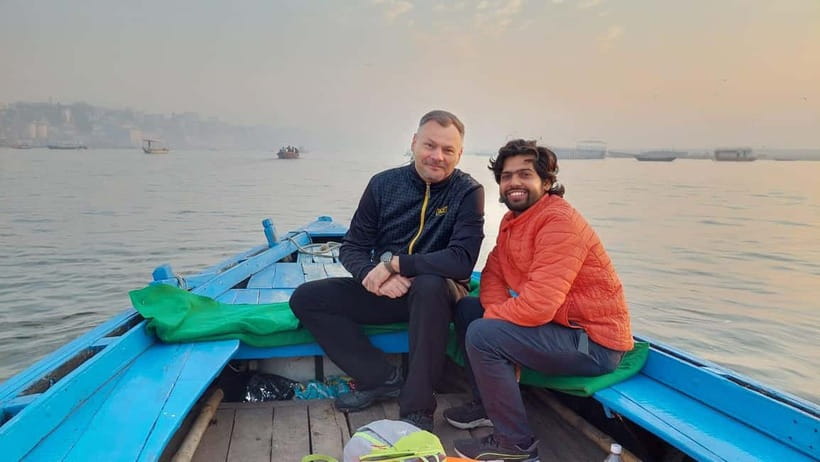
- Assi Ghat first, described as serene and less crowded, so you get your bearings fast
- Lolark Kund stop for fertility and blessings lore, with darshan and time for photos
- Durga Kund (Monkey Temple) temple with a striking red look and strong historical feel
- Kedareshwar Ghat and Harishchandra Ghat bring Shiva devotion and cremation-ghat context into the same 2-hour loop
- Dashashwamedh Ghat ends the walk at the most famous stretch, with nearby markets and optional Ganga Aarti if it’s evening
- A local guide named Anmol (and also Prassan, in some bookings) is praised for being friendly, adaptable, and multilingual
Why This 2-Hour Ghat Walk Works: Assi to Dashashwamedh Without Overkill
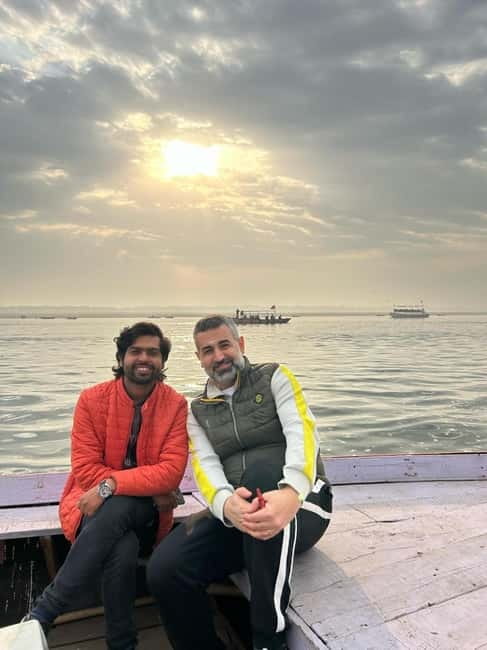
This is a tight, sensible route. Two hours sounds short until you’re in Varanasi, where moving from one significant religious place to the next can eat up time fast. This tour stays focused on a small set of high-meaning spots—Assi Ghat, Kedar Ghat area, and Dashashwamedh Ghat—and then adds key temple stops in between so your walk feels like a story, not a random stroll.
The value isn’t only the places. It’s the pacing. You’re not expected to figure out everything from signs or overheard explanations. A good guide connects the dots: why a well matters, why a temple sits there, and how different ghats fit into the daily spiritual life of the city.
If you’re the type who wants long pauses, long readings, or slow “sit and watch for an hour” breaks, you may feel rushed. But if your goal is to understand the basics and see the main emotional landmarks of the river, this duration is a sweet spot.
You can also read our reviews of more walking tours in Varanasi

Meeting Point at Pizzeria Vaatika Cafe: Practical and Easy to Find
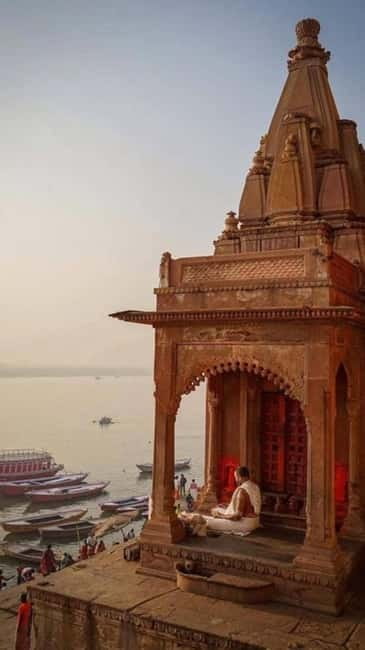
You start near Pizzeria Vaatika Cafe. Meeting at a café is convenient in a city where directional hints can be vague. It also helps if you’re arriving from elsewhere and want a clear, low-stress pickup spot.
From there, the guide leads you into the ghat-side rhythm. Since this is a walking tour, you’ll want to dress for movement and bring a bit of patience for crowds. The tour is private, so the group size stays manageable, but the ghats themselves can still be busy depending on the time.
Assi Ghat: A Softer Start on the Riverfront
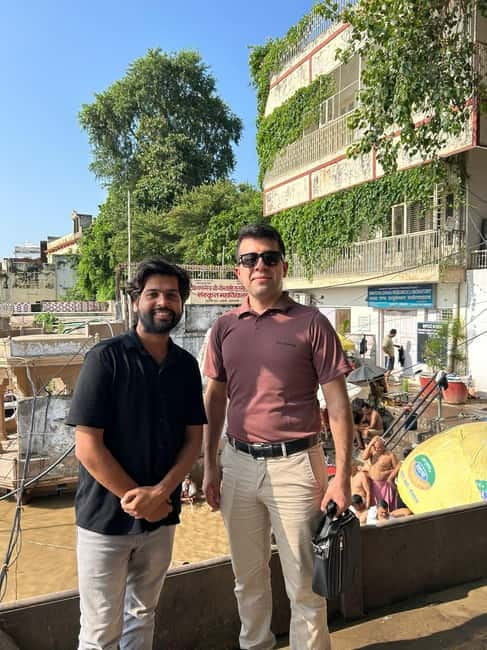
Assi Ghat is the first stop, and it’s chosen on purpose. The tour description calls it serene and less crowded than many other ghats, which makes it a smart place to begin. You get a chance to see the river and feel the spiritual atmosphere without the full-scale crush.
Think of Assi as the warm-up. From here, you’re not just “walking near water.” You’re stepping into the logic of the city’s sacred geography—where people come for daily worship, river rituals, and community life.
Practical note: start your photos early if you want them. Early in the walk, the light and calm can make it easier to frame the river and steps without constant interruptions.
Lolark Kund: A Sacred Well Stop That Changes How You Read Varanasi
Next comes Lolark Kund, described as a sacred well tied to fertility and blessings. This is one of those stops that makes the tour feel more than scenic. Wells in India often carry deep meanings—ritual, prayer, and hope—and in Varanasi, these stories help explain why people treat small places with big seriousness.
You’ll have time for darshan and photography here. The key is what the guide provides: context so you don’t treat it like a tourist photo op. Instead, you understand it as part of daily devotion, not just an attraction.
If you’re into cultural details, this is a highlight. Even if you’re not, it helps you grasp the tour’s overall theme: temples and ghats are connected through beliefs, not just geography.
Jain Temple Pause: Another Religious Thread Along the Same Steps
The route also includes time at a Jain Temple. This matters because Varanasi isn’t only one story. You’ll see how different faith communities coexist and claim spiritual space nearby.
This stop is a good “mental reset” between ghat and temple intensity. It also broadens your understanding without turning the tour into a checklist of unrelated sites.
Because the specifics of what you’ll see aren’t detailed here, don’t expect a long lecture on architecture. The value is likely in how the guide connects Jain presence to the broader idea of devotional life along the ghats.

Durga Kund (Monkey Temple): Red Temple Energy and a Clear Spiritual Focus
One of the most visually memorable stops is Durga Kund Temple, also known as the Monkey Temple. You’ll observe its striking red color and learn about its significance to Goddess Durga.
This is the kind of stop that hits on two levels: the visual identity and the devotion behind it. A red temple isn’t random. Colors in sacred spaces often signal power, protection, and deep ritual meaning. With a guide, you’ll likely understand why this temple has become a known stop for people seeking blessings.
A good time to be respectful here. If it’s crowded, move slowly, keep your distance from ongoing worship, and let the guide handle timing so you’re not pushing for photos at the wrong moment.
Kedareshwar Ghat: Shiva Devotion in a Place Kashi Devotees Recognize
After the Durga stop, the tour heads to Kedareshwar Ghat, where you’ll visit a Lord Shiva temple. This is a revered site for Kashi devotees, so it’s not just a pretty backdrop. It’s a place with regular religious weight.
What makes this stop work in a short tour is its contrast. Durga Kund brings one strong devotional identity. Kedareshwar shifts the focus to Shiva, so your mental map of Varanasi becomes more complete: different forms of worship, different spiritual intentions, same sacred river setting.
If you’re visiting for the first time, Kedareshwar helps you understand why people talk about Varanasi as a living religious center, not a “one-time visit” city.
Harishchandra Ghat: Old Cremation Ghats and Ritual Context at a Respectful Distance
Then comes one of the most emotionally intense parts: Harishchandra Ghat, described as one of the oldest cremation ghats of Varanasi. The tour encourages you to observe rituals from a respectful distance, and that guidance matters.
This is where a guide is more than a storyteller. The guide helps you avoid the common mistake—getting too close, thinking you should watch like it’s a spectacle, or misunderstanding what you’re seeing. You’re there to understand the spiritual and cultural logic, not to stare.
If you’re sensitive to death-related rituals, take your time here. You can stay observant without lingering in discomfort. A private guide and a planned route help keep this part from feeling chaotic.
Dashashwamedh Ghat: Finishing at the Most Famous Ghat
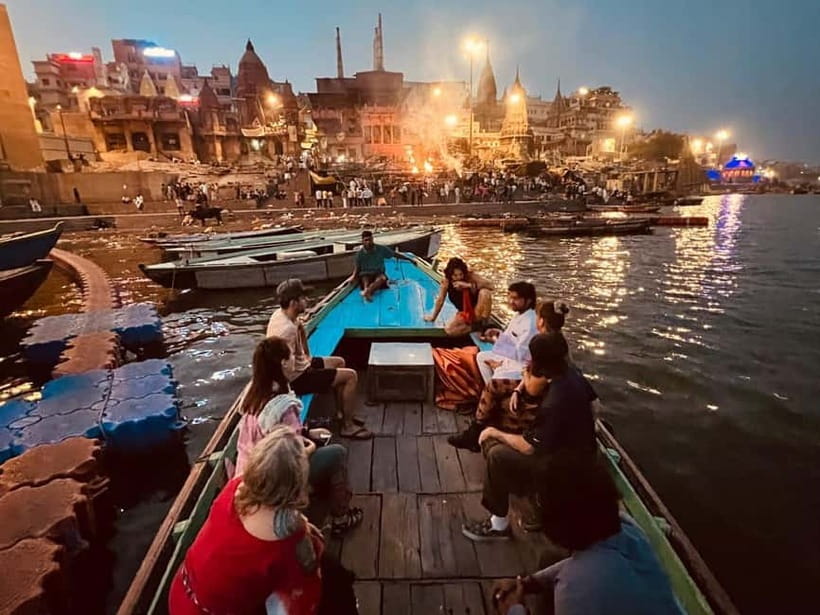
You wrap up with Dashashwamedh Ghat, described as the most famous ghat in Varanasi. Ending here makes sense. By the time you reach it, you’ve already learned how to read the ghats. Now you can experience the energy of the riverfront with a better understanding of what’s happening around you.
You’ll witness everyday activity along the river and also explore nearby markets. This is where your walk starts to blend into normal city life. It’s also a useful point if you want to do one quick market browse afterward—without feeling like you’re leaving the tour blind.
If you’re going in the evening, the tour includes the chance to stay for Ganga Aarti, which is described as highly recommended. The guide can help time your viewing so you don’t miss it.
The Guide Makes It: Anmol and Prassan’s Multilingual Storytelling
This tour’s reputation rests heavily on the people leading it. One guide named Anmol stands out for being described as polite, knowledgeable, and accommodating—especially when a family needed customization for parents. He also arranged a smooth visit to Kashi Vishwanath Temple even when it wasn’t part of the original plan, which signals real local capability.
Another name that shows up in bookings is Prassan, praised for being educational and sharing interesting information even beyond the core route—answers to questions, plus extra context that helps you connect Varanasi’s places to bigger ideas.
Language is part of the quality here too. Italian delivery is specifically praised, along with the fact that the guides can shift between Italian, Hindi, and English. For you, that means fewer misunderstandings and more time spent actually understanding what you’re seeing.
In plain terms: a good guide turns Varanasi from noise into meaning.
Price and Value at $26: What You’re Really Paying For
At $26 per person for 2 hours, the price feels reasonable because several practical items are included. You get an experienced local guide, temple tour coverage, temple entry, bottled water, and chai/coffee. There’s also a skip-the-ticket-line style advantage, plus a private group format.
That combination matters. If you tried to piece it together yourself, you’d spend time figuring out where to go, who to ask, and how to handle temple entry. Here, you’re paying for reduced friction and better context.
Private-group value depends on your travel style. If you’re going solo, it’s still a fair deal for an organized 2-hour circuit. If you’re traveling with one or two people, it’s often more cost-effective than paying multiple separate guide arrangements while also paying for entry and dealing with logistics.
Practical Tips That Keep This Walk Comfortable and Respectful
This is a walking tour with temple stops, so simple preparation makes a big difference.
- Carry a copy of your ID or passport. It’s specifically noted as important before you go.
- Plan for uneven walking. Since it’s not suitable for wheelchair users and it’s for people 95 and under, it’s safe to assume you’ll be on steps and uneven surfaces.
- Dress for temples. Even if the tour doesn’t spell out dress rules, temples expect basic respect, and the guide will steer you on what’s acceptable at each stop.
- Bring your focus, not just your camera. The tour is about history and spiritual context, so the best photos often come after you understand what you’re looking at.
Also, the tour includes bottled water and chai/coffee, so you won’t need to hunt down a drink during the route.
Who This Tour Suits Best (and Who Might Want Another Option)
You’ll probably love this tour if you’re:
- A first-timer who wants an organized introduction to Varanasi’s spiritual side
- Someone who likes temples and storytelling more than long free time
- Traveling with family members who will benefit from pacing and a guide who can adjust on the spot
- Looking for a route that covers multiple ghats without turning it into a full-day project
It may not be the best fit if you:
- Need wheelchair access
- Have limited mobility beyond what a walking route requires
- Want deep, slow study at one site for a long stretch
This isn’t an all-day march, but it’s not a sit-down tour either.
Should You Book This Private Temple and Ghat Walk?
If your goal is to understand Varanasi quickly and respectfully—Assi to Dashashwamedh, with meaningful temple stops—this is an easy yes. The tour’s biggest strength is the combination of route structure, temple context, and guide quality, with real evidence that guides like Anmol (and Prassan in other bookings) can adapt and explain clearly.
Book it especially if you’re visiting once and want the ghats to make sense in your head before you move on. If you’re worried about walking distance, comfort, or getting through emotionally intense areas, consider whether the cremation-ght context is something you can handle calmly. For the right traveler, this 2-hour loop is one of the most efficient ways to meet Varanasi where it actually lives.
FAQ
Where does the tour start and end?
The tour starts at Pizzeria Vaatika Cafe and returns there at the end.
How long is the experience?
It’s a 2-hour private walking tour.
What languages are the guides available in?
The guide can speak Italian, Hindi, and English.
What’s included in the price?
Included are the temple tour, an experienced local guide, bottled water, temple entry, and chai/coffee.
Is skip-the-ticket-line included?
Yes, the tour includes a skip the ticket line benefit.
What should I bring before I go?
You should carry a copy of your ID or passport.
Is this tour suitable for everyone?
It’s not suitable for wheelchair users and it’s also not suitable for people over 95 years.