REVIEW · GDANSK
Gdansk: Jewish Heritage Guided Private Walking Tour
Book on GetYourGuide →Operated by PT Team · Bookable on GetYourGuide
Jewish history in Gdansk is written in stone, gates, and streets. This private 4-hour walk follows the Trail of Jewish Monuments, connecting the city’s seaport wealth to synagogues, the ghetto area, and Holocaust-era memory. I especially love how the tour ties big events to specific places, so it feels real instead of textbook.
You’ll also get to see the Jewish cemetery with its original walls, entrance gate, and graves, and then hear the story behind the Great Synagogue on Kristallnacht—details you won’t pick up on your own. The one thing to plan for: some stops cover the Holocaust, so bring emotional patience.
In This Review
- Key highlights that make this tour worth your time
- Jewish Gdansk feels personal because it’s place-based
- The private 4-hour format: calm pacing, not a stampede
- Old Town stops that connect money, culture, and Jewish community life
- The Great Synagogue site: more than a missing building
- Granary Island and the ghetto-area walk where details matter
- Jewish cemetery visit: original walls, gate, and graves
- New Synagogue in Wrzeszcz: the survivor that changes the ending
- Price and logistics: what $60 really buys you
- Who this tour suits best (and who should choose something else)
- What to watch for during the walk
- Should you book this Jewish Heritage Private Walking Tour?
- FAQ
- How long is the Jewish Heritage Guided Private Walking Tour in Gdansk?
- How much does the tour cost?
- Is the tour private?
- Do you get hotel pickup and drop-off?
- What’s included in the price?
- Are entrance fees included?
- What languages are available for the live guide?
- Is the tour wheelchair accessible?
- What does the tour cover?
- Is there free cancellation?
Key highlights that make this tour worth your time
- A fully private, guided “trail” of Jewish monuments across key Old Town sites and beyond
- Old Town art and architecture across centuries, tied directly to Jewish life in the city
- The Jewish cemetery visit, with original walls, the entrance gate, and graves
- Kristallnacht survival story, including Jewish veterans who helped save the Great Synagogue
- Ghetto-area and Holocaust context, including Granary Island and the Kindertransports monument
- A synagogue finale at the New Synagogue in Wrzeszcz (built in 1926), the sole remaining one in the city
Jewish Gdansk feels personal because it’s place-based
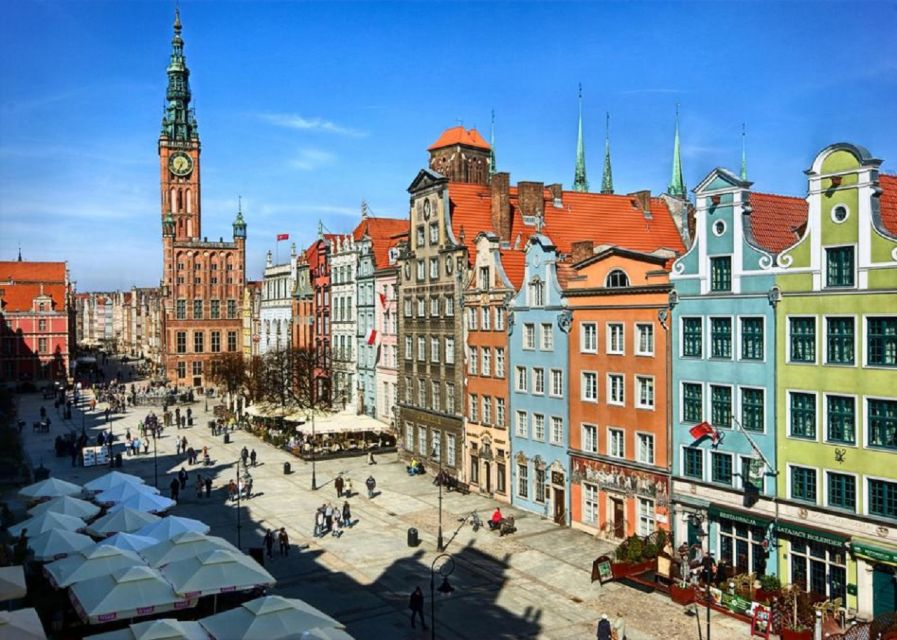
If your memories of “heritage tours” are mostly plaques and quick photos, this one changes the pace. In Gdansk, Jewish history isn’t tucked away in one museum room—it’s scattered across Old Town streets, fortresslike walls, and the physical footprint of neighborhoods. That matters, because your brain can map the past to the present.
I like that the guide brings the timeline into focus. You start with how Jews in Gdansk likely trace back to as early as the X century, then you move through eras when the city grew into a major seaport. Later, you get to the late 19th century moment when the community erected the city’s largest synagogue—an identity marker, not just a building. Then you end at Wrzeszcz, where the New Synagogue from 1926 still stands.
One practical point: this tour includes the ghetto and Holocaust history. Plan to slow down at the tougher parts and let the guide’s explanations do the work.
The private 4-hour format: calm pacing, not a stampede
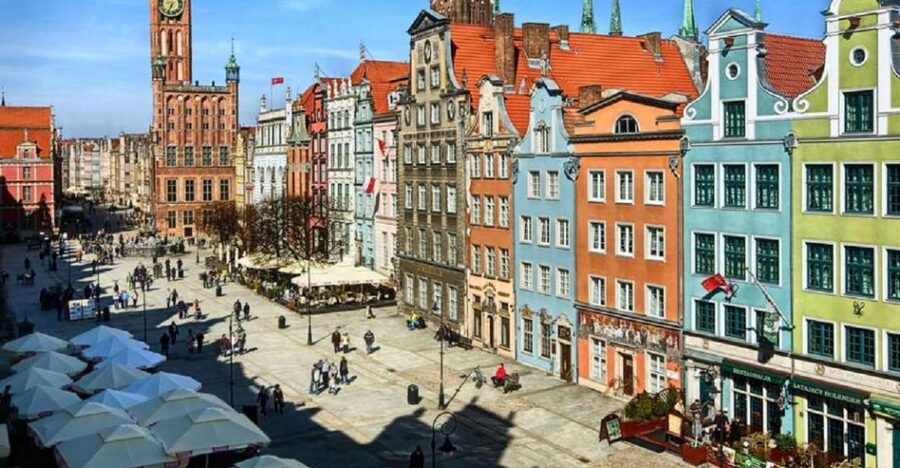
This is a private group tour, and you feel that difference right away. Your guide meets you in the hotel lobby, waiting with your name, then you head out together. It’s not a “join a bus and guess where you’ll stand” situation. It’s built for conversation and questions, especially when the subject gets complex.
The total time is 4 hours with hotel pickup and drop-off plus transportation. That combination is a big value add in Gdansk, where it’s easy to lose time figuring out transit or backtracking between neighborhoods. You’re not forced to rely only on walking, and you’re not left on your own with an itinerary diagram.
Language coverage is broad: English, French, Italian, Portuguese, Polish, Spanish, German, and Russian. If you’re choosing this because you want everything clearly explained, that helps.
Old Town stops that connect money, culture, and Jewish community life
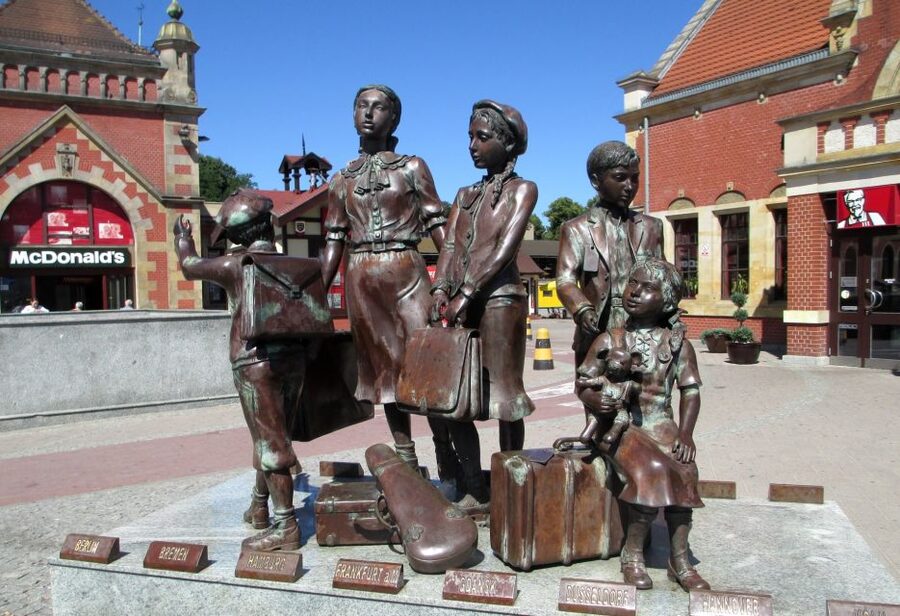
Old Town is where you start to see why Gdansk became such an important magnet for merchants and craftspeople. As the city expanded—especially in the 15th and 16th centuries, when it grew into one of Poland’s most densely populated and prosperous urban centers—affluent communities pulled in skilled trades. Jewish merchants played a role in developing trade, industry, and crafts. Your guide keeps that social story anchored to actual sites you can stand in front of.
The tour also points out the way Jewish culture showed up in the city’s arts scene. You’ll hear about Jewish theatre in Gdansk, which is one of those facts that makes the city feel fuller. It’s not just survival and tragedy; it’s also performance, community life, and everyday cultural energy—before the world turned.
You’ll also see major architecture across centuries while you’re learning. That’s not just scenery. It’s how you understand what kinds of communities had the resources to build, gather, and represent themselves in stone and design.
The Great Synagogue site: more than a missing building
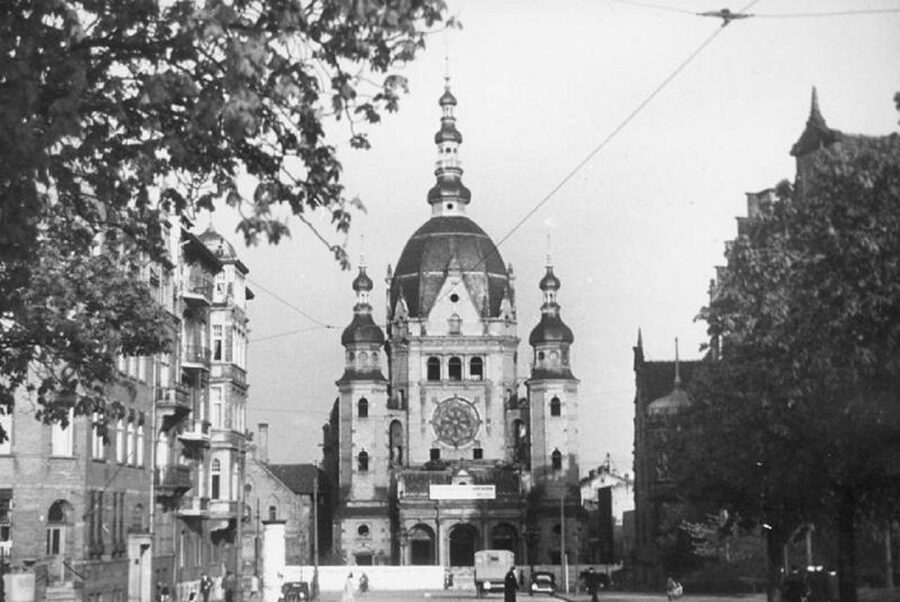
One of the most important moments on the walk is stopping at the location where the Great Synagogue once stood. The guide explains why it mattered: in the late 19th century, it became the largest synagogue in Gdansk and a symbol of unity among the city’s Jews. That’s the kind of context that changes how you look at a vacant spot. You’re not just seeing “nothing happened here.” You’re seeing a place that once held identity.
You also learn how the synagogue was destroyed by Germans in 1939. That date gets placed into a wider story you’ll follow through later stops. Think of it as the anchor point—the event that connects the city’s 19th-century community peak to the violent break that followed.
Then comes a particularly human layer: the guide tells the story of Jewish veterans who saved the Great Synagogue on Kristallnacht. You might expect the narrative to move in one direction only, but this part adds complexity. It highlights courage, local action, and the fact that history is made by people doing something—even under terrifying pressure.
Granary Island and the ghetto-area walk where details matter
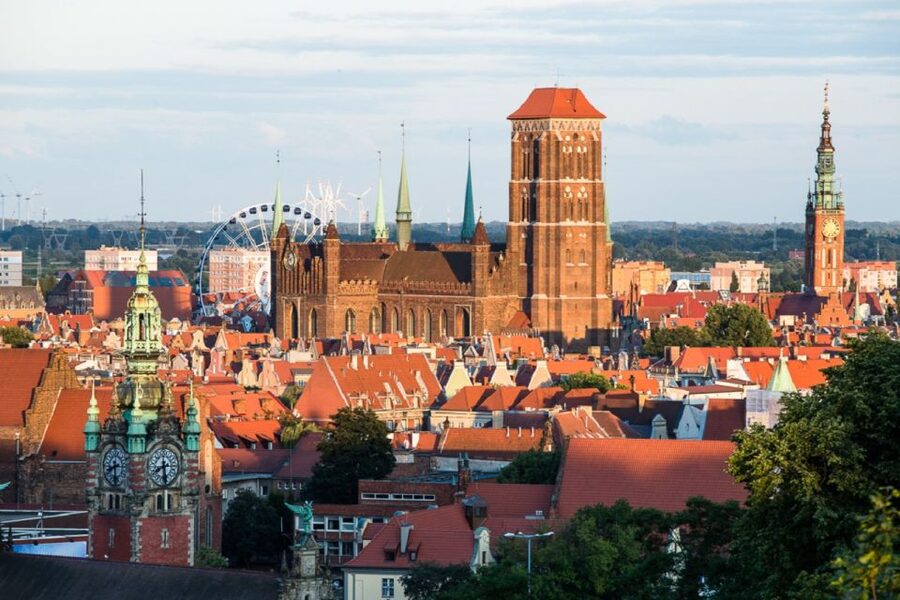
After the Old Town context, the tour shifts toward the ghetto-area footprint. One stop focuses on the former Jewish ghetto area on Granary Island. You’re not just being told what the ghetto was—you’re shown where it was in the city’s layout, and that’s key. The Holocaust isn’t an abstract concept when you can trace the space it affected.
The guide also covers the history that led into the Holocaust and what the ghetto represented in the broader Nazi system. Because this is a guided walk, you get the “why” behind the events, not only the “what.”
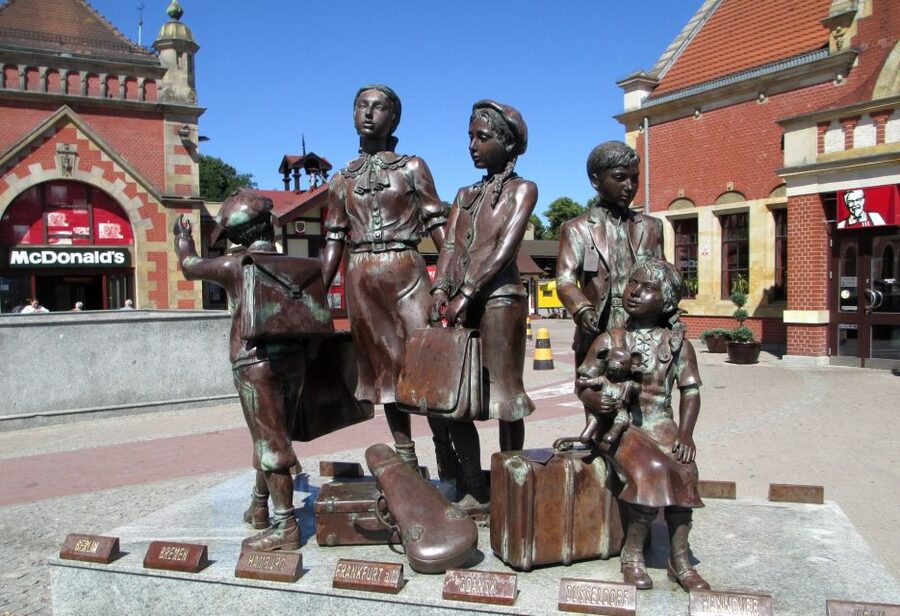
From there, you’ll also see the Kindertransports monument. This is an opportunity to understand what Kindertransports were and why the idea still matters today as a symbol of rescue efforts and the painful reality of children separated from safety.
These stops work best when you keep your camera ready but slow your thinking down. Look around at the street fabric and water-adjacent geography. Then listen to how the guide connects those features to the lived conditions of that period.
Jewish cemetery visit: original walls, gate, and graves
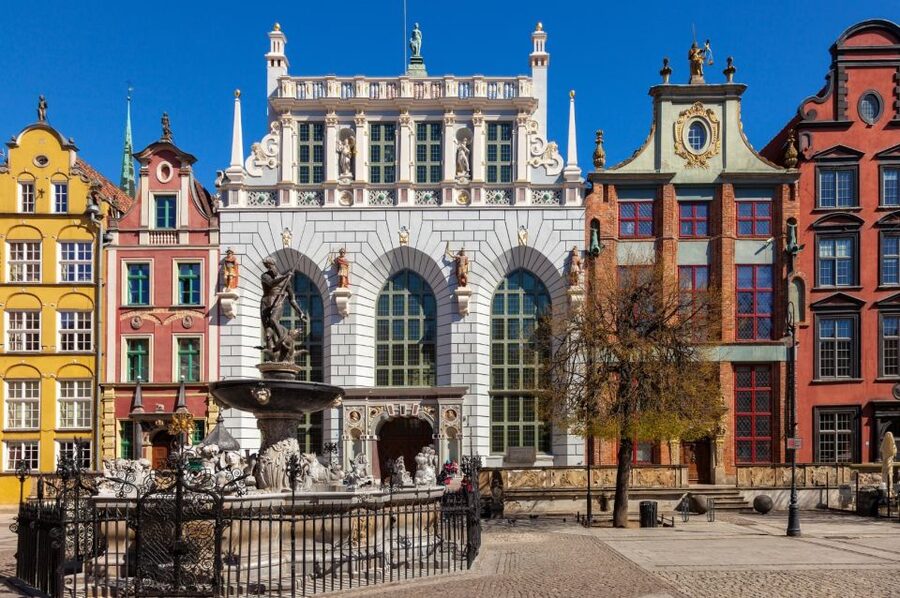
If you want one stop that anchors the tour in tangible memory, it’s the Jewish cemetery. You’ll visit the cemetery with original walls, the entrance gate, and graves. This is one of those places where the guide’s pacing matters because it’s not a “fast in, fast out” kind of site.
A cemetery visit does something different from ghetto-site history. It turns the story from a timeline into names, families, and continuity. Even without reading every inscription, you can feel how the community’s presence endured long enough to leave these physical markers.
Practical note: entrances aren’t included, so if tickets or paid entry apply at the cemetery or synagogue stops, plan for that extra cost. Bring patience too. Cemetery visits tend to make everyone slightly quieter, and that’s part of the point.
New Synagogue in Wrzeszcz: the survivor that changes the ending
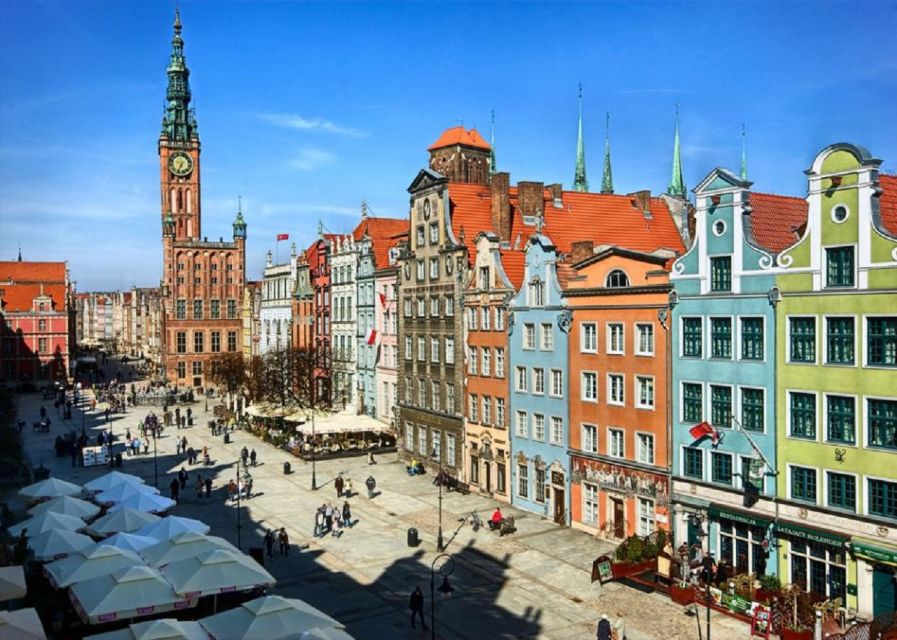
The final synagogue stop is the New Synagogue in Wrzeszcz, built in 1926. The guide frames it as the sole remaining synagogue in the city. That fact changes the way you take in the building. It’s not only architecture; it’s survival.
By the time you reach this stop, you’ve already seen how the Great Synagogue was destroyed and how the community was broken. So the New Synagogue lands with weight. You’re walking from loss into what endured.
This end point is also a smart structure for the overall tour. You start with community growth, move through cultural life and major landmarks, confront the ghetto and Holocaust history, then finish with a building that still stands—one clear line you can follow from past to present.
Price and logistics: what $60 really buys you
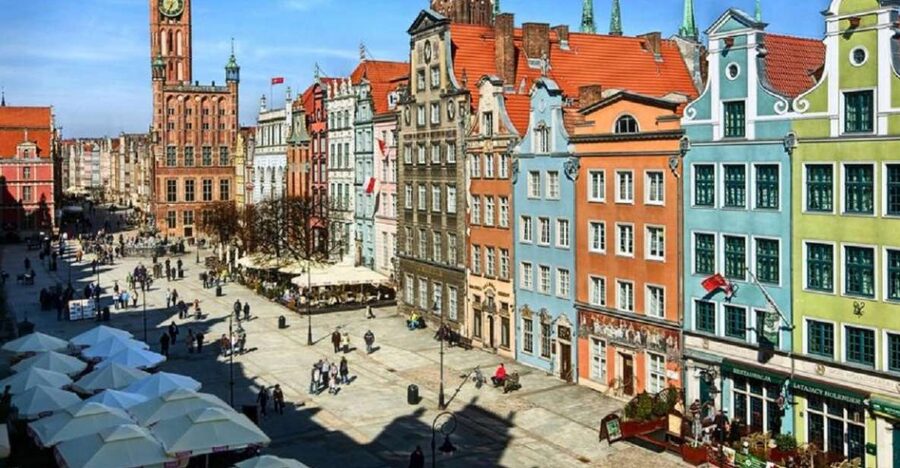
At $60 per person for a 4-hour private tour, the value comes from more than the guide. You’re also getting hotel pickup and drop-off and transportation, which saves time and reduces friction. In a city split across neighborhoods, that matters more than it might at home.
What’s not included: entrances. That’s the main catch to budget for. If multiple sites require paid admission, you’ll feel it. Still, the big picture is that this tour covers several high-impact stops with interpretation throughout, rather than asking you to figure out the “right order” on your own.
Also, the private format is a practical upgrade. You can ask clarifying questions, and the guide can adjust pacing when something needs more explanation. For a topic like Jewish heritage and Holocaust history, that flexibility is worth something.
Who this tour suits best (and who should choose something else)
This is a great fit if you want:
- a focused walk across multiple Jewish heritage sites in and around the Old Town
- clear guidance through sensitive history, not just photo stops
- a private experience with pickup, transport, and time-efficient routing
It may be less ideal if you’re looking for a party-style city tour or want lots of free time to wander without guidance. Also, because the ghetto and Holocaust history are part of the route, it helps if you’re ready for serious content.
What to watch for during the walk
A few things make the difference between a good tour and a great one.
First, wear comfortable shoes. You’ll be moving through Old Town streets and then across to other areas within the 4-hour window. Second, bring a notebook or saved notes on your phone. The guide covers dates, locations, and specific meanings behind monuments—jotting one or two facts helps the whole story stick.
Finally, choose your questions wisely. Ask about what you’re seeing in front of you: why this building mattered, what the ghetto footprint changed, or what the Kindertransports monument represents in context. The guide’s job here is to make the details legible.
Should you book this Jewish Heritage Private Walking Tour?
Book it if you want a structured, place-based way to understand Jewish life in Gdansk—from community growth and major landmarks to the ghetto area and the Holocaust—ending at a surviving synagogue you can still see today.
Skip or compare if you only want a quick highlights walk, or if you strongly prefer self-guided exploration with no discussion of difficult history. Also budget for entrances, since they’re not included.
If you care about getting names, dates, and “why this matters” context directly from a guide, this is one of the better ways to spend a half-day in Gdansk.
FAQ
How long is the Jewish Heritage Guided Private Walking Tour in Gdansk?
The tour lasts 4 hours.
How much does the tour cost?
It costs $60 per person.
Is the tour private?
Yes. It’s a private group tour.
Do you get hotel pickup and drop-off?
Yes. Your guide meets you at your hotel lobby and you get drop-off after the tour.
What’s included in the price?
The guide (4 hours), hotel pickup and drop-off, and transportation are included.
Are entrance fees included?
No. Entrances are not included.
What languages are available for the live guide?
The live guide is available in French, Italian, Portuguese, English, Polish, Spanish, German, Russian.
Is the tour wheelchair accessible?
Yes, it’s listed as wheelchair accessible.
What does the tour cover?
You’ll follow a trail of Jewish monuments, see key Old Town places tied to Jewish life, visit the Jewish cemetery, learn about Jewish veterans who saved the Great Synagogue on Kristallnacht, view the ghetto area, see the Kindertransports monument, and end at the New Synagogue in Wrzeszcz.
Is there free cancellation?
Yes. You can cancel up to 24 hours in advance for a full refund.