REVIEW · GIRONA
Girona: Jewish Heritage Guided City Tour and Museum Visit
Book on GetYourGuide →Operated by Girona Experience · Bookable on GetYourGuide
Jewish Girona hits differently on stone streets. In just 2.5 hours, this guided walk through the Jewish Quarter (El Call) and a museum visit turns centuries of story into something you can picture, even if you’re not a history buff.
Two things I really like: you get a human, street-level tour of where people lived and prayed, and you also step into the Museum of Jewish History, housed in the last synagogue connected to Girona’s community before 1492.
One possible drawback to consider: it’s a walking-focused experience and it isn’t suitable for wheelchair users, so wear good shoes and be ready for narrow, cobbled streets.
In This Review
- Key moments that make this tour worth your time
- Finding your way in Girona: meet at Plaça Sant Feliu
- Barri Vell to El Call: 2 hours of “where this happened”
- What you’ll notice while walking
- A realistic pace note
- Seeing the neighborhood layout: the three synagogues and the “why”
- The Nahmanides connection feels personal
- Museum time: the Museum of Jewish History in the last synagogue
- What you’ll learn inside
- The 1492 expulsion: how the tour frames the ending
- What’s included (and what you should plan for)
- Price and value: why $53 can be a smart buy
- Who should book this Girona Jewish heritage tour
- Tips to get the most out of it
- Should you book this tour?
- FAQ
- How long is the Girona Jewish Heritage Guided City Tour and Museum Visit?
- Where do I meet the guide?
- What languages are available for the guided tour?
- What is included in the price?
- Is the tour wheelchair accessible?
- What should I bring?
Key moments that make this tour worth your time
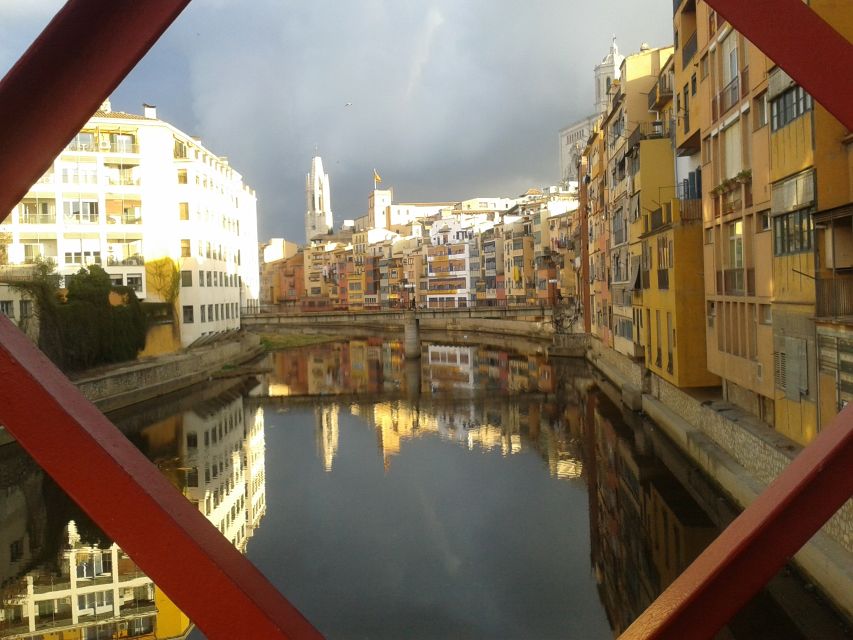
- El Call street walk with real context: You’ll connect the buildings to the customs, tools, and daily life of the community.
- The Nahmanides connection: You’ll learn why Girona matters to Nahmanides, one of the most important rabbi-philosopher figures tied to the city.
- Sites of three synagogues: The guide helps you understand what was where, not just what to look at.
- Museum visit without the ticket-stress: Entrance is included and you skip the ticket line.
- Small group energy: Up to 10 people keeps the pace interactive.
- A clear 1492 storyline: You end with the big historical turning point that closed about 600 years of coexistence.
Finding your way in Girona: meet at Plaça Sant Feliu
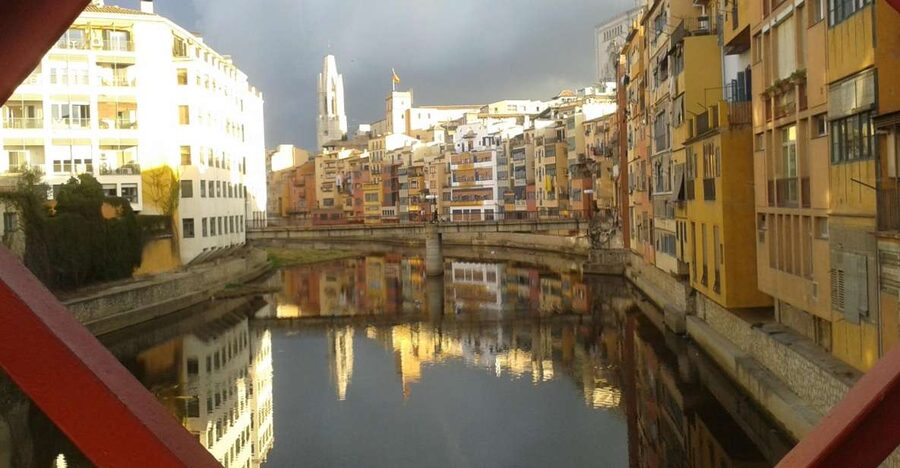
Start your morning (or afternoon) at Plaça Sant Feliu, right by The River Caffe in Girona. This is a practical setup: you’re meeting in the center of the action, so you don’t waste time figuring out routes or fighting confusing street grids.
From there, the tour flows on foot through the city’s older neighborhoods. You’re not jumping between far-off locations—you’re gradually walking into the layers of Girona, from Roman-era hints to medieval streets that still feel tight and human.
You can also read our reviews of more tours and experiences in Girona.

Barri Vell to El Call: 2 hours of “where this happened”

The tour splits the walk into two guided segments. First, you’ll spend about an hour in Barri Vell, the older part of Girona that provides the baseline context. Then you’ll shift into El Call for the second hour, where the streets and history become the main event.
Here’s what makes the “where it happened” approach work: instead of treating Jewish history like a separate topic, the guide frames it inside the physical layout of Girona—how narrow lanes shape movement, how neighborhoods form community, and how buildings reflect everyday routines. You come away with a map in your head, not just a list of facts.
What you’ll notice while walking
As you move through the cobbled, medieval-feeling lanes, you’ll be guided to key stops tied to the Jewish community’s life in Girona. You’ll hear how the neighborhood was known locally as the Call, and that it housed around 1,000 inhabitants during the Middle Ages—small by modern standards, but huge for that era.
The best part is that the guide doesn’t leave you staring at stones. You’ll get practical explanations of what people used and how homes were designed, so the streets start to feel inhabited again.
A realistic pace note
This is a 2.5-hour tour with focused stops, so you should expect steady movement and a guide who wants to cover a lot of ground. A few people have mentioned that some guides talk fast, and it can take a few minutes to settle into the rhythm. If you’re sensitive to pace, go in with the mindset that you might want to jot down questions early.
Seeing the neighborhood layout: the three synagogues and the “why”
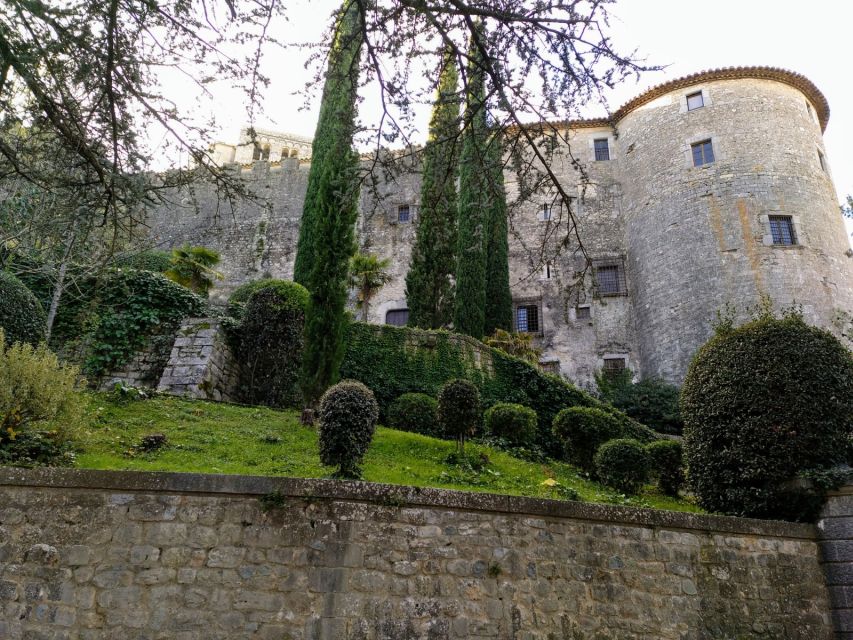
One of the tour’s strongest features is that it doesn’t just say Girona had synagogues. You’ll actually visit places connected with the city’s three synagogues, learning where they were and how that mattered to community life.
This helps in a very practical way. Synagogues aren’t only religious buildings in the story of a neighborhood—they’re social anchors too. When you understand where they were located relative to daily life, the city stops being a scenic backdrop and turns into a living system.
The Nahmanides connection feels personal
You’ll also hear why Girona is considered the hometown of Nahmanides—a major rabbi-philosopher, physician, and Sephardic rabbi associated with the city. Even if you only know the name in passing, the guide’s framing makes it concrete: you’re standing in a place tied to a person whose ideas mattered beyond Girona.
This part is one of those “small details that change your whole perception” moments. Suddenly, the tour isn’t only about a community’s past; it’s also about how thinkers, teachers, and religious life shaped the city’s identity.
Museum time: the Museum of Jewish History in the last synagogue
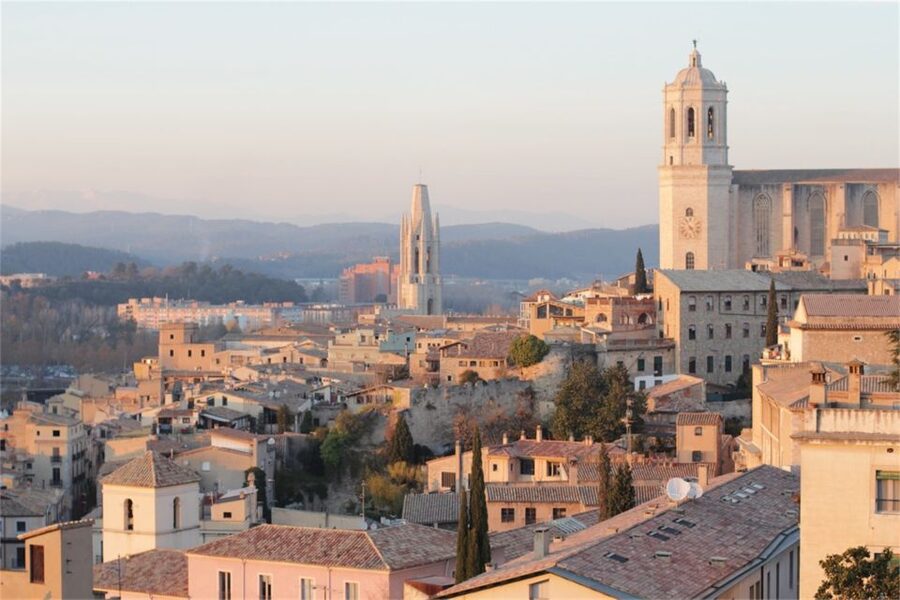
After your street walk, you’ll switch gears for about 45 minutes at the Museum of Jewish History. Entrance is included, and you skip the ticket line, which is a big deal if you’re trying to keep your Girona day fluid.
The museum visit carries extra weight because it’s tied to a specific turning point. It’s described as the last synagogue before the 1492 expulsion, so you’re not just collecting background—you’re walking through the physical evidence of what survived, what ended, and what changed.
What you’ll learn inside
The guide’s museum focus ties directly to what you saw outside. You’ll learn about the community’s way of life—customs, traditions, and the human routines behind the headline dates. That pairing is smart: you’re not forced to choose between “history” and “place.” You get both in sequence.
45 minutes is long enough to absorb the story without draining you. If you’ve spent the morning already reading in cathedrals and medieval walls, this museum gives you a different kind of insight: how one community lived, worshiped, and organized its daily world.
The 1492 expulsion: how the tour frames the ending

Walking through El Call and then entering a museum linked to 1492 gives the story emotional momentum. You’ll hear how the guide explains the expulsion of the Jews in 1492—an act that ended about 600 years of coexistence.
I like the way this is handled on tours like this: you get the historical arc, but it’s anchored in places. That means the ending doesn’t feel abstract. It feels like it happened to a neighborhood you can still picture.
And it matters that the guide describes the neighborhood’s daily life before the end. When you understand what was normal, then the rupture hits harder. You leave with more than dates—you leave with a sense of loss and impact.
What’s included (and what you should plan for)
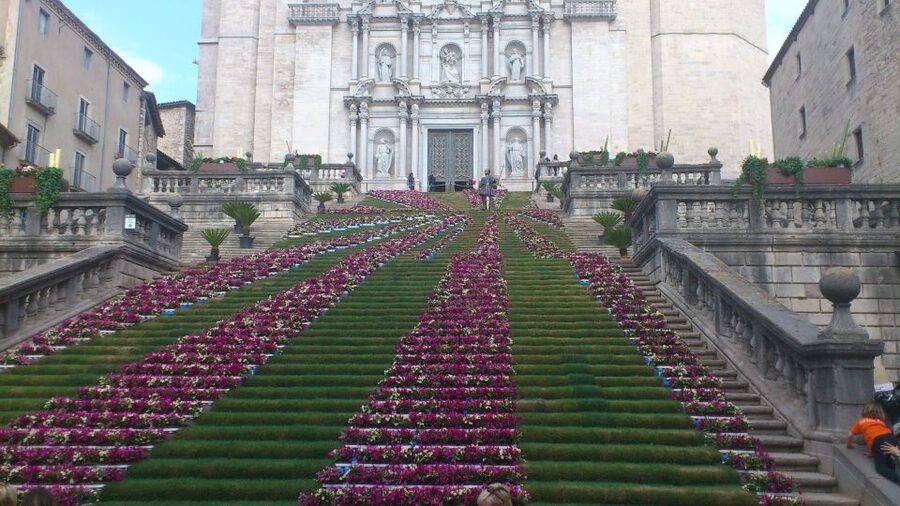
This experience includes a walking tour of the Jewish Quarter plus museum entrance with an expert live guide. It’s also designed as a small group (up to 10 participants), which usually helps with questions and pacing.
Not included: food and drinks. You’ll walk for a couple of hours, then visit the museum, so plan a snack or schedule this around a meal you already like nearby. Also, bring comfortable shoes. Girona’s historic streets are rarely flat or forgiving.
Price and value: why $53 can be a smart buy
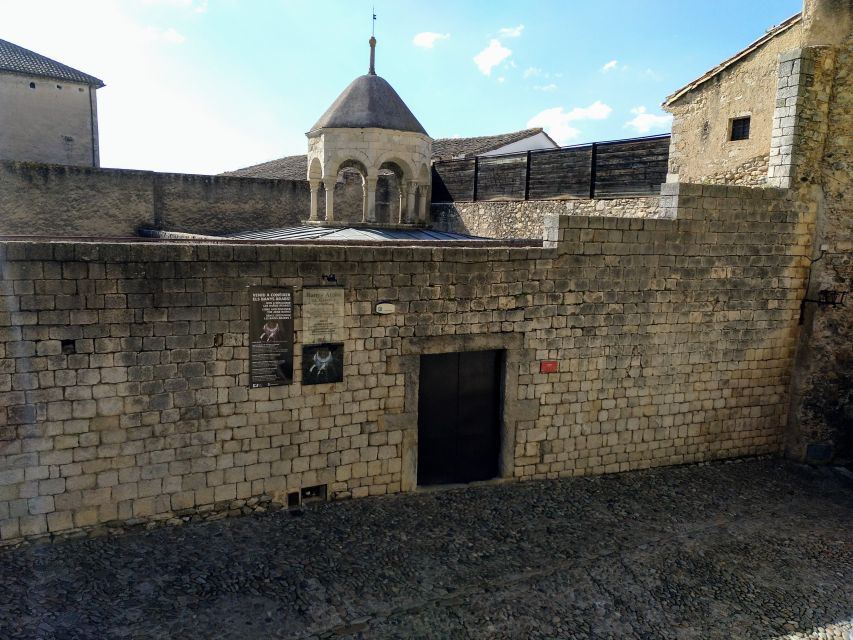
At $53 per person, you’re paying for three things that are hard to recreate on your own quickly: guided interpretation, museum entrance, and time-saving access (skip the ticket line).
If you’re the type of traveler who reads plaques but wants the “so what?”—this tour is built for you. The guide helps connect the physical spots to the community’s customs and daily tools, which is the part most self-guided visits miss. The museum is also the value anchor: entrance included turns your cost from “just a walk” into “walk plus curated cultural context.”
Two small notes on value thinking:
- If you’re traveling with kids, the guide-led style can work well; one person specifically mentioned a guide being great with kids.
- If you’re expecting a slow, wander-at-your-own-tempo stroll, you may find the structure a bit tight, because the tour is timed to fit both the walk and museum visit.
Who should book this Girona Jewish heritage tour
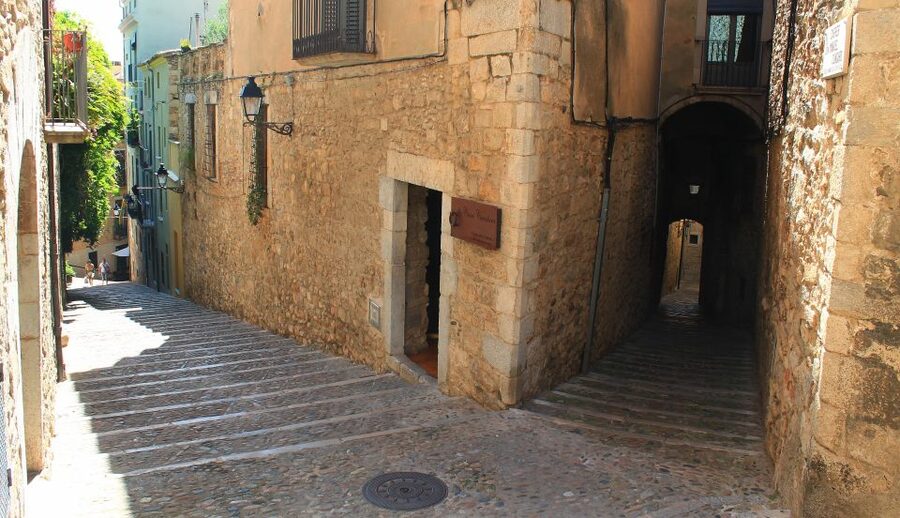
I’d put this tour near the top of the list if you want a focused dose of Girona’s Jewish heritage without spending the whole day on research. It’s especially good if you like:
- guided walks that explain everyday life, not only big political events
- history tied to specific places you can stand in
- a small group where you can ask questions
It’s also a solid choice if you’ve already seen Girona’s main sights and want the city’s layered past to make more sense. Pairing street context with a museum visit is a clean way to turn “cool old neighborhood” into real understanding.
If you’re traveling with limited mobility or need wheelchair access, this one doesn’t fit (it’s listed as not suitable for wheelchair users). In that case, you might look for a different format with minimal walking.
Tips to get the most out of it
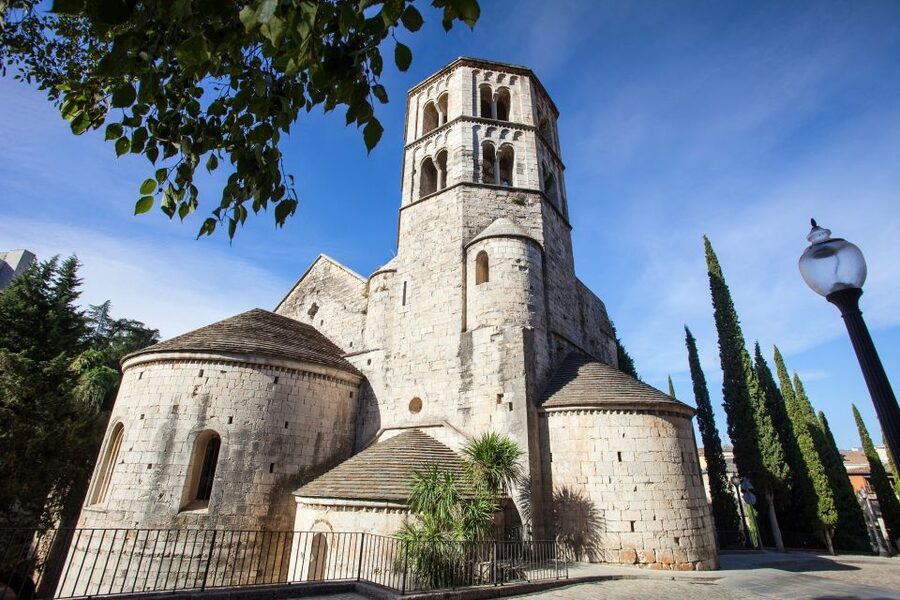
- Arrive a few minutes early at Plaça Sant Feliu, so you don’t feel rushed at the start.
- Bring a question or two. The tour works best when you’re curious and talk back. People have praised guides like Mike and Carolina for being friendly and answering questions.
- Expect a steady pace through narrow streets. Comfortable shoes are not optional here.
- After the tour, keep your eyes open. When you understand where the synagogue sites were and why El Call mattered, you’ll spot details you would otherwise miss.
Should you book this tour?
Yes, if you want a compact, guided way to understand Girona’s Jewish Quarter and the meaning behind its landmarks. The combo of street walk plus Museum of Jewish History makes the experience feel complete, and the small group format keeps it interactive.
I’d skip it only if you strongly prefer self-guided wandering, need wheelchair access, or want a very slow pace with lots of quiet time. Otherwise, this is a strong value at $53 for 2.5 hours—especially because you’re not just seeing the neighborhood, you’re learning how people lived there, and what happened when everything changed in 1492.
FAQ
How long is the Girona Jewish Heritage Guided City Tour and Museum Visit?
The tour runs for about 2.5 hours total, including the guided walk and the museum visit.
Where do I meet the guide?
Meet at Plaça Sant Feliu, beside The River Caffe, in Girona.
What languages are available for the guided tour?
The tour is offered in English and Spanish.
What is included in the price?
The price includes the walking tour of the Jewish Quarter, entrance to the Museum of Jewish History, and an expert live guide.
Is the tour wheelchair accessible?
No. It is listed as not suitable for wheelchair users.
What should I bring?
Wear comfortable shoes for walking on cobbled, historic streets.