REVIEW · GUAYAQUIL
Half Day Guayaquil Historical Tour and Cocoa Culinary Experience
Book on Viator →Operated by Yamil Saman Cabrera · Bookable on Viator
If you have limited time in Guayaquil, this tour is built for maximum value per hour, mixing city history, a wildlife-and-architecture stop, and a real cocoa-focused food experience. I like how it’s private, so your guide can shape the pace and keep things comfortable, especially if your schedule is tight.
I also like the way the cocoa part isn’t just tastings—it connects farming traditions to the factory process and then to an Ecuadorian cooking class. One watch-out: you’ll get the best results with good weather, because parts of the day include outdoor walking and a climb.
In This Review
- Quick hit: what you’ll love most
- Cocoa tour highlights you can plan around
- A Half-Day Guayaquil Plan That Works When Time Is Tight
- Parque Historico Guayaquil: wildlife, architecture, and a quick education
- Las Peñas in 30 minutes: cobblestones and colonial-style streets
- Cocoa Museum and the Cacao Factory: where chocolate starts making sense
- Puerto Santa Ana and Cerro Santa Ana: a short climb, big view payoff
- Villa 97 Ecuadorian cooking class: cocoa desserts and chicken with cocoa
- Price and value: what $135 buys you in real terms
- How the guides shape the experience (and why that matters)
- Who this tour suits best
- Quick planning tips before you go
- Should you book the Half Day Guayaquil History and Cocoa Culinary Tour?
Quick hit: what you’ll love most
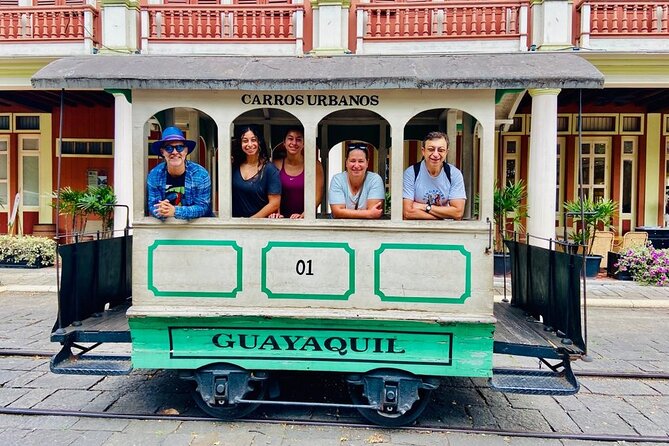
Two things tend to make this tour feel worth the money. First, the itinerary is compact but not random—you’re shown key places like Parque Historico Guayaquil and Las Peñas, then you move into cocoa and views. Second, the food component is hands-on and specific: you cook a main dish with cocoa and you sample homemade artisan chocolate and desserts.
For some people, the only drawback is simple timing. The day runs about 5 hours, so you won’t have a lot of spare time if you want to linger for extra photos or shopping at each stop.
Cocoa tour highlights you can plan around
Private guide and hotel pickup keep the day moving without confusion
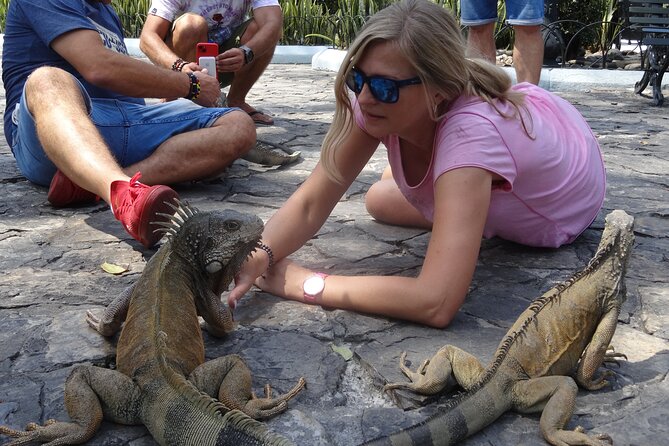
Parque Historico Guayaquil combines historical preservation and wildlife viewing time
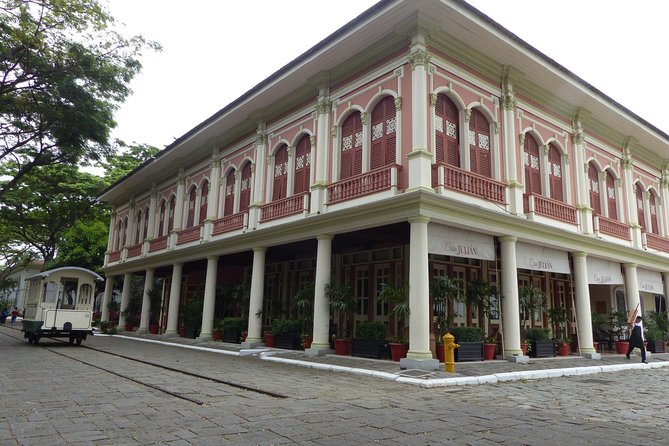
Las Peñas delivers classic cobblestone streets and colonial-looking architecture
El Museo del Cacao + a cacao factory connects beans to chocolate-making steps
Cerro Santa Ana climb for skyline panoramas in a short window
Villa 97 cooking class centers seafood cooking, cocoa desserts, and chicken with cocoa
A Half-Day Guayaquil Plan That Works When Time Is Tight
Guayaquil can be a “one-day, go-go-go” city—especially if your schedule is driven by a flight connection. This tour is designed for that reality. In about 5 hours, you cover major neighborhoods, get a wildlife-and-history stop, then finish with a cooking class built around Ecuadorian cocoa and familiar local flavors.
What makes it practical is the private transportation with air conditioning plus hotel pickup and drop-off. You’re not sharing a bus, and you’re not stuck trying to piece together rides between scattered locations. You also get bottled water, coffee and/or tea, and a map of Guayaquil, which sounds small until you’re doing everything in a rush.
And because the tour is private, the guide (Yamil Saman Cabrera is the listed provider) can manage the flow of the day in a way that feels personal. In real-world terms, that means fewer dead minutes and more time spent where it matters.
Parque Historico Guayaquil: wildlife, architecture, and a quick education
The day begins at Parque Historico Guayaquil, with about 2 hours on site, and admission included. This stop is doing two jobs at once: you’re getting a look at preserved architectural history, and you’re also spending time in an area where you can see local fauna and flora.
I like this first stop because it gives you grounding. You start the day in a place that helps you understand the city beyond what you see from the street. The wildlife component also breaks up what can otherwise feel like nonstop “standing and looking” sightseeing.
A practical note: two hours is a good chunk of time, so wear shoes that handle uneven ground. If you’re the type who likes photos, this is the time to slow down—because later stops are shorter and more “move-and-see.”
Las Peñas in 30 minutes: cobblestones and colonial-style streets
Next up is Las Peñas for about 30 minutes, with admission included. Las Peñas is known for cobblestone streets and colonial architecture, and this stop is built to give you the feel of the neighborhood without turning the day into a long walking tour.
Thirty minutes is short, so you’ll want to be ready to prioritize. If you’re interested in architecture and street scenes, this is a great match. If you’re hoping to do a deep dive into galleries or browse for souvenirs, you may find the time constraint tight.
Still, for a half day itinerary, Las Peñas works because it adds texture—colorful houses, old-street vibes, and a sense of place—right after your more structured start at the historical park.
Cocoa Museum and the Cacao Factory: where chocolate starts making sense
Then the tour pivots from city history to the agricultural roots of cocoa. You’ll visit El Museo del Cacao and also get time for a cacao factory visit. The museum plus factory time is listed at 30 minutes for this portion, with admission included.
Here’s why this part matters. You’re not just tasting chocolate as a treat—you’re learning how cocoa supports agricultural traditions and socioeconomic development in the region. In plain terms: it helps you connect what you eat to the work and systems behind it.
It’s also a sensory section. Even with the short time window, you can usually tell the difference between cocoa as an ingredient and cocoa as a product. The factory component, where you can see the chocolate-making process firsthand, makes the whole “cocoa story” more concrete.
If you love food detail, be ready with questions. Guides on this tour are known for explaining how different stops connect to each other, so you’re likely to get helpful context rather than a generic run-through.
Puerto Santa Ana and Cerro Santa Ana: a short climb, big view payoff
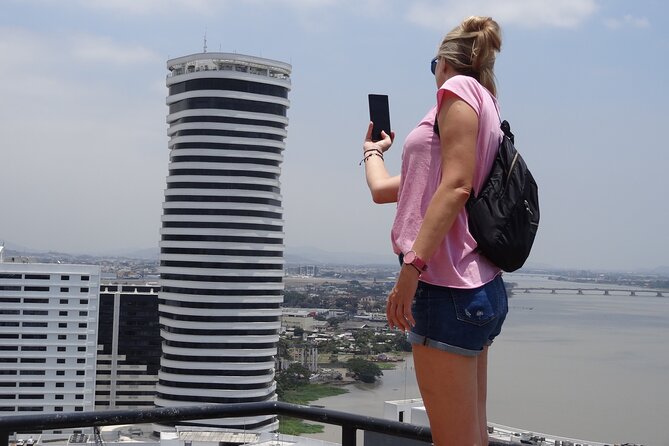
After cocoa, you head toward Puerto Santa Ana and then up to Cerro Santa Ana for a climb and panoramic views. This segment is about 30 minutes, with admission included.
This is one of the smartest blocks in the itinerary because Cerro Santa Ana is basically view-time. You get skyline panoramas without committing most of your day to viewpoint hopping.
The only real consideration is movement. The tour includes a climb, and the time is short, so pace yourself and bring water comfort. If you’re sensitive to stairs or steep sections, this is the stop you’ll want to think about most.
Villa 97 Ecuadorian cooking class: cocoa desserts and chicken with cocoa
The finale happens at Villa 97 Guayaquil – Suites y Habitaciones Económicas Cerca del Aeropuerto, where you’ll take part in an Ecuadorian cooking class. This lasts about 1 hour, with admission included.
This is where the tour earns its name. You’ll learn to prepare traditional foods, with emphasis on seafood dishes, plus tasting various desserts and homemade artisan chocolate. Then you cook a main dish: chicken with cocoa, described as a homemade recipe that shows how cocoa can be used in savory cooking, not just sweets.
You’ll also have tasting components tied directly to cocoa. Hot chocolate is included in the broader tour inclusions, and in at least one cooking experience described, the hot cocoa wasn’t overly sweet and included notes like vanilla, cinnamon, and turmeric. That kind of flavor approach helps you understand why Ecuador’s cocoa reputation goes beyond a “chocolate bar” mindset.
In another kitchen experience connected to this tour format, you might also see ceviche preparation and dishes that pair fish with plantains plus a peanut and chocolate sauce served with rice. Those specifics aren’t listed as guaranteed for every departure, but they do match the tour’s focus: cocoa used in food that feels deeply local and not just dessert-adjacent.
If you’re hoping for a meal you can talk about later, this section is it. After the history stops, you get to turn the knowledge into something you actually make and taste.
Price and value: what $135 buys you in real terms
At $135 per person, you’re paying for more than “a guide with a car.” Your tour price includes:
- Private transportation with air conditioning
- Tour guide
- Hotel pickup and drop-off
- Bottled water
- Coffee and/or tea
- Lunch
- A map of Guayaquil
- Admission tickets for every listed stop (the park, Las Peñas, cocoa museum/factory, Puerto Santa Ana/Cerro Santa Ana, and the cooking class setting)
What I like about this structure is that it reduces decision fatigue. You’re not calculating separate entry fees and trying to guess transit timing while you’re on the clock. It’s also easier for layover day planning because the day is arranged as a fixed sequence with included access.
Not included: alcoholic drinks are available to purchase. So budget for that only if you want it.
Also, the tour tends to be booked about 10 days in advance on average. If your trip timing is narrow, I’d book sooner rather than later.
How the guides shape the experience (and why that matters)
The tour provider is Yamil Saman Cabrera, and the tone of the experience is guided, not rushed. Multiple written accounts highlight Yamil’s communication ahead of time, including reassurance around safety concerns and clear explanations of where the itinerary would take you.
One thing I found especially helpful in the way this tour is described: you don’t just get dates and facts. The city history is discussed through different lenses, including an indigenous perspective through to modern times, along with how preservation efforts connect to people’s lives. That’s a big difference between “walk-by landmarks” and “understand what you’re seeing.”
Cooking can also involve additional help. In one described experience, Yamil worked with another guide and a chef named Nanfi at the end of the day, leading the cooking portion. Another account describes the culinary experience hosted in a home context by Yamil’s wife Wendy. The takeaway for you: this is a family- and food-centered setup, not a factory-farm tourist script.
Who this tour suits best
This is a good fit if you’re:
- On a layover day or have a tight schedule and want a structured route
- Interested in the connection between cocoa, culture, and cooking
- Looking for a private experience with hotel pickup and drop-off
- Comfortable walking and climbing a bit for Cerro Santa Ana
It’s also flexible enough for “most travelers,” and children must be accompanied by an adult.
If you’re the kind of person who wants hours of museum time or a slow neighborhood stroll, this won’t be that day. This tour is about getting key experiences in a short window—efficient and organized.
Quick planning tips before you go
- Bring comfortable shoes for cobblestones and the Cerro Santa Ana climb.
- Plan your energy: the day has shorter stops later, so pace yourself in the first two hours.
- Come hungry for the cooking class: lunch and tastings are included, but the whole point is to learn by doing and sampling.
- If you’re worried about getting around in an unfamiliar city, you’ll likely appreciate the guide’s communication and clear reassurance about where you’ll be visiting.
Should you book the Half Day Guayaquil History and Cocoa Culinary Tour?
Yes, book it if you want a high-value half day that mixes Guayaquil highlights with a cocoa experience you can actually taste and recreate. The private format, included admissions, and included meal turn it into a “decisions handled for you” kind of day—ideal for layover planning or first-time visitors.
Skip it only if you know you want long free time in neighborhoods or you dislike climbing. Also, keep one eye on conditions: this experience requires good weather, so you may need to be flexible.
If your goal is a day that feels local—history you can place, cocoa you can understand, and a cooking class that doesn’t feel like a show—this one checks the boxes.