REVIEW · UDAIPUR
Heritage Walk, Local Markets & Food Tasting – Non Touristy
Book on GetYourGuide →Operated by Harsh Mundra · Bookable on GetYourGuide
Street food and old temples, zero tourist fluff. I love how this walk mixes local tastings with real old-city sights, not a highlight-only loop. You get a guided trail through neighborhoods where the city looks and feels like it lives every day.
My second favorite part is the non-touristy old city approach: Jagdish Chowk, the step well area, haveli architecture, and a historic Jain temple, plus market lanes that most people never bother finding.
One thing to keep in mind is the pace and walking: plan for about a 3 km walk over uneven lanes, and wear comfortable shoes because you’ll move for hours in old-town foot traffic.
In This Review
- Key Things I’d Put on Your Must-Do List
- Street Food and Old Temples, Without the Tourist Script
- Finding the Walk Start at Ganesh Art Emporium and Jagdish Chowk
- Rao Ji ka Hata Road: Tea, Breakfast Bites, and Market-Watching
- Ghanta Ghar and the Clock Tower Area: Short Stop, Strong Signal
- Step Well, Haveli Architecture, and a Jain Temple Moment
- Glass Inlay Work and Craft Lanes: Where Culture Becomes Hands-On
- The Vegetarian Food Lineup: What You’ll Actually Taste
- Cows, Festivals, and the Q&A Side of Udaipur
- Price and Value: Why $24 Makes Sense Here
- Who This Heritage Walk Is Best For
- Should You Book This Non-Touristy Udaipur Heritage Walk?
- FAQ
- How long is the Heritage Walk, Local Markets & Food Tasting experience?
- Where does the tour start?
- Is the food vegetarian?
- What food and drinks are included?
- Is transportation to the meeting point included?
- Are alcoholic beverages included?
- What languages is the guide available in?
- Can I cancel for a full refund?
Key Things I’d Put on Your Must-Do List
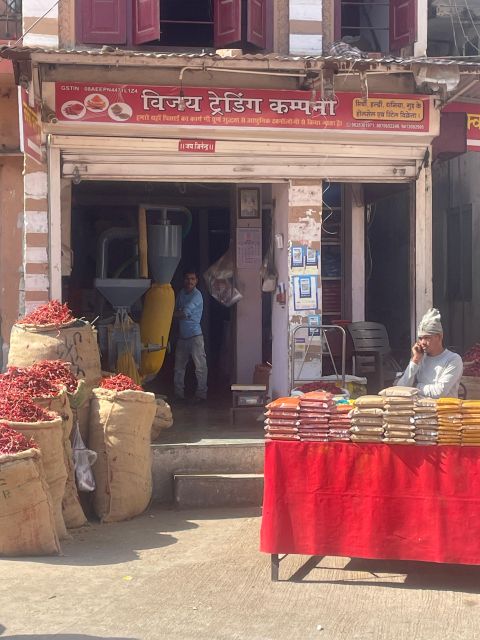
- 7+ food shops spread across Udaipur’s older lanes and markets
- Masala chai and sweet tastings like gulab jamun, plus savory bites with chutneys
- Old-city checkpoints around Jagdish Chowk, Ghanta Ghar, the clock tower area, and more
- Architecture and craft stops that connect glass inlay work, haveli details, and artisan communities
- Q&A about everyday life in Rajasthan including cows, festivals, and cultural questions
- A finish at Jagdish Temple area so you end where it’s easy to keep exploring
Street Food and Old Temples, Without the Tourist Script
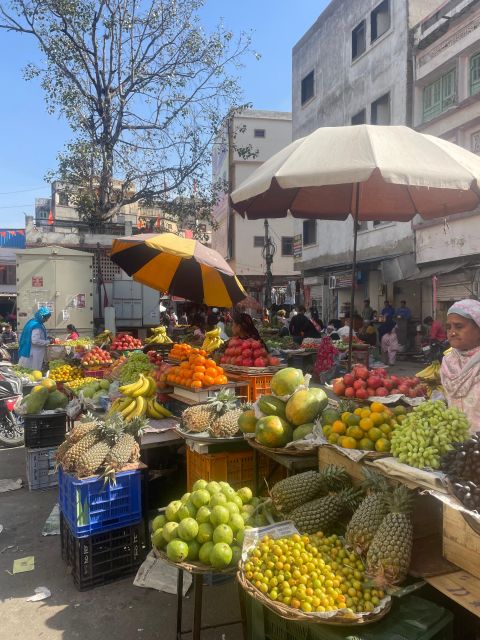
This is the kind of Udaipur experience that helps you stop watching the city and start reading it. You walk through familiar landmarks like Jagdish Chowk, but the main point is the smaller, more local routes between them.
The food side is the engine. It’s a vegetarian tasting route built around tried-and-tested street options, with plenty of chat about ingredients and basic prep so you understand what you’re eating, not just what it tastes like. And yes, you’ll also get classic stops like sweets and masala chai, not just one random snack and a photo.
If you like your travel to feel human—like you’re asking questions and being shown things—this works. The guide steers you through markets and old neighborhoods, and the conversation can turn into real cultural context, from why cows are treated like holy animals to how Ganesha is viewed as a symbol of good luck.
You can also read our reviews of more walking tours in Udaipur



Finding the Walk Start at Ganesh Art Emporium and Jagdish Chowk
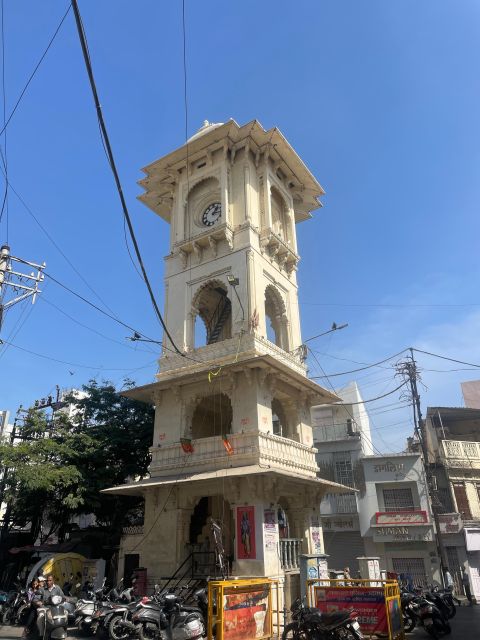
You’ll meet at Ganesh Art Emporium, diagonally opposite Jagdish Temple, in the Jagdish Chowk area toward the clock tower. That’s a smart starting point because it puts you in the old core right away, and you don’t spend your first hour figuring out where you are.
The walk is about 2.5 to 3 hours, covering roughly 3 km on foot. It’s not a long trek, but it’s enough walking that your shoes matter, especially since you’re moving through lanes rather than wide, smooth streets.
This start location also helps the flow. You begin near a major temple complex and finish at the same general area near Jagdish Temple, so you can roll into more sightseeing after the last tasting.
Rao Ji ka Hata Road: Tea, Breakfast Bites, and Market-Watching
After you start, the early part of the walk leans into local street life: the Rao Ji ka Hata Road area. This is where you get the first round of tea and snack tastings, along with a look at how local vendors work and what people actually buy during the day.
One of the most practical parts here is that the guide doesn’t treat food like a museum piece. You learn what ingredients show up repeatedly—things like the flavor logic behind chutneys, spices, and the way street snacks are assembled. For first-time visitors, this is a big deal because it reduces the guesswork later when you’re eating on your own.
You’ll also spend time around arts and crafts market stalls, which is a good pairing with food. You’re not just tasting; you’re moving through a working neighborhood where people shop for spices, produce, and everyday tools.
Ghanta Ghar and the Clock Tower Area: Short Stop, Strong Signal
Next comes Ghanta Ghar, the clock tower area, with a focused tasting window. The stop is around 15 minutes, which sounds quick until you realize the goal is to keep momentum and cover more local variety.
Here’s what I like: the pace fits the city. Old Udaipur lanes can get crowded, and trying to stretch every stop into a long sit-down moment usually kills the flow. This route keeps you moving while still giving you time to try something from the street and talk through it with your guide.
If you’re the type who loves lingering, you may feel the time limit. A few people noted missing a couple stops due to how curious their group was—so if you want every single craft lane and tasting, keep your schedule flexible and don’t book something right after.
Step Well, Haveli Architecture, and a Jain Temple Moment
This isn’t just a food run. As you work your way through the older parts of the city, you’ll hit several sight stops that make Udaipur feel specific instead of generic.
You’ll pass by:
- Jagdish Chowk (a key old-city node)
- Tinker Street (time spent on local craft and street activity)
- A step well stop
- Haveli architecture details you can actually point to and talk about
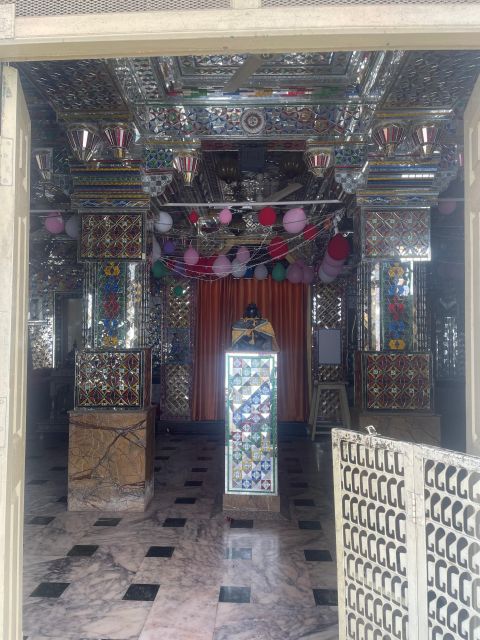
- A historic Jain temple
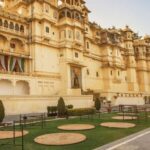
The step well and haveli bits matter because they change how you see the city. They’re physical proof that Udaipur’s architecture isn’t only about big monuments. It’s also about the smaller structures that shaped daily life—water access, neighbors building next to neighbors, and ornate design used in everyday spaces.
The Jain temple stop adds another layer. Even if you’re not into religious sites, it helps you understand how different communities shaped Udaipur’s older neighborhoods. Expect your guide to explain what you’re looking at and why the temple matters in the context of the city.

Glass Inlay Work and Craft Lanes: Where Culture Becomes Hands-On
One of the highlights is the craft angle. The experience includes stops connected to glass inlay work and other cultural art forms, so you get architecture plus the materials and skills behind it.
You’ll also spend time around:
- A bamboo art community
- Potters community areas
- Biodegradable bowl and plate makers
This mix is useful because it shows that local culture isn’t only paintings in a museum. It’s also daily production—things people use every day, made by local artisans with skills passed down over time.
A couple of the strongest practical moments from guide-led experiences include the fact that you may be invited into more personal local spaces. One set of experiences mentions local people helping with a restroom break, and another mentions the chance to try traditional pottery on a potter’s wheel. You should not expect this every time, but it’s a sign of the guide’s local connections.
The Vegetarian Food Lineup: What You’ll Actually Taste
This is a street-food tasting route built around safety and hygiene standards, with a clear vegetarian focus. You’ll get all-inclusive tastings—including sweets and tea—so your meal planning doesn’t collapse into math.
Here are the items listed for the tasting experience:
- Samosa with mint and coriander chutney
- Kachori with mango and tamarind chutney
- Poha
- Masala tea tasting and making
- Gulab jamun
- Lassi / chai / juices
You’ll also learn about the traditional snack making process, not just sample it. That matters for two reasons. First, it helps you understand what makes a particular snack taste the way it does. Second, it makes it easier to order confidently later without guessing.
And yes, expect photos. Between street scenes and craft details, your camera has plenty to work with. The guide’s route is designed to help you see angles you won’t automatically find by wandering alone.
Cows, Festivals, and the Q&A Side of Udaipur
Food covers one kind of travel curiosity. The conversation covers another.
The guide’s discussion topics can include:
- Why cows are holy and why you see them on the streets
- Cow-related interactions, including cow cuddling
- Why Ganesha is linked with good luck
- Cultural questions tied to marriage traditions and caste systems
- Topics like sati, child marriages, and education system themes
- Indian politics themes and general modern Udaipur context
- Questions on karma
This is not a lecture format. It’s more like you walk and ask, and your guide answers in a way that helps you connect the city’s traditions to what you see around you. If you enjoy real conversation with locals, this part can be as memorable as the food stops.
One note: you should still keep your comfort level in mind with any interaction involving animals or tight spaces. The experience is set up to be safe and hassle-free, but you’re still walking through real neighborhoods, not a staged set.
Price and Value: Why $24 Makes Sense Here
At about $24 per person for a roughly 2.5-hour walk, the value comes from what’s included, not just the headline cost.
You get:
- Mineral bottled water
- 5+ dishes, including sweets
- Tea tastings (including masala chai)
- A live guide in English and Hindi
When you compare that to buying street food one-stop-at-a-time, the numbers add up fast. What you’re really paying for is the route and the guidance: someone handling the order of stops, translating the what-and-why, and steering you to places you might miss if you’re trying to navigate alone.
It’s also a small-group or private option, depending on what you choose. That tends to make a tasting walk feel less like a cattle line and more like a guided tour where you can ask questions and keep moving.
Who This Heritage Walk Is Best For
This works best if you want Udaipur beyond the postcard circuit.
You’ll like it if:
- You enjoy street food tasting but want someone to guide you
- You want old-city structure: Chowks, step wells, havelis, and a Jain temple
- You like craft details like glass inlay work and bamboo arts
- You want Q&A about daily life and cultural context, not only facts
You might want to skip or adjust your expectations if:
- You can’t handle walking around 3 km on uneven, crowded lanes
- You’re looking for only major monument-style stops (this route leans local)
If your schedule is tight, the 2.5 to 3 hour window makes planning easier. If you can give it extra breathing room, you’re more likely to hit every stop without rushing your guide or yourself.
Should You Book This Non-Touristy Udaipur Heritage Walk?
My take: book it if your idea of a great day is mixing local food with the kind of old-city details you’d never find alone. The route is built around practical value—tastings, tea, sweets, and craft stops—while the guide’s storytelling turns those stops into context.
If you’re nervous about street food, this route is designed to be the calm version: vegetarian, with tastings arranged by a guide and supported by discussion about ingredients. If you’re very sensitive to crowds or you hate walking, you’ll likely feel the old city constraints.
For most people, $24 is a fair price for a guided, all-inclusive tasting walk in central Udaipur. If you want the lived-in feel of the city, this is one of the more direct ways to get it.
FAQ
How long is the Heritage Walk, Local Markets & Food Tasting experience?
It lasts about 2.5 to 3 hours, depending on how curious the group is.
Where does the tour start?
The meeting point is Ganesh Art Emporium, diagonally opposite Jagdish Temple, near Jagdish Chowk toward the clock tower.
Is the food vegetarian?
Yes. The tastings are vegetarian.
What food and drinks are included?
Mineral bottled water is included, along with all food tastings (5+ dishes), sweets, and tea (including masala chai). Lassi and juices are also part of the tasting list.
Is transportation to the meeting point included?
No. Transportation to the start point is not included.
Are alcoholic beverages included?
No. Alcoholic beverages are not included.
What languages is the guide available in?
The tour guide is available in English and Hindi.
Can I cancel for a full refund?
Yes. You can cancel up to 24 hours in advance for a full refund.