REVIEW · UDAIPUR
Old city heritage walk and local life experience
Book on GetYourGuide →Operated by Tour Guide Manish · Bookable on GetYourGuide
This city has a second face. Step off the main roads and you’ll get Udaipur’s old streets with market life and crafts that feel far more human than a museum visit. You’ll see how everyday needs get made and sold, plus you’ll learn why old homes, lanes, and traditions mattered.
Two things I like a lot: the route focuses on neighborhoods, not just sights, and the guide story-links what you’re looking at to how people lived. One drawback to note: this is a walking experience, so you’ll want comfy shoes and clothing that can handle uneven old-city lanes.
You meet at the Jagdish Temple stairs and end back there, which keeps things simple. At a low price point, the walk also includes tea, local snacks, and drinking water, so you’re not hunting for refreshments mid-route.
In This Review
- Key Things You’ll Want to Know First
- Why This Walk Makes Udaipur Feel Real
- Jagdish Temple Stairs to Lake Views and Old Lanes
- Havelis Outside, Wall Paintings Inside the Story
- Markets for Vegetables, Grocery, and Spices
- Craft Stops: Clay, Tree-Leaf Bowls, Metal Utensils, Bamboo Baskets
- Tea, Local Snacks, and Famous Sweets Along the Route
- Wedding Market Walk: How Traditions Show Up in Streets
- Price and What $9 Buys You in Real Terms
- Who This Walk Is Best For (and When to Rethink It)
- Should You Book This Old City Heritage Walk?
- FAQ
- Where does the walk start and end?
- What is included in the price?
- What will I see during the walk?
- What craft activities are part of the experience?
- What should I bring for comfortable walking?
- What languages is the guide available in?
- Is tea included, and is chai part of the experience?
- What food tastings are included?
- Can I reserve and pay later?
- FAQ
- Is there a reason to do this tour at the start of your stay?
- Is this walk focused on local culture rather than monuments?
Key Things You’ll Want to Know First
- Start at Jagdish Temple stairs for an easy, central meeting point and a clean loop back.
- Old lanes plus lake views: you’ll walk from temple areas toward ghats and lake sightlines.
- Havelis and wall paintings: you’ll look at exterior design and learn what it was for.
- Market stops made for daily life: vegetable, grocery, and spice bazaars are part of the core route.
- Craft-making communities: you’ll see clay products, tree-leaf plates/bowls, hand-made metal utensils, and bamboo baskets.
- Food moments are built in: chai making and tasting, plus local snacks and sweets.
Why This Walk Makes Udaipur Feel Real
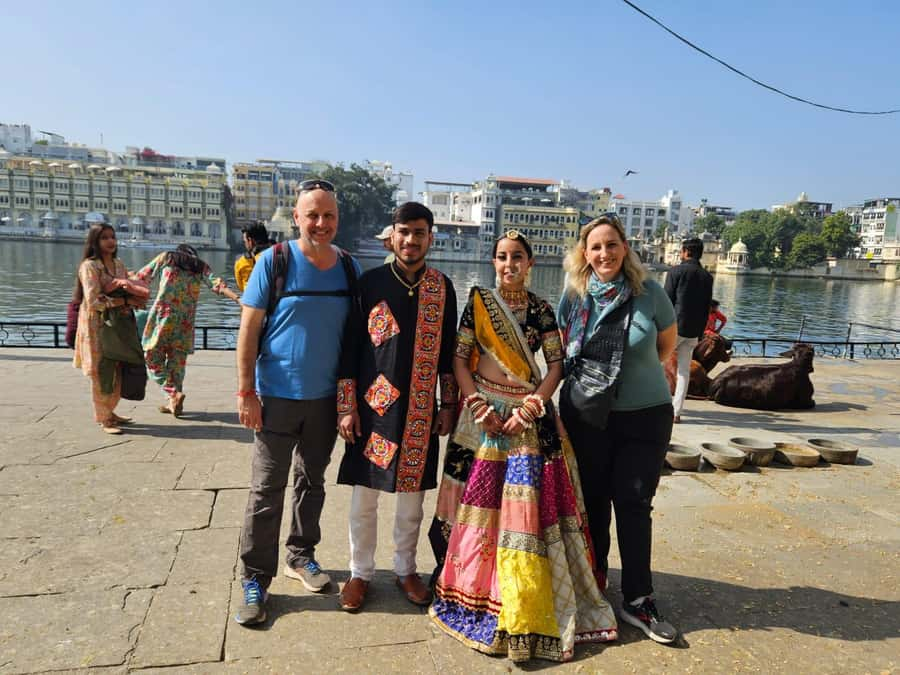
Udaipur’s famous for its lakes and palaces, but the best version of the city is the one between those landmarks. This heritage walk is designed to help you understand the city as people actually experience it: through lanes, home fronts, markets, and small workshops.
The value is in the connections. You’re not just looking at buildings; you’re learning how architecture served daily life, how crafts supported households, and how traditions show up in street-level commerce. And because the route is built around old-city areas, you’re more likely to see how the city functions now, not just how it looked in a postcard.
You can also read our reviews of more walking tours in Udaipur



Jagdish Temple Stairs to Lake Views and Old Lanes
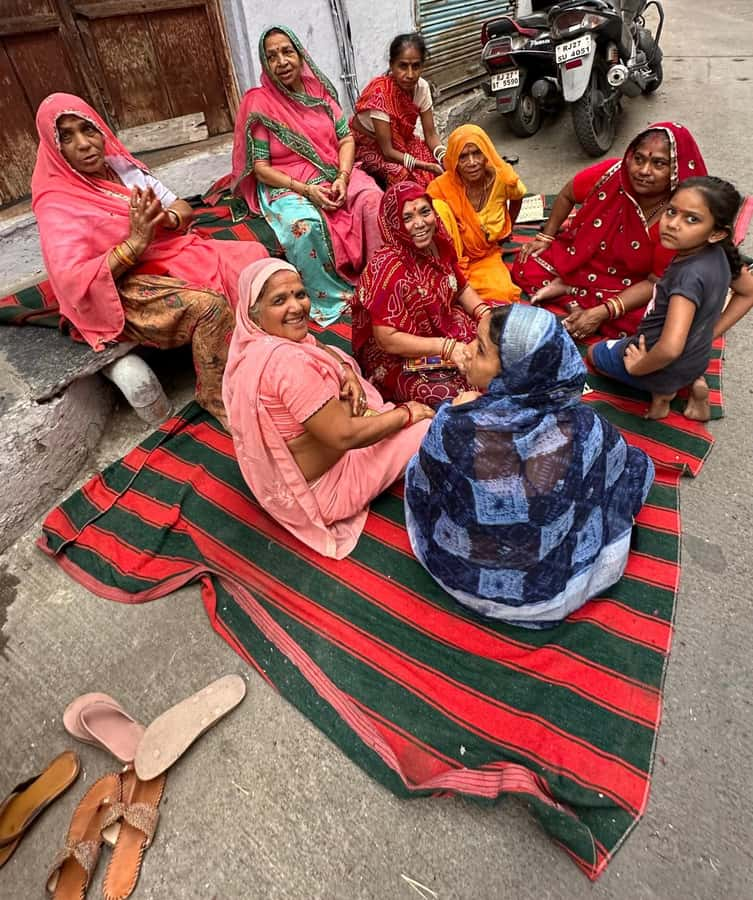
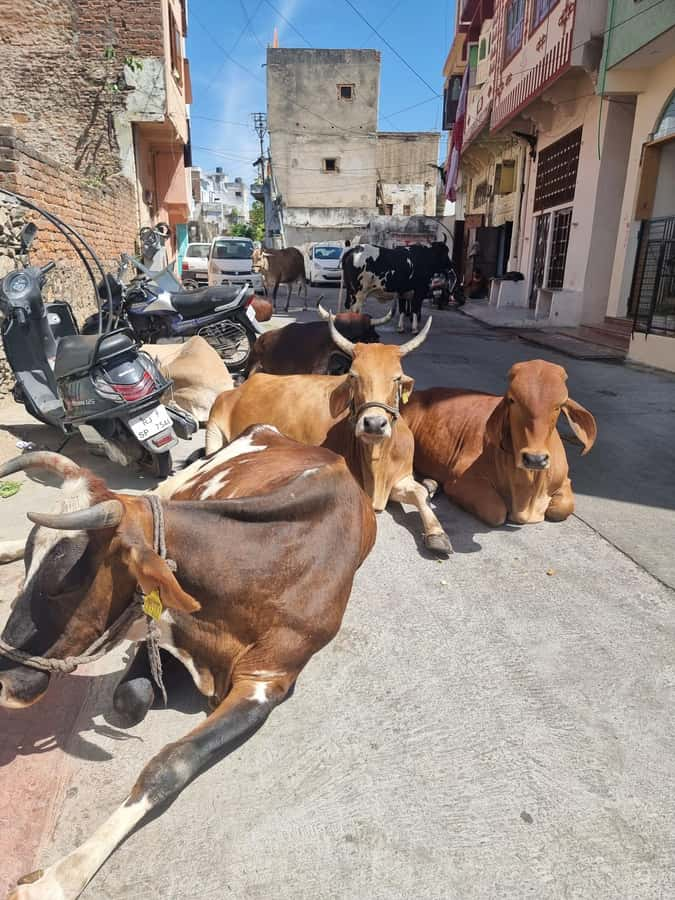
You’ll begin right at the stairs of Jagdish Temple. That matters because it puts you in the city’s rhythm fast, before you get distracted by bigger monuments. From there, the walk moves through old temple lanes, where the scale feels tighter and the street details stand closer.
One of the first pleasant surprises is the way the route links the city to water. You’ll enjoy lake sights and ghats as you go. Even if you already plan to see the lake later, this timing helps your brain understand the layout: where daily streets sit in relation to the water, and why people historically organized life around it.
Then you shift from the temple-side atmosphere into the old residential areas, where the walking gets more about everyday texture than big-ticket views. This is where the stories start to make sense, since you’re looking at homes and community spaces, not just temples.
Havelis Outside, Wall Paintings Inside the Story
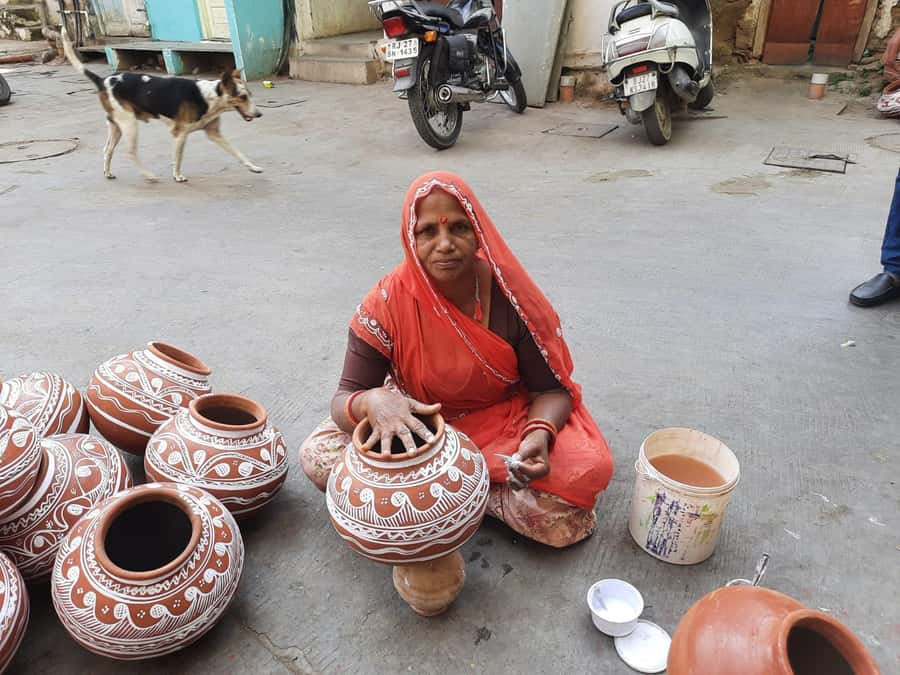
A major highlight is how you’ll study old homes without needing to enter them. Along the route you’ll see havelis from outside, and your guide explains how these homes were used and why they mattered in earlier times.
Pay attention to frontage details: design isn’t only decoration here. The guide’s explanations turn what could be a quick glance into something you can actually read. You’ll also notice wall paintings on homes. Instead of treating them like random artwork, you’ll learn what they communicate and why they appear in the places locals see every day.
If you like architecture, this part is your money’s worth. If you don’t usually care about facades, it still works because it ties to life—who lived there, what spaces did, and how a city shaped itself over time.
Markets for Vegetables, Grocery, and Spices
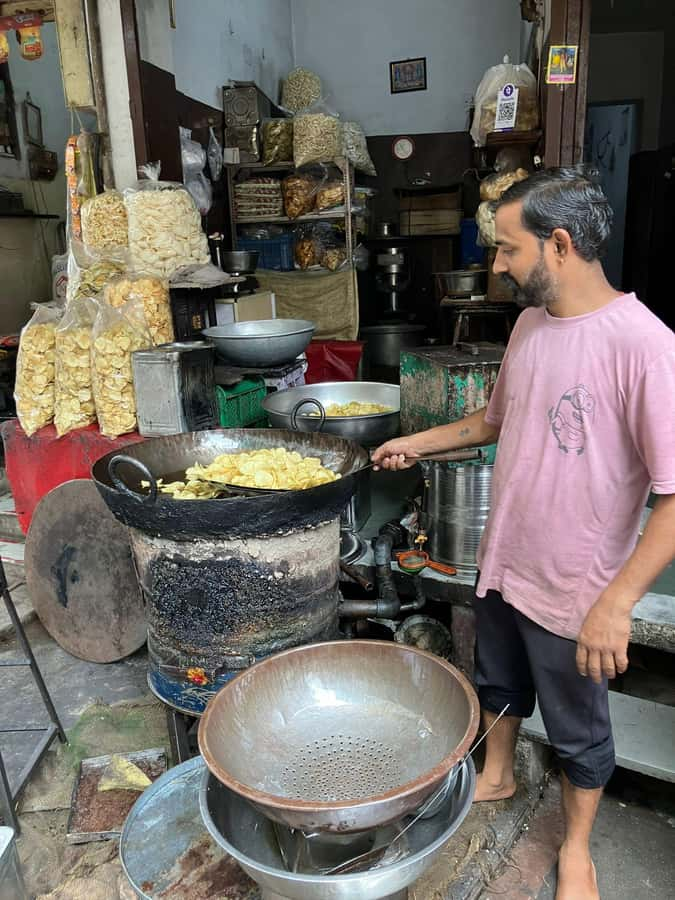
This walk doesn’t treat shopping as a stop you rush through. It treats markets as a window into the city’s habits.
You’ll visit:
- a vegetable market
- a grocery and spice market
This is where you understand daily supply chains in a way that’s hard to get from viewpoints. You see what people buy, how foods and spices move through the neighborhood, and how the city’s flavor culture connects to more than just restaurant meals.
A practical tip: keep your pace steady. Market lanes can be tight and busy, and you’ll get more out of the walk if you don’t stop every ten seconds to take photos. Let the guide point things out first, then go back for pictures once you know what you’re looking at.
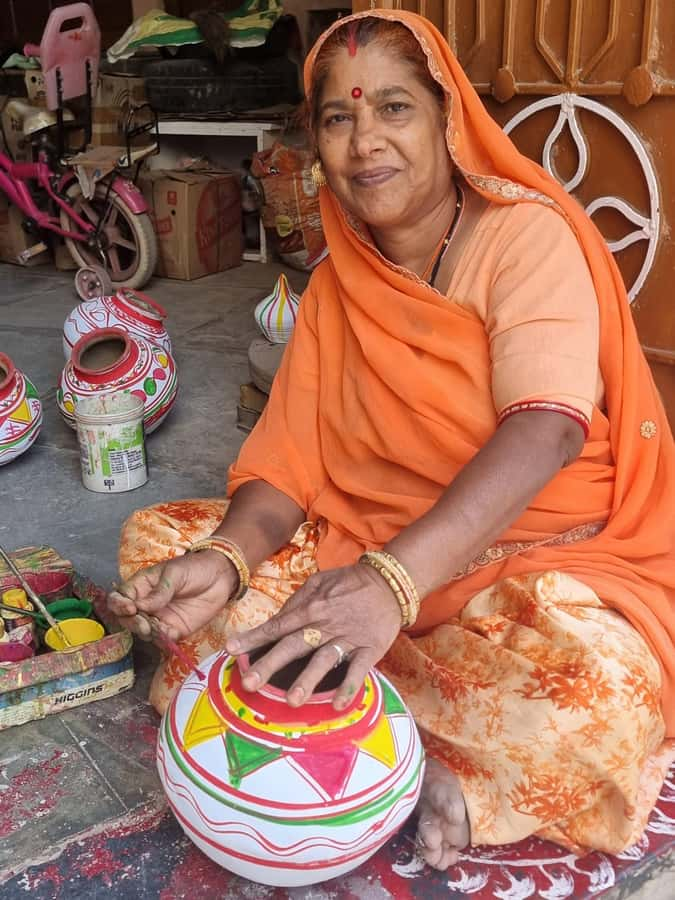
Craft Stops: Clay, Tree-Leaf Bowls, Metal Utensils, Bamboo Baskets
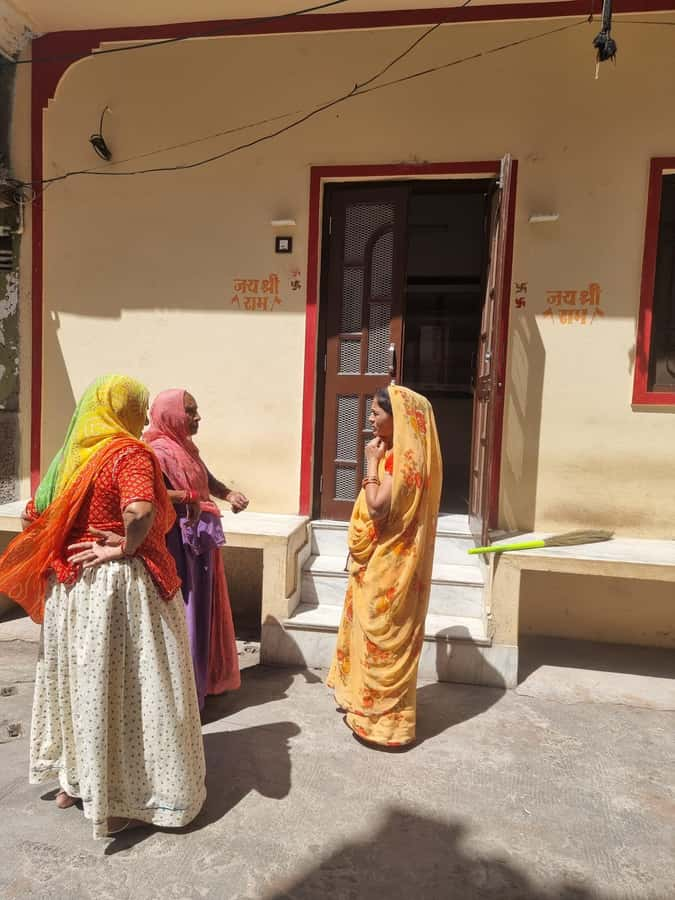
One of the strongest reasons to book this walk is the craft sequence. It doesn’t just say products exist. You’ll get a sense of how making happens and why different materials matter in everyday life.
Here are the craft experiences included:
- a clay product makers community
- traditional plates and bowl making using tree leaves
- metal pot and utensil making by hand
- bamboo baskets making process
Each one teaches a slightly different lesson. Clay connects to durability and storage. Tree-leaf plates and bowls bring a practical, material-based approach to food serving. Metal utensils show how tools get shaped through hand work rather than mass production. Bamboo baskets highlight flexible, lightweight utility.
You don’t need technical knowledge to enjoy this. What you’ll take away is respect—how much everyday objects rely on skilled labor, not magic. And it’s also a break from pure walking-sightseeing. Craft stops give you short “watch and learn” moments that keep the energy up.


Tea, Local Snacks, and Famous Sweets Along the Route
Food is not an afterthought here. It’s built into the pacing so you don’t feel like you’re spending the whole day walking and waiting.
Included refreshments:
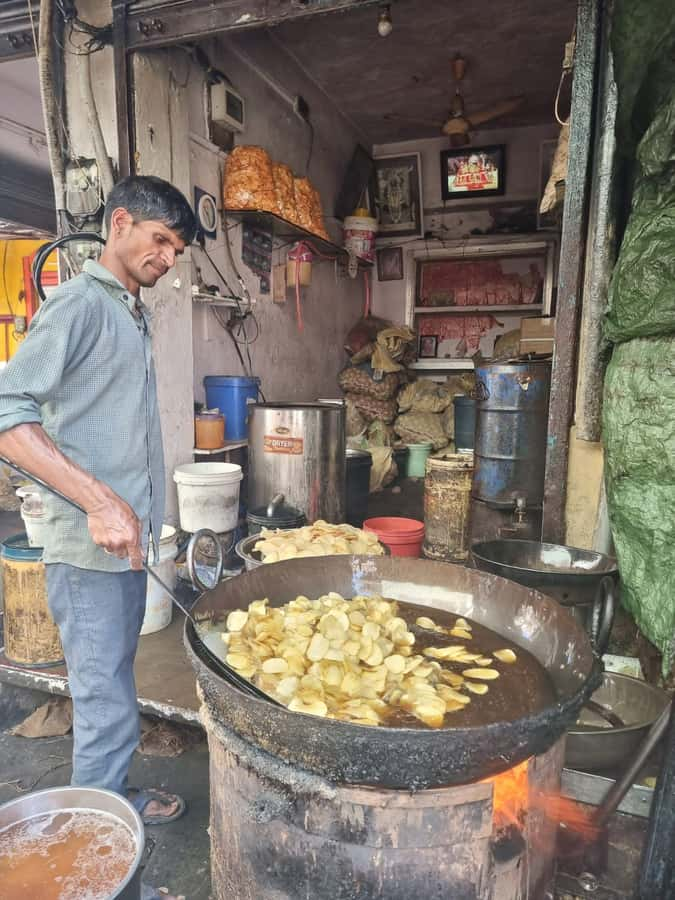
- tea
- local snacks
- drinking water
You’ll also get a specific food moment: masala chai making and tasting. That’s a fun reality check, because it turns tea into a small cultural lesson instead of just a hot drink. You’ll see the process and taste it as part of the walk, which makes it feel connected to the markets and daily life you’ve just walked through.
After that, the route includes famous sweets tasting and more local snack experiences. This is a good way to sample flavors without turning your trip into a food chase. You’ll get enough taste to remember, and you’ll still have time to explore the rest of Udaipur on your own.
Wedding Market Walk: How Traditions Show Up in Streets

If you want cultural context that’s not just talk, the wedding market segment helps. You’ll do a traditional wedding market walk, and it’s specifically framed around learning how arranged marriages are done.
This part is valuable because it’s grounded in real settings—shops, signage, product categories, and the commercial side of tradition. Even if you already know something about Indian weddings, you’ll likely pick up new perspective on how families plan and what kinds of items matter in that process.
A small consideration: this is still a walk through a marketplace. If you’re sensitive to crowds or busy stalls, keep your pace calm and follow your guide’s guidance on where to stand and when to move.
Price and What $9 Buys You in Real Terms
At about $9 per person, this is the kind of tour that makes sense for budget travel. What you’re really paying for is not a fancy vehicle or a long bus ride. You’re paying for local context, a guided route through old-city areas, and multiple built-in stops that would cost time (and likely more money) if you tried to DIY.
Your included extras are part of the value:
- in-person guide
- drinking water
- tea
- local snacks
On top of that, the craft and market visits are the main “content.” If you love markets, crafts, and everyday culture, this price is a steal. If you only want big monuments and photos from a viewpoint, you might find the pace less satisfying than a classic sightseeing route.
Who This Walk Is Best For (and When to Rethink It)
This experience suits you if you:
- enjoy walking and don’t mind narrow lanes
- like learning how everyday life works in another place
- want markets, crafts, and traditions over only sightseeing
- are traveling on a sensible budget and want food included
It’s also a smart choice if you’re early in your Udaipur stay. Getting street-level orientation in the old city helps you navigate later and spot details on your own.
You might rethink it if:
- you have limited ability for extended walking
- you prefer to stay mostly in open, quieter areas
- you want a heavily scripted, timed “checklist” of major monuments
Should You Book This Old City Heritage Walk?
I’d book it if you want Udaipur to feel lived-in. The mix of old residential streets, crafts you can see being made, chai and snack tasting, and a look at wedding-market culture gives you variety without losing focus.
Do it early if you can, so you learn the city’s logic before you start wandering independently. Wear comfortable clothes and proper walking footwear—your feet will thank you before your brain gets excited.
If you’re on the fence, this is the easiest decision rule: if markets and hands-on craft watching sound like fun, this is a yes.
FAQ
Where does the walk start and end?
The walk starts at the stairs of the Jagdish Temple and ends back at the same meeting point.
What is included in the price?
The experience includes drinking water, tea, an in-person guide, and local snacks.
What will I see during the walk?
You’ll explore old city streets, temple lanes, lake sights and ghats, old residential areas with havelis and wall paintings, vegetable and spice markets, craft-making communities, chai making and tasting, local snacks, sweets tasting, and a traditional wedding market walk.
What craft activities are part of the experience?
You’ll see clay product making, traditional plates and bowl making using tree leaves, metal pot and utensil making by hand, and bamboo baskets making processes.
What should I bring for comfortable walking?
Wear comfortable clothes and comfortable shoes suitable for walking.
What languages is the guide available in?
The guide offers English and Hindi.
Is tea included, and is chai part of the experience?
Yes. Tea is included, and the walk includes masala chai making and tasting.
What food tastings are included?
You’ll have local snacks and you’ll also do sweets tasting as part of the walk.
Can I reserve and pay later?
Yes, it offers reserve & pay later, meaning you can book your spot and pay nothing today.
FAQ
Is there a reason to do this tour at the start of your stay?
Getting an old-city overview early helps you understand neighborhoods, markets, and key sights before you branch out on your own.
Is this walk focused on local culture rather than monuments?
Yes. The emphasis is on local life—old streets, bazaars, crafts, food, and cultural traditions like arranged marriage practices shown through the wedding market area.