REVIEW · HAKONE
Hike Hakone Hachiri Japan Heritage Area
Book on GetYourGuide →Operated by Hike Hakone Hachiri 合同会社 · Bookable on GetYourGuide
A day on the Old Tokaido feels like time travel. You get a rare Hakone Hachiri section of the historic road with forest walks, plus a tea-house start with warm amazake before you hit the trail. The trade-off is simple: it is an active 8-hour hike day with about 8 miles on foot, and it is not ideal if mobility is limited.
What I like most is how the day is built to make you understand Japan’s travel story, not just check boxes. You follow stone-paved stretches from the era when the route linked Tokyo with Kyoto and Osaka, then you move through landmarks like Hakone Checkpoint and end with a calmer river walk in Mishima. A guide like Tony (fluent in English and Japanese) makes the history feel personal, especially during the tea-house chat.
In This Review
- Key points before you lace up
- How the Hakone Hachiri Old Tokaido section tells Japan’s long-distance story
- Meeting point and the real logistics of a smooth 8-hour day
- Amazake at the teahouse: where the Old Tokaido vibe becomes concrete
- Lake Ashi and the one-mile Cedar Avenue to Hakone Checkpoint
- Forest hiking to Yamanaka Castle Ruins (plus Mount Fuji photo odds)
- Mishima and the Genbe River World Heritage Water Area walk
- Price and value: $451 per group up to 6 (and what you’re really paying for)
- Who should book, and who should skip this hike
- A note on weather, clothing, and comfort (small choices that matter)
- Should you book the Hakone Hachiri Old Tokaido hike?
- FAQ
- Where does the hike start and end?
- How long is the experience?
- How much walking is included?
- What transportation is included vs. not included?
- Which trains do I need to take on my own?
- Is lunch included?
- What is included in the price?
- Is this tour private?
- What language is the guide?
- What should I bring?
- Is this suitable for people with mobility impairments?
Key points before you lace up
- Old Tokaido routing: You hike an 8-mile slice of the former foot highway between Tokyo and the Kansai capitals
- Amazake tea-house beginning: Start with a warm, non-alcoholic amazake moment before the real walking
- Cedar Avenue and Hakone Checkpoint: A one-mile stretch of towering cedars leads you into the area’s checkpoint story
- Yamanaka Castle Ruins walk: A largely forested hike with photo chances for Mount Fuji when weather cooperates
- Finish in Mishima: A stroll at the Genbe River World Heritage Water Area ties the day to water and daily life
How the Hakone Hachiri Old Tokaido section tells Japan’s long-distance story
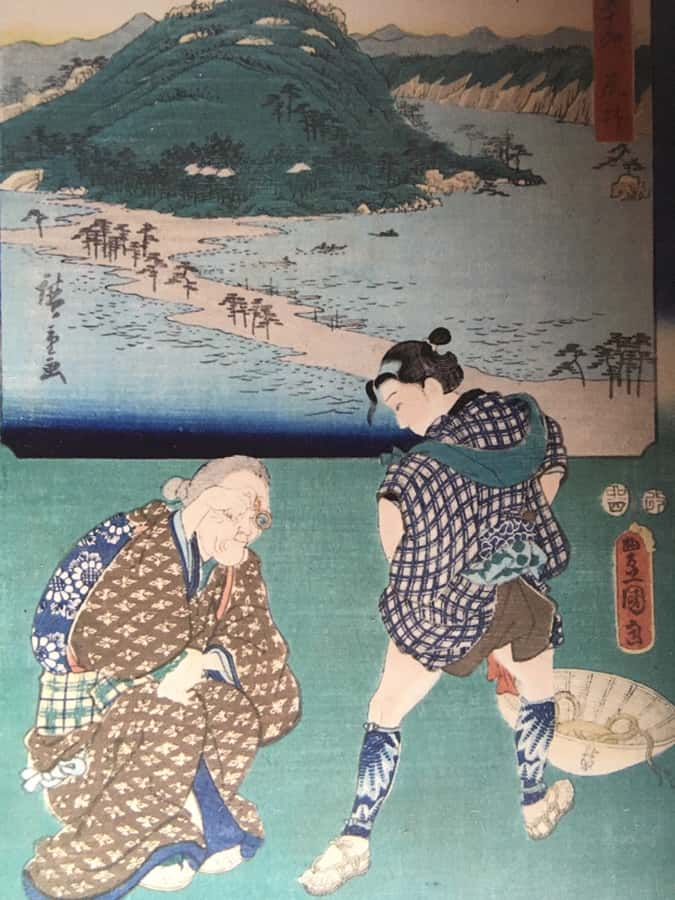
This hike focuses on a part of Japan you often only see from train windows. The Old Tokaido (the historic road) was the main travel artery linking the shogunate-era capital in the east—today’s Tokyo area—with the older cultural centers of Kyoto and Osaka. In other words, people didn’t just travel for pleasure. They traveled because this was the job of the country.
In Hakone Hachiri Japan Heritage Area, that story becomes visible in small, practical ways. You’ll walk stone-paved sections, step along preserved road rhythms, and pass through places tied to control and checkpoint culture. Even if you’re not a “history museum” person, you’ll feel the logic of the route: mountain shade, downhill stretches, lake proximity, and the slow shift from road life into sanctuary-like forest walking.
You can also read our reviews of more historical tours in Hakone
Meeting point and the real logistics of a smooth 8-hour day
The day starts at Hakone-Yumoto Station. Your plan begins earlier with train travel on your own arrangement, then the guide meets you once you’re in the Hakone area.
Here’s the flow you should expect:
- Take the Tokaido Shinkansen Kodama #707 from Tokyo (early morning), then get off at Odawara Station
- Continue by local train to Hakone Yumoto Station
- From there, the guide meets you and you travel by bus/taxi up near the historic teahouse area
Once you’re on the ground, the pacing is built around three “big mood shifts”:
- Tea-house start (about 40 minutes)
- Lake Ashi + cedar walk + checkpoint (with a lunch break by the lake)
- Forest hike to Yamanaka Castle Ruins, then onward to Mishima
Total walking comes out to about 8 miles. That’s a real number, not a poetic one. You’ll want good shoes and a jacket you can layer.
For your return plan, the day ends at Mishima Station. You catch Tokaido Shinkansen Kodama #734 back toward Tokyo later in the afternoon (with exact timing handled as part of your own arrangements). A big plus: the guide can help you figure out return tickets so you’re not stuck hunting down machines right when you’re tired.
Amazake at the teahouse: where the Old Tokaido vibe becomes concrete
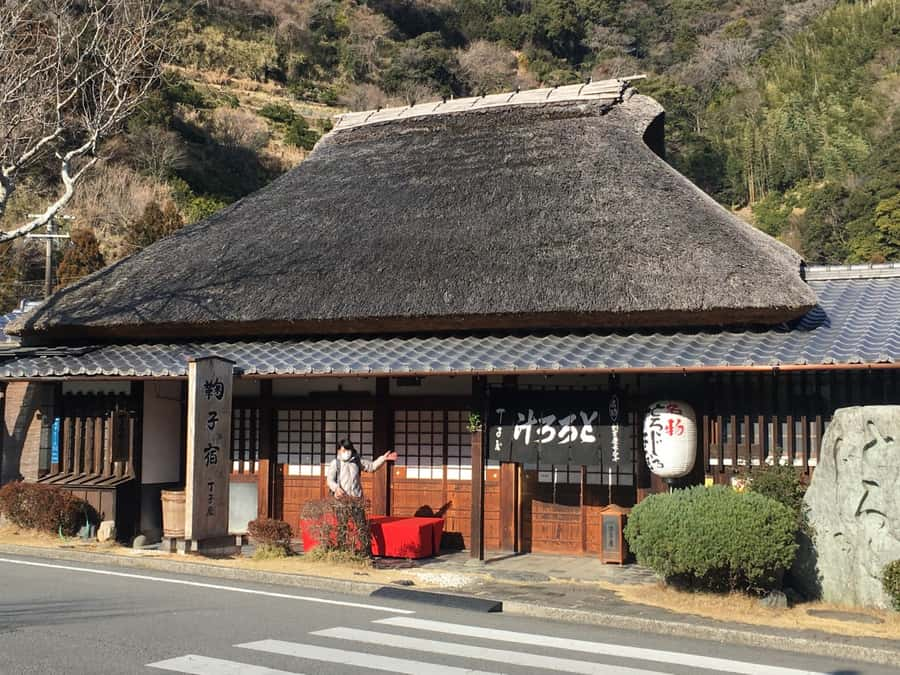
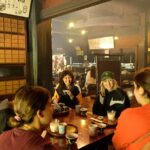
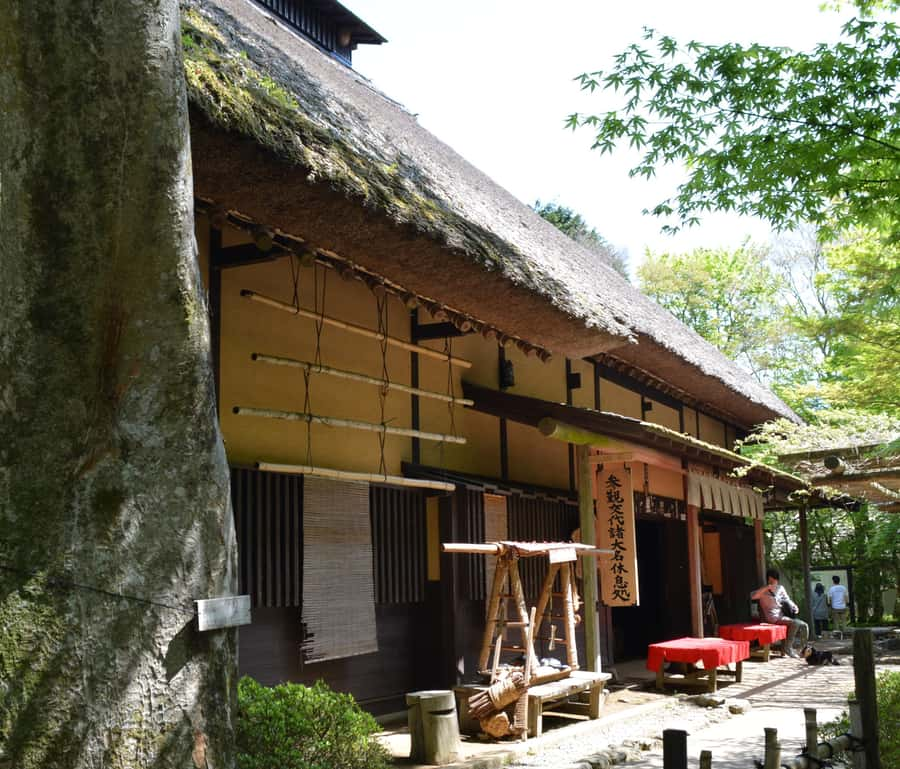
The first stop is near Amazake Chaya, one of the few remaining teahouses from the days when travelers depended on road-side food and drink. Your time here includes a tea ceremony-style moment and, importantly, warm amazake—a non-alcoholic rice drink.
Why this matters: this isn’t just a photo stop. It sets your senses up for the trail. Warm sweetness in your hands makes the forest air feel sharper and cleaner. It also gives you a cultural anchor before you start moving through historically meaningful paths.
At the teahouse, you’ll typically get more than “here’s your drink.” The guide brings the conversation to life—especially the stories you hear from the teahouse owner. That kind of human detail is where the day turns from walking into understanding.
Also, the day is designed to keep you steady outdoors. One review mentioned the guide bringing extra gear to help with footing, which is worth remembering—this road includes climbs and uneven moments, even when you think you’re just strolling.
Lake Ashi and the one-mile Cedar Avenue to Hakone Checkpoint
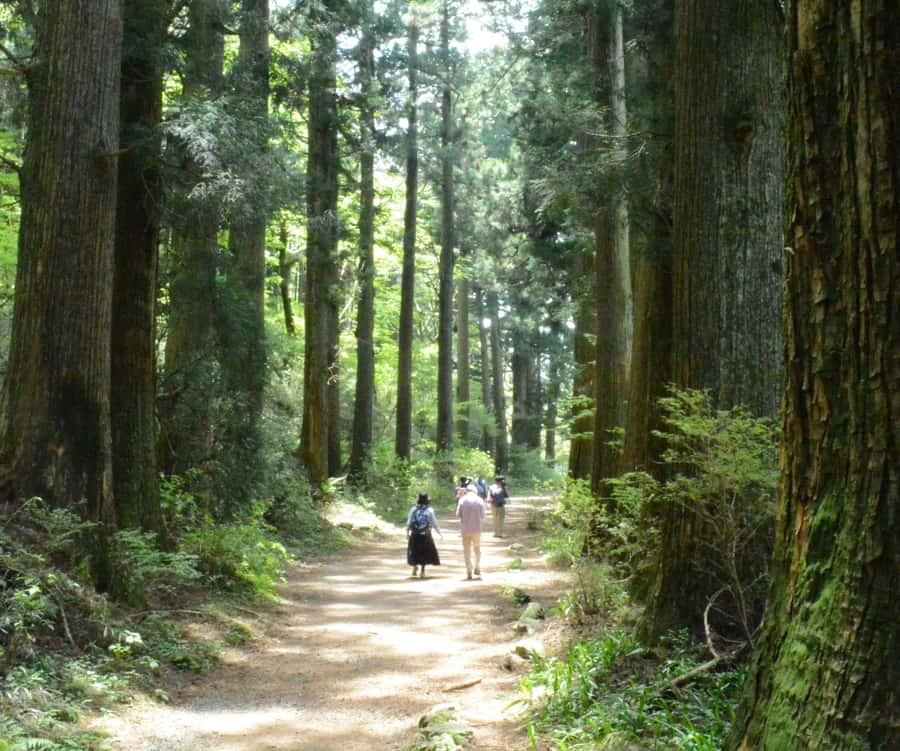
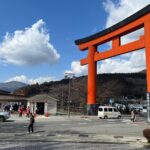
After the teahouse start, you follow the stone-paved Tokaido down through the forest toward the shore of Lake Ashinoko (Moto-Hakone). This section is the kind of “Japan” that doesn’t feel staged: trees, road stones underfoot, and a slow reveal of lake air.
Then comes the Cedar Avenue—about a mile-long path lined on both sides with cedars reported as around 400 years old. Picture long, straight rows, shade overhead, and a tunnel-like walking feel. It’s one of those stretches where you walk slower without meaning to, because it’s hard not to look up.
Next, you pass through Hakone Checkpoint. Checkpoints can sound dry on a brochure, but on foot you understand why they existed. You’re seeing a “decision point” in the route—where travelers were managed, controlled, or rerouted. It’s a practical reminder that Japan’s long-distance travel history was built on systems, not romance.
Lunch happens by the lake. You’ll get a break that feels earned. Just remember: lunch itself is not included, even though you’ll be on a schedule that gives you time to eat.
Forest hiking to Yamanaka Castle Ruins (plus Mount Fuji photo odds)
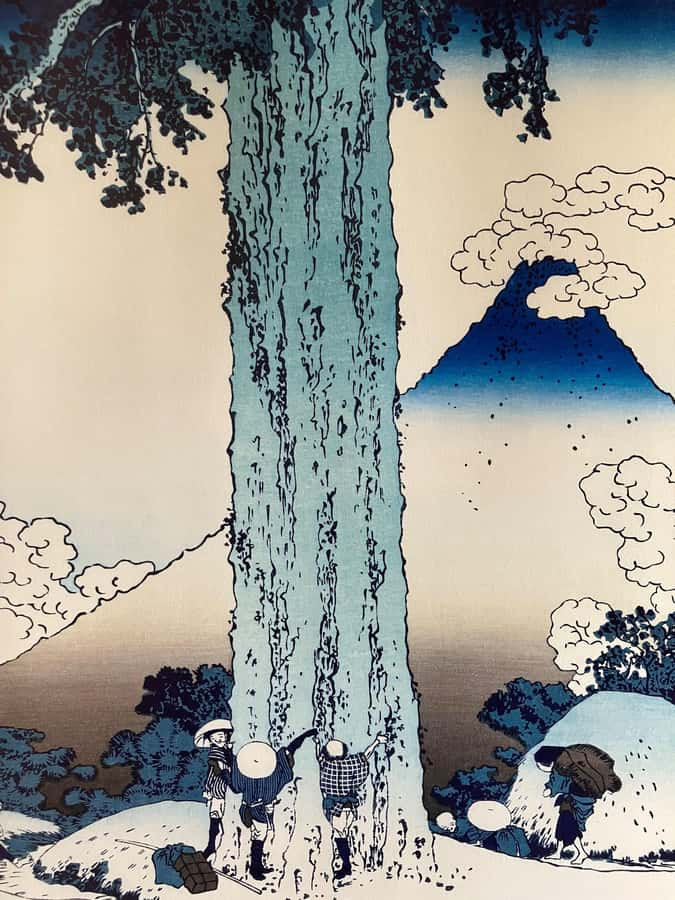
Once lunch is done, you rejoin the Old Tokaido for a largely forested hike. This is the part of the day that asks for real stamina. You’re not doing a training run, but some sections test your legs, especially if you’re not used to steady downhill/uphill walking.
The destination is Yamanaka Castle Ruins. Ruins can be hit-or-miss on tours, but here the value is the walk to reach them—your route is the point. You’ll get forest air, a feeling of distance from tourist centers, and a sense of elevation changes that make the history feel physical.
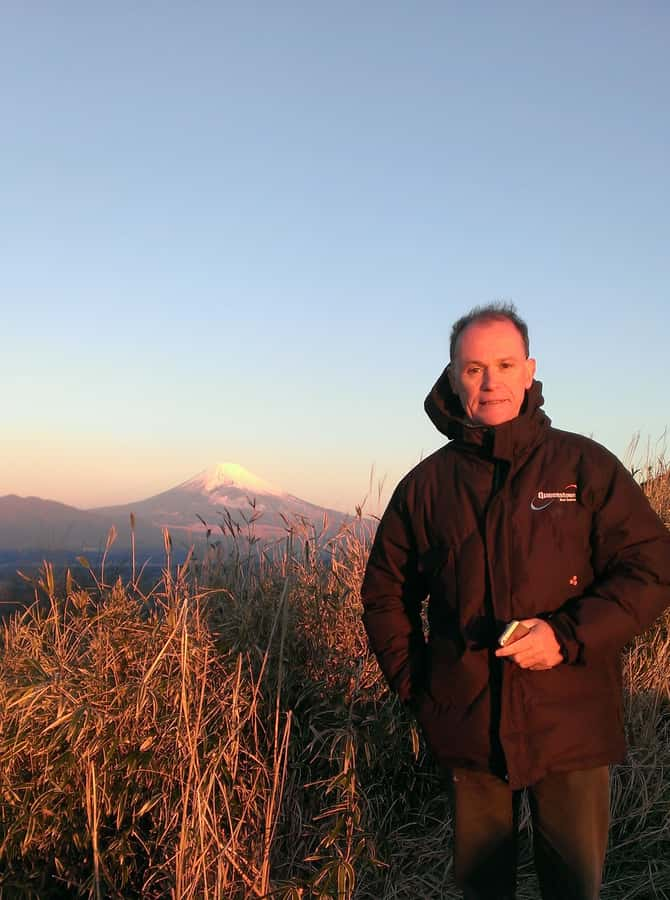
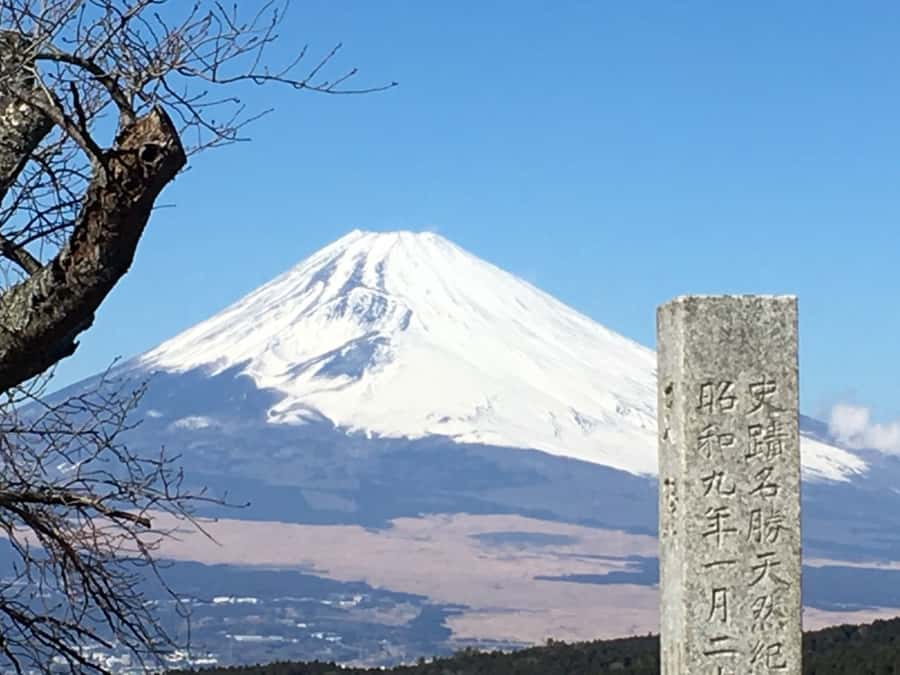
And then there’s the bonus: a Mount Fuji photo opportunity (weather permitting). Fuji is famous, but it’s also temperamental. The practical thing to do is prepare for either outcome. If it’s clear, you’ll get your chance. If it’s not, you’ll still have the hike and the route narrative without feeling like the day “failed.”
Mishima and the Genbe River World Heritage Water Area walk
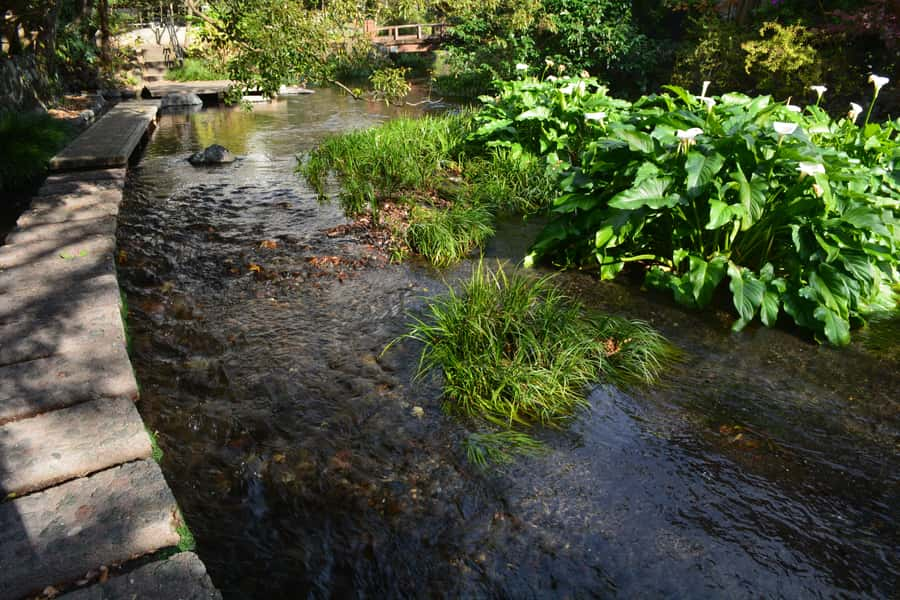
After the hike, you head by bus/coach to Mishima, where the pace softens into an easier stroll. You’ll spend about 30 minutes visiting the Genbe River World Heritage Water Area and then finish near Mishima Station.
This part is a nice contrast. The day starts with road history and steep walking energy, then it ends with water—clean, calm movement and a quieter “daily life” feel. It also helps your brain transition from “big hiking day” to “train back home without chaos.”
If your legs are tired, this ending matters. It’s structured so you don’t end the day sprinting through stations. And the guide can help you sort return tickets so you stay focused on getting home at a reasonable pace.
Price and value: $451 per group up to 6 (and what you’re really paying for)

The price is $451 per group up to 6, for a full 8-hour experience. That’s not cheap if you’re traveling solo, but it becomes more sensible if you can share the cost.
Here’s the quick math:
- If you fill all 6 spots, you’re effectively around $75 per person for a private guide for the whole day.
- If it’s just 2 people, you’re closer to $225 per person, which shifts the decision from “value deal” to “private-guide convenience.”
What makes it feel like value at the group level:
- The guide fee, guide expenses, and gratuity are included
- The route is planned for real walking time and historical pacing
- You get English guidance and route support that includes practical help with return ticket planning at Mishima
What’s not included (plan for these):
- Transport
- Entry fees
- Refreshments and lunch
- Souvenirs
So the real comparison isn’t just “price.” It’s how much you’re paying to avoid the hassle of piecing together the right train timing, meeting point, and meaningful walking segments while still getting narrative context.
Who should book, and who should skip this hike
This experience fits best if you:
- Want a private guide who can explain what you’re seeing in plain English (and Japanese, too)
- Like walking routes with story, not just scenic photos
- Are comfortable with about 8 miles of walking in a day
It’s not suitable for people with mobility impairments. The route includes multiple walking stages across uneven outdoor terrain, and you’ll be outdoors for most of the day.
If you’re traveling with family, it can work well for kids who actually enjoy walking and learning. But don’t assume this is an easy stroll. Some climbs and footing demands show up, and the day is long enough that you’ll feel it.
A note on weather, clothing, and comfort (small choices that matter)
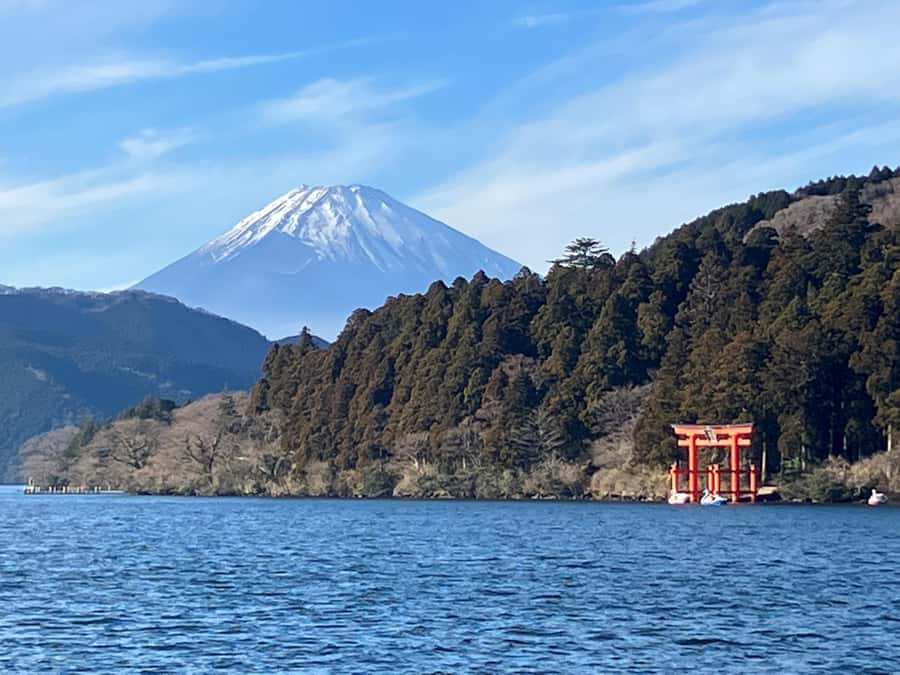
Weather can affect your Mount Fuji photo chance and comfort in the forest. Pack like you’ll be outside all day. You’ll be told to bring:
- Hat
- Jacket
- Sports shoes
My practical advice: choose shoes with traction and low risk of slipping, because older road stones and forest paths can be slick depending on recent rain. Also, dress in layers. Mountain air and lakeside air can feel different across the day.
Should you book the Hakone Hachiri Old Tokaido hike?
I’d book this if you want Hakone in a way that goes beyond viewpoints. The blend of tea-house culture, a cedar-lined road walk, and a structured ending in Mishima is a strong combo for people who like Japan to feel lived-in and not just photographed.
I’d skip it if you:
- Need a low-walking day
- Have mobility limitations
- Want lunch fully included and minimal planning around trains and meals
If you’re the kind of traveler who enjoys learning why a place was built the way it was—then this private Old Tokaido hike is exactly the right kind of day.
FAQ
Where does the hike start and end?
It starts at Hakone-Yumoto Station and finishes at Mishima Station.
How long is the experience?
The duration is 8 hours.
How much walking is included?
The hike includes about 8 miles of walking total.
What transportation is included vs. not included?
Your tour includes the guided portion and the plan involves train and local transport, but transport is not included in the listed price. You also arrange the Shinkansen segments yourself.
Which trains do I need to take on my own?
You’ll use Tokaido Shinkansen Kodama #707 from Tokyo to Odawara, then a local train to Hakone Yumoto. You’ll also catch Kodama #734 from Mishima to Tokyo at the end of the day.
Is lunch included?
No—lunch is not included, even though there is a scheduled lunch break by the lake.
What is included in the price?
The price includes the guide fee, guide expenses, and guide gratuity.
Is this tour private?
Yes. It is a private group experience.
What language is the guide?
The guide is English-speaking.
What should I bring?
Bring a hat, jacket, and sports shoes.
Is this suitable for people with mobility impairments?
No. It is not suitable for people with mobility impairments.
If you want, tell me your group size and your travel date window, and I’ll help you sanity-check the train timing and whether this length of walking matches your pace.