REVIEW · HAKONE
Hike Japan Heritage Hakone Hachiri (Half Day)
Book on Viator →Operated by Coconuts Hike Japan · Bookable on Viator
Old stones lead to quiet forests. This half-day Hakone Heritage hike follows parts of the old Tokaido between Hakone-Yumoto and Lake Ashi, mixing cobbled road sections with calmer forest trail. It’s the kind of walk where you get enough history to make the scenery meaningful, and you’re often away from the main crowds.
I love how guides like Akihiro connect the route to the Edo era road linking Tokyo and Kyoto, with English that’s easy to follow even when the details get specific. I also love the stop at a 400-year teahouse, where an amasake break feels like a small ritual before you continue toward the lake.
One thing to consider: the footing isn’t just a smooth stroll. You’ll handle cobbled ground and forest paths, so come with moderate fitness and grippy shoes.
In This Review
- Key highlights that make this hike worth it
- Walking the old Tokaido, the practical way
- Hakone Hatajuku: the woodcraft village stop
- A 400-year teahouse break with amasake
- Lake Ashi: forest-bathing vibes and the Mt Fuji gamble
- Checkpoint to closure: understanding Hakone’s role
- Guide quality and group size: what you can expect
- Price and logistics: where the value comes from
- What to wear and how to pace yourself
- Who should book this half-day heritage hike
- Should you book it?
- FAQ
- Where does the hike start and what time?
- How long is the tour?
- How much hiking do you actually do?
- What’s the end location and when can I move on?
- Is transportation included?
- How fit do I need to be?
- What’s included in the price?
- What happens if weather is poor?
Key highlights that make this hike worth it
- Certified National Mountain Guide included, so the route and pacing feel handled
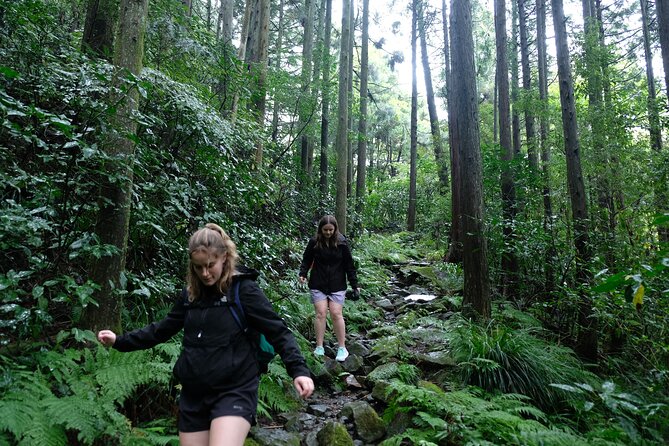
- Old Tokaido cobbles plus primitive forest sections, often with real quiet around you
- Akihiro-style storytelling that explains why Hakone mattered and how travel worked in the Edo era
- 400-year teahouse amasake stop that breaks up the hike with something local
- Lake Ashi Mt Fuji chance, depending on weather
- Small group (up to 6) for a more personal pace and fewer waits
Walking the old Tokaido, the practical way
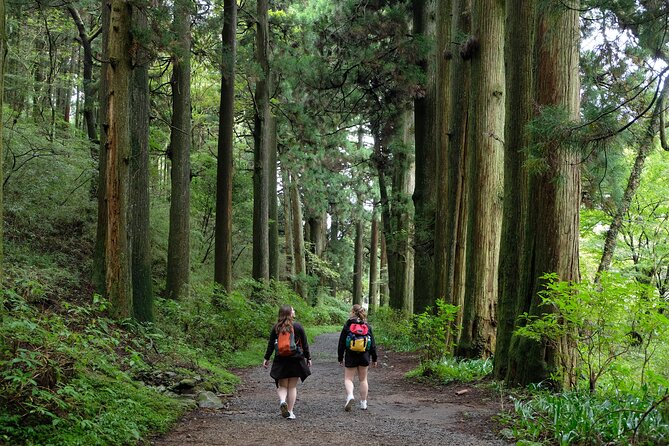
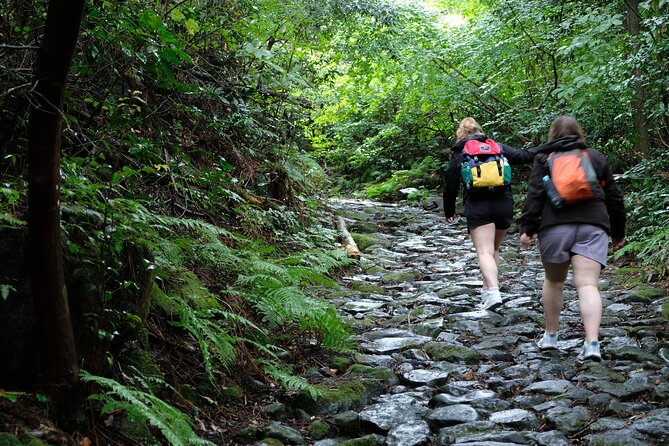
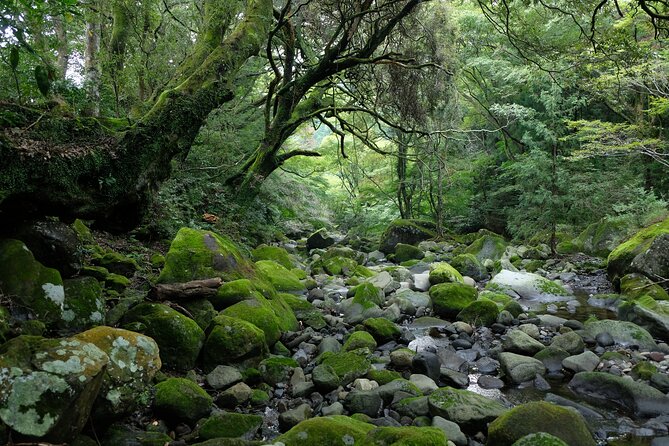
Hakone is more than hot springs and views. This hike traces a working piece of Japan’s older travel network—the old road called the Tokaido—so you walk in the footsteps of people who used to move between major cities. You’ll cover about 2 to 3 hours on foot, with some segments that are cobbled and some that turn into quieter forest trail.
The route also has a smart design: you skip the steepest part by bus early on. That means you get the best hiking sections without turning the half-day into a full mountain effort. You still earn your sense of getting off the main path, because the forest stretches for long enough that the pace feels calm.
If you like hikes where the story matches the terrain, this one does a good job. The guide keeps you oriented, explains what Hakone meant historically, and helps you understand why certain stops matter beyond the photo ops.
You can also read our reviews of more historical tours in Hakone
Hakone Hatajuku: the woodcraft village stop

Your first real anchor point is Hatajuku, a woodcraft village tied to Hakone’s tradition. You hike about an hour before reaching it, and this is where the route shifts from “walking” to “understanding where you are.”
Here’s what I like about this stop: it’s not just a quick look. The guide frames the village as part of how Hakone supported travelers passing through the region. If you have any interest in how crafts connect to daily life, this moment clicks.
You may also have a small chance to rest with local-style refreshments while you’re there. One guide-led example that shows up in people’s experiences is a stop for barley tea and a traditional rice dessert to break up the climb. Even if the exact offering varies, the intent stays the same: you get a pause that feels Japanese, not just a generic snack.
At this point, you don’t grind through the steepest ground. You’ll take a bus to skip that climb so you can reach the teahouse without turning the day sour in your legs.
A 400-year teahouse break with amasake
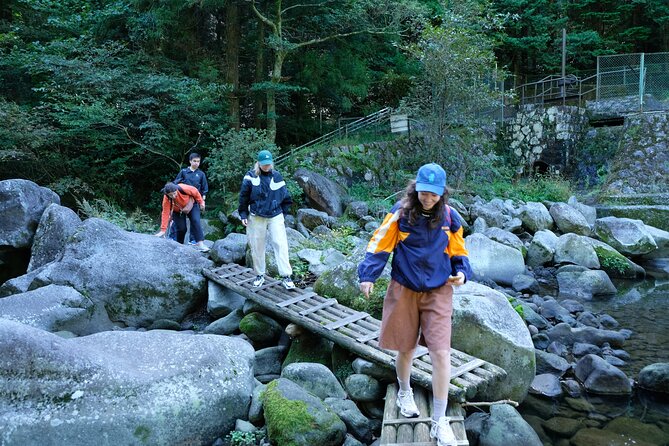
The highlight moment for many people is the Hakone amasake tea house. This isn’t a trendy café stop where everyone rushes out for selfies. It’s a historical stop with centuries behind it, right on the route as you head onward toward Lake Ashi.
You’ll get an energizing amasake drink here, and the timing matters. This tea house break comes after the village leg and the bus skip, so it feels like a reward that resets you before the last stretch. Expect about 30 minutes at the teahouse.
Why amasake works on a hike: it’s warm and comforting, which helps when the day is cooler or when you’re walking through shaded forest. It’s also the kind of small tradition that makes the route feel local rather than staged.
If the weather allows, this is also one of those moments where you can start mentally switching from trail mode to view mode. After this, you’re moving toward the lake where the air and light tend to change.
Lake Ashi: forest-bathing vibes and the Mt Fuji gamble
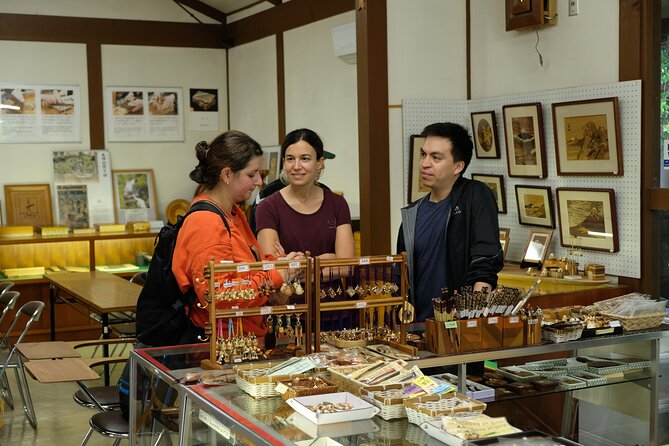
Your final hiking destination is Lake Ashinoko, also written as Lake Ashi. This is where the experience turns into a slower, more open-feeling walk.
You get about an hour here, and it’s described as a forest-bathing style segment. That’s a useful label because it hints at what you should do with your body: let your pace soften, notice the shade, and don’t treat the lake as something you only rush past.
This is also where you can get the Mt Fuji view across the lake—if the weather plays along. The key word here is chance. Don’t build a day-perfect plan around it, but do keep an eye out. When visibility is good, Lake Ashi can turn into a classic postcard scene fast.
At the end of the hike, you’ll finish in the Lake Ashi area so it’s easy to roll into your next move—bus or ferry—with departures around 1pm.
Checkpoint to closure: understanding Hakone’s role
After the lake portion, you reach the Hakone checkpoint. It’s not just a final photo moment. The guide uses this time to connect the dots about why Hakone mattered in Japan’s broader story—especially in the context of how people traveled through and around the region.
A checkpoint works well for this kind of tour because it helps you stop thinking in fragments. Instead of a sequence of scenic stops, you get a rounded explanation: Hakone wasn’t random. It was a place where routes, travelers, and geography met.
This is one reason I think this hike feels satisfying even if you’re only out for half a day. You don’t just walk—you leave with a clearer sense of what you walked through.
Guide quality and group size: what you can expect
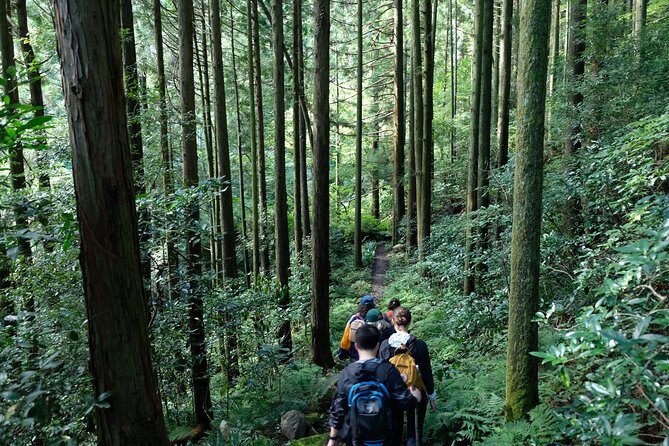
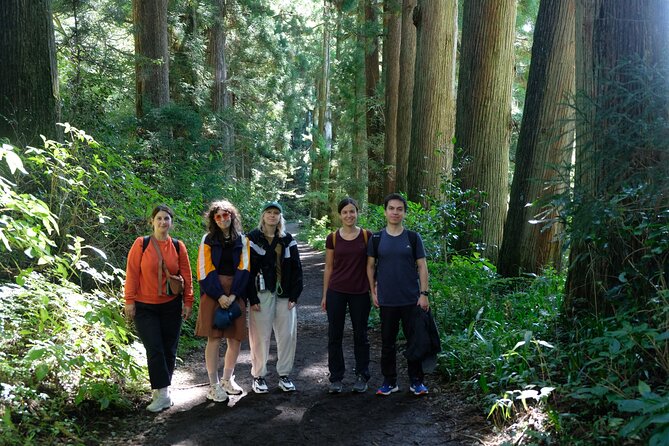
This tour runs with a maximum of 6 travelers, which is a big deal on trails that include narrower cobbled sections and quiet forest stretches. Smaller groups tend to mean fewer people crowding each viewpoint and less stopping-and-starting.
People also consistently mention guides who can explain the route clearly. Akihiro, for example, comes up with great English and a strong ability to tie the trail to Edo-era travel patterns. Another guide is referred to simply as Aki, with a similar focus on explaining what you’re seeing and giving small rests that feel well placed.
What you should look for during the hike: pay attention when the guide describes what to notice in the terrain. When the explanation matches the ground—cobbles here, forest there—it turns the hike from passive walking into active seeing.
Also, because it’s a certified National Mountain Guide-led experience, the pacing and safety feel built-in. You’re not left to figure out the route while trying to read signs through a busy day.
Price and logistics: where the value comes from
The price is $114.95 per person for a roughly 4-hour tour window. That sounds straightforward, but what makes it good value is what’s included: the certified guide and the experiences at the stops. The admissions listed for the stops are free, and you’re also covered for the guided time at each location.
There are a couple of extras you should budget for:
- Shared taxi to the trailhead: 2000 yen to be shared among the group
- Bus fee to the teahouse: less than 400 yen
Those costs are small compared to what you get from the guided structure, especially the parts where you skip the steepest ground by bus. That skip is quietly important—half-day hikes can either be pleasant or punishing depending on elevation. This design keeps the best parts while trimming the worst slope.
One more practical note: you start at Hakone-Yumoto Station at 9:00am. Since it’s near public transportation, it’s easier to slot into a Hakone day than tours that require complicated meetups.
Also, this is listed as popular enough that it’s commonly booked about 59 days in advance. If your dates are firm, booking earlier helps.
What to wear and how to pace yourself
Because the route mixes cobbles and forest trail, treat footwear as a priority. You’ll want shoes with grip and decent support, especially if the ground is damp. A moderate pace is expected, not an all-out hike, but you should still walk ready.
Bring a water bottle and a light layer. Forest sections can keep temperatures comfortable, then open sections can feel cooler or brighter. You don’t need heavy gear, but being able to adjust helps.
Finally, plan to keep your post-hike schedule flexible. You finish at Lake Ashi area and can catch a bus or ferry around 1pm, including a pirate ship-style ferry option. If you’re continuing around Hakone, this timing is handy.
Who should book this half-day heritage hike
This hike fits best if you want:
- A history-connected walk rather than a generic nature trek
- A trail with some real character: cobbled segments plus quieter forest time
- A manageable half-day plan that still feels like you left the tourist core
It’s also a good choice for people who want to experience the old Tokaido without spending hours fighting steep climbs. If you’re traveling with a teen or active adult and you can handle uneven ground, it works well.
If you hate uneven footing or you’re looking for only flat, stroller-friendly walking, this probably isn’t your route. The design focuses on heritage paths and forest segments, not smooth promenade comfort.
Should you book it?
I think you should book if you like guided hikes where the guide explains what you’re stepping on and why it matters. The combination of old cobbled road, calmer forest stretches, and a centuries-old teahouse stop makes the half-day feel complete.
You might skip it if Mt Fuji is your only priority. The view across Lake Ashi depends on weather, and you’ll still be walking those cobbles and forest trails even on a day when visibility is limited. The experience still has value, but the postcard outcome isn’t guaranteed.
If you want a compact Hakone day with meaning—and a guide who can talk about Edo-era routes in plain English—this is a solid pick.
FAQ
Where does the hike start and what time?
It starts at Hakone-Yumoto Station at 9:00am.
How long is the tour?
The tour is about 4 hours.
How much hiking do you actually do?
You’ll hike about 2 to 3 hours along the old Tokaido highway between Hakone Yumoto and Lake Ashi, with a bus skip for the steepest section.
What’s the end location and when can I move on?
You finish around 1pm in the Lake Ashi area (Motohakone). You can then catch a bus or a ferry/pirate ship-style option to your next destination.
Is transportation included?
No. Transportation to the trailhead uses a shared taxi (2000 yen shared among the group). There’s also a bus fee to the teahouse, listed as less than 400 yen.
How fit do I need to be?
You should have moderate physical fitness. The route includes cobbled paths and forest trails.
What’s included in the price?
A certified National Mountain Guide is included. Admission tickets for the stops are listed as free, and you’ll have an amasake drink at the teahouse.
What happens if weather is poor?
This experience requires good weather. If it’s canceled due to poor weather, you’ll be offered a different date or a full refund.