REVIEW · KATHMANDU
Kathmandu City Tour – Private UNESCO World Heritage Sites Tour
Book on Viator →Operated by Nepal Hiking Adventure Company - Private Day Tours · Bookable on Viator
Kathmandu’s sacred sites can feel like a speed-run until you slow down with the right local context. This private half-day-to-afternoon tour strings together Swayambhu, Patan Durbar Square, Boudhanath Stupa, and Pashupatinath so you get Hindu and Buddhist landmarks in a logical route, with a guide who explains what you’re looking at as you go.
I really like that the tour is built for practicality: hotel pickup and drop, private transportation, and only your group in the car. I also love the human factor in the feedback, where guides like Shankar and Sanjay were praised for keeping the information clear and engaging even across a longer-than-expected day.
One consideration: entrance fees are not included, and the tour requires good weather, so plan for the possibility of paying onsite and for small schedule changes if skies aren’t cooperating.
In This Review
- Key points that make this tour worth your time
- Kathmandu Valley UNESCO Route: the easy way to hit four major sites
- Stop 1: Swayambhu Mahachaitya (Swayambhunath) and the Hindu-Buddhist blend
- Stop 2: Patan Durbar Square (and how Durbar courtyards work)
- Stop 3: Boudhanath Stupa, the big Buddhist center
- Stop 4: Pashupatinath Temple and the reality of the crematory grounds
- Private transport and hotel pickup: why the logistics matter
- Price and value: $17 vs. the entrance fees you should expect
- Weather, timing, and how the tour protects your day
- Guides you’ll likely be happy with: Shankar, Sanjay, and the local touch
- Should you book Kathmandu City Tour – Private UNESCO World Heritage Sites Tour?
- FAQ
- What sites are included in the Kathmandu City Tour?
- How long does the tour take?
- Is hotel pickup and drop included?
- Is the tour private?
- Are entrance fees included in the price?
- What is the meeting point?
- Do I need to bring admission tickets?
- What if the weather is bad?
- When will I get confirmation after booking?
Key points that make this tour worth your time
- Private transportation and hotel pickup/drop make the route feel easy, not exhausting
- Four major landmarks cover both Hindu and Buddhist Kathmandu Valley without backtracking
- Expert local guidance is consistently highlighted by named guides like Shankar and Sanjay
- Entrance fees are extra (about Nepalese Rs. 2600 per person for the four sites)
- Weather matters, with a different date or full refund if conditions derail the plan
Kathmandu Valley UNESCO Route: the easy way to hit four major sites
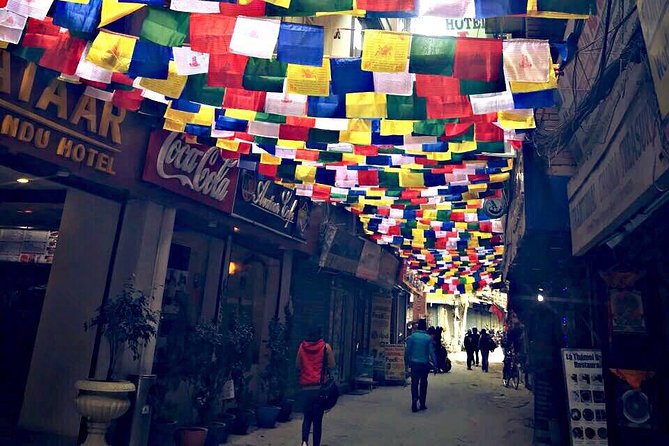
If you only have a morning or afternoon in Kathmandu, this is a smart way to compress a lot of meaning into a limited window. You’re not just checking boxes; you’re moving between places that show different sides of Nepal’s religious life—Buddhist stupa culture, Hindu temple life, and the royal-palace courtyards where stories still echo.
The structure also helps. Each stop is given about an hour, which is long enough to walk the core area, take photos, and listen without feeling rushed into the next building. It’s the kind of pacing that works especially well when you’re trying to understand the differences between the sites rather than just see them.
You’ll also get a little flexibility in the Durbar Square portion. The tour concept includes either Patan Durbar Square or Kathmandu Durbar Square based on your choice, and the described route highlights Patan Durbar Square as a key stop. If your priorities lean more toward one royal courtyard over the other, it’s worth bringing it up when you book.
You can also read our reviews of more city tours in Kathmandu
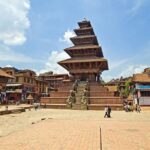
Stop 1: Swayambhu Mahachaitya (Swayambhunath) and the Hindu-Buddhist blend
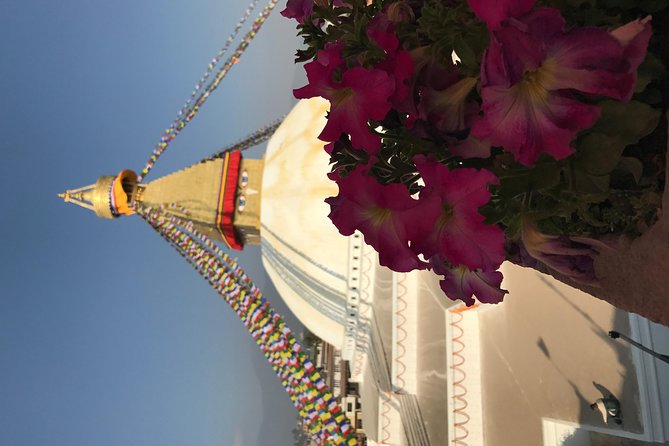
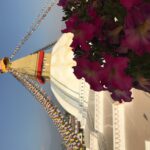
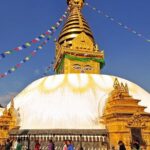
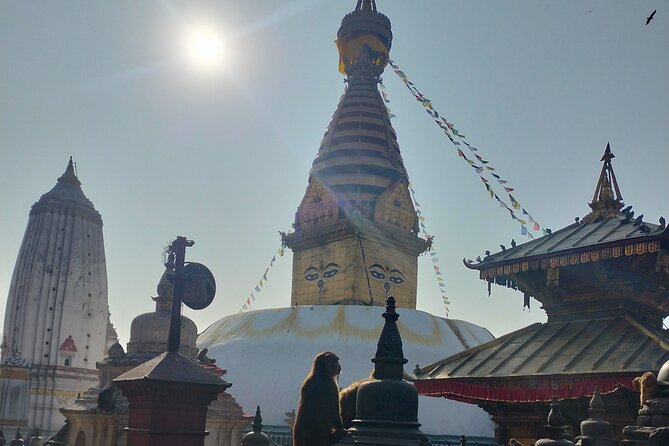
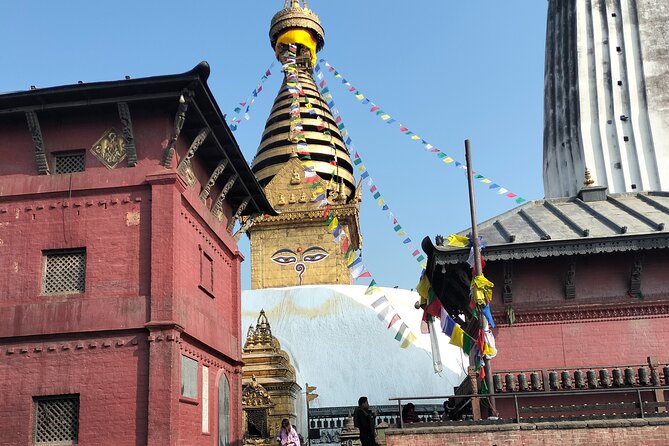
Swayambhunath is one of those Kathmandu sites where the first minutes already teach you something. The tour stops at Swoyambhu Mahachaitya, described as a place where Hindus and Buddhists worship together, which matters because it sets the tone for what comes next: the valley’s sacred geography overlaps more than you might expect.
With about an hour here, you’ll have time to look at the temple elements and stupa features without treating it like a quick photo pull-and-go. A guide is useful at this point because the meaning behind details is the difference between seeing objects and understanding a living place of faith.
Note that admission tickets are not included for this stop. You’ll want to budget for onsite entry fees as part of the overall tour cost.
Stop 2: Patan Durbar Square (and how Durbar courtyards work)
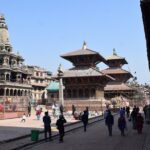
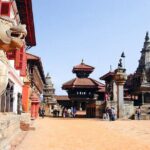
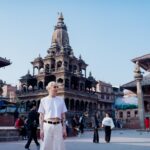
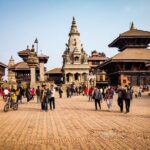
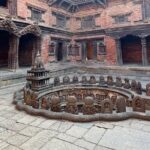
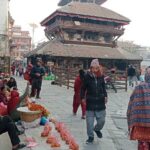
Then you move to Patan Durbar Square, one of the Durbar squares from Kathmandu’s trio of royal courtyards. This isn’t just an open plaza with temples; it’s a sense of how power and architecture shaped daily life when the valley’s kingdoms were active and visible.
The tour gives you about an hour here too, which is a good sweet spot for walking through the courtyard area at a pace that still leaves room for questions. The guide focus matters because these courtyards can look similar at first glance—another reason local interpretation helps you spot what’s distinct.
You’ll be glad this stop is included if you want the “royal palace courtyard” side of Kathmandu Valley’s UNESCO story. The overview also frames this day as a mix of temples, monasteries, stupas, and old palace courtyards, and Durbar Square is where that royal context becomes tangible.
Admission fees for the Durbar Square stop are also not included, and the tour describes an approximate combined amount for entrance across the four sites.
Stop 3: Boudhanath Stupa, the big Buddhist center
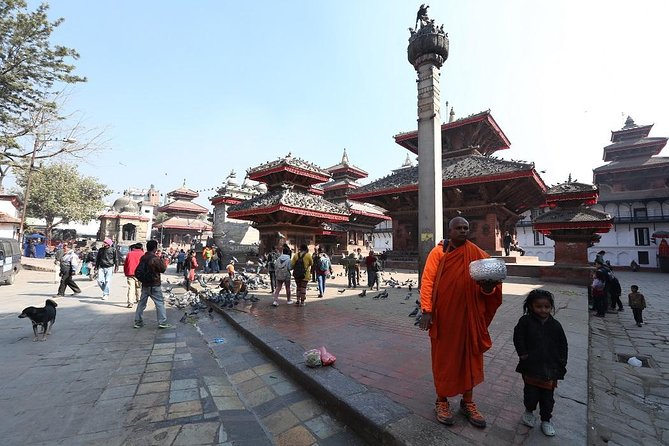
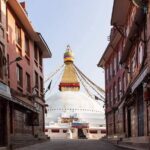
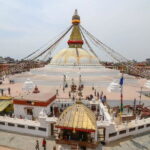
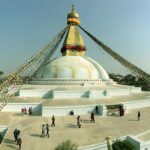
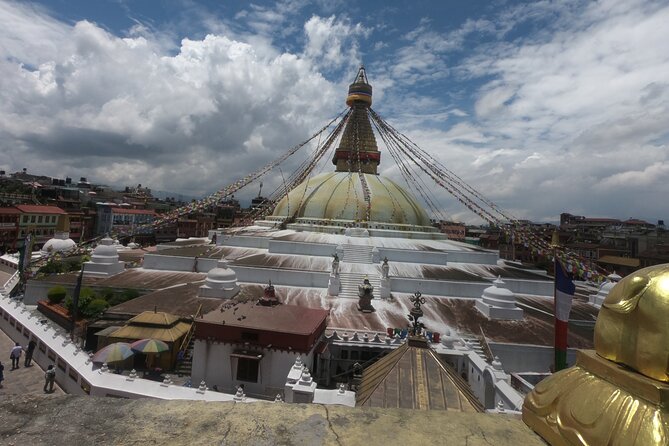
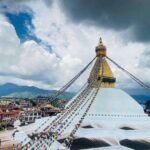
Next up is Boudhanath Stupa, described as a Buddhist temple and noted as the biggest stupa in Southeast Asia. That single detail is enough to tell you this isn’t a minor stop—it’s a major religious landmark with a scale that you feel as soon as you’re close.
You’ll get about an hour here, which is important because stupa areas are meant for slow movement and attention. Even if you don’t follow all the rituals, you can still read the place through its layout and the way worshippers interact with the monument. This is also where a guide’s explanations can turn the visual experience into a clearer cultural one.
Like the other stops, entrance tickets are not included. Also, plan for the fact that this is a high-importance site—if the schedule shifts due to crowds or weather, your guide can help adjust your pace within the overall 4 to 5 hour window.
Stop 4: Pashupatinath Temple and the reality of the crematory grounds
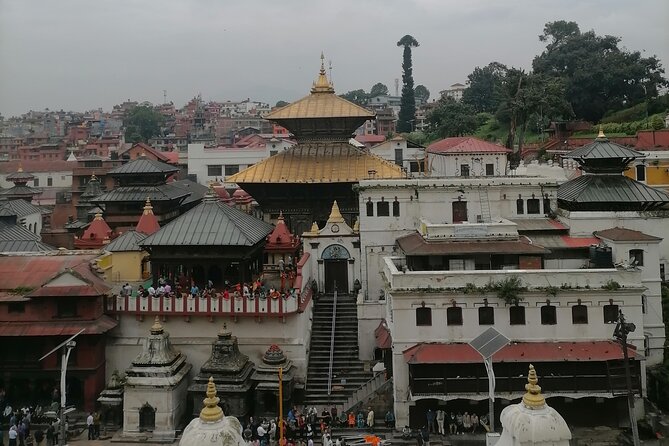
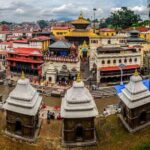
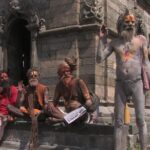
The final stop is Pashupatinath Temple, described as a Hindu temple and identified as a crematory place. That’s a big deal, because it tells you this is not a “scenic only” temple stop. It’s a working religious site tied to Hindu beliefs about death and ritual.
You’ll have about an hour here, and it’s a good amount of time for walking around the key areas while absorbing what a sacred site looks like when it’s part of everyday ritual life. A guide can help you understand the difference between what you’re observing as a visitor and what the site represents to worshippers.
Entrance tickets aren’t included for this stop either. Since the tour lists entrances as an extra cost for all four places, treat this as part of your overall budgeting, not a surprise.
You can also read our reviews of more private tours in Kathmandu

Private transport and hotel pickup: why the logistics matter
This tour includes private transportation, plus hotel pickup and drop. That means you’re not spending your limited time negotiating with drivers, figuring out routes, or losing energy to logistics. In a city like Kathmandu, cutting that friction can turn a good plan into a great one.
You’ll meet at Nepal Hiking Adventure Company, Z Street, Kathmandu 44600, and the tour ends back at that same meeting point. Because the pickup is from your hotel, you’ll likely only need to worry about being ready at the agreed time and having any payment for entrance fees or tips planned.
Also, this is labeled as private, meaning only your group participates. For families, couples, or friends traveling together, that can be a major quality upgrade. It lets you ask more targeted questions and move at the pace your group prefers within the time limits.
One more small practical note: the tour is described as near public transportation and states that most travelers can participate. It’s not framed as a special-gear activity, but since you’re visiting temple complexes and courtyards, you should still expect some walking.
Price and value: $17 vs. the entrance fees you should expect
The published price is $17, and that’s clearly aimed at affordability. The included portion covers the big-ticket travel essentials: private transportation, a city tour guide, and hotel pickup and drop.
The part you must budget separately is entrances. Entrance fees during the tour are listed as approximately Nepalese Rs. 2600 per person (about $20), covering the four sites. That means your real all-in cost will likely be closer to the added ticket amount plus the base price, depending on your exchange rate and any onsite variations.
Even with that add-on, the value can be strong because you’re getting a guide for multiple UNESCO-listed stops in a short time window. If you’ve tried doing this kind of itinerary alone, you know how quickly time and confusion stack up. With a guide, you spend less time guessing and more time understanding what you’re looking at.
Finally, the tour data notes tips for the guide or drivers as not included. In Nepal, tipping is a normal part of the service experience, so I’d treat it as part of your planning rather than an afterthought.
Weather, timing, and how the tour protects your day
This experience is described as requiring good weather. If poor weather cancels it, you’ll be offered a different date or a full refund. That policy matters because many Kathmandu Valley sites can be affected by rain and visibility, especially if you’re dealing with uncovered walking areas.
The tour duration is listed as 4 to 5 hours. That range is realistic because conditions can change once you’re on the ground. A private guide is your buffer here: they can manage pacing between sites and keep the day from turning into a stressed scramble.
If you’re sensitive to time, I’d treat the “4 to 5 hours” as the useful planning number and keep your other activities light around it. This is a temple-and-monument day, so expect attention to detail, not just transit.
Guides you’ll likely be happy with: Shankar, Sanjay, and the local touch
One of the most praised elements is the guide experience, and the feedback includes named people you can use as a signal. Shankar is singled out as passionate about culture and nation and as extremely knowledgeable, while also keeping the tour interesting for the full time window. Sanjay also gets credit for being knowledgeable and friendly, with an in-depth feel to the explanations.
In other feedback, the company’s team communication shows up as helpful, and names like Bishnu and Ram appear in the broader experience context. Even if those aren’t always your specific guide, it’s a good sign that service isn’t treated like a download-and-go operation. It’s human support: quick responses, pickup logistics that work, and help when questions pop up.
There is at least one note about a disappointment, even while the pre-tour response was described as strong. That’s a reminder to confirm your expectations clearly when you book, especially around entrance fees, pacing, and which Durbar Square you want.
Should you book Kathmandu City Tour – Private UNESCO World Heritage Sites Tour?
Book it if you want an efficient introduction to Kathmandu Valley’s core religious and historical sites without wrestling logistics. The mix of Swayambhunath, Patan Durbar Square (or your choice of Kathmandu Durbar Square), Boudhanath, and Pashupatinath gives you Hindu and Buddhist anchors in one route, and the private guide makes the difference between sights and understanding.
Skip or think twice if you hate paying onsite entrance fees or if you’re traveling during a period where weather can be unpredictable. Also, if you’re looking for a slower, less structured day, the fixed time blocks may feel a bit tight.
If you’re planning your first trip to Kathmandu and you’d like a clear, high-value afternoon route, this tour is the kind of “do it early” plan that pays off later. You’ll leave with better context for what you see across the city, not just a list of places.
FAQ
What sites are included in the Kathmandu City Tour?
The tour includes Swayambhu Mahachaitya (Swayambhunath), Patan Durbar Square, Boudhanath Stupa, and Pashupatinath Temple.
How long does the tour take?
It runs about 4 to 5 hours.
Is hotel pickup and drop included?
Yes. The tour includes hotel pickup and drop.
Is the tour private?
Yes. It is a private tour, meaning only your group will participate.
Are entrance fees included in the price?
No. Entrance fees are not included, and the tour lists an approximate total of Nepalese Rs. 2600 per person for entrances to the four places.
What is the meeting point?
The start is at Nepal Hiking Adventure Company, Z Street, Kathmandu 44600, Nepal, and the tour ends back at the same meeting point.
Do I need to bring admission tickets?
Admission tickets are not included in the tour package. You should plan to pay entrance fees onsite.
What if the weather is bad?
The experience requires good weather. If it’s canceled due to poor weather, you’ll be offered a different date or a full refund.
When will I get confirmation after booking?
Confirmation is received at the time of booking.