Old Dubai feels close up, not staged. This tour guides you through Al Fahidi courtyards, then treats you to Arabic coffee tasting with cardamom and saffron. You also get a local transport moment on an abra across the Creek before ending among the gold displays and photo-worthy sights.
I especially like the mix of quiet architecture and real market energy. You slow down for wind-tunnel streets and old-town courtyards, then you shift gears to the souks where you can smell spices and see tons of gold in shop windows.
One thing to consider: the Dubai Museum at Al Fahidi Fort is listed as being in restoration, so you mainly pass by it rather than doing a full museum visit.
In This Review
- Key highlights worth planning around
- Old Dubai starts at Al Fahidi’s courtyards and wind-tunnel streets
- Coffee Museum: green coffee, cardamom, saffron, and dates
- Little India and the Fabric Souk: a change in scenery, fast
- Textile Souk in Bur Dubai: shopping time you can actually use
- Abra across Dubai Creek: the local transport feeling
- Deira’s Abra station and the jump to Spice Souk
- Gold Souk: tons of gold, plus a record-worthy photo moment
- Dubai Museum at Al Fahidi Fort: what you see during restoration
- Noha’s guiding style: calm, accommodating, and time-focused
- Price and timing: what $55.83 buys you
- Practical tips for enjoying it without rushing
- Should you book this Old Dubai historical tour?
- FAQ
- Where is the meeting point?
- Where does the tour end?
- How long is the tour?
- What time does it start?
- Is this tour private?
- What’s included during the tour?
- Are tickets needed for every stop?
- Is there a museum visit at Al Fahidi Fort?
- Is free cancellation available?
Key highlights worth planning around
- Al Fahidi courtyards and wind-tunnel lanes for early-Dubai architecture and calm side streets
- Coffee Museum tasting featuring green coffee, cardamom, and saffron, plus dates
- Abra crossing of Dubai Creek on small wooden boats, like local public transport
- Souk time on both sides of the water: textile/fabric, then spice, then gold
- A guide who keeps things moving so you see more in a half-day route—led by Noha
- Most stops with no ticket fees, with coffee and the abra ride included
Old Dubai starts at Al Fahidi’s courtyards and wind-tunnel streets
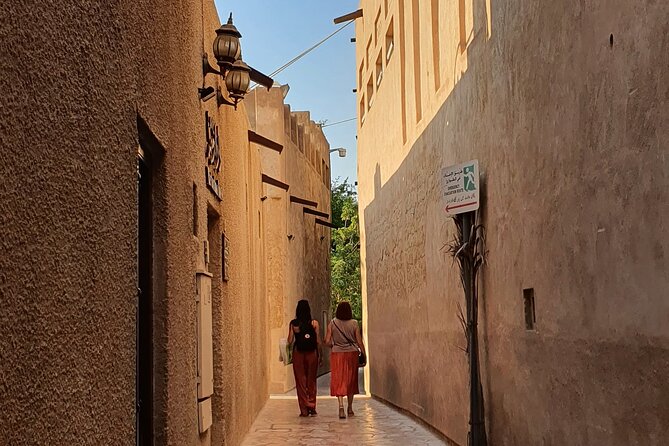
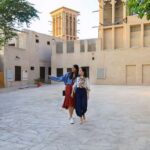
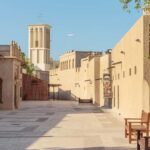
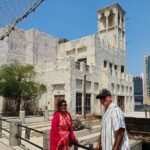
This is the kind of Old Dubai walk that actually makes sense. You begin in the Al Fahidi area, known for its older-style architecture and the distinctive front towers that give the neighborhood its look. Then the experience shifts from streets to spaces that feel private: you step inside courtyards of traditional houses to admire the design and the calm.
What I love here is how the design works with the climate. In places like this, you can often spot the practical features that helped people live comfortably long before modern air-conditioning—things like narrow lanes and wind-tunnel-style pathways. Even if you’re not an architecture buff, it’s easy to see why this district mattered in the city’s early days.
You’ll also appreciate the pace. The time in Al Fahidi isn’t just a photo stop; it’s built for slow looking—watching light move through courtyards and taking in the quieter rhythm away from traffic.
You can also read our reviews of more historical tours in Dubai
Coffee Museum: green coffee, cardamom, saffron, and dates
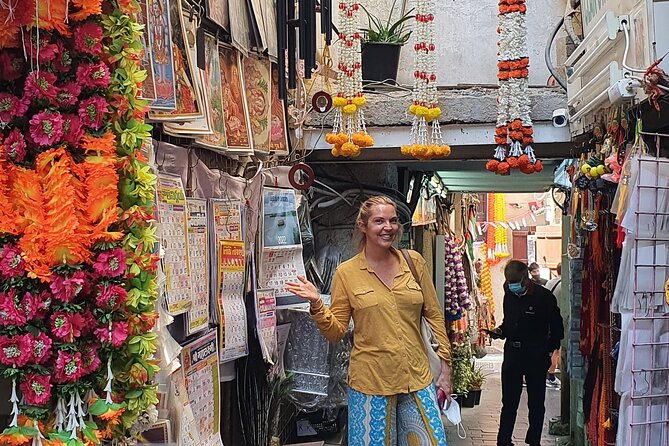
A lot of Dubai tours talk about food. This one gives you a proper tasting moment at the Coffee Museum, and it’s designed as a short, focused break in the middle of the walk.
You try authentic Arabic coffee made with green coffee plus cardamom and saffron, and you pair it with traditional dates. It’s not a huge meal, but it’s memorable in a simple way: you get the taste, you get the context, and then you’re back out walking while you’re still comfortable.
This is also a practical stop. When you’re doing market days and creek crossings, having a scheduled pause with something warm helps you keep your energy up.
Little India and the Fabric Souk: a change in scenery, fast
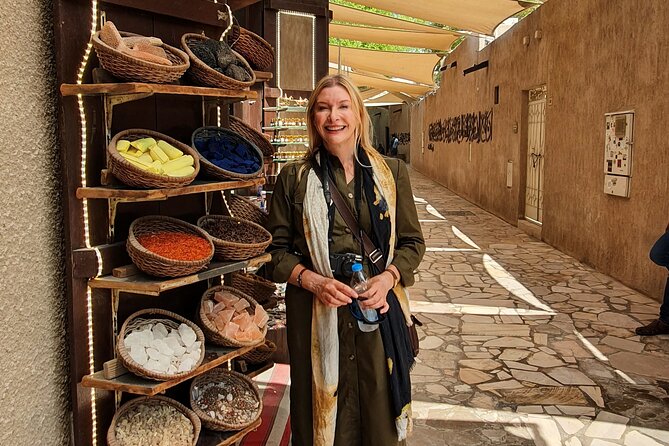
After Al Fahidi, the route keeps you moving through older commercial areas you can easily miss on your own. You pass by Dubai Museum grounds at Al Fahidi Fort (noting it’s in restoration) and continue toward Little India, before heading into the souk side of town via the Fabric Souk.
The vibe shifts in a noticeable way. In one stretch, you’re dealing with historic streets; in the next, the scene turns into shopfronts and stalls where textiles take center stage. If you like browsing, this is where the morning starts to feel fun rather than just informative.
You don’t need to buy anything to enjoy it. Even if you just want to compare fabrics and watch how shops are arranged, it’s a good “warm-up” before the spice and gold markets.
Textile Souk in Bur Dubai: shopping time you can actually use
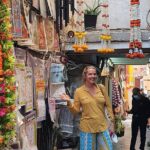
Textiles are one of those categories that can feel overwhelming—until you see how the markets organize the options. Here, you get dedicated time at the Textile Souk area in Bur Dubai, where you can browse raw silk, cotton, and embroidered fabrics.
This is the segment where you’ll probably feel tempted to shop. If you want to bring something home, you’ll have time to check quality and options without rushing. And if you don’t want to buy, it still works as a sensory break: you’ll notice colors, textures, and the sheer variety of material choices.
Just keep your expectations practical. Souks are active, and prices can vary by shop, so decide in advance whether you’re browsing only or you’re looking for a specific type of fabric.
Abra across Dubai Creek: the local transport feeling
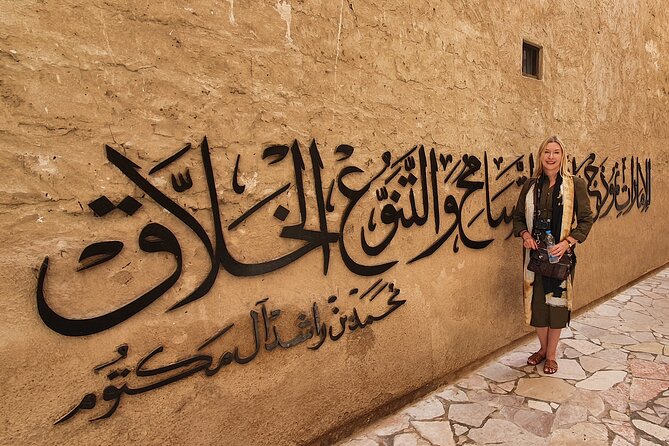
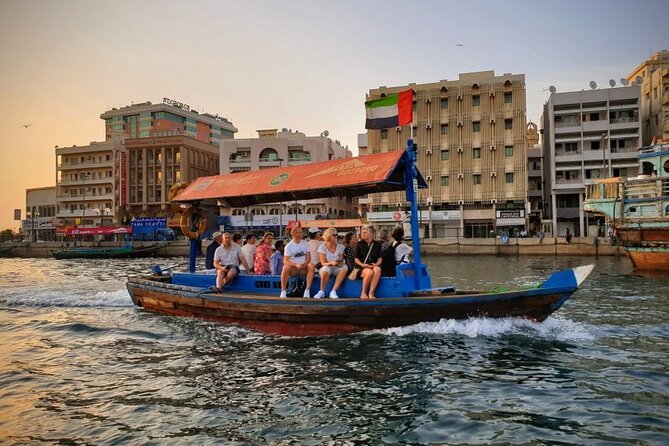
Then comes one of the smartest parts of the route: crossing Dubai Creek by abra, the small wooden boats used as public transport.
This isn’t just a scenic detour. It’s a real way to experience how people move across the water and how the two sides of old Dubai connect. You board near Bur Dubai Abra Station and cross the Creek to the other side, where you then continue onward into the market areas.
I also like that the route doesn’t try to pretend you’re above daily life. The abra crossing grounds the day. You’re not only seeing history; you’re seeing how the old city still functions.


Deira’s Abra station and the jump to Spice Souk
Once you reach the Deira side, you transition quickly into the oldest market zone. The tour passes through Deira Old Souk Abra Station and then heads for the Spice Souk.
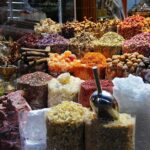
This is where the senses show up. You get an oriental atmosphere packed with colors and smells—the classic market look where it feels like you’re walking through a storybook. More useful than the visuals, though, is that you can identify different spices and understand what’s being sold and how it’s displayed.
You also get a tasting of local dates during the spice market time. It’s a nice follow-up to the coffee stop earlier, and it keeps the day from becoming only looking and shopping.
Gold Souk: tons of gold, plus a record-worthy photo moment
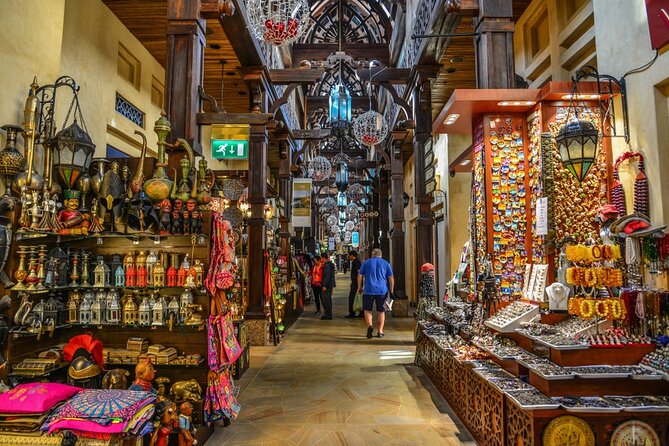
The tour ends at the Dubai Gold Souk, and it’s the kind of finish that feels instantly cinematic. The market is described as having ten tons of gold in store windows, so even without shopping you’ll get that strong sense of scale.
There’s also a specific photo hook: the Gold Souk is listed as having the largest ring in the world, with a Guinness World Record tied to it. If you like straightforward “I need this photo” moments, this is one of the best places in the route for that.
Now, a reality check. Gold shopping can be fascinating, but it’s also easy to get swept into it if you’re not paying attention. If you want to buy, set a budget before you go in; if you don’t, just use the time to enjoy the displays and take photos at your own pace.
Dubai Museum at Al Fahidi Fort: what you see during restoration
This is a big historic anchor for the route. The plan includes a pass by the Dubai Museum at Al Fahidi Fort, described as the oldest fortress in Dubai since the 1780s, but it’s currently in restoration.
So you should expect less from that specific stop than you would on a fully operating museum visit. You’ll still get the context of where the fortress is and how the area ties to the city’s early timeline, but don’t plan on a museum ticket experience at this moment.
If museum time is your top priority, you’ll likely want to treat this as a viewpoint and orientation stop. You can still leave the day feeling like you understood the neighborhood, even without a museum interior visit.
Noha’s guiding style: calm, accommodating, and time-focused
The tour is led by Noha, and the tone from her approach comes through clearly. She’s described as welcoming, professional, and well organized, with the ability to adapt to what you want to see during your limited time in Dubai.
What I value most is the timekeeping. This is a 3 hours 30 minutes walking-and-market route, so you need someone who keeps the sequence smooth and prevents long idle waits. That matters even more when you’re going from quieter architecture into fast-moving souks and then finishing at the Gold Souk.
If you’re traveling with limited days and want a route that covers key areas without dragging, this half-day structure works well. It’s also private, so you’re not stuck matching your pace to strangers.
Price and timing: what $55.83 buys you
At $55.83 per person, you’re paying for guided walking across multiple historic and market zones, plus two clear included items: the Coffee Museum tasting and the abra crossing. Many other stops are listed as free admission, which helps keep the day from feeling like constant add-on fees.
Duration is about 3 hours 30 minutes, starting at 9:30 am. That timing is useful because you get a morning mix of cooler walking and early market energy. And since the tour is popular enough to be booked well ahead on average (around 104 days), it’s smart to reserve early.
Because it’s private, the value also depends on your group. If your group likes structure and wants a guide to connect the dots between neighborhoods, you’ll feel the price better.
Practical tips for enjoying it without rushing
A tour like this is mostly walking plus short browsing stops. Wear comfortable shoes and plan for some time in sun and shade changes as you move between courtyards, streets, and market areas.
Bring a small amount of cash if you’re the type to buy something in a souk, but don’t feel pressure to purchase. The route is built so you can enjoy the markets through looking and learning, then decide later if something feels worth it.
Finally, go in with a simple goal: enjoy the contrasts. Start with calm Al Fahidi courtyards, fuel up with coffee and dates, then let your senses guide you through spice, textile, and gold.
Should you book this Old Dubai historical tour?
Book it if you want Old Dubai as a guided route that mixes architecture, local food-and-drink tasting, and real market time. The included Coffee Museum stop and the abra crossing make it feel more than a “walk and point” experience.
Skip (or at least adjust expectations) if you specifically want to spend lots of time inside a museum right now. Since the Dubai Museum at Al Fahidi Fort is listed as being in restoration, that part is more of a pass-by context stop than a full interior visit.
If you enjoy markets but also like order and pacing, this one is a strong choice—especially with Noha keeping the day organized and moving.
FAQ
Where is the meeting point?
You meet at Sharaf DG Metro Station Exit 4.
Where does the tour end?
The tour ends at the Dubai Gold Souk area.
How long is the tour?
It’s about 3 hours 30 minutes (approx.).
What time does it start?
The start time is 9:30 am.
Is this tour private?
Yes. Only your group participates.
What’s included during the tour?
The Coffee Museum coffee tasting is included, and you also get dates. The abra crossing is included as well.
Are tickets needed for every stop?
Not for all stops. Some sights are listed with admission ticket free, while Coffee Museum and the abra crossing are included in the experience.
Is there a museum visit at Al Fahidi Fort?
You pass by the Dubai Museum at Al Fahidi Fort, and it’s noted as being in restoration.
Is free cancellation available?
Yes. Free cancellation is available up to 24 hours before the experience starts for a full refund.