REVIEW · DA NANG
Da Nang History Tour Walking By Cham Pa Museum-Cuisine-Cafe
Book on GetYourGuide →Operated by Funtastic Basket Boat Tours and Cooking Class · Bookable on GetYourGuide
One day in Da Nang, and the city starts making sense fast. This Da Nang History Tour blends Champa Kingdom art with Buddhist sites, daily-market life, and major landmarks along the Han River. I like how it connects the big stories—Cham culture, the Vietnam War era, and colonial-era trade—through stops you can actually walk between.
I also love the food part, because it’s not an afterthought. You’ll get pho (chicken pho or beef pho based on your option) plus green Hanoi herbal tea, then finish with coconut coffee or salted coffee that locals actually rely on for flavor, not just novelty.
The one thing to watch is timing: the day is packed, and if you’re the type who could stay at a museum all day, you may wish you had more time inside the Cham Museum than what a 1-day route allows.
In This Review
- Key highlights you’ll care about
- Cham Museum Meet-Up: How the Day Gets Its Champa Context
- World-Class Sculpture Viewing at the Cham Museum (7th–14th Century)
- What to watch inside the museum
- An Long Pagoda and the Mahayana Buddhism Story You’ll Actually Use
- A Market Built Under Collectivism, Plus Quiet Alleys for Real Da Nang Life
- Dragon Bridge (666m) and Han River War-Era Footsteps Before 1975
- Pho by a Quiet Street Stop, Plus Da Nang’s Hanoi-Style Corner
- Da Nang Cathedral Church, Locals Call It Chicken Church
- Han Market Built by French Colonial Trade, With Chinese Community Stories
- A note on pacing
- Coconut Coffee or Salted Coffee to Finish: Real Flavor, Not a Gimmick
- Price, Comfort, and Why $28 Can Actually Feel Worth It
- Logistics and comfort considerations
- Should You Book This Da Nang History and Food Walk?
- FAQ
- Where is the meeting point for this tour?
- What food and drinks are included?
- How long does the tour last?
- Is the tour guided in English?
- Is private group available?
- What is the cancellation policy?
Key highlights you’ll care about
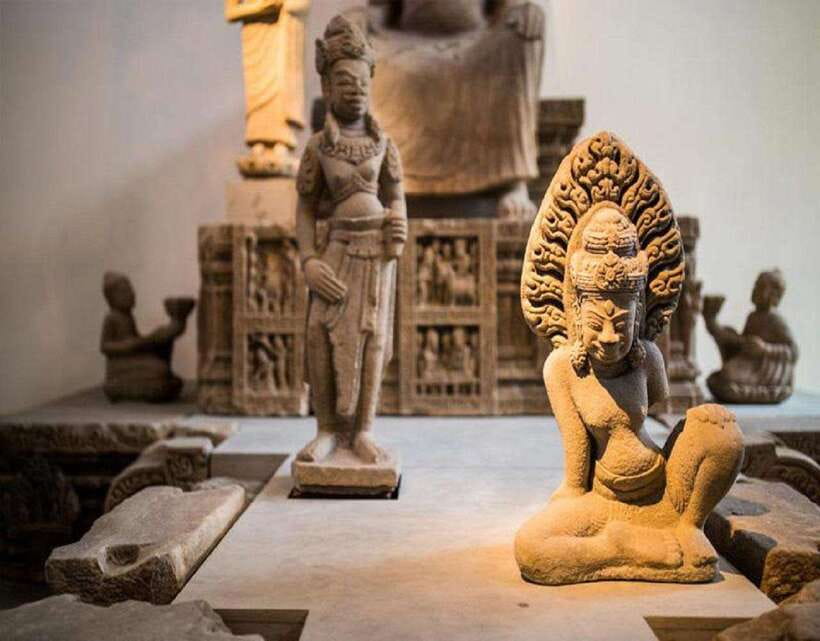
- Cham Museum sculpture storytelling (7th–14th century): A historian-style guide helps you read the carvings like chapters.
- Pagoda + local belief context at An Long Pagoda: You learn how Mahayana Buddhism shows up in everyday life.
- Da Nang life outside the headline sights: A stop at a market built under collectivism and time in quieter alleys adds texture.
- Dragon Bridge and Han River war-era perspective: Dragon Bridge (666m long) pairs with a practical look at the city’s wartime role before 1975.
- Signature food stops in the right order: Pho plus herbal tea, then coffee—coconut or salted—so your energy stays on track.
Cham Museum Meet-Up: How the Day Gets Its Champa Context
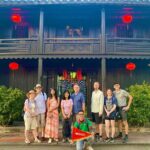
Your day starts right in front of the Cham Museum, which matters because you’re stepping into the story immediately. From the first minutes, the guide frames what you’re about to see: the religious art of the Champa Kingdom and why those stones still matter in Da Nang today.
This is a walking tour style, so you’ll move at a human pace—good for photos, but also good for noticing details. The route is built for first-timers who want more than a checklist.
I like that the guide comes with historian background, so the talk doesn’t stay general. You’ll get background history and culture as you go, which helps you understand later stops, like the connection to My Son and Cham religious relics.
You can also read our reviews of more walking tours in Da Nang
World-Class Sculpture Viewing at the Cham Museum (7th–14th Century)
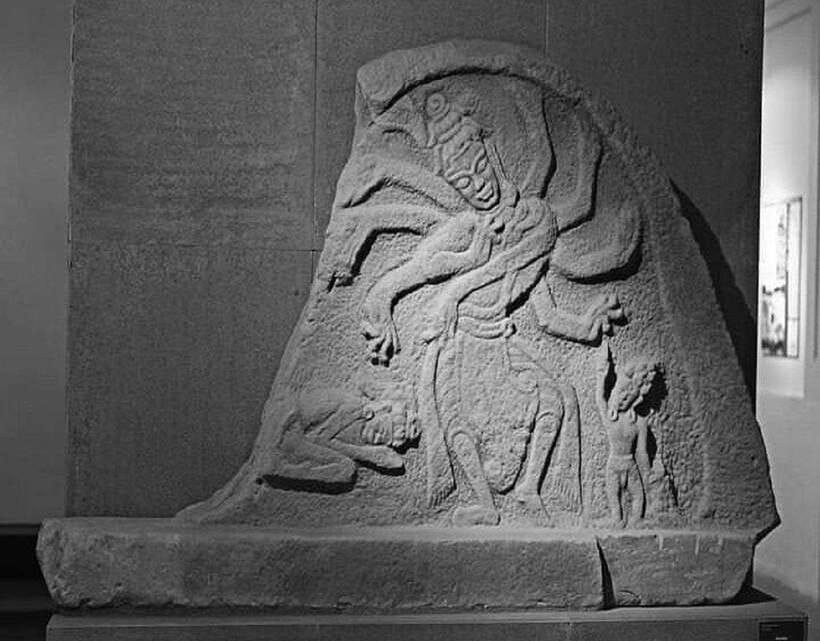
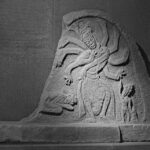
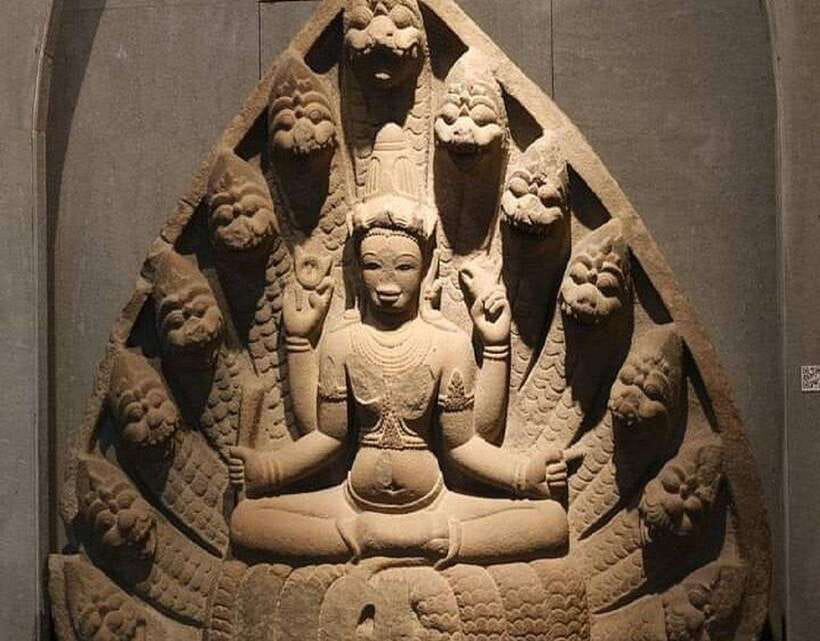
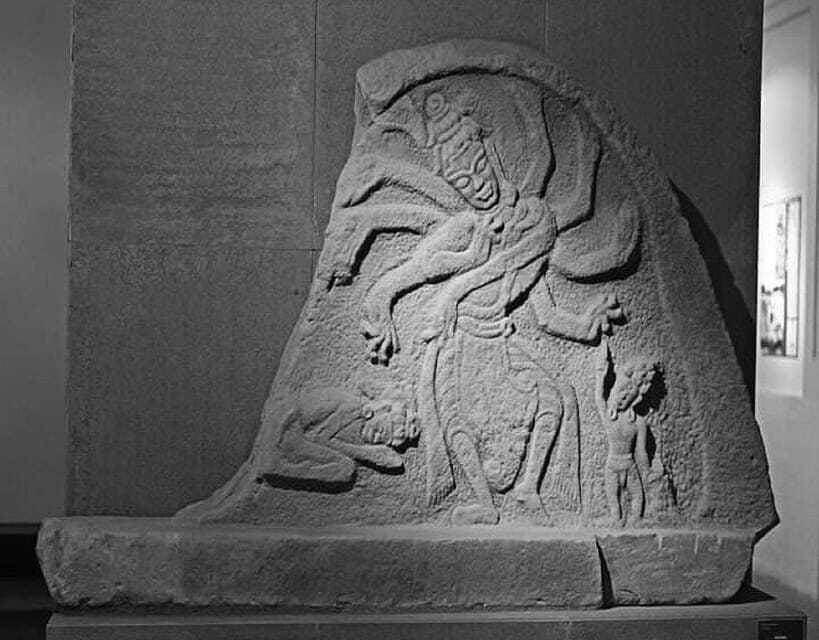
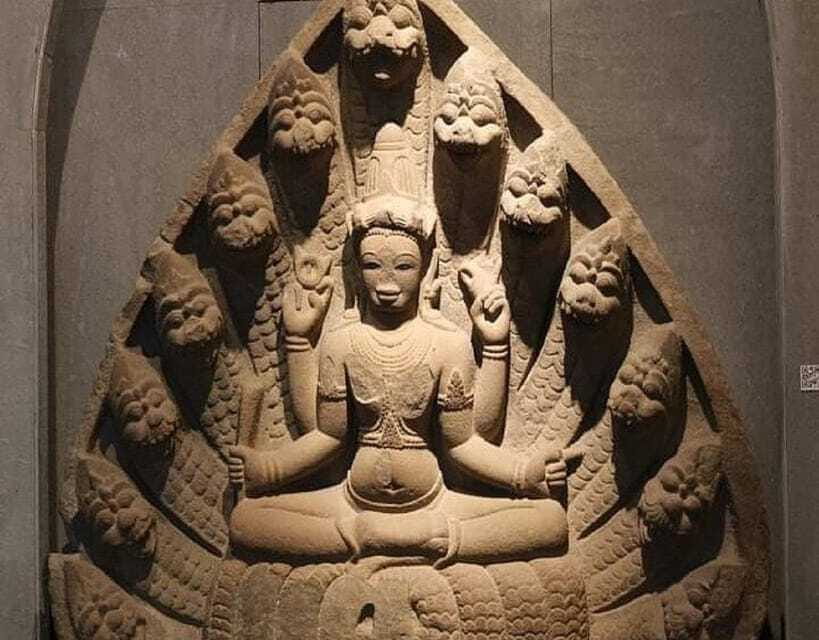
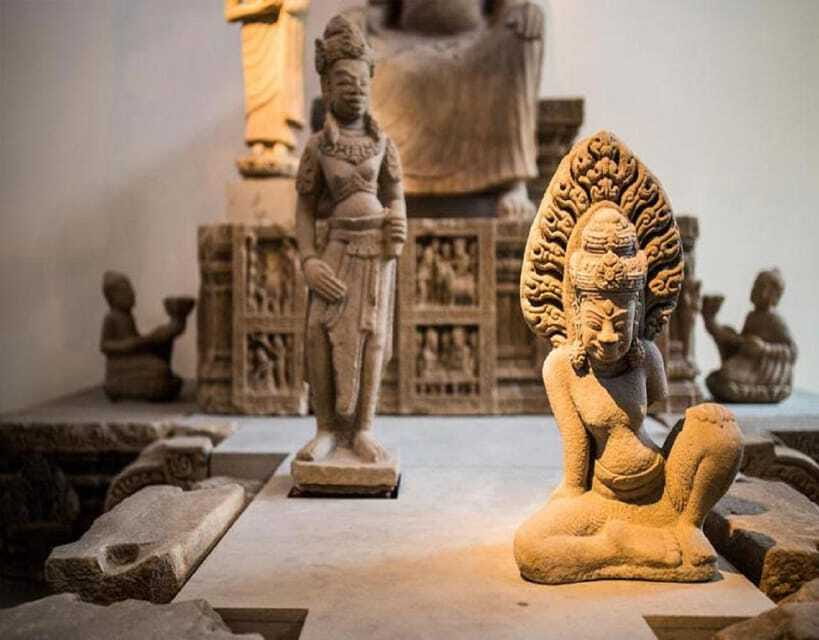
The centerpiece is the Cham Museum, described as the world’s largest collection of Hinduism sculptures. When you walk through, the scale hits you quickly: you’re looking at hundreds of antique stone statues spanning roughly the 7th to the 14th century.
What makes this more than just impressive is the “read-the-story” approach. Each sculpture has its own meaning, and the guide helps you connect the figures to the broader Champa Kingdom narrative—so you’re not just staring at stone, you’re learning what the art was trying to communicate.
You also get the useful context for why this matters for Central Vietnam. Cham culture isn’t isolated; it threads into what you’ll see later around My Son, famous for Cham religious relics. Even if you haven’t visited My Son yet, this museum stop gives you something to look for.
What to watch inside the museum
A 1-day schedule means you can’t linger forever. One review highlight points to wanting more time in the museum, which is a fair note if you’re the slow-and-curious type. If that’s you, plan to take notes quickly and focus on a few sections that match your interests: Hindu symbolism, sculpture styles over time, or recurring themes.
An Long Pagoda and the Mahayana Buddhism Story You’ll Actually Use

After Champa art, you head toward how belief lives in daily life. A key stop is An Long Pagoda, where you learn about Mahayana Buddhism and the local beliefs tied to it.
This is the part of the tour that helps you soften the edges of history. The art at Cham Museum is ancient and symbolic; the pagoda experience is lived-in and practical. You’ll hear stories that explain how belief shapes local habits, which makes the culture feel current rather than locked in the past.
Even if you’re not a religious traveler, this kind of stop is valuable because it gives you a vocabulary for what you see on the street. When you later notice temple details, offerings, or community rituals, you’ll understand the “why,” not only the “what.”
A Market Built Under Collectivism, Plus Quiet Alleys for Real Da Nang Life
One of the most interesting stops is a local market built in the 1980s under collectivism. The tour frames it as a window into Vietnam’s harder post-war reality—strongly shaped by collective management ideas that the guide compares to the way similar systems worked elsewhere in the region.
Why this matters: markets are where policy becomes daily behavior. You’ll get a sense of how people adapted their routines, trade, and community life during tough times. It’s not just a place to buy stuff; it’s a living snapshot of history in action.
Then the tour slows down for the less obvious part: hidden alleys and quieter streets where you can see how residents live. This is the kind of wandering that turns Da Nang from postcard city into a place with everyday rhythms. You’ll also notice how “tourist time” and “local time” don’t match—useful if you’re trying to photograph real life without feeling intrusive.
You can also read our reviews of more historical tours in Da Nang



Dragon Bridge (666m) and Han River War-Era Footsteps Before 1975

Next comes one of the easiest landmarks to find—and one of the most meaningful once you understand the backdrop. You’ll stop at Dragon Bridge, listed at 666m long, a major visual anchor for Da Nang.
But the bridge isn’t the whole lesson. From there, you walk along the Han River to understand what the city’s role looked like during the Vietnam War period. The tour places Da Nang as a strong military base prior to 1975, and you’ll see the river area with that context in mind.
I like this pairing because it stops history from feeling abstract. The Han River is a real space with real movement, so the war-era story becomes something you can point to—rather than something you only read about in a book.
If you care about photos, this is also a strong segment of the day. You’re mixing skyline views, bridge angles, and river perspectives with guided explanations, which makes it easier to know what’s worth shooting.
Pho by a Quiet Street Stop, Plus Da Nang’s Hanoi-Style Corner
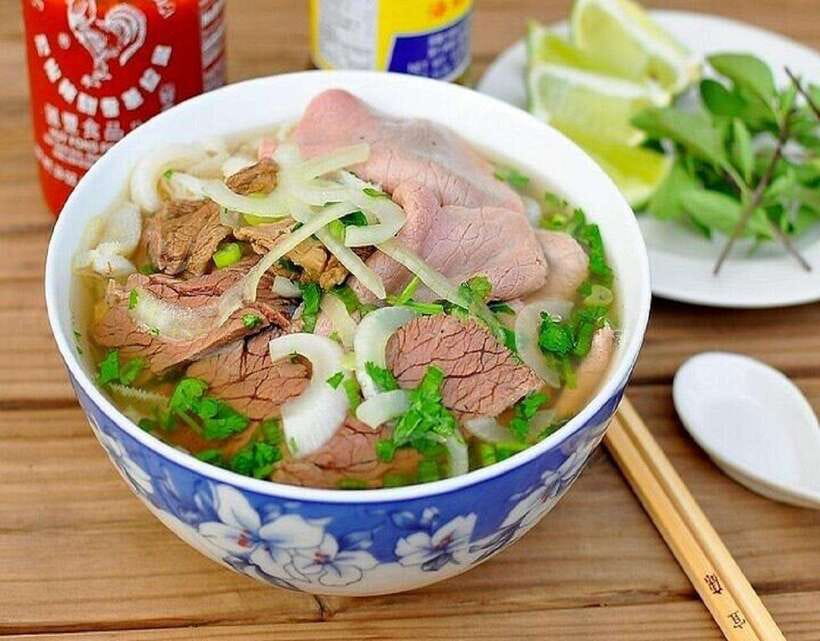
You’ll get food at a smart moment, not right when you’re still hungry but stressed. At a corner of a quiet street, the tour stops for pho—described as one of the best, called old Hanoi Quarter pho, right inside Da Nang.
You’ll choose between chicken pho or beef pho depending on your option. Alongside it, the tour includes green Hanoi herbal tea, which is a nice pairing if you want something warm and light instead of only cold drinks.
One practical tip from the experience: if you want pho to hit at its best, you might consider skipping breakfast. The tour includes the meal later, so arriving too full can make the experience feel shorter than it should.
Also, since this is a walking day, pho works as a reset button. It’s comforting, it keeps you moving, and it’s the kind of meal that doesn’t require a long sit-down to enjoy.
Da Nang Cathedral Church, Locals Call It Chicken Church
You also stop at Da Nang Cathedral Church, which locals call it Chicken Church. The nickname alone makes the place more memorable, but the value here is how it adds a different layer to the Da Nang story.
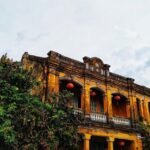
Central Vietnam isn’t only Cham and Buddhism. You’re also seeing the imprint of European-era architecture and how locals made it part of the city’s identity. Even without an hour-long explanation, this stop gives your eyes a new reference point.
If you like seeing how communities rename things in everyday language, this is one of those small moments that makes the city feel personal. It’s also a good contrast to the earlier religious and historical stops.
Han Market Built by French Colonial Trade, With Chinese Community Stories
The tour ends the day’s history-and-culture side by heading to Han Market, described as the biggest market in central Vietnam and built by the French during colonial periods.
What I like here is that you get more than “market browsing.” The tour includes background about the Chinese community living in Vietnam, tying the market to the broader trade networks that shaped Da Nang over time.
Markets like this are where you can see how cultures overlap: language, goods, cooking basics, and the everyday flow of people. Even if you don’t plan to shop much, walking through Han Market gives you a strong sense of what locals actually use.
A note on pacing
This segment is both interesting and sensory. You may find it tempting to stop every few steps for photos, so it helps to remember you’re still ending soon with coffee. If you’re sensitive to heat and crowds, take quick water breaks between the sections the guide highlights.
Coconut Coffee or Salted Coffee to Finish: Real Flavor, Not a Gimmick
The final stop is the part that makes the day feel satisfying instead of exhausting: coconut coffee or salted coffee. The tour treats these flavors as some of the best coffee moments in Vietnam, and the structure matters.
Coffee after pho is a smart move. It clears the taste, keeps your energy up for photos at the end, and lets you end on something sensory rather than just historical facts.
I also like that you get a choice. If you’re curious but unsure, try the one that sounds most like your normal coffee habits. Either way, you’ll leave with a local-style flavor memory you can compare to other Vietnam coffee cities you visit next.
Price, Comfort, and Why $28 Can Actually Feel Worth It
At $28 per person for about 1 day, this tour can be good value if you want a guided story rather than doing it alone. You’re paying for three big things: Cham Museum tickets, a guided route that ties multiple sites together, and included food items (pho plus green herbal tea, and then coconut or salted coffee).
The “historian background” style is also part of the value. Without guidance, you’d likely see sculptures, a pagoda, and bridges and still leave with general impressions. With the guide, those places become linked chapters—Champa art into Cham culture, then into broader Vietnamese history and local belief.
Logistics and comfort considerations
There’s no mention of pick-up or drop-off, and you meet in front of the Cham Museum. So you’ll want to plan your morning arrival accordingly. Also, it’s a walking day, so wear shoes you can handle for a full day of city walking.
Finally, tipping is expected for the guide. The information provided notes a minimum of $4 USD per person for the guide’s certificate. If you want the experience to feel respectful and rewarding, budget that in.
Should You Book This Da Nang History and Food Walk?
Book it if you want Da Nang to feel like a story, not a list. This works especially well when you’re curious about the Champa Kingdom, planning to go to My Son later, or you like pairing history with real meals—pho, herbal tea, and coffee—so the day stays enjoyable.
Skip it if you want a slow museum day above all else. If your top priority is spending hours in the Cham Museum without time pressure, you may prefer a longer museum-focused plan.
If you’re on a tight schedule and want a guided day that connects art, belief, local life, and iconic landmarks, this is an easy choice. You’ll leave Da Nang with details you can actually use when you look at the city afterward—not just photos.
FAQ
Where is the meeting point for this tour?
You meet your guests in front of Cham Museum.
What food and drinks are included?
The tour includes Chicken Pho or Beef Pho (depending on your option), Green Hanoi Herbal Tea, and Coconut Cafe or Salted Cafe (depending on your option).
How long does the tour last?
The duration is listed as 1 day.
Is the tour guided in English?
Yes, the tour is a live guide in English.
Is private group available?
Yes, private group is available.
What is the cancellation policy?
The tour offers free cancellation up to 24 hours in advance for a full refund.