REVIEW · ROME
Rome: Lesser Known Ancient Rome Walking Tour
Book on GetYourGuide →Operated by City Stories Tours · Bookable on GetYourGuide
Rome has a quieter side. This tour strings together Capitoline Hill and Bocca della Verità in just 2–2.5 hours, with a guide who brings daily-life scenes to life, not just dates. The only real drawback is practical: you’ll walk on uneven ground, and it runs rain or shine.
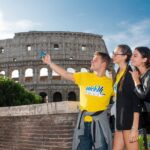
What makes this one work is the format. You’re in a small group (max 15), so you actually hear the stories and you can ask questions without being lost in the shuffle. The historian guide, Ben, is praised for making ancient remnants feel clear and vivid through storytelling that stays grounded in how scholars understand the evidence.
Expect a route that skips the usual “big two” and still hits major Roman landmarks. You’ll move from old temple ruins to an apartment-like dwelling site, then into theaters, markets, sewers, and end at the massive scale of Circus Maximus—Rome’s ancient showbiz and stadium energy, without the usual crush.
In This Review
- Key Highlights You’ll Care About
- A Rome Walk for People Who Want More Than the Forum
- Why this tour feels fresher than the usual sightseeing
- Meeting Points: Largo di Torre Argentina or Piazza Venezia
- Stop-by-Stop: Lesser-Known Ancient Rome in 2–2.5 Hours
- Largo di Torre Argentina: Temples in the middle of modern Rome
- Via delle Botteghe Oscure (and the buried-structure idea)
- Capitoline Hill: the power center
- Insula dell’Ara Coeli: a rare surviving apartment
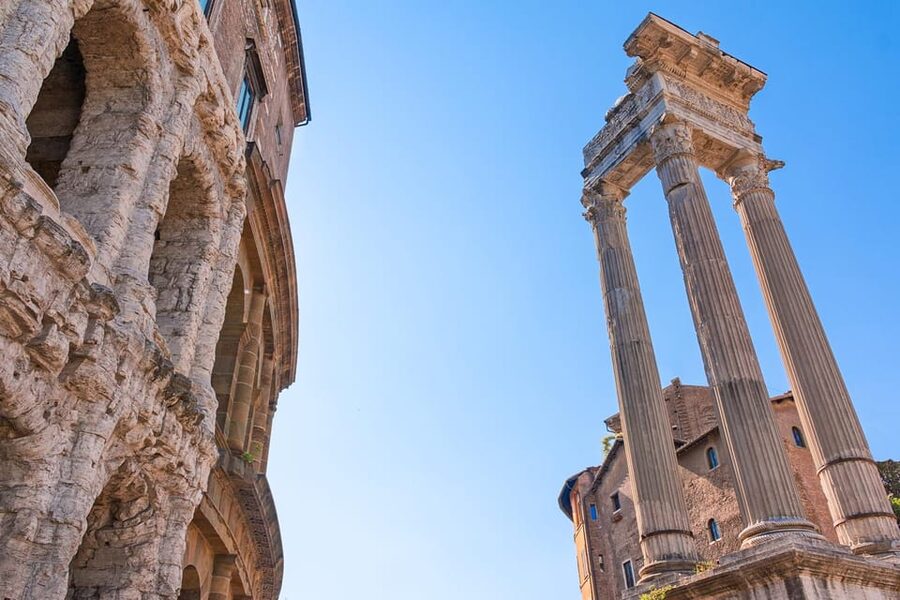
- Theatre of Marcellus: when the city performed
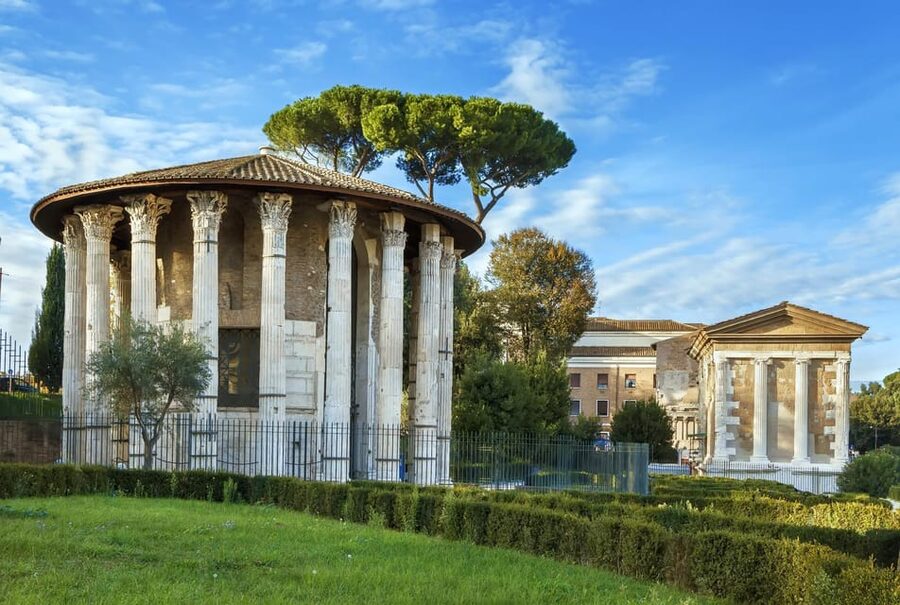
- Forum Boarium: market life in an ancient pocket
- Bocca della Verità: the stone mask that bites lies
- The archway and the oldest sewers idea: Cloaca Maxima remains
- Palatine Hill: the birthplace story
- Circus Maximus: imagine the noise
- Price and Value: What $28 Buys You in Rome
- Why the small-group size matters
- What the Stops Teach You About Daily Roman Life
- Weather, Shoes, and Timing: The Practical Stuff
- Food and drinks
- Duration and pace
- Who This Tour Suits (and Who Might Prefer Something Else)
- Should You Book This Rome Lesser-Known Ancient Rome Walking Tour?
- FAQ
- FAQ
- How long is the Rome walking tour?
- Where does the tour start?
- How big are the groups?
- Is the tour wheelchair accessible?
- What sites are included on the route?
- What should I bring?
- Is food included?
- Does the tour run in bad weather?
Key Highlights You’ll Care About
- Largo di Torre Argentina’s four temples and the Julius Caesar connection in a strange, open-air setting
- Insula dell’Ara Coeli for a rare look at everyday Roman housing
- Theatre of Marcellus with performance-city context you can feel in the structure
- Bocca della Verità for the famous “don’t lie” stone-mask moment and story
- Cloaca Maxima (oldest sewers remains) to see Rome’s engineering in outdoor view
- Circus Maximus to picture chariot-race crowds at the world’s largest stadium of its time
A Rome Walk for People Who Want More Than the Forum
If your Rome plan is already lined up for the Colosseum and Roman Forum, this is the smart add-on. It focuses on Ancient Rome in the same “you’re standing where it happened” way, but without the heaviest foot traffic.
What you get here is a different kind of wow. Yes, you see famous names—Capitoline Hill, Circus Maximus, Bocca della Verità—but the order and the emphasis push you toward daily life, city design, and lesser-visited monuments.
You can also read our reviews of more walking tours in Rome
Why this tour feels fresher than the usual sightseeing
Instead of just passing landmarks, you get short guided stops (about 10 minutes each) that build into a map of how Rome worked. The tour is designed like a story with scenes: religion and politics, homes and apartments, public entertainment, market life, infrastructure, and finally games and crowds.
That pacing matters. In 2–2.5 hours, you’re not doing a marathon, and you’re not rushed into “look-and-go” mode either.
Meeting Points: Largo di Torre Argentina or Piazza Venezia
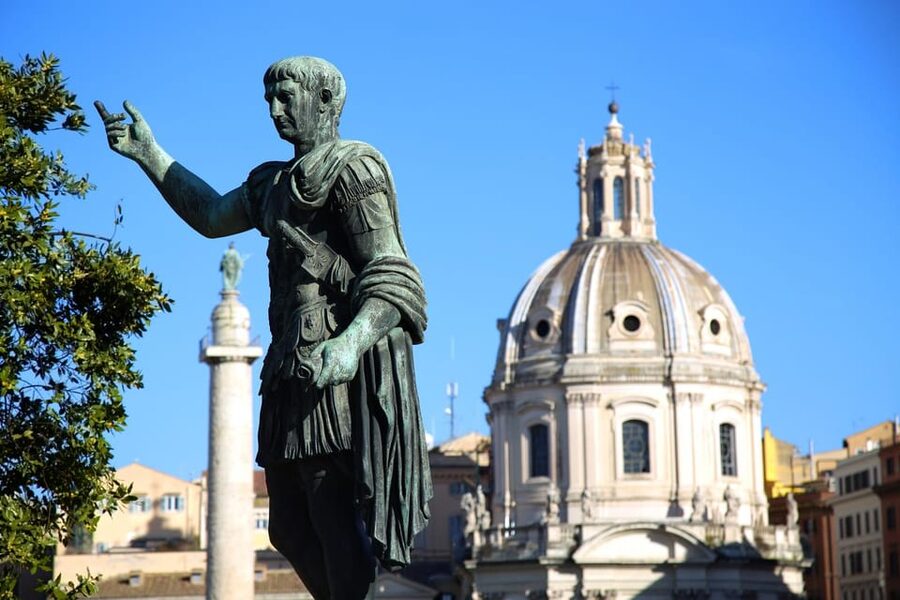
You’ll start at one of two options:
- Largo di Torre Argentina
- Piazza Venezia
The meeting point you choose affects where you begin your walk, but the core idea stays the same: you’ll start in Central Rome and then work through a route of lesser-known ancient sites. If you’re staying near the city center and want an easier start, picking the meeting point closest to you is the best move.
The tour ends at Circus Maximus. The activity listing says it ends back at the meeting point, but in practice, plan on finishing in the Circus Maximus area and then walking from there based on your next stop.
Stop-by-Stop: Lesser-Known Ancient Rome in 2–2.5 Hours
This tour is built around a straightforward sequence of landmarks. Each one has a guided explanation, so you’re not left guessing what you’re looking at.
Here’s the route in plain terms, plus what it means once you’re there.
Largo di Torre Argentina: Temples in the middle of modern Rome
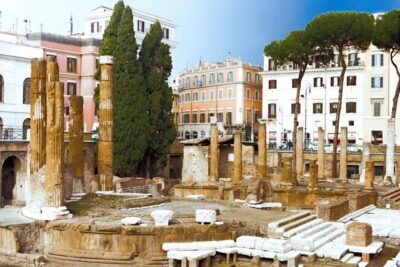
Your journey begins at Largo di Torre Argentina, where the remains of four ancient temples sit in an open city space that feels oddly hidden in plain sight. This is one of those places where the scale shocks you: you’re surrounded by everyday traffic and then—boom—ancient ruins that still command attention.
The story isn’t just architecture. This location is tied to the Julius Caesar assassination, so your guide can connect the religious/political power of the era to a moment that changed Roman history.
What you’ll like: it’s a strong start that breaks the “only museums” habit and gets you into Rome’s layer-cake city structure fast.
What to note: the ground here and nearby streets can be a bit uneven. Comfortable shoes are not optional.
Via delle Botteghe Oscure (and the buried-structure idea)
After that, you head along a route that leads to the kind of Roman archaeology that’s easy to miss if you’re just walking on your own. You’ll see ruins tied to a larger complex buried beneath later street levels.
This is one of the tour’s big strengths: it trains you to read Rome as a city built on top of itself. Even when you don’t get a full “inside the building” experience, you learn how the site fits into the bigger puzzle.
Capitoline Hill: the power center
Next comes Capitoline Hill, described as the heart of ancient Rome and one of its most revered hills. This is where you start to feel the political and religious center-of-gravity idea.
Your guide’s job here is crucial. Without explanation, it’s easy to look at viewpoints and ruins and think: nice view, next. With explanation, the hill turns into a map of authority.
Insula dell’Ara Coeli: a rare surviving apartment
Then you’ll visit Insula dell’Ara Coeli, an apartment-like dwelling site. This is valuable because it shifts your focus away from palaces and monuments and toward what the majority of people actually lived in.
Seeing an “insula” conceptually changes the whole way you picture Rome. Instead of imagining only elite life, you get a peek at ordinary housing in the empire’s urban rhythm.
Theatre of Marcellus: when the city performed
After that, the route moves to the Theatre of Marcellus, one of Rome’s impressive ancient theaters. The setting helps you picture public entertainment as part of daily life.
This stop is also great for learning how Roman public spaces functioned. A theater wasn’t just a building; it was a place where people gathered, where culture and politics could overlap, and where Rome’s identity showed up in one big event-style setting.
Forum Boarium: market life in an ancient pocket
You’ll also stop at Forum Boarium, which is tied to one of Rome’s important early areas. It’s the kind of location that’s often rushed if you only follow the biggest names.
Here, your guide can connect the site to everyday routines: movement of goods, people gathering, and city life that kept the empire running.
Bocca della Verità: the stone mask that bites lies
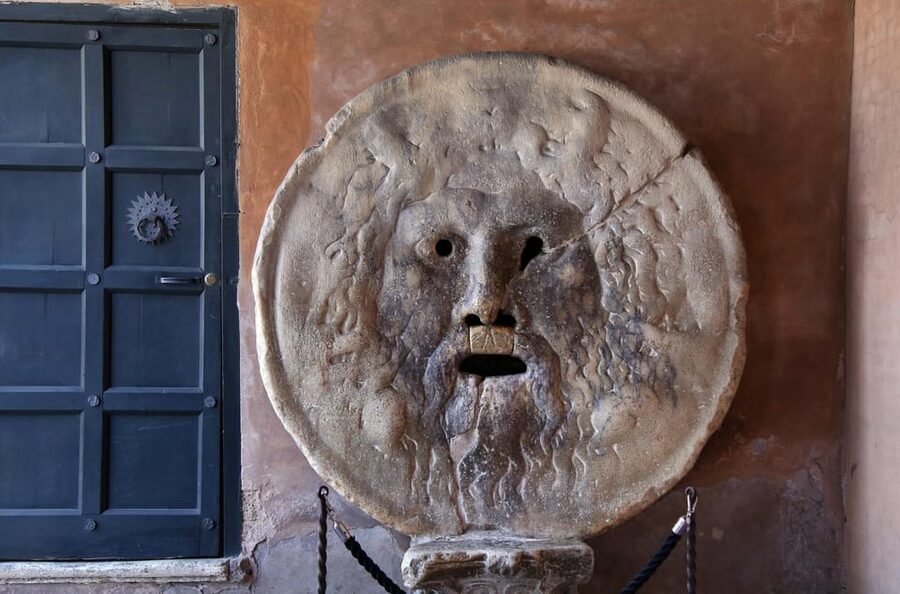
One of the most fun moments is Bocca della Verità. It’s a stone mask with the well-known rumor that it will bite off the hands of liars.
Even if you’ve heard the story before, it lands better with context. You’re not just taking a photo; you learn how myth and public culture lived alongside real public spaces.
The archway and the oldest sewers idea: Cloaca Maxima remains
Next, you’ll encounter a unique archway and the outdoor remains of the world’s oldest sewers. Rome’s engineering shows up in a way that feels practical rather than abstract.
It’s a reminder that Rome wasn’t only built with marble and ceremonies. It was also built to move water and manage sanitation. Standing there, you can understand why infrastructure mattered for an empire that needed to function at city scale.
Palatine Hill: the birthplace story
Then the tour heads to Palatine Hill, tied to the birthplace of Rome concept. Even if you know the broad legend, hearing it in this location helps you grasp why the myth attached itself here.
This is also where you’ll appreciate the tour’s pacing: you’re not hopping from stop to stop with zero time to absorb. You’re building a mental timeline of power, daily life, public culture, and then origin stories.
Circus Maximus: imagine the noise
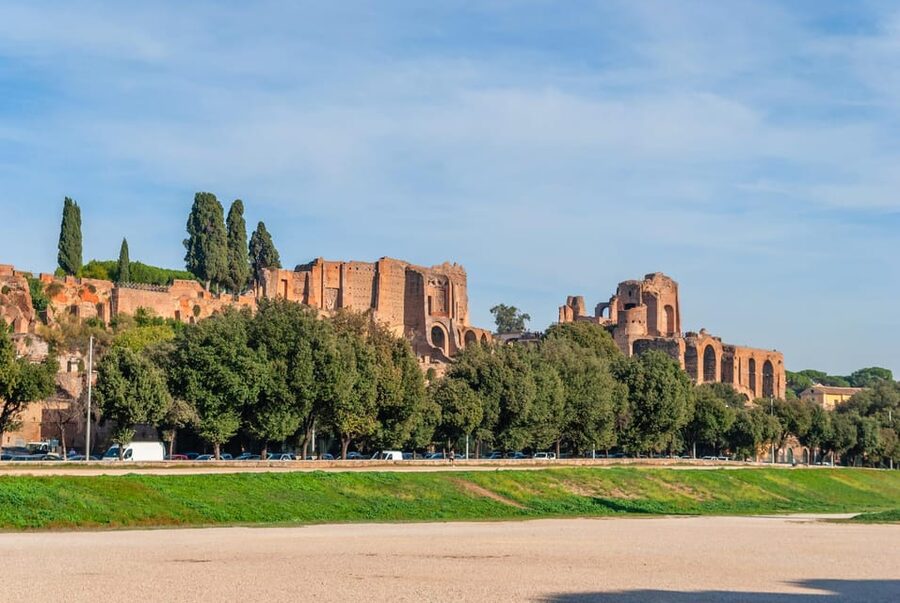
The final big stop is Circus Maximus, the sprawling remains of the largest stadium ever built. It’s hard to understand this place from a distance, but with the guide’s framing, you can picture chariot races and huge crowds gathering for spectacle.
This is a strong ending because it gives Rome its sound back. You start thinking about cheering, motion, and the “public event” feel that shaped how Romans lived.
Price and Value: What $28 Buys You in Rome
At $28 per person, this tour is priced like a solid, half-day street-school. You’re not paying Colosseum ticket money. You’re paying for a historian guide and a structured route through sites you’d likely miss or misunderstand on your own.
The biggest value component is the guide’s storytelling. The praise for Ben is consistent: he can put ruins into context with a flair for narrative while staying within classicist-style understanding. In plain terms, that means you don’t feel like you’re reading a sign; you’re hearing a story that explains what matters.
Why the small-group size matters
The tour runs with small groups of max 15. That size makes a difference in crowded Rome. You can hear the guide, and you’re not stuck behind a wall of shoulders every time you stop.
If you prefer more control, there’s also a private group option (up to 25). That can be a good fit for families or small groups who want a calmer pace and a bit more back-and-forth.
What the Stops Teach You About Daily Roman Life
A lot of Rome tours teach you names. This one tries to teach you how life worked.
Here’s how the itinerary supports that idea:
- Largo di Torre Argentina connects religion and politics to real historical rupture.
- Insula dell’Ara Coeli gives you a housing lens, so Rome feels like inhabited space, not just monuments.
- Theatre of Marcellus shows how public performance shaped social life.
- Forum Boarium adds the everyday economy angle.
- Cloaca Maxima remains proves infrastructure was a daily necessity, not just impressive engineering on paper.
That mix is what makes the tour worth doing even if you’ve already seen major hits. You end the walk with a more complete picture of how an empire functioned day to day.
Weather, Shoes, and Timing: The Practical Stuff
This tour runs rain or shine. Rome weather can swing quickly, so bring weather protection and expect puddles in low spots.
Your checklist is simple:
- Comfortable shoes
- Camera
- Sunscreen
- Water
In summer, it can get warm, and the tour recommends bringing a water bottle since there are fountains available for refills.
Food and drinks
Food and drinks are not included, but an optional break stop is offered. If you’re the type who needs a coffee break to stay human, plan a quick stop rather than expecting lunch.
Duration and pace
Expect 2 to 2.5 hours total. Each guided segment is listed as about 10 minutes, so the pace is active but not frantic. It’s a good length if you want to add something meaningful without burning your whole afternoon.
Who This Tour Suits (and Who Might Prefer Something Else)
This tour is a great fit if you:
- already know you’ll do Colosseum/Forum and want the missing pieces
- like archaeology explained in context, not just dates
- want a smaller group experience with time to actually listen
- enjoy myths and stories but also want the practical side of Roman life
It may be less ideal if you:
- hate walking on uneven city surfaces
- want long stays at one site (this tour is built for quick, guided scenes)
- need guaranteed indoor stops (it’s rain or shine, so you’ll be outside)
If you’re traveling with limited time, this one is efficient. If you’re traveling with a curious mind, it’s satisfying.
Should You Book This Rome Lesser-Known Ancient Rome Walking Tour?
Book it if you want Rome to feel human: religion and politics at Largo di Torre Argentina, apartments at Insula dell’Ara Coeli, performance at Theatre of Marcellus, market life near Forum Boarium, myth at Bocca della Verità, engineering at the oldest sewer remains, and then scale at Circus Maximus.
Skip it only if you’re chasing maximum “one landmark” time per hour. This tour wins on variety and explanation, not on staying planted at a single monument for long stretches.
FAQ
FAQ
How long is the Rome walking tour?
The tour lasts 2 to 2.5 hours, depending on the start time.
Where does the tour start?
You can start at either Largo di Torre Argentina or Piazza Venezia, depending on the option you book.
How big are the groups?
The group tour is limited to a maximum of 15 people. There is also a private option with up to 25 people.
Is the tour wheelchair accessible?
Yes, the tour is listed as wheelchair accessible.
What sites are included on the route?
The itinerary includes stops such as Largo di Torre Argentina, Capitoline Hill, Insula dell’Ara Coeli, Theatre of Marcellus, Forum Boarium, Mouth of Truth (Bocca della Verità), Palatine Hill, and Circus Maximus.
What should I bring?
Bring comfortable shoes, camera, sunscreen, and water.
Is food included?
No. Food and drinks are not included, though there is an optional break stop offered.
Does the tour run in bad weather?
Yes, it runs rain or shine, so plan for weather protection.