REVIEW · TOKYO
Asakusa: TOKYO SKYTREE Exploration after History Tour
Book on Viator →Operated by Arumachi · Bookable on Viator
Asakusa to Skytree in one afternoon. This tour stitches together Asakusa’s classic temple-and-gate sights with a smooth ticketed climb at Tokyo Skytree, so you spend less time figuring out what goes where.
I like two things right away: the guided walk gives you context at every stop (so Senso-ji and the shrine grounds make sense), and the Skytree combo tickets are included for both observation decks.
One consideration: the Skytree tickets can’t be changed or refunded once your date is set, and the short train ride between Asakusa and Skytree costs extra.
In This Review
- Key takeaways before you go
- Asakusa and Skytree, connected by real meaning
- The 1:30 pm flow and why the timing works
- Stop-by-stop: what you’ll actually see (and what it means)
- Sumida Park: why Japan’s isolation story is shown here
- Asakusa Culture Tourist Information Center: Buddhism and Shinto basics
- Kaminarimon: the gate, the dragons, and the symbolism
- Nakamise Shopping Street: symbols you can spot while you walk
- Hozomon: a surprising bridge between medieval thinking
- Senso-ji Temple: oldest temple energy with clear prayer guidance
- Asakusa Shrine: shared grounds for Shinto and Buddhism
- Tokyo Skytree: two decks, then real time to explore below
- What makes the guiding strong (and why you’ll feel it at each stop)
- Price and logistics: is it good value?
- Who this tour fits best
- Should you book this Asakusa + Skytree tour?
- FAQ
- How long is the Asakusa and Tokyo Skytree tour?
- What time does the tour start?
- Where do I meet the guide, and where does the tour end?
- What tickets are included for Tokyo Skytree?
- Is the train fare included?
- Does the tour provide headsets?
- Is it a small group tour?
- Is the tour cancellable or refundable?
- Is this tour suitable for most people?
Key takeaways before you go
- Small group (up to 8 people) means it feels easier to ask questions and keep a steady pace
- Headsets for groups of 3+ help you hear the guide even while walking
- Upper and lower deck tickets included so you don’t scramble later
- Asakusa stops are “meaning first” (religion, symbols, and the stories behind what you see)
- End at Skytree with shopping time so the skyline moment has a practical payoff
Asakusa and Skytree, connected by real meaning
Asakusa is one of those Tokyo areas where the physical places are only half the story. The other half is why they matter—how Shinto and Buddhism are explained, why symbols show up on shop signs and amulets, and how the past connects to what you’re looking at today. This tour uses a walking route that keeps that meaning close at hand instead of turning your visit into a checklist.
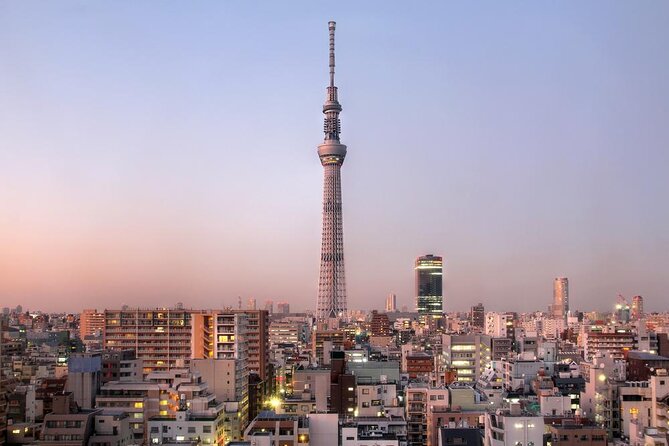
Then you cap the day with Tokyo Skytree. If your Tokyo plan only includes big-city views, you’ll miss how a place like Skytree fits into an older neighborhood nearby. Here, you go from gates and incense to glass-and-steel city views, with a guide bridging the gap so the contrast feels intentional rather than random.
You can also read our reviews of more historical tours in Tokyo
The 1:30 pm flow and why the timing works
The tour starts at 1:30 pm near Kaminarimon, then ends at Tokyo Skytree. Total time is about 3 hours 30 minutes, which is a sweet spot: long enough to see the major Asakusa highlights without feeling rushed, and short enough that you still have energy afterward for dinner.
The order matters. You get the “orientation” phase first—river, religions, and what the key gates/temples represent—then you move into the shopping and prayer spaces. Finally you ride over to Skytree for the views and time to browse.
Stop-by-stop: what you’ll actually see (and what it means)
Sumida Park: why Japan’s isolation story is shown here
Your first stop is Sumida Park along the Sumida River. Instead of treating the river as scenery only, the guide frames it with history: why the Edo shogunate sealed Japan for more than 200 years and how the Netherlands had a special relationship during that period.
Why this helps: it gives you a reason to look at the riverfront beyond photos. You’ll start noticing that Asakusa sits inside a long timeline, not a frozen-in-time postcard.
Asakusa Culture Tourist Information Center: Buddhism and Shinto basics
Next you visit the Asakusa Culture Tourist Information Center, where the guide lays out the foundation for the two major religions you’ll meet in this area: Buddhism and Shinto. This is the part that pays off later when you’re standing in front of temple halls and shrine spaces.
A practical note: this stop is short, around 20 minutes, so use it to ask questions if anything is unclear. Even a quick clarification about prayer practices or sacred spaces can change how you experience the rest of the walk.
Kaminarimon: the gate, the dragons, and the symbolism
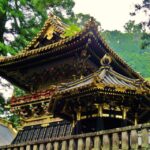
At Kaminarimon, Asakusa’s iconic gate, you’ll learn about the dragon imagery and why the Japanese dragon story differs from a Western one. It’s a clever way to reset your expectations: you’re not only looking at something old—you’re learning how culture shapes meaning.
This is also where you’ll see why Asakusa is popular. The gate is instantly recognizable, but your guide helps you see it as a symbol with reasons, not just a photo stop.
Nakamise Shopping Street: symbols you can spot while you walk
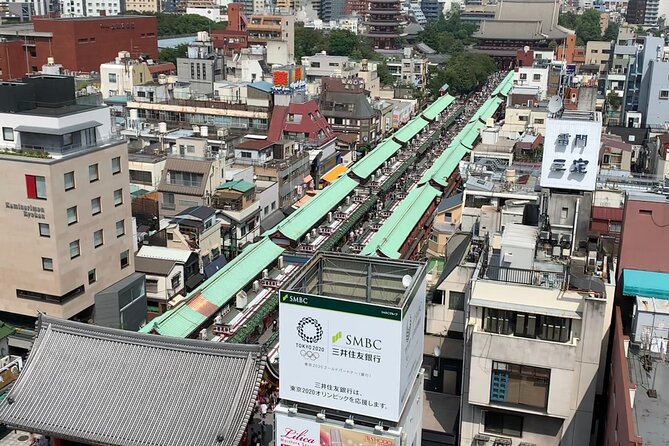
From Kaminarimon you head into Nakamise Shopping Street (about 40 minutes). It’s one of the area’s best stretches for window-shopping and snacks, but the tour doesn’t treat it like pure retail.
You’ll hear about Buddhist symbols like the vajra (tokko), and how ukiyo-e woodblock prints had a world-changing impact. That matters because many of the products around you are tied to those same ideas—amulets, souvenirs, paper goods, and temple-themed items.
If you like to buy small things that have a story, this is a good time. If you’re trying to avoid impulse purchases, you’ll still enjoy the walk because you’ll know what to notice instead of feeling dragged into every shop window.
Hozomon: a surprising bridge between medieval thinking
Then comes Hozomon. This is where the guide brings up an interesting comparison: people in Japan and the West had remarkably similar ways of thinking about 1,000 years ago.
Is it a “right or wrong” debate? You’ll decide. But as a travel experience, it works because it makes the tour more than local-only context. It gives you a mental model that helps you compare places without flattening them.
Senso-ji Temple: oldest temple energy with clear prayer guidance
At Senso-ji Temple, you get Tokyo’s oldest Buddhist temple. The guide also frames comparisons between medieval Japan and Europe, plus an explanation of how prayer differs between Buddhism and Shinto.
This is where the tour earns its “feel-it” factor. When you understand what you’re seeing—how people approach prayer and what the rituals signal—you’re less likely to treat it like a stage set. You’ll also be more respectful because the guide helps you decode the behavior you’re watching.
In feedback, guides like Taka and Keiko are specifically noted for handling prayer respectfully, including timing around moments of worship. Even if you’re not religious, you’ll likely appreciate how careful the tour can be here.
Asakusa Shrine: shared grounds for Shinto and Buddhism
The walk ends at Asakusa Shrine, with its distinctive setup: a Shinto shrine and a Buddhist temple sharing the same grounds, worship, and history for over a millennium.
This final walking stop is more than dramatic architecture. It’s a practical lesson in how Japanese sacred spaces can overlap. You’ll likely leave with a clearer sense of why the neighborhood feels spiritually layered without feeling chaotic.
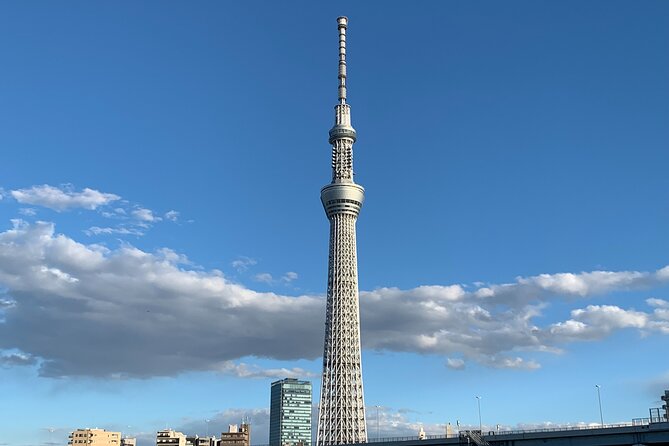
Tokyo Skytree: two decks, then real time to explore below
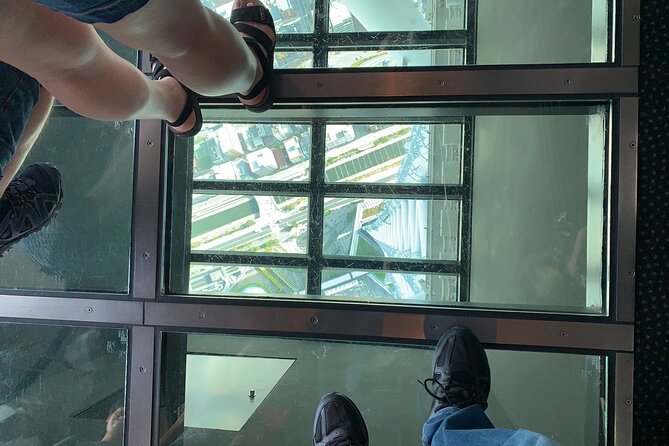
After Asakusa, you take the train to Tokyo Skytree. The tour uses a simple transfer: train fare of JPY160 from Asakusa Station to Tokyo Skytree Station is not included, but the rest is handled. Once there, you go up the upper and lower observation decks using the included combo tickets.
The big benefit of including both decks is choice. Lower deck views can give you a broader sweep and quick photo angles, while the upper deck often feels more dramatic as you look deeper into the city’s geometry. You’ll get a full 1 hour at Skytree area, plus time for shopping and dining below.
One small strategy: if you care most about photos, go during the part of the visit when lines feel manageable. The tour gives you time, but you still want to be ready to move when you see openings.
What makes the guiding strong (and why you’ll feel it at each stop)
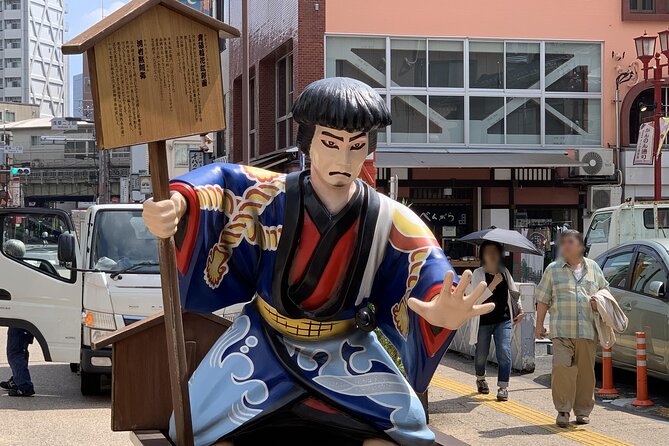
This experience runs as a small group with a maximum of 8 travelers, which matters more than you might think. With a group that size, you don’t have to speed-walk to keep up with a crowd. You also get more back-and-forth when you’re curious about a symbol, a gate detail, or a religious practice.
Headsets are included for groups of 3 or more, which helps in a crowded setting. It’s a simple inclusion, but it changes the tour from “I’m trying to read signs” into “I can actually listen.”
The guide quality shows up in the names that appear in feedback: Taka, Junko Yamashita, Sue, and Keiko. Common themes from their guidance include friendliness, strong English, and the ability to answer questions without rushing people. One detail I liked from the descriptions: the pace is described as calm rather than forced, so you aren’t constantly looking at your watch.
If you’re the type who asks why things work the way they do—why dragons are drawn differently, why prayers differ, why icons appear on shop items—you’ll likely feel the tour was built for you.
Price and logistics: is it good value?
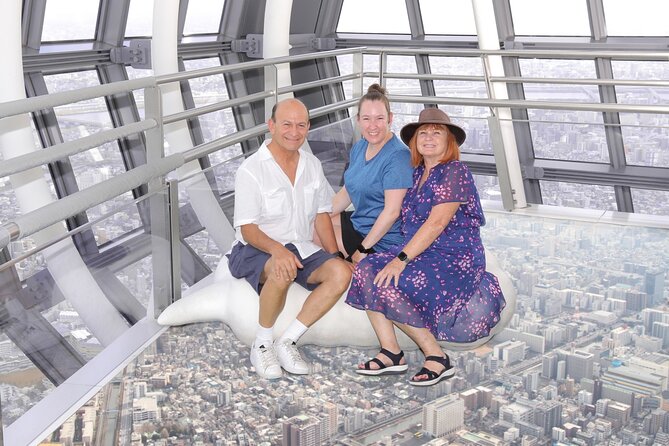
At $118.24 per person for about 3.5 hours, this isn’t the cheapest option, but it’s not a luxury price either. The value hinges on two things that are actually useful:
1) Skytree tickets are included for both upper and lower observation decks. If you’re trying to build a budget where you buy tickets on your own, you’ll feel the savings quickly.
2) You’re paying for local guidance through several high-impact sights in one go, including religion and symbolism that you might otherwise miss if you’re just wandering.
What costs extra:
- Train fare (JPY160) for the ride from Asakusa to Tokyo Skytree Station
- Anything you choose to buy or eat along the walk (Nakamise Shopping Street is where spending temptations live)
What’s not part of it:
- No hotel pickup or drop-off
- You meet at 2-chōme-20-6 Kaminarimon, Taito City and end at Tokyo Skytree
There’s also a planning reality worth knowing: Skytree entry tickets sell quickly, and the tour locks the ticket date once purchased. That means if your schedule changes, your flexibility can be limited.
Who this tour fits best
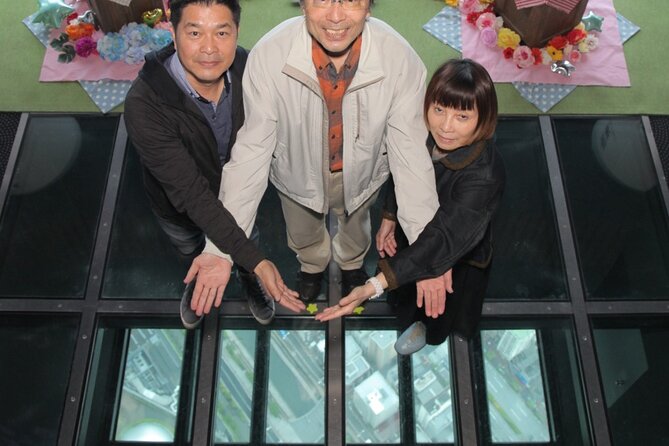
You’ll probably enjoy this most if:
- You want a guided Asakusa that explains what you’re seeing, not just where it is
- You care about religion and symbolism—Buddhism, Shinto, prayer differences, and why certain motifs show up
- You want the Skytree viewpoint without buying tickets last minute
- You like a calm pace and smaller groups, with time for shopping afterward
It may be less ideal if:
- You want a totally free-form day where you control every minute
- You’re extremely schedule-sensitive and can’t risk a fixed date for observation deck tickets
- You’re traveling with a tight budget and prefer to pay for viewpoints on your own
Should you book this Asakusa + Skytree tour?
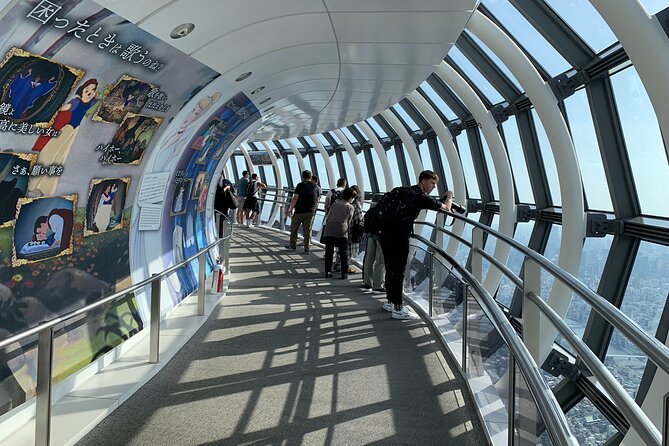
I’d book it if you want one afternoon that does two jobs well: teaches you how Asakusa’s sacred spaces connect, then rewards that context with a real skyline view at Skytree. The included observation deck tickets make the plan feel grounded, and the small-group format keeps it from turning into a rushed factory tour.
Don’t book it blindly if you’re the kind of traveler who needs total flexibility. Since the Skytree tickets are tied to the date once secured, you’ll want confidence in your schedule.
If you do book, go in with a simple mindset: slow down at gates and temples, ask questions at the culture center, and treat Nakamise as a place to notice symbols while you browse. That’s when the tour stops being sightseeing and starts feeling like Tokyo, understood.
FAQ
How long is the Asakusa and Tokyo Skytree tour?
It runs for about 3 hours 30 minutes.
What time does the tour start?
The start time is 1:30 pm.
Where do I meet the guide, and where does the tour end?
You meet at 2-chōme-20-6 Kaminarimon, Taito City, Tokyo 111-0034, Japan, and the tour ends at Tokyo Skytree1-chōme-1-2 Oshiage, Sumida City, Tokyo 131-0045, Japan.
What tickets are included for Tokyo Skytree?
The tour includes Tokyo Skytree combo tickets for both the upper and lower observation decks.
Is the train fare included?
No. Train fare of JPY160 from Asakusa Station to Tokyo Skytree Station is not included.
Does the tour provide headsets?
Yes. Headsets are included for groups of 3 or more so you can hear the guide clearly.
Is it a small group tour?
Yes. The tour has a maximum of 8 travelers.
Is the tour cancellable or refundable?
No. The experience is non-refundable and cannot be changed for any reason, and Skytree tickets can’t be changed once purchased.
Is this tour suitable for most people?
Most travelers can participate, and the meeting location is near public transportation.