Hyderabad has a walkable story.
This 9.5-hour heritage day is built around a simple idea: you get a local guide’s explanations plus smooth hotel pickup and drop-off in a private car, so you can spend your time on the sights instead of figuring out transport. You’ll move between major landmarks and a couple of spots that feel more local than typical big-city checklists.
I love the focus on heritage sites tied to Hyderabad’s 16th-century roots, from Chilkur Balaji to the Qutb Shahi Tombs. I also like that the price covers lunch and the on-site admission tickets, so you’re not constantly doing math mid-day.
One practical consideration: drinks aren’t included, so plan to buy water (and whatever else you need) during the day.
In This Review
- Key highlights that make this tour work
- 9:00 am start, private car pacing, and a lunch you’ll actually appreciate
- Stop 1: Chilkur Balaji Temple and the visa-wish tradition
- Stop 2: Taramati Baradari’s music hall and the Abdullah Qutub Shah connection
- Stop 3: Qutb Shahi Tombs, Golconda memories, and Ibrahim Bagh gardens
- Stop 4: Birla Mandir and the Venkateswara focus (with other shrines inside)
- Stop 5: Hussain Sagar Lake—built in 1563 and still the city’s centerpiece
- The real value: private transport + guide storytelling + admissions + lunch
- Guides, stories, and what you should expect from the explanations
- Who this tour is best for (and who might want a different plan)
- Price and logistics: what to budget in practice
- Should you book this Hyderabad heritage day?
- FAQ
- How long is the Hyderabad city tour?
- What time does the tour start?
- What is included in the price?
- Are drinks included with lunch?
- Is this tour private or group?
- Where is the pickup from?
- Do I need admission tickets for the stops?
- Is there a mobile ticket?
- What is the cancellation policy?
- Is the tour suitable for most travelers?
Key highlights that make this tour work
- Chilkur Balaji Temple’s visa-wish ritual: a very specific local tradition tied to Lord Venkateswara devotees
- Taramati Baradari’s music hall acoustics: you’re seeing a space designed for performance, not just sightseeing
- Qutb Shahi Tombs and Ibrahim Bagh gardens: architecture plus landscaped gardens, arranged for a slow look
- Birla Mandir’s multi-deity setup: Venkateswara as the main focus, with other shrines inside the same complex
- Hussain Sagar Lake’s scale and history: an artificial lake created in 1563, with a signature monolith attraction
9:00 am start, private car pacing, and a lunch you’ll actually appreciate
This is a “full day, but not a suffering-through-it” kind of tour. You start at 9:00 am, with pickup from your Hyderabad hotel and return at the end of the day. The longish duration (about 9 hours 30 minutes) sounds like a lot until you realize the plan is paced by stops where you can spend real time—mostly around an hour per site—rather than doing a quick drive-by and moving on.
The private car matters more than you might think. Hyderabad can be busy and distances add up fast. With a vehicle reserved for your group, you lose less time to logistics and more time to the actual places you came for.
And then there’s lunch. It’s included, and that’s a big value lever in Indian city touring. You’re not chasing a restaurant between major stops, and you’re less likely to end up paying tourist prices for something you didn’t really want.
You can also read our reviews of more guided tours in Hyderabad

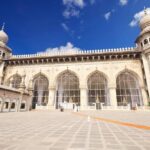
Stop 1: Chilkur Balaji Temple and the visa-wish tradition
Chilkur Balaji Temple is the kind of place that slows the day down in a good way. It’s dedicated to Lord Venkateswara, and it’s known for fulfilling what devotees call visa wishes for going abroad. The ritual is described as having a specific procedure, which is exactly the point: you’re not just looking at a temple, you’re watching (or hearing about) a living practice.
If you care about cultural meaning, this stop delivers fast. You’ll get a clear reason why people come here and what they do when they arrive. That makes the temple feel different from a generic “nice building” moment.
One small caution: this is still a devotional site. Dress respectfully and plan for a bit of walking and waiting depending on how busy it is. Because the tour includes admission for this stop, you’re not worrying about separate tickets—just show up and follow your guide’s pace.
Stop 2: Taramati Baradari’s music hall and the Abdullah Qutub Shah connection
After the temple, the mood shifts to arts and performance at Taramati Baradari. This is described as a remarkable music hall with unbelievable acoustics, and that detail is worth keeping in mind while you’re there. Even if you don’t catch a performance, the space itself is designed for sound to travel and carry.
The site is also tied to history through its names and connections to Taramati, who was the favorite dancer of Abdullah Qutub Shah, noted as the 7th Sultan. That’s a useful anchor: you’re not only hearing about an architectural feature, you’re hearing how court life and culture shaped the places people built.
Drawback? The experience here can feel more architectural and historical than spiritual. If you’re hoping for a hands-on, interactive moment, you might find this stop is more about understanding the role of performance spaces than doing anything physical.
Stop 3: Qutb Shahi Tombs, Golconda memories, and Ibrahim Bagh gardens
Now you move into one of the most satisfying parts of the day: Qutb Shahi Tombs. These were erected in memory of the old kings of Golconda, and the visuals are classic Sultan-era design: arches, columns, domes, and minarets, with galleries and gardens woven into the layout.
The gardens called Ibrahim Bagh are a big part of why this stop lands. A lot of tomb complexes are just stone and shade. Here, you get the sense that the creators planned for both cooling off and lingering. That’s great for your pace—especially on a full-day tour—because it lets you slow down without feeling like you’re “stalling.”
What makes this stop valuable for first-timers is that it gives you context. Once you understand the Qutb Shahi legacy, the rest of Hyderabad’s history feels less like random monuments and more like a connected story.
Stop 4: Birla Mandir and the Venkateswara focus (with other shrines inside)
Birla Mandir brings you into a different style of sacred space. It’s dedicated to Lord Venkateswara (an incarnation of Vishnu), but the temple complex also worships Shiva, Ganesha, Hanuman, and Sai Baba.
That multi-shrine setup matters because it gives you a sense of how Hindu practice can be both focused and shared. You’re not only seeing one god’s imagery—you’re seeing a place where devotion overlaps. It’s also a helpful reset after the more heavy-historical tomb stop, because it feels more current and active.
Plan for a calm visit. Temples like this are usually best experienced when you don’t rush photos and you let the quiet moments land.
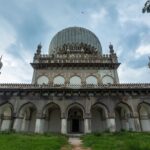


Stop 5: Hussain Sagar Lake—built in 1563 and still the city’s centerpiece
Finishing at Hussain Sagar Lake is smart. It’s described as Asia’s largest artificial lake, built by Ibrahim Quli Qutub Shah in 1563. That date alone tells you why this is more than a scenic stop: the lake is part of the city’s planning story.
The highlight is the world’s largest monolith attraction associated with the lake. Even if you don’t obsess over the exact details, you’ll feel why it became the signature feature. It’s the kind of landmark that becomes a reference point for the whole city’s geography.
This stop also works as a “cool-down” before the final ride back to your hotel. A lake area can be breezier than temple courtyards, and the walk is easier to pace.
The real value: private transport + guide storytelling + admissions + lunch
When you compare what you get against the price ($133.34 per person), the math is mostly about what’s included:
- hotel pickup and drop-off
- private transportation
- a local guide
- lunch
- admission tickets for the stops
- all taxes and fees
- mobile ticket
The biggest value play here is the private car paired with admissions and lunch. If you attempted to do the same day on your own, the costs would creep up quickly: multiple entrances, hiring drivers for hop-to-hop travel, and the time you’d spend figuring it out.
Also, the fact that it’s designed for a group on one day helps. You’re not switching between agencies or piecing together different tours. Your guide carries the thread from one site to the next.
Guides, stories, and what you should expect from the explanations
The tour leans on guide interpretation, and you’ll feel the difference depending on who you get. In the positive feedback, guides like Mr. Srinu Arvapalli, John, Sainath, and Azam are called out for making the day click—explaining history and culture and even steering people toward good food (like biryani).
One important balance note: there’s also a caution from one experience where the storytelling was enjoyed, but some details were questioned as inaccurate. I’d treat the guide’s narrative as a great way to understand the sites, not as your only source for very specific facts. If you’re the kind of traveler who loves checking details, keep a friendly mindset and enjoy the broader themes.
Who this tour is best for (and who might want a different plan)
This tour is a strong fit if you:
- have limited time in Hyderabad and want a structured heritage circuit
- like history explained in plain language while you walk between key sites
- want fewer decisions during the day (transport, lunch, and admissions are handled)
It’s also a good option if you’re not traveling with a friend who can coordinate drivers and ticket lines.
You might consider a different approach if you:
- prefer slower, deeper visits to one or two places instead of five stops
- want minimal guidance and maximum independent roaming
Price and logistics: what to budget in practice
The sticker price is $133.34 per person, but it’s not just a “guide fee.” Your ticket includes lunch, admission tickets at each stop, and private transportation with pickup and drop-off. That’s why it can feel cost-effective for a first big day in town.
Just remember the one gap: drinks aren’t included. Bring a plan for water, and expect to spend a little extra on personal items (snacks, bottled water, sun protection).
Should you book this Hyderabad heritage day?
Yes, if you want a well-shaped day that connects Hyderabad’s landmarks to a broader story. The combination of Chilkur Balaji Temple’s ritual meaning, the performance history at Taramati Baradari, the architectural calm of Qutb Shahi Tombs, and the city-scale finish at Hussain Sagar Lake gives you variety without chaos.
Book it particularly if you value convenience: pickup, private car pacing, lunch included, and admissions taken care of. If you’re picky about tiny historical details, go anyway—but enjoy the explanations for their big-picture value and don’t treat every line like a textbook.
If you tell me your travel dates and where you’re staying in Hyderabad, I can suggest a smart way to pair this with other nearby sights so you’re not backtracking.
FAQ
How long is the Hyderabad city tour?
The tour runs for about 9 hours 30 minutes.
What time does the tour start?
Pickup and start time is at 9:00 am.
What is included in the price?
The tour includes lunch, a local guide, hotel pickup and drop-off, private transportation, all taxes/fees, and admission tickets for the listed stops.
Are drinks included with lunch?
No. Drinks are not included.
Is this tour private or group?
It’s a private tour/activity, so only your group participates.
Where is the pickup from?
Pickup is offered from your Hyderabad hotel.
Do I need admission tickets for the stops?
Admission tickets are included for each of the stops listed in the itinerary.
Is there a mobile ticket?
Yes, the tour uses a mobile ticket.
What is the cancellation policy?
Free cancellation is available. You can cancel up to 24 hours in advance for a full refund.
Is the tour suitable for most travelers?
Most travelers can participate, and the meeting point is near public transportation.