REVIEW · CHARMINAR
Hyderabad: Heritage Walking Tour of Old City and Charminar
Book on GetYourGuide →Operated by 5 Senses Tours · Bookable on GetYourGuide
Charminar turns a stroll into a story. On this heritage walking tour, I like how the route links Nizam-era power to everyday life in the lanes, and I like that you get an English-speaking guide who explains what you’re seeing instead of just naming places.
One heads-up: this is a proper walking route and it’s not suitable for mobility impairments, plus Friday changes can affect the palace stop.
In This Review
- Key highlights worth planning for
- A 3–3.5 hour old-city walk that actually makes sense
- Price and value: what $46 buys you in real terms
- Where the tour starts: meet right at Charminar
- Charminar: the 1591 monument and the escape-tunnel legend
- Mecca Masjid: old foundations and room for more than 10,000
- The bazaar stretch: bangles, perfumes, lace, and a historic clock tower
- Moti Mahal: palace spaces turned into modern hospital care
- Other palace stops: the pillars and the visual grammar of power
- Chowmahalla Palace: carvings, chandeliers, vintage cars, and the durbar hall
- What changes on Fridays
- The guide factor: why the stories matter as much as the monuments
- Comfort and logistics that make the walk smoother
- Should you book this Hyderabad heritage walking tour?
- FAQ
- What’s the duration of the Hyderabad Old City and Charminar heritage walking tour?
- How much does the tour cost?
- Where do I meet the guide?
- What major places will we visit?
- Is Choumahalla Palace open every day?
- Is the guide available in English?
- What’s included in the price?
- Is hotel pickup available?
- What should I bring for the walk?
- Is the tour suitable for people with mobility impairments?
- Is there free cancellation?
Key highlights worth planning for
- Charminar (1591): a monument tied to a plague-era legend and the city’s self-image
- Mecca Masjid scale: built on a Qutub Shahi foundation with room for huge prayer gatherings
- Bazaars with a purpose: bangles, perfumes, lace, bridalwear, plus time near a historic clock tower
- Chowmahalla Palace details: carvings, glass chandeliers, vintage cars, and the grand durbar hall
- Friday swap: Choumahalla Palace is closed on Fridays, so you’ll visit Badshahi Asoorkhana instead
A 3–3.5 hour old-city walk that actually makes sense
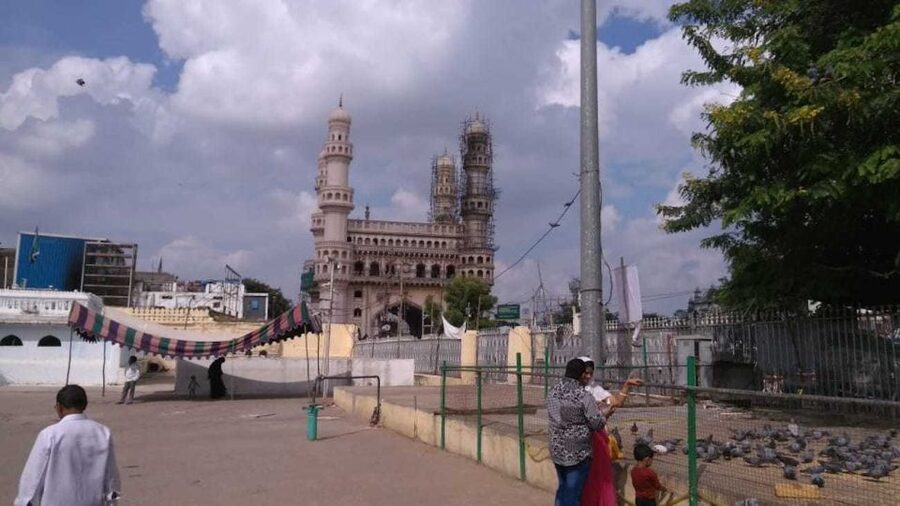
Hyderabad’s Old City is the kind of place where landmarks matter, but the lanes around them matter more. This tour works because it connects big sights like Charminar and Mecca Masjid with the markets and palaces that gave them meaning.
It’s timed well for a first visit: long enough to get beyond the photo spots, short enough that you’re not stuck walking until your feet start making decisions without you. At about 3 to 3.5 hours, you’ll cover the core cluster of sights without feeling dragged from one end of town to the other.
Price and value: what $46 buys you in real terms
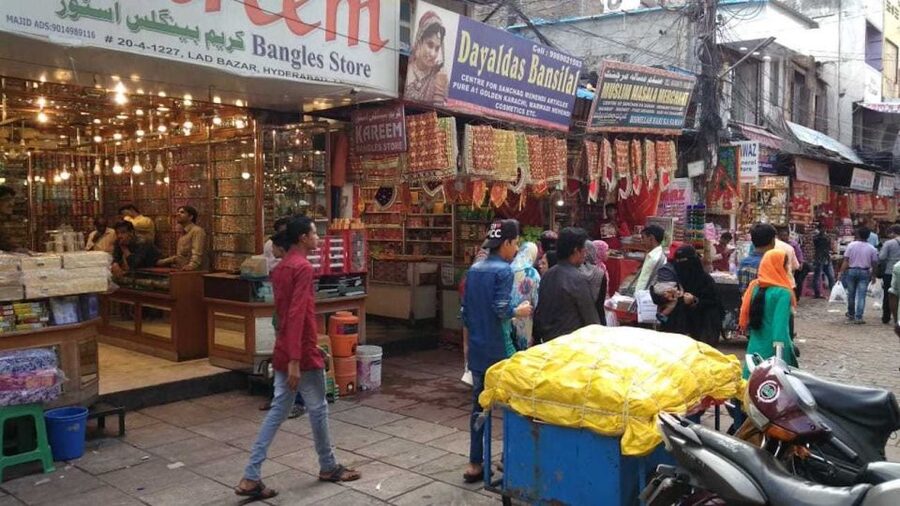
At about $46 per person, you’re paying for three things that add up fast in India: a trained English-speaking guide, entrance charges, and light refreshments. For an Old City day, that’s the value math—entry tickets and guided context can cost you more if you try to piece it together on your own.
You’ll also save time on direction. The Old City streets are easy to overthink, especially when you’re trying to hit specific monuments in order. A guide keeps the flow logical, and you get help understanding why each stop fits into the larger Nizam-era story.
If you’re the kind of visitor who likes to do one smart walking outing instead of several half-finished ones, this price typically feels fair for what you cover.
Where the tour starts: meet right at Charminar
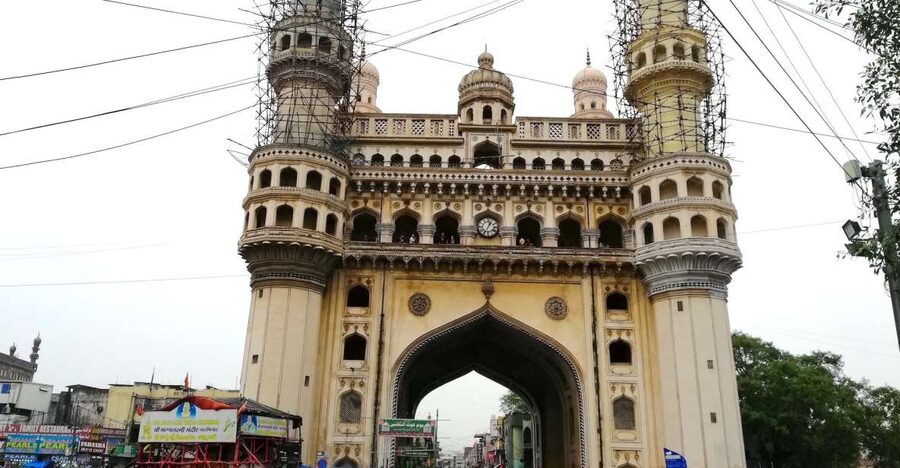
You’ll meet your guide outside the Charminar entrance at Charminar Rd, Char Kaman, Ghansi Bazaar, Hyderabad (Telangana 500002). The location is easy to reach by Uber or public transport, which helps if you don’t want to plan a complicated pickup route.
Starting at Charminar is a smart move because it’s the visual center of the area. From there, your guide can set the rhythm—market lanes first, then mosques and palaces—so you don’t just bounce between points on a map.
Charminar: the 1591 monument and the escape-tunnel legend
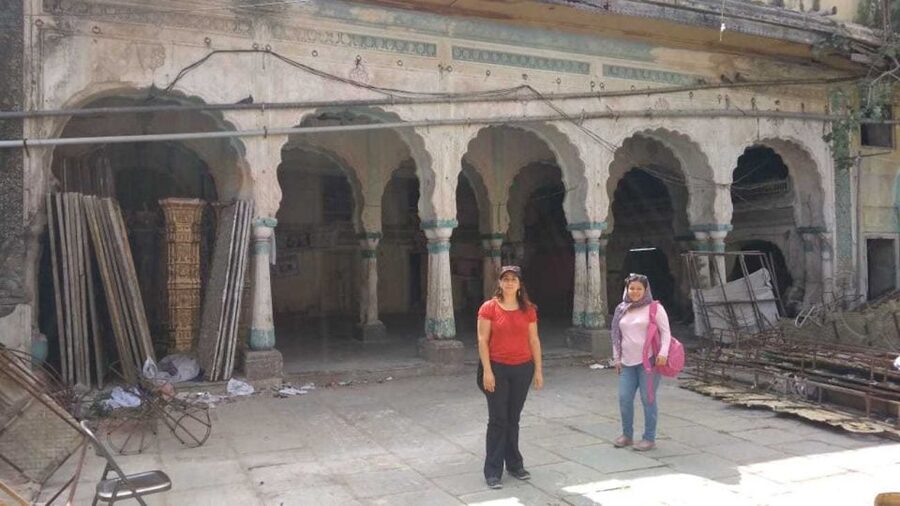
Charminar isn’t just a pretty skyline landmark. It’s tied to the city’s memory of hardship—built in 1591 to commemorate the end of a deadly plague attack—and your guide will connect that symbolism to why it became a civic anchor.
Expect the storytelling to include local legends too, including a claim about a secret tunnel under Charminar that connected to Golconda Fort. Legends shouldn’t replace facts, but they do tell you what people wanted the monument to represent: protection, survival, and escape when the powerful had to move fast.
Also, pay attention to the surroundings. The monument sits inside a working neighborhood, so you’ll see how a major symbol lives alongside regular commerce.
Mecca Masjid: old foundations and room for more than 10,000

Next comes Mecca Masjid, one of the oldest and largest mosques in India. The foundation story matters here: the foundation stone was laid by Muhammad Quli Qutub Shah, and the bricks are said to have been made from soil sourced from Mecca.
This is the part of the tour where scale hits. The mosque can hold more than 10,000 people during prayers, and that helps you understand why it became a hub for religious life, not just architecture fans.
A practical tip: plan for crowds around a major mosque area. Even without a festival, this part of the city moves with purpose.
The bazaar stretch: bangles, perfumes, lace, and a historic clock tower
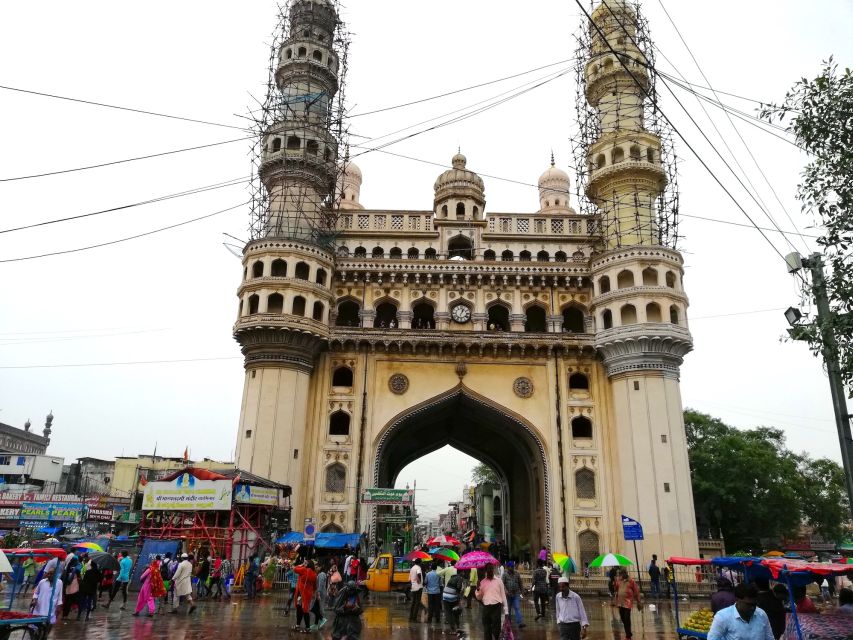
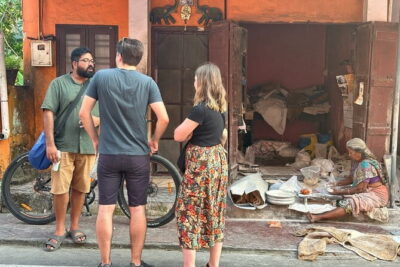
Between the big monuments, you’ll walk through market lanes full of everyday details. You’ll pass stalls and storefronts selling things like bangles, perfumes, laces, and bridalwear, which gives you a feel for what the Old City economy is built on.
There’s also a stop around a historic clock tower—designed as a gift to local people at a time when wristwatches and many wall clocks weren’t common. It’s a small detour, but it’s exactly the kind of detail you’d miss on your own.
One thing I appreciate in the setup: you get to look and understand, without needing to force yourself through shopping. In fact, guides in this tour style typically ask politely if you want to browse, and they don’t try to push you into buying.
Moti Mahal: palace spaces turned into modern hospital care
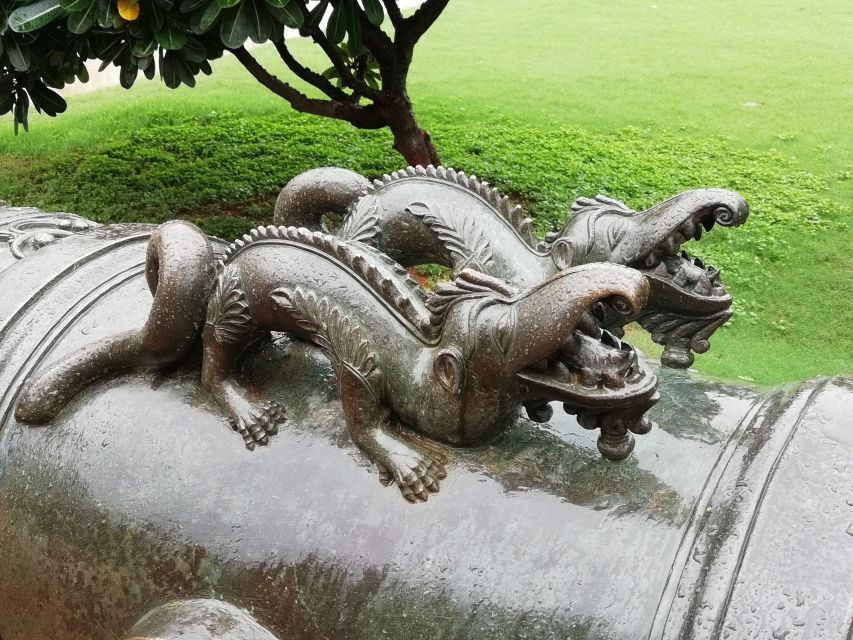
You’ll pass Moti Mahal, which used to be part of the Nizams’ palace world. Since 1969, it has served as a homeopathic hospital, so the building becomes a reminder that old structures didn’t vanish—they adapted.
This stop is worth it because it changes how you see the area. A lot of tours treat palaces as museum pieces. Here, the building is still in use, which makes the Old City feel more like a lived environment and less like a set.
If you like architecture, look for the contrast between what the space was meant to represent and what it does today—healing instead of ceremony.
Other palace stops: the pillars and the visual grammar of power
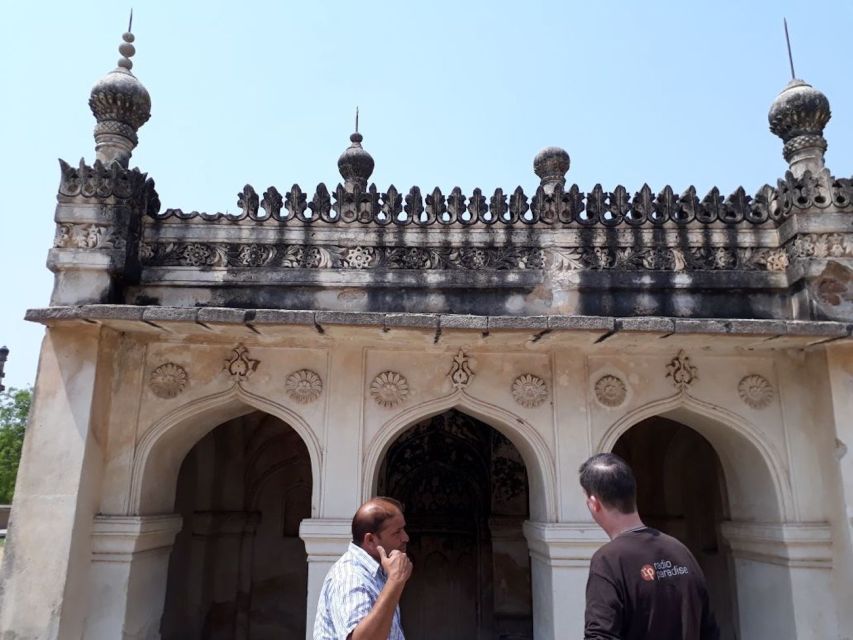
As the walk turns toward the palace zone, you’ll notice what the Nizams used design for: authority you could see.
Your route includes viewing Asman Garh Palace, where you’ll spot Corinthian pillars, and also the Palace of Khurshid Jah Bahadur. These stops help you read the area like a language—classical elements, formal symmetry, and decorative choices meant to signal status.
If you’re wondering what to look for, focus on craftsmanship and repetition. The tour’s palace segment isn’t just about name-dropping; it’s about helping you spot the patterns—pillars, carved surfaces, and how interiors would have worked during major gatherings.
Chowmahalla Palace: carvings, chandeliers, vintage cars, and the durbar hall
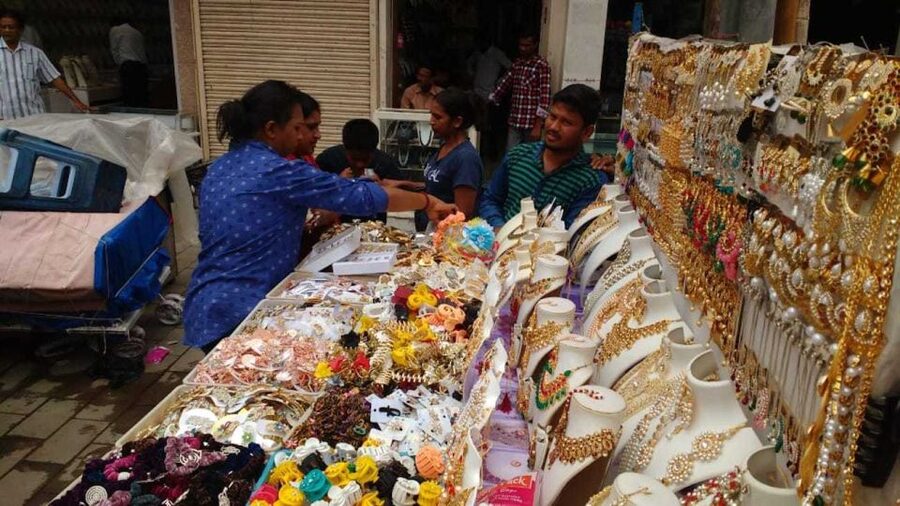
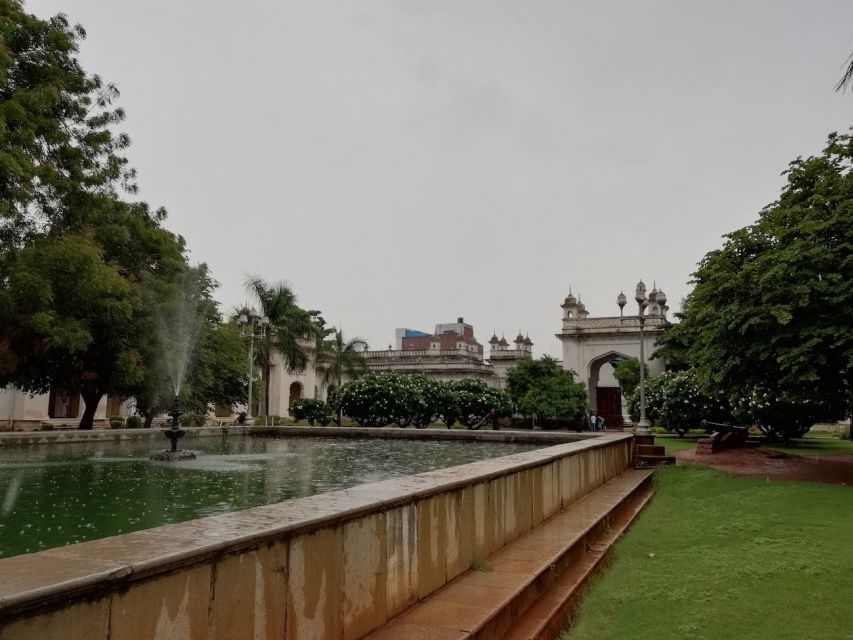
The tour’s big finale is Chowmahalla Palace, the residence linked to the Nizams. Expect the highlights to include a water fountain, vintage cars, intricate carvings, glass chandeliers, and the grand durbar hall.
This palace also helps you picture scale in a different way. During the height of the Nizams’ rule, as many as 7,000 attendants used to work around the palace—so the layout wasn’t designed for a quiet afternoon tour. It was designed for a machine of court life.
Take your time with the details. The carvings and decorative surfaces are the point. If you rush, you’ll miss what makes this palace feel special.
What changes on Fridays
Chowmahalla Palace is closed on Fridays. On those days, the tour skips to Badshahi Asoorkhana instead, so your route still covers the palace-era theme even when the main palace stop isn’t available.
The guide factor: why the stories matter as much as the monuments
The highest-rated part of this tour is the guiding—your experience depends on someone who can translate Old City sights into human stories. In the guides’ lineup, you’ll often see names like Ramu, Sainath Jonnagadda, Mohan, John, and Raize, and the common theme is clear communication plus careful pacing.
What to look for in a good guide here:
- They explain what you’re seeing in plain language, not just dates.
- They help you understand the people behind the structures (the Nizams, court life, religious leadership).
- They manage time without making you feel rushed.
There’s also a safety and comfort angle. Walk lanes can feel intense at first, but with an organized route and an attentive guide, you generally get through it calmly.
Comfort and logistics that make the walk smoother
This tour is a walking experience first, so plan like one. Bring comfortable shoes, water, and a hat—the heat and sun can be real, especially when you’re outside around Charminar for photos.
How you travel also matters. The tour can be private or small groups, and there’s an option to choose a shared join-in tour. If you want quieter conversation and more flexibility, private is the easier fit.
Also consider pickup. If you select the option, you can get hotel pickup and drop-off, which is a big deal when you’re trying to start near Charminar without adding extra transit stress.
Should you book this Hyderabad heritage walking tour?
Book it if you want a structured Old City experience that connects the dots between Charminar, Mecca Masjid, the bazaars, and the Nizam palaces in a single afternoon. This is a strong choice for your first or second day in Hyderabad because the timing is right and the route is built around how the city’s core landmarks relate to daily life.
Skip it only if walking is a problem for you (it’s not suitable for mobility impairments) or if you’re specifically aiming for Chowmahalla Palace on a Friday, since the tour uses a Friday alternative.
If you like guided history that’s grounded in what you can actually see street-by-street, this tour is an easy yes.
FAQ
What’s the duration of the Hyderabad Old City and Charminar heritage walking tour?
The tour runs for about 3 to 3.5 hours.
How much does the tour cost?
It costs $46 per person.
Where do I meet the guide?
Meet your guide outside the Charminar entrance on Charminar Rd, Char Kaman, Ghansi Bazaar, Hyderabad, Telangana 500002, India.
What major places will we visit?
You’ll see Charminar, Mecca Masjid, bazaars with a historic clock tower, Moti Mahal, and Chowmahalla Palace (with a Friday alternative).
Is Choumahalla Palace open every day?
No. Choumahalla Palace is closed on Fridays, and the tour visits Badshahi Asoorkhana instead.
Is the guide available in English?
Yes, the tour includes an English-speaking guide.
What’s included in the price?
Entrance charges, light refreshments, and an English-speaking guide are included. Hotel pickup and drop-off are included only if you select that option.
Is hotel pickup available?
Pickup is optional, and you can request it from your hotel lobby if you choose that option.
What should I bring for the walk?
Wear comfortable shoes and bring water and a hat.
Is the tour suitable for people with mobility impairments?
No, it is not suitable for people with mobility impairments.
Is there free cancellation?
Yes, you can cancel up to 24 hours in advance for a full refund.