REVIEW · DUBAI
Discover Heart of Dubai’s Old Town, Heritage, Abra & Souqs
Book on Viator →Operated by PLATINUM ROYAL · Bookable on Viator
Old Dubai feels real, not staged. This 3-hour loop through the Old Town shows you how the city worked before skyscrapers took over, led by guide Muhammad who shares street-level stories as you walk. You’ll get a human sense of how locals lived, traded, and traveled, not just a list of sights.
I like that the tour includes hands-on stops, especially the short Abra crossing and the guided time in the souqs. That combo helps you understand Dubai’s waterfront logic, then turn around and use it while you browse markets with less confusion and more confidence.
One thing to plan for: it depends on good weather, and you’re mostly outdoors. If it’s hot, sunny, or rescheduled, don’t expect a long indoor fallback.
In This Review
- Quick hits worth your time
- Starting in Al Fahidi: Wind Towers, Old Materials, and Real Neighborhood Layout
- Abra Station at Deira: A Short Cross-Creek Ride That Makes the City Make Sense
- Dubai Spice Souk: Aromas, Big Baskets, and Buying Intelligence
- Gold Souk Maze: How the Covered Walkways Work for Shopping
- What Makes Muhammad’s Old Dubai Approach Practical (Not Just Tourist Talk)
- Timing and Value: What You Get for $33.21 in 3 Hours
- Getting the Most Out of Al Fahidi to Gold Souk Day
- Should You Book This Old Town Tour?
- FAQ
- How long is the tour?
- What stops are included?
- Is the Abra ride included?
- Does the price include admission tickets?
- How large is the group?
- What is the cancellation policy?
Quick hits worth your time
- Al Fahidi Historical Neighbourhood shows mid-19th-century to 1970s-era Dubai life through wind-tower streets and traditional building materials
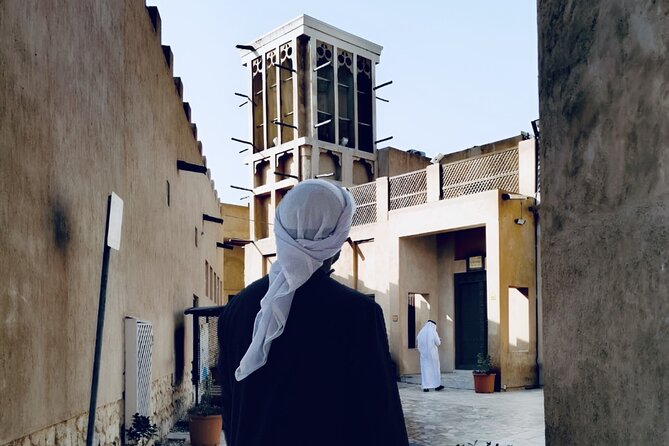
- Barajeel air towers (for natural cooling) and old alleys, pathways, and public squares make photos and context easy
- A 10-minute Abra ride explains Dubai Creek travel in a way a photo never will
- Spice Souk browsing comes with practical chatter about herbs and how people use them
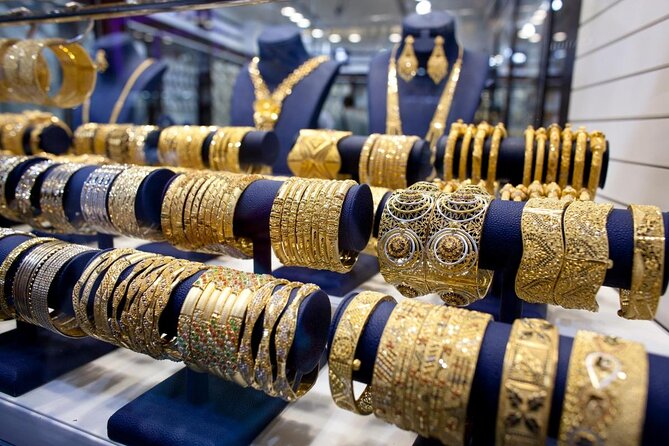
- Gold Souk is a covered maze of jewellery shops, with your guide helping you navigate it
Starting in Al Fahidi: Wind Towers, Old Materials, and Real Neighborhood Layout
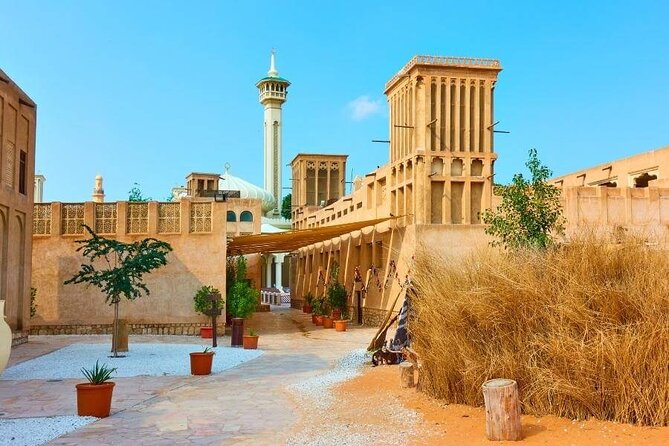
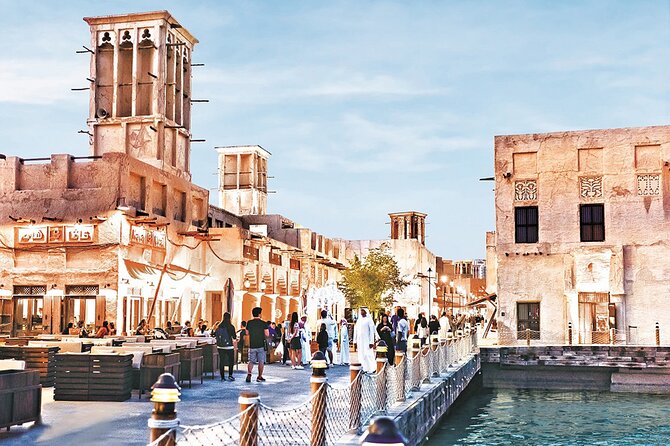
Al Fahidi Historical Neighbourhood is the kind of place where Dubai’s past doesn’t feel like a museum. You’ll see a traditional layout built around Dubai Creek (Khor Dubai), with buildings lined along the district and separated by alleys, pathways, and public squares. That spacing matters. It’s part of how the neighborhood worked for people moving on foot.
A big highlight here is the barajeel air towers. These tall wind catchers were used for cooling long before air conditioning became normal everywhere. The area also uses building materials like stone, gypsum, teak, sandal wood, and palm fronds. Even if you’re not a building-history nerd (I’m not always), it’s still a clear visual lesson: Dubai adapted to climate and daily life, using local materials and smart design.
You’re there for about an hour, so you can actually slow down. I’d use that time to notice how the neighborhood is arranged rather than rushing from one photo spot to the next. This is also where the whole tour’s theme clicks: the souqs and Abra later feel connected to this older creek-side reality.
Small practical note: this first stop is your best chance to get oriented. If you start feeling lost later in the market maze, that earlier context helps a lot.
You can also read our reviews of more historical tours in Dubai
Abra Station at Deira: A Short Cross-Creek Ride That Makes the City Make Sense
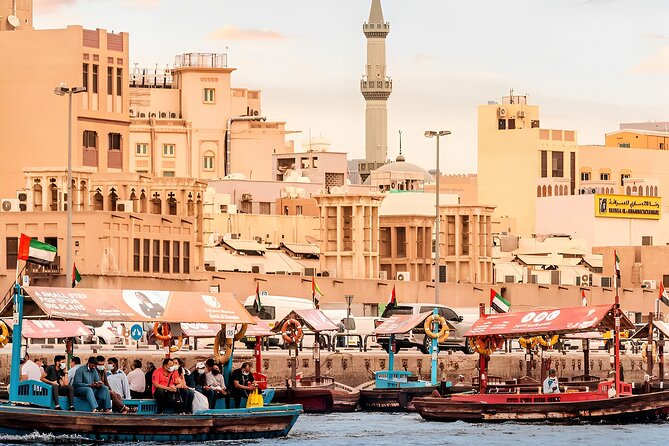
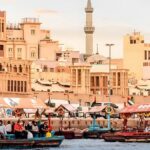
After Al Fahidi, you’ll head to Deira’s Old Souk Abra Station for a 10-minute Abra ride. Abra comes from the Arabic verb abara, meaning to cross. That’s not just trivia. It’s the core idea of how people moved across Dubai Creek for centuries.
The Abra is described as the city’s most traditional mode of transport, and that’s exactly why it’s such a smart stop on a short tour. You don’t just hear that Dubai used to run on the creek. You experience the crossing. You also get a different viewpoint of the waterfront and the way the two sides of the city relate.
If you’re worried about missing context because the ride is short, don’t be. The ride acts like a moving “explanation point.” It bridges what you saw in Al Fahidi’s old neighborhood layout and what you’ll see in the markets right after.
Also, Abra stations and crossings can be lively. Having a licensed local guide like Muhammad in your corner helps you stay calm and focused instead of guessing what to do next.
Dubai Spice Souk: Aromas, Big Baskets, and Buying Intelligence
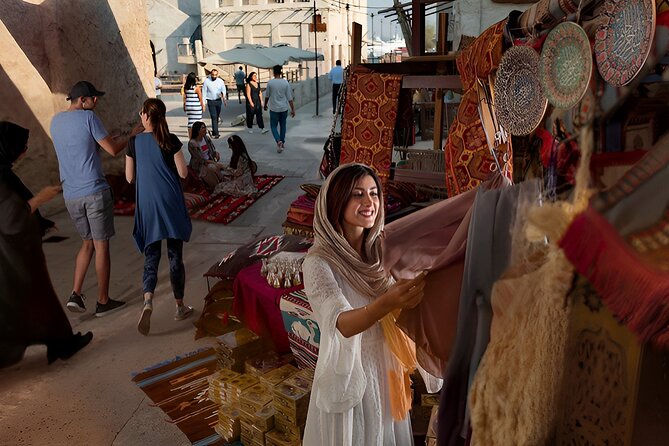
Then it’s on to Dubai Spice Souk, one of the city’s most sensory market experiences. You’ll walk through stalls with aromatic herbs and spices displayed in large baskets around many corners, so the smells hit you quickly. This is one of those places where your guide’s role is more than translating. It’s turning the chaos into usable information.
The best part here is that you don’t have to pretend you’re a spice expert. You can chat with vendors, ask simple questions, and get ideas for recipes and uses. That’s valuable even if you don’t plan to bring anything home. You’ll leave understanding what you’re looking at and why people buy it.
Time on this stop is about 50 minutes. That’s enough to browse without feeling like you’re getting dragged through. I’d treat it like this: first, take in the range of spices and dried herbs; second, choose one or two things you actually like the smell of; third, ask how locals use them. If you’re shopping, keep your budget in mind. Souk prices can vary, and the guide can help you negotiate effectively when you want to make a purchase.
If you’re the type who fears being pressured while shopping, this is where a guided approach earns its keep. You’re not going in blind, and you’re not trying to decode everything alone.
Gold Souk Maze: How the Covered Walkways Work for Shopping
The final market stop is Dubai Gold Souk. Think covered walkways and a maze of shops with huge selection. You’re looking at hundreds of retailers offering jewellery made from gold, silver, diamonds, and other precious metals and stones.
This is the part of Dubai where you’ll probably stop caring about how long the tour is and start caring about what’s in front of you. The Gold Souk is famous for a reason: the sheer density of jewellery display is unlike most shopping streets.
You’ll have about 50 minutes here. That’s a good balance. More time can mean decision fatigue, especially if you’re trying to compare lots of designs quickly. Less time means you miss the rhythm of how the market is laid out.
A practical trick: don’t force yourself to compare every shop. In a maze like this, you’ll only get more confused. Instead, take a quick scan, then focus on a few styles or materials you’re actually curious about. If you’re buying, working with Muhammad can help you feel more in control. One of the standout points from the experience is that the guide can assist with negotiating a good price, which matters when you’re dealing with high-value items.
Even if you’re not buying, this stop is worth it. You’ll learn how the market works—how jewellery displays, pricing conversations, and shopper flow fit together in a covered setting.
What Makes Muhammad’s Old Dubai Approach Practical (Not Just Tourist Talk)
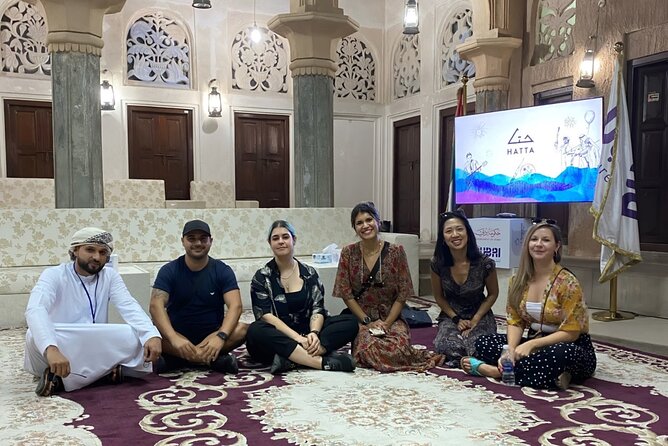
A lot of Dubai tours throw facts at you. This one leans more on making sense of everyday life. Muhammad is consistently described as friendly, attentive, and able to tailor the trip to what you want. That flexibility is important in a city where people often have different goals: some want photos, some want shopping help, some want cultural context.
From the way the tour is run, you can expect support where it counts:
- Keeping a nice pace so you don’t feel rushed through the key parts
- Answering questions as you go, especially about Dubai Creek and old neighborhood life
- Helping people feel treated well during market time
- Assisting with shopping conversations, including negotiation, when you choose to buy
I also like that the experience shows up ready for different groups. The tour’s small group size (max 10) makes it easier for a guide to adapt on the spot, including for families. If you’re traveling with kids, a guide who can keep everyone engaged can be the difference between a smooth morning and a cranky one.
If you want a tour where the guide helps you understand what you’re seeing while you walk through real neighborhoods and markets, this style fits.


Timing and Value: What You Get for $33.21 in 3 Hours
At $33.21 per person for about 3 hours, this isn’t priced like a full-day museum crawl. It’s priced like a smart hits-tour: a historic neighborhood, a traditional crossing, and two major souqs, all in one block of time.
Here’s what makes that value feel real:
- You have a licensed local guide guiding the whole sequence
- Admission tickets are included for each listed stop
- The Abra ride is included, which is often the hardest part to figure out alone
- You also get a small group experience (max 10), which usually means more interaction
So yes, it’s short. But it’s also focused. If you only have a half-day and you want the “old Dubai” parts that shape the city’s identity, this checks the boxes efficiently.
Book it if you like structure. Book it less urgently if you’re the type who loves wandering on your own for hours. The Gold Souk alone can take a while if you’re really shopping, and the tour keeps you on schedule.
One more value clue: the tour has a history of strong recommendations and a perfect 5-star average across many recent bookings. That doesn’t automatically mean it’s right for you, but it does suggest consistent guide quality and a smooth experience.
Getting the Most Out of Al Fahidi to Gold Souk Day
This tour is a walking + market mix. That means comfort planning matters as much as curiosity.
- Wear breathable clothes. You’re outside for most of the route, and the experience requires good weather. If it gets weather-canceled, you’ll be offered another date or a full refund.
- Bring a small bag you can manage in busy souk corridors. Covered walkways in Gold Souk can feel tight if you’re carrying bulky items.
- If shopping matters, decide what you want before you start negotiating. Spice Souk is great for gifts and culinary ideas. Gold Souk is a different world price-wise, so have a clear budget mindset.
- Expect vendor interaction. The tour style is built for souks, so you’re not just passing by glass displays. You’ll have chances to talk with sellers and ask questions.
Also, keep your expectations aligned with what’s included. The itinerary is designed around the Al Fahidi area, Abra, Spice Souk, and Gold Souk. If you’re chasing a specific attraction beyond those zones, you may want a separate plan.
Should You Book This Old Town Tour?
Book it if you want a practical introduction to Dubai’s older neighborhoods and the markets that explain daily life along the creek. I’d especially recommend it if:
- you have about half a day and want a coherent route
- you want a guide to help you navigate souks and shop conversations
- you care about understanding how the creek and old districts shaped the city
I’d skip it or pick something else if you’re looking for a long, slow, in-depth cultural deep-dive with multiple museums. This experience is built for momentum and clear coverage, not a days-long exploration.
For most first-timers, though, it’s a strong use of time: you start with traditional neighborhood design, you cross the creek by Abra, and you end in the two markets people talk about most. It’s Dubai’s past in the exact places where it still feels present.
FAQ
How long is the tour?
It runs for about 3 hours.
What stops are included?
You’ll visit Al Fahidi Historical Neighbourhood, Deira Old Souk Abra Station (with an Abra ride), Dubai Spice Souk, and Dubai Gold Souk.
Is the Abra ride included?
Yes. The tour includes the Abra ride as part of the Deira Old Souk Abra Station stop.
Does the price include admission tickets?
Yes. Admission tickets are included for the stops listed in the tour.
How large is the group?
The tour has a maximum of 10 travelers.
What is the cancellation policy?
You can cancel for a full refund up to 24 hours before the experience starts. If you cancel within 24 hours of the start time, the amount paid is not refunded. If the tour is canceled due to poor weather, you’ll be offered another date or a full refund.