REVIEW · OSLO
Jewish Heritage Tour in Oslo
Book on Viator →Operated by Oslo Photo Tour · Bookable on Viator
Oslo looks different after a Jewish heritage walk. This private, English-language tour threads Jewish life through central Oslo landmarks, using real addresses and smart historical context to help you connect the dots fast. I like the private group pacing and how the route keeps things practical, so you can actually absorb the story in just about two hours.
What you’ll also like is the mobile ticket setup and the way the guide answers questions as you go, with a history-before-details approach that makes Norway make more sense. One possible drawback: the final stop at the Oslo Synagogue isn’t always possible to enter, so plan for an exterior-focused finish if access is limited.
In This Review
- Key Highlights You’ll Feel on This Walk
- Getting Oriented Fast at TigerJernbanetorget
- Jernbanetorget to Stortorvet: Turning Central Oslo Into a Map of Settlement
- Oslo Cathedral and the Parliament: Where Civic Life and Jewish Presence Intersect
- The Grand Hotel and Karl Johans Gate: Shops, Symbols, and Everyday History
- The Royal Palace and the Occupation Years: 1940–45 Connections Around the Gardens
- Oslo Synagogue and the Finish on Jewish Street
- Price and Value for a Private Group Up to Five
- What the Guide Style Adds (And Why People Rave About It)
- Who Should Book This Jewish Heritage Tour in Oslo
- Should You Book This Tour?
- FAQ
- How long is the Jewish Heritage Tour in Oslo?
- What is the tour price?
- Is the tour private?
- What language is the tour offered in?
- Where do we meet the tour?
- Where does the tour end?
- Do we need to pay admission tickets during the stops?
- Can we always visit Oslo Synagogue?
- Is there a fitness requirement?
- Are service animals allowed?
Key Highlights You’ll Feel on This Walk
- Jernbanetorget starts with the first Oslo Jewish family, tied to the actual location of their property
- Stortorvet and Oslo Cathedral are used as a context anchor, not just a photo stop
- The Norwegian Parliament stop links national milestones to Jewish members of parliament
- Karl Johans Gate turns commerce into history, spotting the imprint of Jewish-owned shops over time
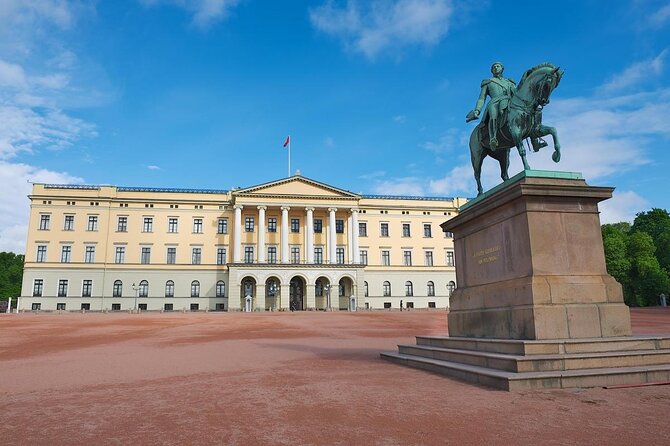
- Royal Palace grounds bring in the occupation years (1940–45) with connection points around the Royal gardens
- Oslo Synagogue can be a high-impact ending, even if entry isn’t guaranteed
Getting Oriented Fast at TigerJernbanetorget

This tour meets at TigerJernbanetorget (0154 Oslo). If you’ve got limited time in the city, this is a strong choice because you start in a transit-friendly, central pocket and you don’t waste the first hour figuring out where to begin. You’ll be on your feet for a little walking between major landmarks, but the pace is kept within the route timing so you’re not sprinting across town.
I also like that this is built as a private activity for your group (up to five). That matters in a story like Jewish Heritage in Oslo, where the guide can slow down for questions or speed up if you already know the basics. The tour is in English, and the guide’s style is described as responsive and engaging, so you’re not stuck with one-way lectures.
You’ll want to come with a curious mindset. The stops are short—often around 10 minutes—so the payoff comes from what you listen for, not from spending hours inside buildings.
Jernbanetorget to Stortorvet: Turning Central Oslo Into a Map of Settlement
The route kicks off at Jernbanetorget, where the guide sets the tone with the story of the first Jewish family settled in Oslo. What makes this opening special is the grounding in an actual location—so instead of treating Jewish presence as an abstract idea, you get an address-like point in the city. That kind of “this is where it happened” framing is what makes the rest of the walk click.
Then you move to Stortorvet, a classic Oslo square where history is visible even if you only skim for it. This stop ties in Oslo Cathedral and the Christian IV monument. Even though the focus is Jewish heritage, the cathedral-and-monument pairing works because it gives you the broader backdrop: this is a city of power, religion, and public symbols. You’ll get a sense of where Jewish life existed alongside the dominant institutions you see around you.
A practical consideration: because each stop is time-limited, I’d treat this as a “story walk” rather than a “sit and read” experience. Bring comfy shoes, and if you’re the type who likes absorbing details, be ready to use your phone notes or a quick photo to capture what matters before moving on.
Oslo Cathedral and the Parliament: Where Civic Life and Jewish Presence Intersect
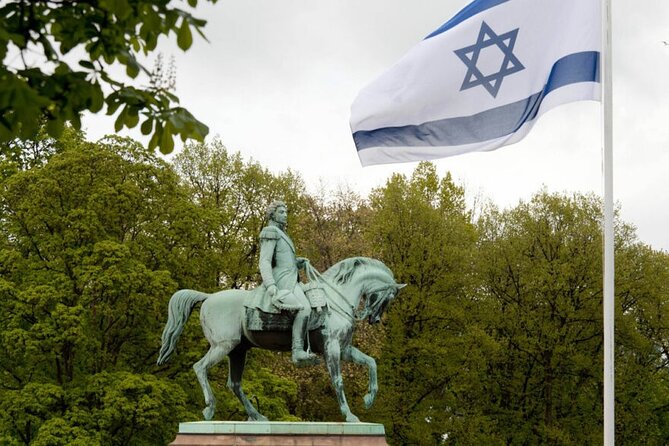
After Stortorvet, the tour continues toward political landmarks, including the Norwegian Parliament. Here the theme becomes rights, governance, and how national identity is shaped over time. You’ll hear about the Norwegian constitution and, importantly, the presence of notable Jewish members connected to parliament. Even if you know Norway at a high level, this kind of spotlight changes your mental map of who participated in public life.
This is one of the strongest moments for people who like history tied to real systems. You’re not just hearing dates; you’re learning how Jewish life connects with the way a modern country defines itself. It also helps you understand why later stops—like commerce, the occupation period, and wartime connections—don’t feel random. They’re all part of the same long thread.
One more thing I appreciate: the guide balances Norway’s general history with the Jewish story in a way that’s designed for first-time visitors. If it’s your first day in Oslo (or your first time learning this topic in Scandinavia), this stop helps you get oriented so you don’t feel lost.
The Grand Hotel and Karl Johans Gate: Shops, Symbols, and Everyday History
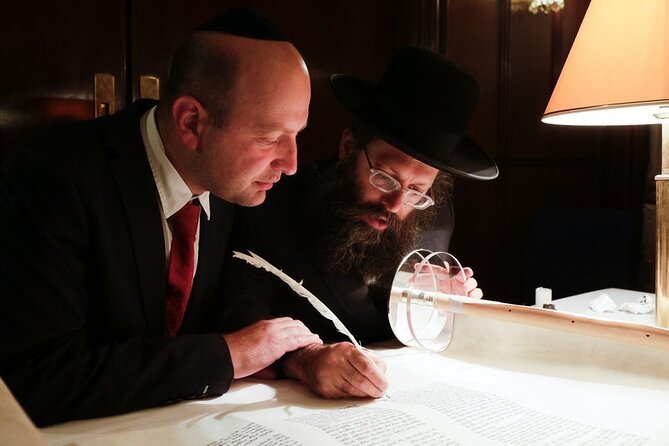
Next up is the Grand Hotel, where the tour points out Jewish-related shops in the area and connects the place to something famously tied to Nobel—specifically the mention of Nobel Peace Prize connections. The point isn’t to turn this into a facts-only detour. It’s to show how Jewish presence isn’t only about major institutions. It also shows up in street-level business life and in the public landmarks visitors naturally pass.
Then comes Karl Johans Gate, one of Oslo’s main pedestrian streets, where the tour leans into the idea of visible footprints. You’ll be guided to the sense that there were many Jewish-owned stores and monuments related to Jewish history in Norway and Oslo along this corridor. This is where the walking becomes more “readable.” You can look around and imagine how daily life functioned in different eras.
Because the stops on Karl Johans Gate are short, don’t expect a slow stroll with lots of free time to wander. Instead, treat this as a guided interpretation of what you’re seeing. If you like street-level history, it’s a great match; if you prefer quiet museum time, you may wish you had a second day to explore on your own after the tour.
The Royal Palace and the Occupation Years: 1940–45 Connections Around the Gardens
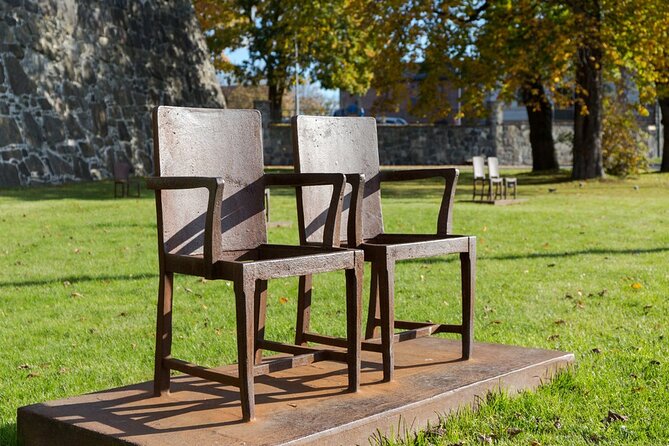
The tour then moves to the Royal Palace area, focusing on a period that shaped Norway deeply: the occupation years (1940–45). You’ll hear about a few locations connected to Jewish life during that time, including references around the Royal gardens.
This is emotionally heavier material, but it’s presented in a way that keeps you grounded in place. When the guide ties a wartime story to a specific corner or garden area you can still see today, it helps the past feel real without turning the walk into spectacle. It’s the kind of storytelling that makes a city feel like it holds memory in plain sight.
Since you’re still outdoors, weather matters. The experience is described as requiring good weather, so if Oslo is giving you cold rain, plan to adjust expectations and keep an eye on any alternate date options offered by the provider.
Oslo Synagogue and the Finish on Jewish Street
The final stop is Oslo Synagogue, sometimes described as part of the Jewish street context in Oslo. The guide shares that it was the first synagogue built in Norway, which gives the closing point a clear anchor: this is not only historical but also institutional—something that has a legacy you can recognize physically.
Now, the practical truth: it’s not always possible to visit. The tour wording indicates that entry can depend on circumstances. So if you’re hoping for an interior look, it’s smart to keep that flexible. Even if entry isn’t available, the stop is still likely to leave a strong impression because it ties the earlier stops—family settlement, public life, everyday commerce, and wartime connections—back to a community center you can point to.
A nice detail to listen for here is how the guide frames the synagogue in the broader Oslo story, rather than treating it as a standalone attraction. If you’re a photo person, this is also where your camera roll can turn into a mini timeline.
Price and Value for a Private Group Up to Five
The price is $256.18 per group, for up to five people, and the duration is about two hours. On paper, that’s not “cheap,” especially if you’re traveling solo. But for a private story walk, it can be good value because you’re paying for guide time plus a focused route you likely wouldn’t plan yourself on a first visit.
Here’s how I’d think about value:
- If you have two to five people, the per-person cost drops fast, and you get the benefit of a guided interpretation of tightly related stops.
- The tour includes admission tickets free at each listed stop, which helps avoid surprise ticket budgeting while you’re out seeing major landmarks.
- It’s offered in English, and the guide is described as responsive and engaging—so you’re not paying for a silent audio tour that you have to translate in your head.
Also note: the tour is said to be booked, on average, 107 days in advance. That doesn’t mean you can’t book later, but it’s a hint that popular dates fill up. If you’re traveling during peak season, earlier planning can save you headaches.
What the Guide Style Adds (And Why People Rave About It)
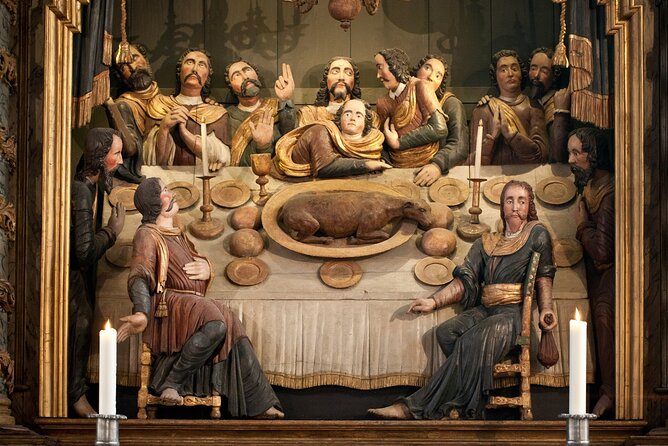
The experience is run by Oslo Photo Tour, with guide Rami Kafarov repeatedly named in the feedback. The standout theme: storytelling that connects Norwegian history to Jewish life in a way that feels balanced, not one-sided. People also highlight that he can customize the route to match what you care about, which is a big deal when you’re deciding what kind of history you want in the first place.
Another frequently mentioned plus is responsiveness to questions and an engaging, slightly humorous tone. That matters because Jewish Heritage history in Oslo touches multiple themes—settlement, politics, daily life, and the WWII era. A guide who can keep the pacing humane and answer your questions without turning it into a strict script helps you remember more of it later.
There’s also a quirky bonus mentioned: a brief but phenomenal photo-book guide, created by Rami, designed to juxtapose current Oslo with historic Jewish life. Even if you don’t buy it, it hints at how visual and place-based the tour approach is.
Who Should Book This Jewish Heritage Tour in Oslo
You’ll likely enjoy this if you fit one (or more) of these profiles:
- You want a first-visit Oslo overview that still has depth on a specific thread
- You like history connected to exact public spaces (squares, parliament buildings, major streets)
- You prefer a private group where questions and pacing can be flexible
- You’re planning a short stay and need a route that doesn’t require museum research homework
It’s also a decent fit if you have moderate walking needs. The tour calls for moderate physical fitness, and it runs as a guided city walk rather than something that requires strenuous hiking.
If you’re the type who wants long indoor visits at each stop, you might find the short time at each location limits how much you can linger. But if you like the idea of getting the story first, then choosing what to revisit later on your own, this style works well.
Should You Book This Tour?
If your goal is to understand Jewish Heritage in Oslo as a living part of the city—where settlement, politics, commerce, and WWII connections all show up in places you can still stand in today—this is an easy yes. The private format, free admission at stops, English guiding, and the way it ties landmarks to real context make the experience feel purposeful even when the schedule is tight.
I’d only hesitate if you know you must enter the Oslo Synagogue interior no matter what. Since entry is not always possible, you may want to treat that as a bonus rather than a guarantee.
If you’re going to Oslo soon and you want your first walk to mean something, book it.
FAQ
How long is the Jewish Heritage Tour in Oslo?
It lasts about 2 hours (approximately).
What is the tour price?
It costs $256.18 per group, for up to 5 people.
Is the tour private?
Yes. Only your group participates.
What language is the tour offered in?
The tour is offered in English.
Where do we meet the tour?
The meeting point is TigerJernbanetorget, 0154 Oslo, Norway.
Where does the tour end?
The activity ends in a different location than the meeting point. The exact end details are provided by the activity.
Do we need to pay admission tickets during the stops?
The stops list free admission tickets for the duration of the visit.
Can we always visit Oslo Synagogue?
Not always. It’s stated that it isn’t always possible to visit the synagogue.
Is there a fitness requirement?
Yes. Travelers should have a moderate physical fitness level.
Are service animals allowed?
Yes, service animals are allowed.