REVIEW · ROME
Rome: Colosseum, Arena and Ancient Rome Private Guided Tour
Book on GetYourGuide →Operated by Maya tours · Bookable on GetYourGuide
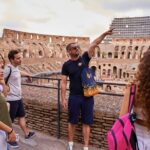
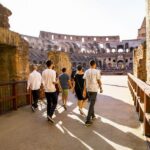
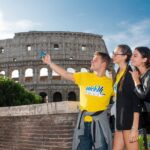
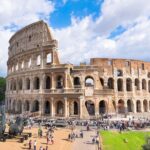
A day at the Colosseum, minus the chaos. This private small-group tour is built around timed, skip-the-line entry and a guide who helps you see the Colosseum, Forum, and Palatine Hill as one story, not three separate stops. You’ll start at Piazza del Colosseo and enter the Colosseum via the Gladiator’s Arena entrance route, which makes the whole place feel more real fast.
Two things I really like: first, the pacing. You get guided time at the Colosseum (about 1 hour), then you move to Roman Forum highlights (about 45 minutes) and finish on Palatine Hill (about 45 minutes), which is a great order for building context. Second, the guide style seems to matter: I’ve seen firsthand how guides like Susi and René can keep it personal, funny when it fits, and focused on what you’ll actually notice in the ruins. One drawback to keep in mind: the Colosseum timing is strict, and if you show up late you may not be able to join, reschedule, or get a refund.
In This Review
- Key highlights and what they mean for you
- Price and logistics: what you’re paying for
- Where to meet: the green kiosk and the 15–20 minute rule
- Entering the Colosseum: the Arena entrance experience
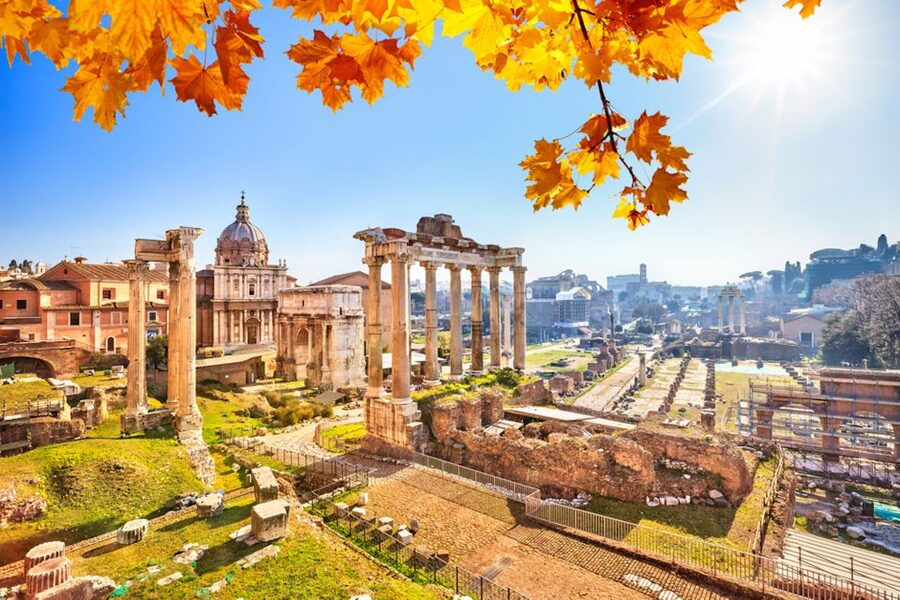
- Roman Forum: where the city ran on politics and religion
- Palatine Hill: panoramic views and Rome’s origin myths
- The guides: why Susi and René-style energy matters
- Timing and the risk of missing one stop
- What to bring (and what to leave behind)
- Is the skip-the-line worth it?
- Who this tour fits best
- Should you book this Colosseum, Arena, Forum, and Palatine Hill tour?
- FAQ
- How long is the private guided tour?
- Which sites are included?
- Is admission included, or do I need separate tickets?
- Do I need a passport or ID card?
- Where do I meet my guide?
- Is this tour wheelchair accessible?
Key highlights and what they mean for you
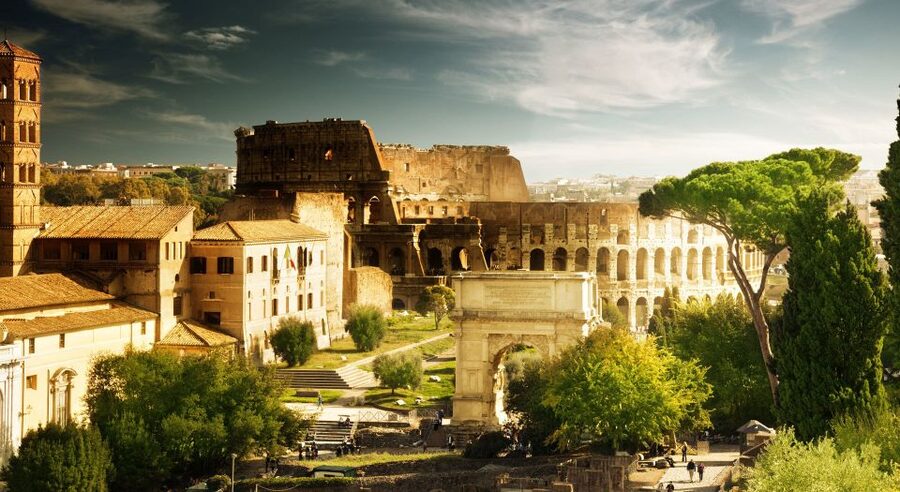
- Skip-the-line via a separate entrance: you’re guided through security with your ticket handled as part of the process.
- Gladiator’s Arena entrance access: the Colosseum feels less like a photo stop and more like a place people once moved through.
- Palatine Hill viewpoints: you’ll connect the myths of Rome’s origins to what you can see from above.
- Roman Forum as politics, religion, and daily life: you get help reading monuments and inscriptions without needing to be a scholar.
- Small private group feel: guides can tailor attention and slow down for questions.
- Strict timing demands punctual arrival: this tour works well when you treat it like an appointment.
Price and logistics: what you’re paying for
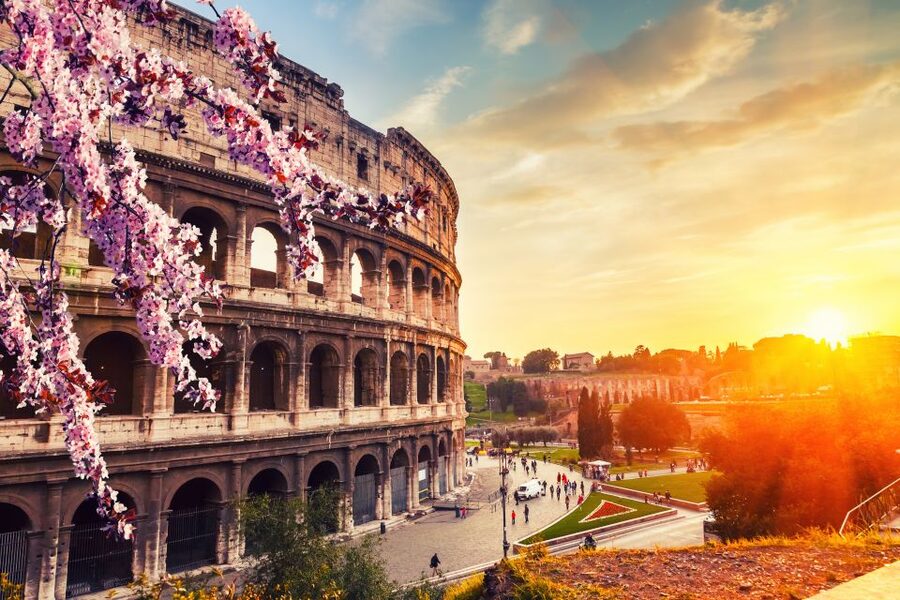
At $477.67 per person for a 3-hour private guided tour, you’re not buying a cheap ticket to stand in line with everyone else. You’re buying three practical advantages: time, access, and interpretation.
Time: the itinerary is timed to keep you moving between the Colosseum, Forum, and Palatine Hill without wasting your whole day. Access: you get admission included and skip-the-line entry through a separate entrance. Interpretation: a professional guide turns scattered ruins into a narrative—who was where, why buildings mattered, and how the city’s power system worked.
That said, the strictness matters. The Colosseum reservations are described as having very strict timing. You’ll need to be at the meeting point at least 20 minutes prior to departure (and the instructions also say to arrive 15 minutes before the booked time). Either way, plan to arrive early and avoid banking on last-minute flexibility. This is one of those experiences where being five to ten minutes late can ruin the day.
You can also read our reviews of more guided tours in Rome
Where to meet: the green kiosk and the 15–20 minute rule
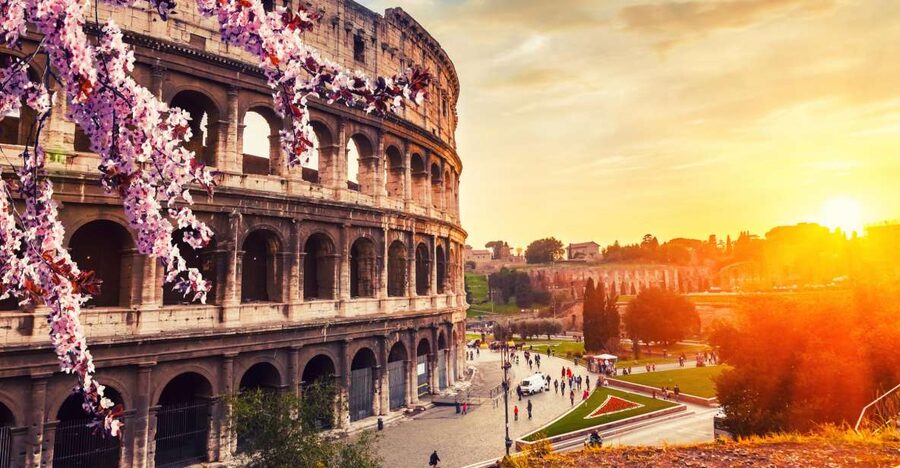
You’ll meet at Piazza del Colosseo, 21, at the Green Kiosk outside the Colosseo Metro ground floor entrance. After you book, everything is organized; you just show up, arrive early, and your guide will be holding a Maya tours flag.
Here’s the practical trick: set a real-time buffer. Don’t aim for “arrive at the gate.” Aim for “arrive before you’re worried.” You’re being told the Colosseum doesn’t allow lenience for late arrivals, and late arrival can mean you won’t be able to join or reschedule.
Also prepare your documents. All clients will be asked to show a photo ID, and the monument entry requires it. You also need to provide the full names of all travelers exactly as written on your ID before entry.
Entering the Colosseum: the Arena entrance experience
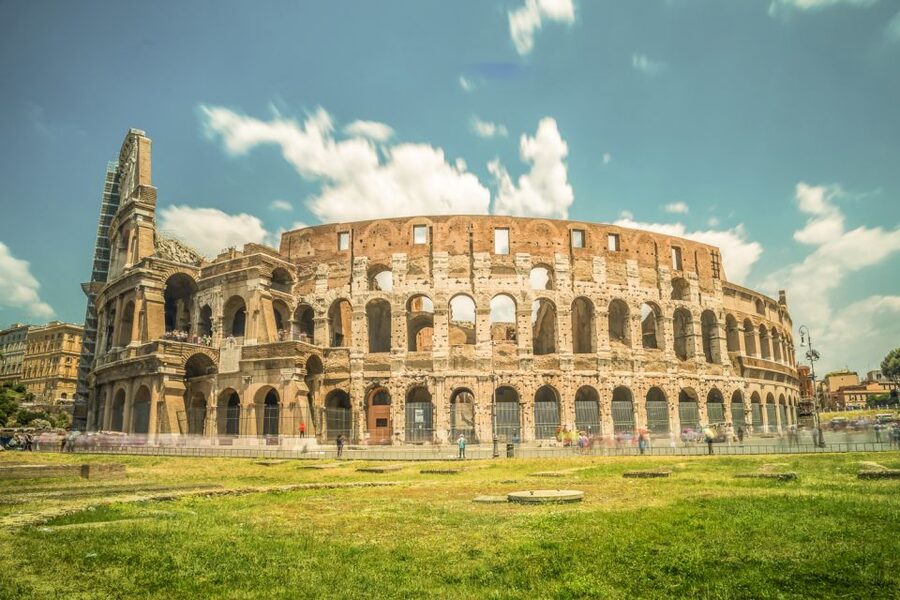
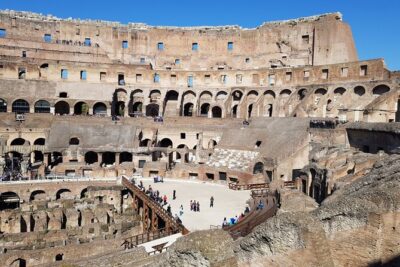
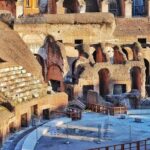
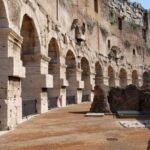
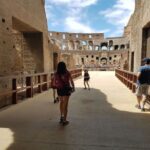
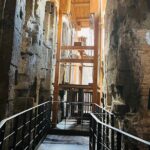
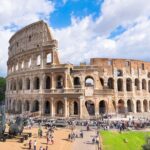
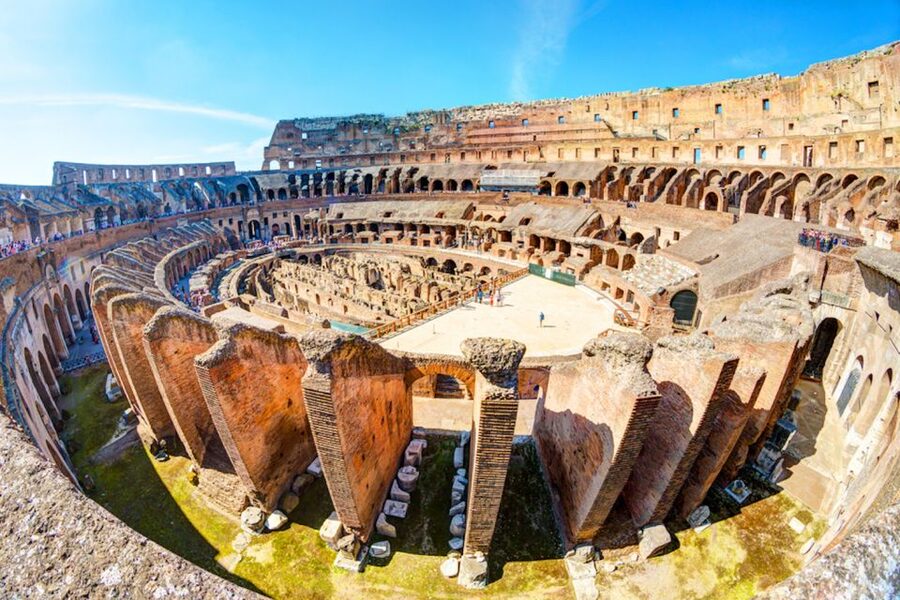
The tour begins at the Colosseum, with guided time of about 1 hour inside. The big selling point is how you approach the site: you get access from the Gladiator’s Arena entrance. That matters because it changes how your brain reads the building.
Instead of starting with the outside and trying to imagine everything that happened, you step into the Colosseum as though you’re part of the venue’s circulation system. From there, your guide can talk about what the games were like, how fights were organized, and what daily life and status looked like for people in different sections.
You’ll also learn where the elite had the best seats—useful, because it gives your viewpoint a purpose. When you understand sightlines and seating hierarchy, the building becomes more than a massive stone bowl. It becomes a stage with a social map.
One more logistics note: you’ll go through security with the guide as part of the entry process. Still, you should be ready for the monument’s “no nonsense” rules:
- no weapons or sharp objects
- no luggage or large bags
- no glass objects
- no alcohol, spray, or similar prohibited items
If you want an easy visit, travel light. Your future self will thank you when it’s time to move quickly through entry.
Roman Forum: where the city ran on politics and religion
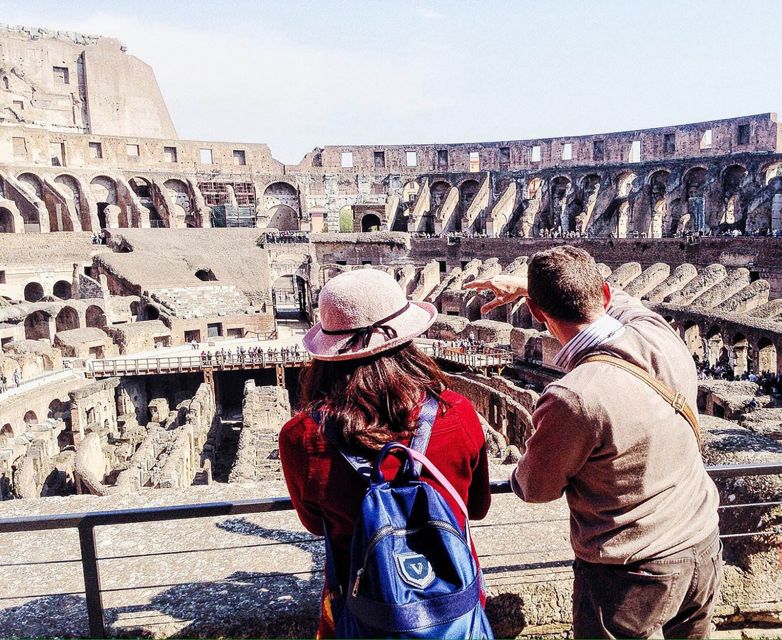
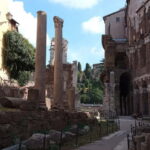
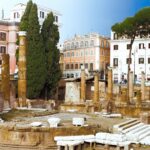
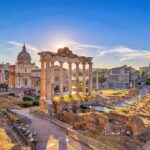
After the Colosseum, you’ll head to the Roman Forum for about 45 minutes of guided time. This is where a good guide makes a huge difference, because the Forum can feel like a pile of ruins unless you know what kind of place it was.
The Forum is described as once a marketplace and the center of public life, later evolving into the hub for politics, religion, and commerce. That’s exactly the kind of framework that helps you connect the dots:
- temples and religious structures explain the city’s spiritual power
- basilicas and public spaces connect to law and administration
- arches and monumental buildings show how Rome displayed authority
Your guide will help you read inscriptions and architecture, which is one of the fastest ways to turn “I see stones” into “I understand what this was for.” Even if you’re not a history nerd, the Forum becomes easier to follow when someone points out what the buildings were designed to do.
A practical consideration: 45 minutes is solid, but it’s still a timed window. Come prepared to look up and around, not just forward. If you stop every few steps to take a long break, you might feel rushed. This itinerary works best when you’re ready to keep momentum with the group.
Palatine Hill: panoramic views and Rome’s origin myths
You finish with Palatine Hill, also about 45 minutes. This stop is both a viewpoint and a context builder. From here, your guide can connect what you see to the myths of Rome’s origins and the stories tied to emperors and powerful families.
The tour highlights the ruins of opulent palaces once associated with Rome’s rulers. That gives Palatine Hill a different feel than the Colosseum and Forum. At the amphitheater, you focus on spectacle and structure. At the Forum, you focus on civic life. On Palatine Hill, you focus on power at the top—who lived close to the center and why the landscape mattered.
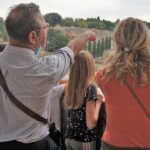
You’ll also get views of the Roman Forum and Circus Maximus from above. That’s more than pretty scenery. It helps you understand why ancient Romans built where they built. The city wasn’t just buildings in a grid; it was a system, and Palatine Hill shows the system from a natural high point.
If you’re the type who loves sweeping looks even more than stone details, this is the part that often pays off. Even when the crowds are high, your guide can use the viewpoint to explain where you are in the ancient layout.
You can also read our reviews of more private tours in Rome

The guides: why Susi and René-style energy matters
This is a private guided experience, and the personality can change the vibe. The information you have here includes examples of guides who are described as personable and entertaining (Susi) and professional with humor (René). That tells me the tour isn’t just “facts on repeat.” It’s structured storytelling.
When guides bring personality, it helps you remember what you learn. It also helps you handle the tempo. With a 3-hour itinerary, you don’t want dry lectures. You want short explanations that help you look differently at the stones in front of you.
Your best outcome comes from being active with your questions. If you care about gladiators, ask how the venue worked. If you care about the city’s politics, ask why Forum buildings were designed the way they were. The tour is set up for a guide to guide you, but you still need to meet them halfway.
Timing and the risk of missing one stop
There’s one downside baked into timed monuments: if you lose time, you may lose parts of the program. The Colosseum entry is strict, and the tour is paced around those timed blocks. If something goes wrong early—late arrival, delays at entry, or closures—your day can shrink.
This is the reason I keep stressing punctual arrival. It’s not just good manners. It’s how you protect the full arc of the experience: Colosseum first, then the Forum, then Palatine Hill.
Also note a separate risk: due to the Jubilee, some monuments or areas may be under restoration and subject to last-minute closures. That doesn’t mean the tour won’t happen. It does mean you should be mentally ready for small adjustments on the day.
What to bring (and what to leave behind)
Pack like you’re going to a monument, not a casual walk:
- Passport or ID card (a copy is accepted)
- Bring the IDs that match the full names provided when booking
Leave behind anything that triggers rules:
- no weapons or sharp objects
- no luggage or large bags
- no glass objects
- no alcohol and no spray
If you’re unsure about something, treat it like you’ll carry it through security. The less hassle you create, the more you’ll enjoy the guided portion.
Is the skip-the-line worth it?
For the Colosseum, yes—because it reduces time in the wrong places. You’re already paying for admission and a guide. The value is that you’re not spending your limited hours stuck in queue lines while your timed entry window drifts away.
The tour also includes access to the Colosseum, Forum and Palatine Hill. That combination helps you see how power and spectacle overlap across the ancient city.
If you were planning to DIY, you’d need tickets, time management, and the know-how to interpret what you’re seeing. This tour supplies the interpretation with a professional private guide in English.
Who this tour fits best
This is a strong match if you:
- want a focused introduction to the Colosseum, Forum, and Palatine Hill in one go
- prefer guided storytelling over scanning plaques
- like the idea of a small private group where your questions don’t get swallowed
- value time savings from a skip-the-line entry process
It may not be the best match if:
- you need wheelchair-friendly access (the tour is not suitable for wheelchair users)
- you’re the type who hates meeting point rules and strict timing
Should you book this Colosseum, Arena, Forum, and Palatine Hill tour?
If you want the highest chance of getting the full, connected experience—Colosseum to Forum to Palatine Hill—this is a smart choice. The biggest value is the combination of guided interpretation plus timed, skip-the-line access, and the fact that the itinerary is designed around how your understanding builds from stop to stop.
Book it if you can commit to arriving early and traveling light with the right ID. Skip it if you’re likely to be late, you hate timed entry systems, or you’re traveling with needs that conflict with the “not suitable for wheelchair users” note.
FAQ
How long is the private guided tour?
The tour duration is 3 hours.
Which sites are included?
You’ll visit the Colosseum, the Roman Forum, and Palatine Hill, with guided time at each.
Is admission included, or do I need separate tickets?
Admission tickets are included in the tour price.
Do I need a passport or ID card?
Yes. You must bring a passport or ID card, and photo ID is mandatory for entry.
Where do I meet my guide?
You meet at Piazza del Colosseo, 21, at the Green Kiosk outside Colosseo Metro ground floor entrance. Your guide will be waiting with a Maya tours flag.
Is this tour wheelchair accessible?
No, this activity is not suitable for wheelchair users.
If you tell me your travel dates and whether you prefer morning or afternoon entries, I can help you think through the best timing strategy so you don’t risk losing any part of the itinerary.