REVIEW · BUDAPEST
Budapest Grand Half-Day Jewish Heritage Tour
Book on GetYourGuide →Operated by Hungaria Koncert Ltd. · Bookable on GetYourGuide
Budapest hides a powerful Jewish story. This 4-hour walk threads major sites—from the scale of Dohány Street Synagogue to the meaning behind the Jewish Museum—without turning it into a lecture you can’t use. I like that the tour gives you both sacred places and public memory, and I like that you get built-in time for the quieter details in the Holocaust memorial area. One real consideration: it’s not suitable for wheelchair users, so plan your route accordingly.
The pacing is structured. You start indoors at Dohány Street Synagogue, then head to the Jewish Museum, and later you move through memorial parks and on-foot stops in the Jewish Quarter. You’ll also see the outside of several synagogues and landmarks before ending at Kazinczy Street Synagogue for an inside visit.
You’ll get a professional English-speaking guide for the whole experience, plus skip-the-line entry for key stops. Bring your ID and wear shoes that can handle uneven sidewalks. If you ask questions, you’ll probably enjoy the tour more—this is the kind of route where people care about the context, not just the photos.
In This Review
- Key Things That Make This Tour Worth Your Time
- Starting at Dohány Street Synagogue: where size and meaning meet
- Jewish Museum Budapest: explanations that make objects stick
- Raoul Wallenberg Memorial Park and the Tree of Life: the emotional hinge
- The second half: Jewish Quarter streets, kosher life, and survival memories
- The synagogue triangle on foot: Kazinczy inside, plus nearby landmarks
- Food break and the small comforts: kosher cake and coffee
- Who’s this for (and who should pick something else)?
- Price and value: why $116 can make sense here
- Guide quality: what you can expect from the people leading it
- Tips to get the most from your day
- Should You Book This Tour?
Key Things That Make This Tour Worth Your Time
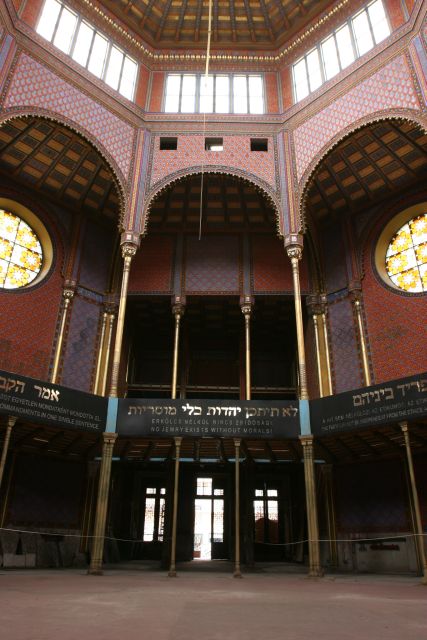
- Dohány Street Synagogue and Kazinczy Street Synagogue: two major synagogues, with one inside visit added for depth
- Jewish Museum Budapest with a local guide: artifacts explained in plain, practical language
- Raoul Wallenberg Holocaust Memorial Park and the Tree of Life: a moving stop that changes how you read Budapest
- Jewish Quarter walk on former ghetto streets: synagogues, monuments, and day-to-day Jewish life side by side
- Kosher café time with cake and coffee: a small break that feels like part of the story
- Skip-the-line entry and entrance fees included: fewer delays, more time on the ground
Starting at Dohány Street Synagogue: where size and meaning meet
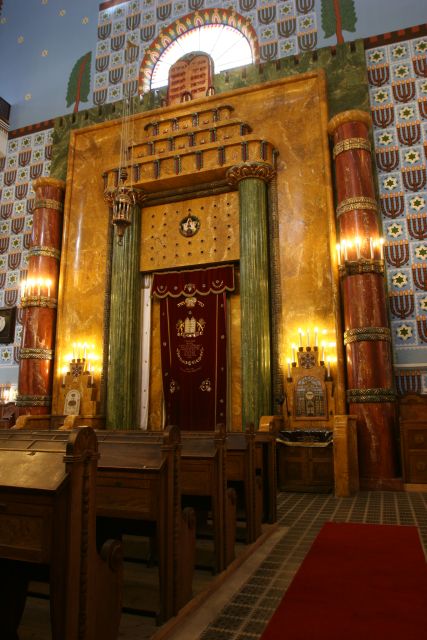
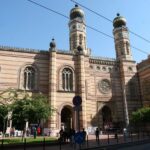
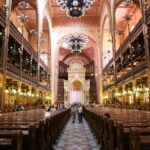
You begin at Dohány Street Synagogue (Dohány u. 2, 1074). This is your first clue that Budapest’s Jewish story isn’t small or hidden. The tour starts with the synagogue’s interior, so you’re not just looking at a building from the curb.
What I love about this opening is how it sets the frame fast. You see the space people gathered in, not just the historical headline about why the community mattered. It also makes the later stops feel connected, because you’re building a mental map of religious and cultural life before you leave the area.
Practical tip: this is a place where you’ll want to slow down and look up. Comfortable shoes matter because you’ll keep moving soon after.
You can also read our reviews of more historical tours in Budapest
Jewish Museum Budapest: explanations that make objects stick
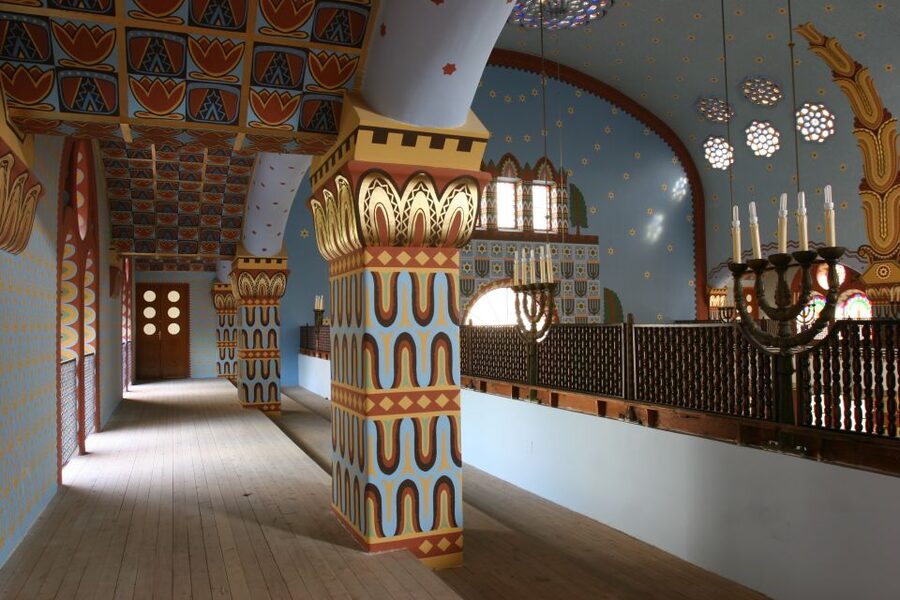
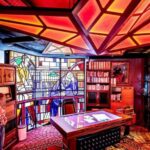
Next is the Jewish Museum Budapest, and this stop is not just a walkthrough. You’ll get guided context inside the museum, with the kind of framing that helps you understand why certain items (and documents, if displayed) mattered to everyday Jewish life.
I like that the museum visit sits between the synagogue interior and the Holocaust memorial sites. It helps you connect faith, culture, and community routines with the later reality of persecution and survival. If you tend to learn best by having a few stories attached to what you’re seeing, this museum time is a strong match.
One more smart detail: the tour is built so you don’t have to worry about entrance logistics for the big sites. Entrance fees for the museum and the main synagogue stops are included.
Raoul Wallenberg Memorial Park and the Tree of Life: the emotional hinge
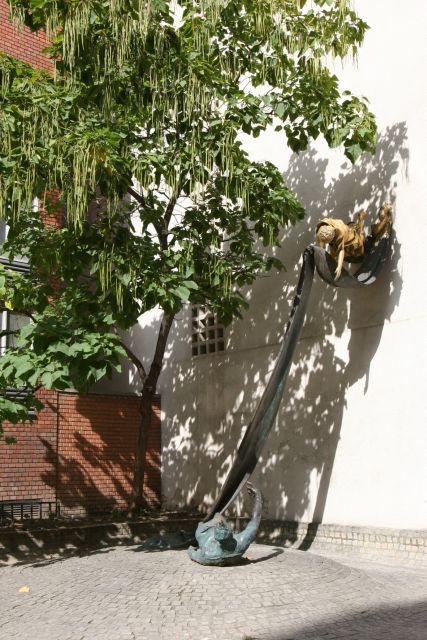
After the museum, you move to Raoul Wallenberg Holocaust Memorial Park. This is where Budapest stops feeling like a photo-friendly city and starts feeling like a place with memory you’re meant to respect.
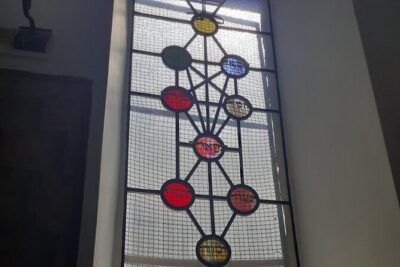
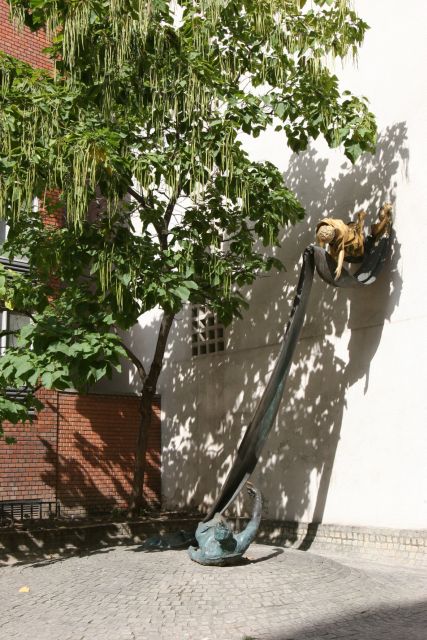
The highlight is the memorial setting itself, including the Tree of Life. Even if you’ve seen Holocaust memorials elsewhere, this stop lands differently because it’s tied to Budapest’s Jewish community and names connected to rescue efforts. It’s also one of those places where your guide’s explanation matters a lot; you’ll learn what to look for instead of just walking past it.
This part of the tour also works for the reason you’d pick a guided experience in the first place: you get the “why” behind the design, names, and symbolism without needing to guess.
The second half: Jewish Quarter streets, kosher life, and survival memories
After a break, the tour continues through the Jewish Quarter. You’ll walk on the streets of the former Ghetto, and the guide tells the local stories that connect the past to what’s still visible today.
Here’s the most useful way to think about this section: you’re seeing layers. Synagogues and monuments sit near everyday spots like kosher restaurants and kosher shops. That mix makes it easier to understand that Jewish life in Budapest wasn’t only interrupted—it also continued and rebuilt.
I also like that you get a bit of broader Budapest orientation while you’re walking. The tour isn’t only about one community. It’s about the city’s geography and how people used those streets.
Two named spots you pass through include the Carl Lutz Memorial (Carl Lutz is also known as Hungary’s Schindler) and Madách Square and Gozsdu Passage. Those references help you leave with more than “I saw a synagogue.” You’ll remember where the story connects to the city’s later life.
The synagogue triangle on foot: Kazinczy inside, plus nearby landmarks
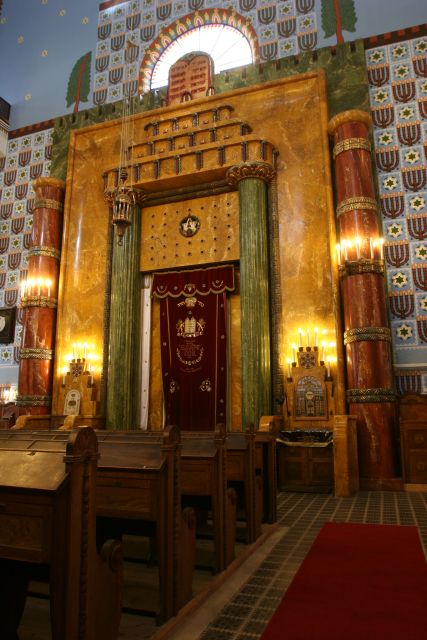
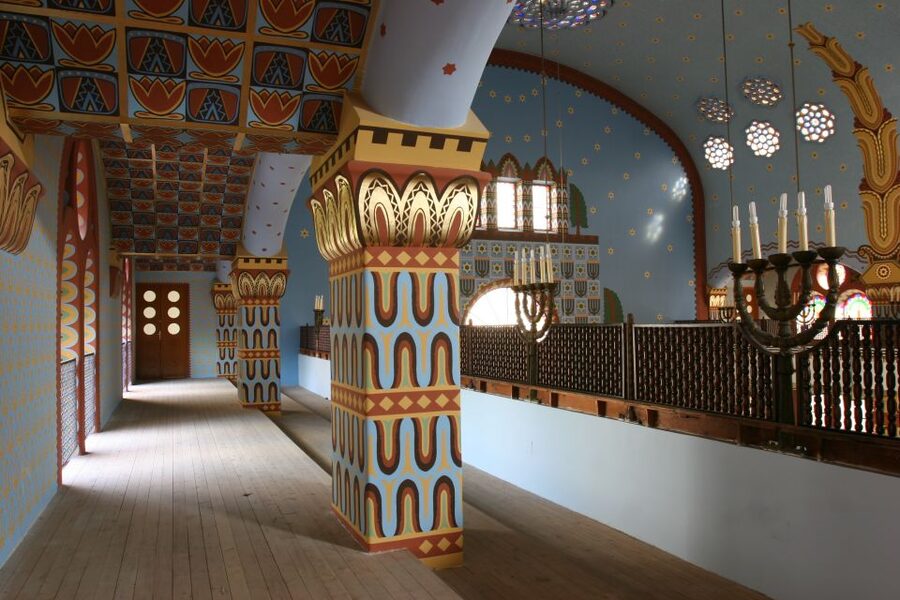
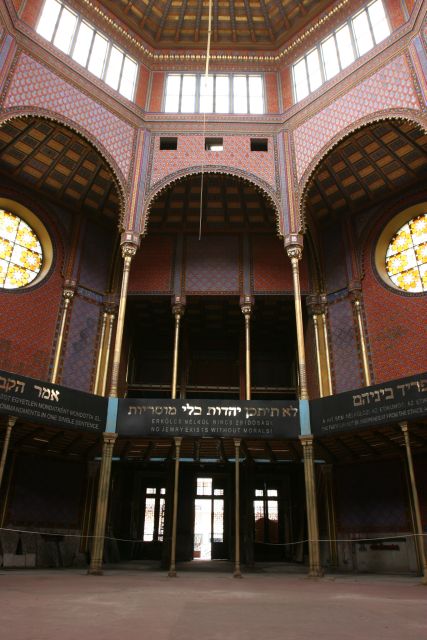
Later, you reach the Kazinczy Street Synagogue as the third station of the synagogue triangle. Kazinczy is visited inside, and it’s described as one of the largest operating Orthodox synagogues in Europe, built in art-nouveau style.
This is a key contrast point. After seeing major sites connected to broader community history, you get a living place of worship that still functions today. The outside visits also matter. You’ll see Rumbach Street Synagogue and you’ll pass by Temple of Heroes (outside), plus a Jewish Centre stop. Those exterior moments give you shape and location, so the inside visit doesn’t feel sudden.
If you like architecture and want to understand why buildings look the way they do, this section rewards that interest. The tour’s structure—inside first, then walking, then inside again—helps you compare styles and roles.


Food break and the small comforts: kosher cake and coffee
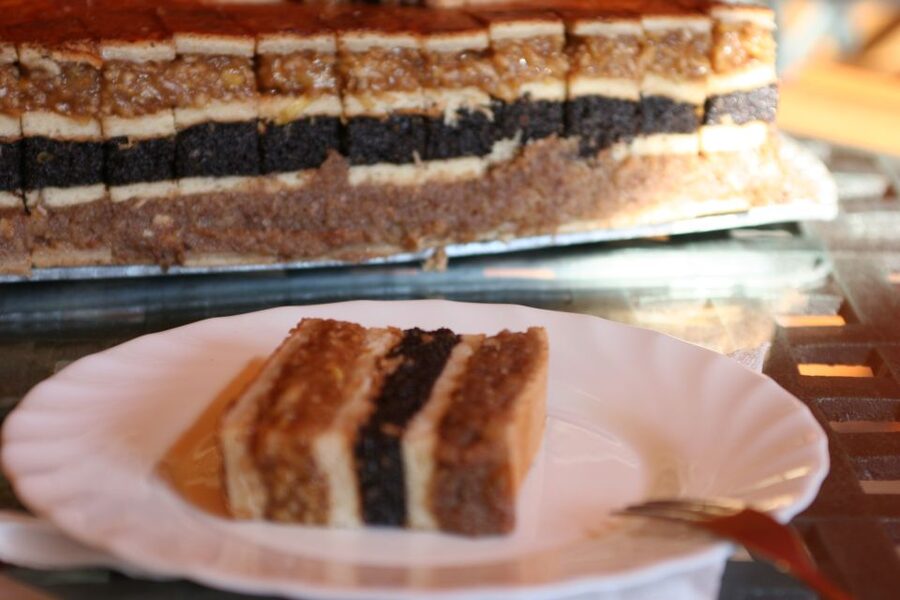
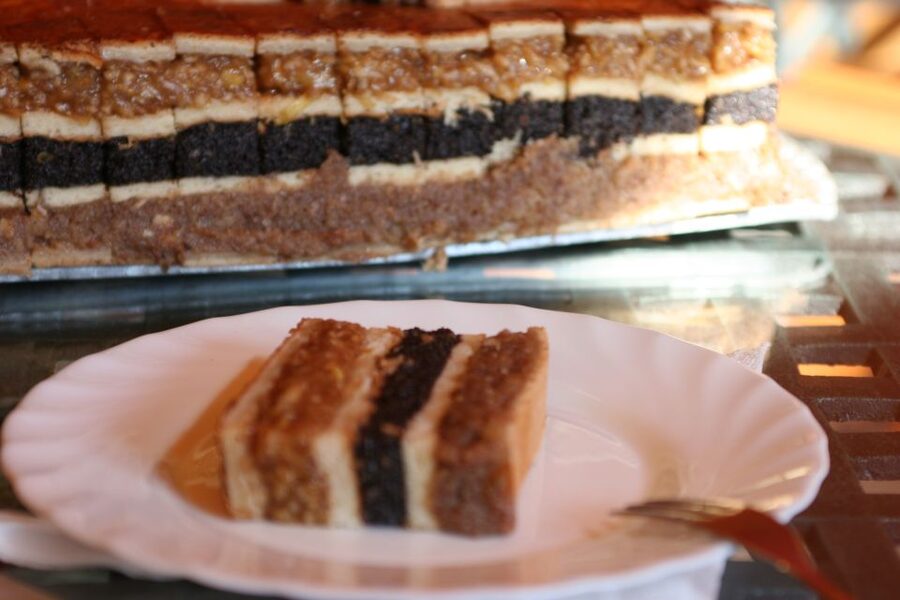
Between the heavier memorial moments and the final synagogue interior, you’ll have a chance for cake and coffee in a kosher confectionary. The tour also includes a 10% discount at Carmel Restaurant if you choose the lunch option.
This isn’t just a snack. It’s a practical reset. By the time you’re moving again through the Jewish Quarter streets, you’ll appreciate the energy boost, and you’ll keep the day from feeling like a nonstop history marathon.
Practical tip: even if you’re not hungry, take the coffee. It helps you stay present for the last indoor site.
Who’s this for (and who should pick something else)?
This tour fits best if you want a focused half-day route that connects religion, community life, and public memory. It’s a good match for you if:
- you like guided explanations at major sites
- you want Holocaust remembrance tied to names and local context
- you’d rather walk and learn than sit in one spot for hours
It may not fit you if you need wheelchair accessibility, since the tour is listed as not suitable for wheelchair users. And if you dislike walking on city sidewalks, you should mentally budget for a fair amount of on-foot time.
Price and value: why $116 can make sense here
At $116 per person for 4 hours, the price looks fair when you consider what’s included. You get a professional guide for the whole tour, plus entrance fees for multiple top stops: Dohány Street Synagogue, Jewish Museum Budapest, Raoul Wallenberg Memorial Park, and Kazinczy Street Synagogue.
You’re also skipping the line through a separate entrance at key locations, which matters because waiting time is the fastest way to lose a half-day. Add in that you walk through the Jewish Quarter with local stories and pass by major landmarks, and you end up with more than a “see the sights” checklist.
So the value equation is: guide + multiple paid entrances + time-efficient entry + structured walking. That’s a lot for one short block of time.
Guide quality: what you can expect from the people leading it
English is covered throughout. And the experience is heavily shaped by the guide’s style—something you can see in the strong praise for guides such as Benjamin, Petra, Orsi, Borcsa, Abel, Barbara, Daniel, and Esther.
What stands out in the way these guides are described is not just facts. People consistently mention clear, thoughtful explanations and guides who handle questions openly. If you’re the type who asks “Why is this here?” or “What happened next?” you’ll probably feel well taken care of.
One note to keep your expectations realistic: a small portion of schedules can end up earlier than the full window when groups split or the day’s timing changes. I’d treat the 4 hours as the plan, not a guarantee that every minute will be identical for every group.
Tips to get the most from your day
- Wear comfortable shoes. Side streets and memorial areas mean you’ll be on your feet.
- Bring your passport or ID card. It’s part of the stated requirements.
- Avoid bringing pets or luggage/large bags. The tour has restrictions.
- If you want great photos, plan to take them briefly. In indoor sacred spaces and memorial sites, look first, then shoot.
And if you’re curious about what you’re seeing, ask. This tour is set up so your questions can fit naturally into the walk.
Should You Book This Tour?
Book it if you want a practical, structured introduction to Budapest’s Jewish heritage in a single half-day. The combination of two major synagogue experiences, a guided museum stop, and Holocaust memorial sites tied to local names is exactly the kind of route that helps you understand Budapest as more than scenery.
Skip it (or consider another option) if you need wheelchair accessibility or if you prefer a slower, longer day with more free time. This is designed as a walk with key stops, not a relaxed wander.
If you’re choosing one Jewish heritage experience in Budapest and you want the most “meaning per hour,” this is a strong contender.