REVIEW · NARA
Nara: Half-Day UNESCO Heritage & Local Culture Walking Tour
Book on GetYourGuide →Operated by MagicalTrip · Bookable on GetYourGuide
Nara hits different when you walk it. This half-day tour pairs Todai-ji Temple and Kasuga Taisha Shrine with time to meet the sacred deer, and it caps the day with a real local lunch. My favorite parts are the two UNESCO sites and the chance to feed the deer (with the provided crackers). One heads-up: it’s a solid walking day, so plan on comfortable shoes and a steady pace.
You also get more than temple photos. I like that the route threads through old neighborhoods and calmer side paths, including a peek inside a traditional merchant home, plus stops that feel like Nara between the big sights. And yes, you’ll get enough structure to know what you’re looking at during the most important parts of the day.
The tour is built for people who want an easygoing plan without giving up freedom to ask questions. I like that it runs with an English live guide and is often in small groups, so you’re not just shuffling along. The trade-off is that it isn’t designed for long detours, so if you want hours more at one place, you may want to add extra time on your own afterward.
In This Review
- Key Highlights You’ll Actually Notice
- Walking From Kintetsu Nara: The Day Starts Calm, Not Chaotic
- Kōfuku-ji and the Warm-Up for Nara’s Temple World
- Naramachi Nigiwai-no-le and the Old-Town Texture Most People Miss
- Todai-ji Temple: The Big Buddha and the Why Behind It
- Kasuga Taisha Shrine: Hundreds of Lanterns and a Different Kind of Sacred
- Shimononegi-michi Pathway: The Quiet Link Between Big Sights
- Deer at Nara Park: Sacred Messengers, Manners, and 1 Packet of Crackers
- Lunch at a Local Restaurant: Local Vegetables and Fresh Meat
- Pace, Group Size, and Why the Guide Changes Everything
- Todai-ji + Kasuga Taisha in One Day: Is It Good Value at $102?
- Who This Tour Is Best For (and Who Should Skip It)
- Should You Book This Nara Half-Day UNESCO Tour?
- FAQ
- Where do I meet for the tour?
- How long is the walking tour?
- Are entrance fees included?
- Does the price include lunch and deer crackers?
- What language is the guide?
- What should I bring?
- Is the tour suitable for vegans or gluten-free needs?
Key Highlights You’ll Actually Notice
- Two UNESCO World Heritage stops: Todai-ji and Kasuga Taisha, both covered with context so it clicks fast
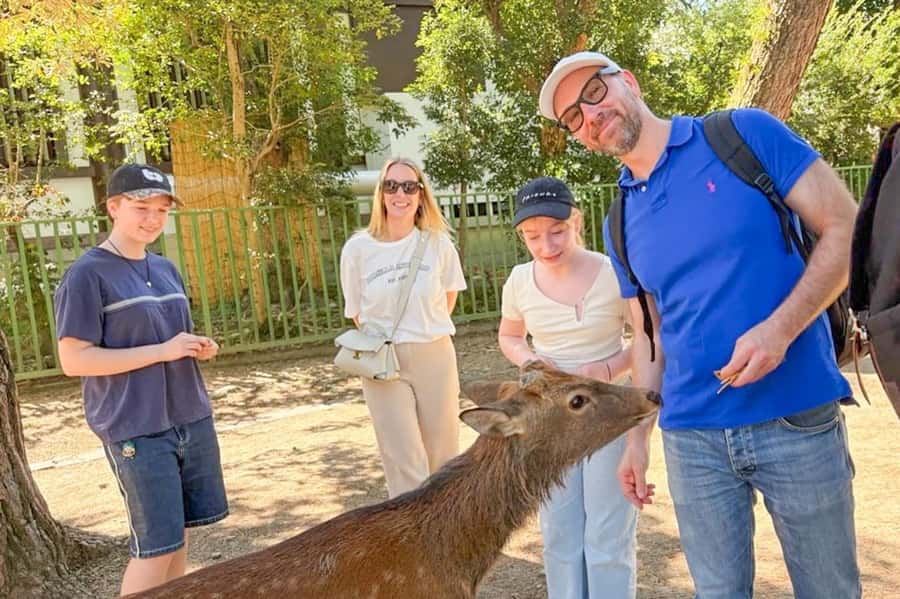
- Deer time in Nara Park: you’ll feed the deer using the included crackers and learn the right way to interact
- Old-town Naramachi flavor: quiet lanes, a shopping arcade feel, and a traditional merchant-house look
- Shrine-lantern atmosphere: Kasuga Taisha’s lantern world is a must-see visual shift from the temple
- Lunch that tastes like Nara: a local meal using local vegetables and fresh meat
- English guide with real stories: guides such as Miyabi, Eri, Peco, and Matthew have led past groups, and the tone stays practical
Walking From Kintetsu Nara: The Day Starts Calm, Not Chaotic
Your day begins at the station, which matters more than people think. You meet in front of the Gyoki Bosatsu statue near Exit 2 at Kintetsu Nara Station (not JR Nara). Your guide holds a board that says Magical Trip, and you’re expected to arrive about 10 minutes early so the group can start on time.
From there, you’re set up to walk at a human pace. This tour is built around steady movement between neighborhoods and key religious sites, with short breaks along the way. In practical terms, that means you can focus on the sights instead of constantly re-checking where you are.
You can also read our reviews of more tours and experiences in Nara.


Kōfuku-ji and the Warm-Up for Nara’s Temple World
A good Nara tour doesn’t start with a single grand building—it starts with context. This one begins with Kōfuku-ji, where you get your bearings in Nara’s temple atmosphere. Even with a shorter stop here, it helps to understand what temples represent in daily Japanese life, not just as museum pieces.
The biggest value of this early segment is the shift in mindset. Tokyo (for most visitors) feels fast and modern. Nara slows down in the details: the street layout, the old-town fabric, and the way religious sites sit inside the fabric of everyday streets.
Naramachi Nigiwai-no-le and the Old-Town Texture Most People Miss
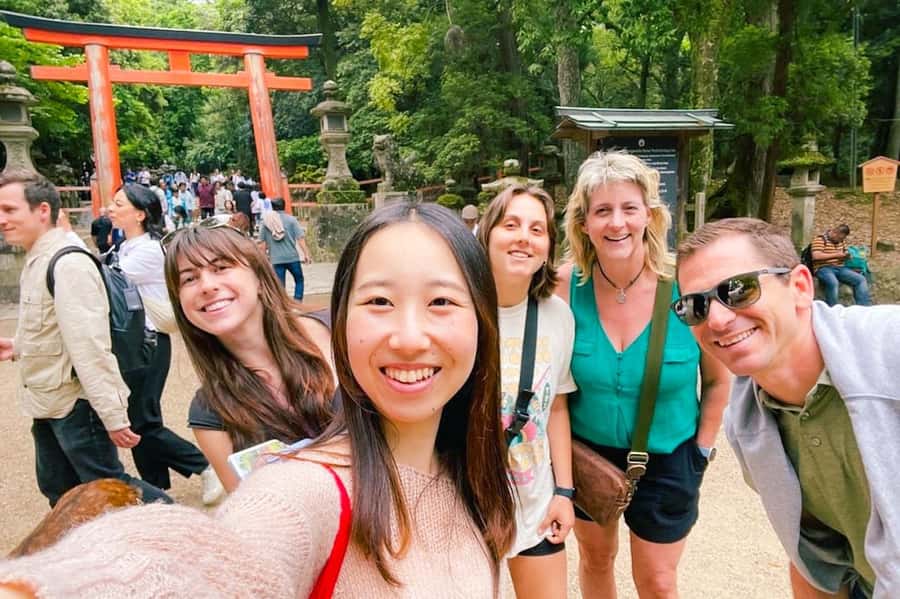
Between the temples, you’ll walk through parts of Nara that feel like a different city than the one in guidebooks. The day includes time in the shopping arcade area and the lively old-town stretch called Naramachi Nigiwai-no-le, where you can see how Nara holds onto everyday commerce even while it’s famous for UNESCO.
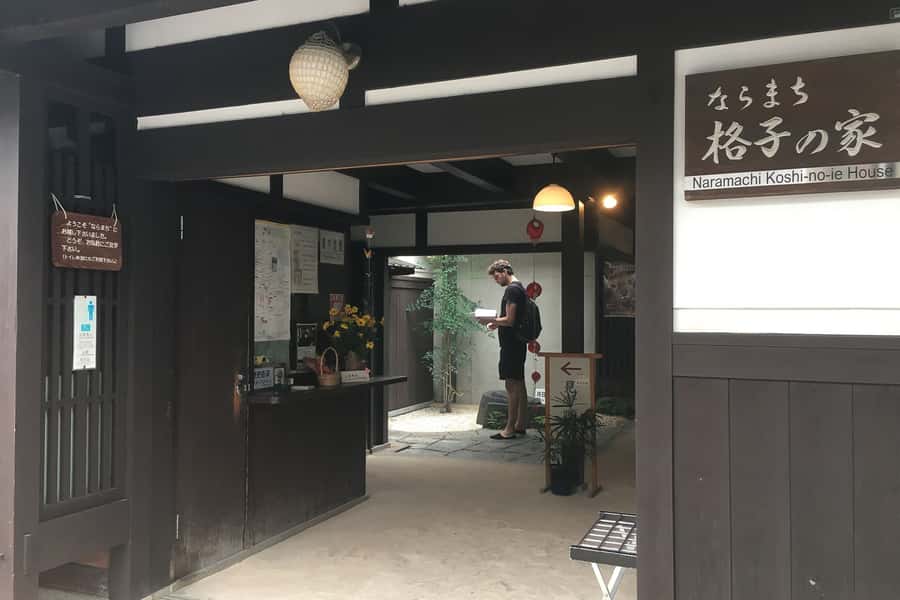
You also get a stop that goes beyond looking at storefronts: you’ll go inside a traditional merchant’s house to see what life looks like in older Nara. That’s a small time investment, but it changes how you interpret the architecture and the street clues you’ll see later.
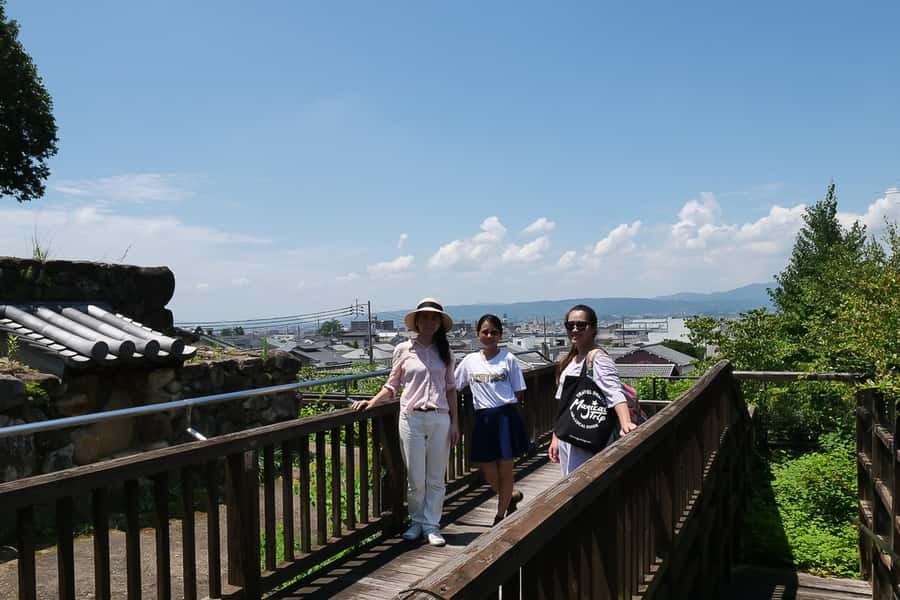
There’s also a pause for a pyramid-shaped structure in a quieter town corner and a hill viewpoint where you can take in the city. You’re not just sightseeing—you’re learning to read Nara’s geography. That viewpoint moment is where the whole day starts making sense.
Todai-ji Temple: The Big Buddha and the Why Behind It
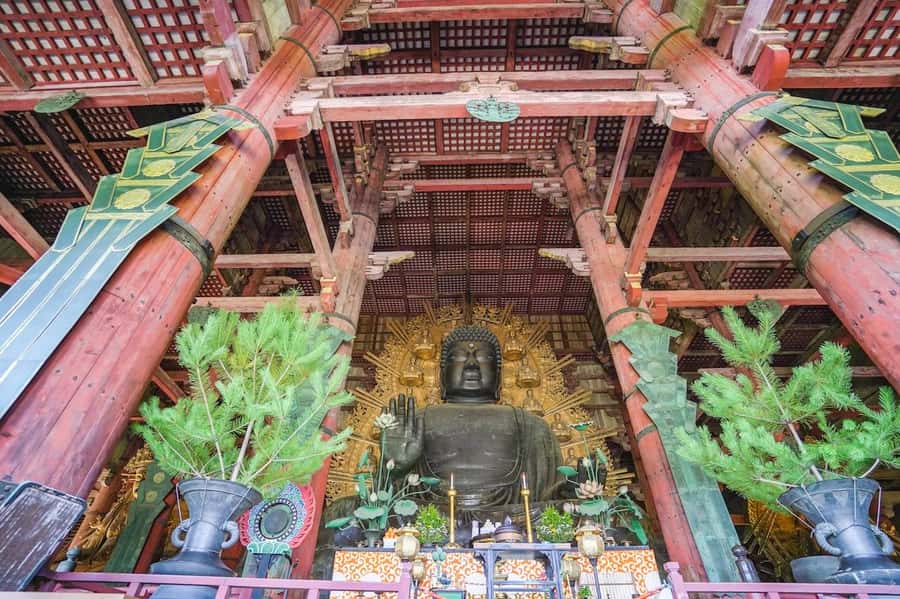
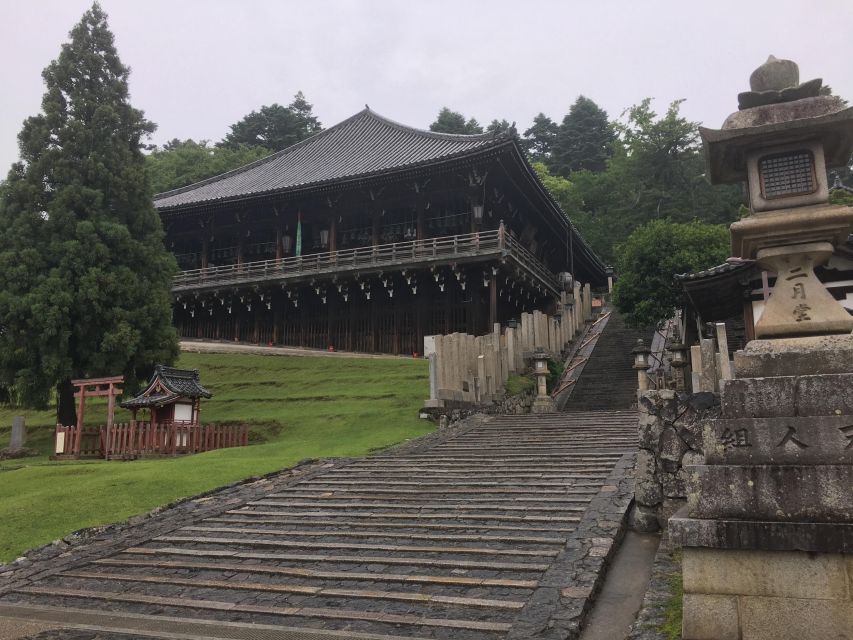
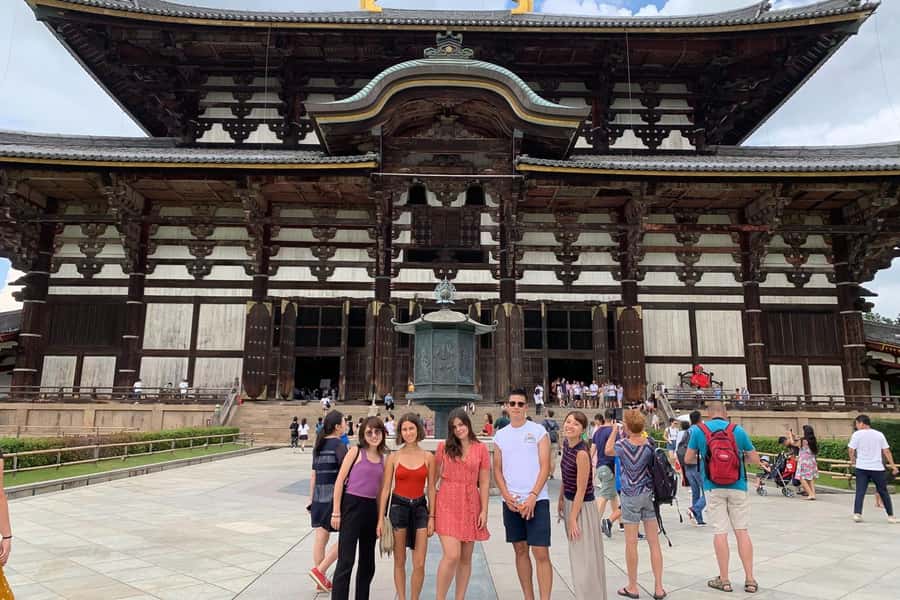
Todai-ji takes center stage, and it deserves the time. You’ll spend about two hours here, and the guide’s role is crucial: you’ll understand what you’re seeing beyond the obvious photo moment of the Great Buddha.
What makes Todai-ji powerful is the feeling of scale and ceremony. The tour gives you a way to look at the space—what religious art is meant to communicate, how temple design supports practice, and why this site matters in Japan’s Buddhist story.
A practical tip: when you arrive, give yourself a minute to orient. The complex is busy, but once you know what’s central, the rest becomes easier to enjoy. With a guided route, you’re not wandering without a clue—you’re walking with a plan.
Kasuga Taisha Shrine: Hundreds of Lanterns and a Different Kind of Sacred
After Todai-ji, the experience changes gears in a good way. You’ll head to Kasuga Taisha, another UNESCO World Heritage Site, with about 40 minutes here.
If Todai-ji is the heavy, monumental Buddha energy, Kasuga Taisha is all about the shrine atmosphere. The defining visual is the hundreds of lanterns, which create a rhythm through the pathways and give the whole shrine area a calm, almost otherworldly feel.
The guide explains the distinct religious culture behind what you’re seeing. That’s the point of visiting both a temple and a shrine in the same day: you start to feel the difference in practice and symbolism. It helps you notice that Japanese religious life often mixes traditions and meanings rather than treating them as separate worlds.
Shimononegi-michi Pathway: The Quiet Link Between Big Sights
Between Kasuga Taisha and the old-town atmosphere again, you’ll walk the Shimononegi-michi Pathway. This is one of those segments that turns a list of landmarks into a real walk.
Why it matters: the pathway gives you a breather from the most crowded points while still moving you toward Nara’s residential texture. It’s also where the day’s “local culture” promise becomes real. You can see how people live alongside famous sacred spaces.
If you’re prone to rushing, this is the stretch to slow down. Let your eyes track the details—stone edges, signs, and the sense of layered time in the neighborhood.
Deer at Nara Park: Sacred Messengers, Manners, and 1 Packet of Crackers
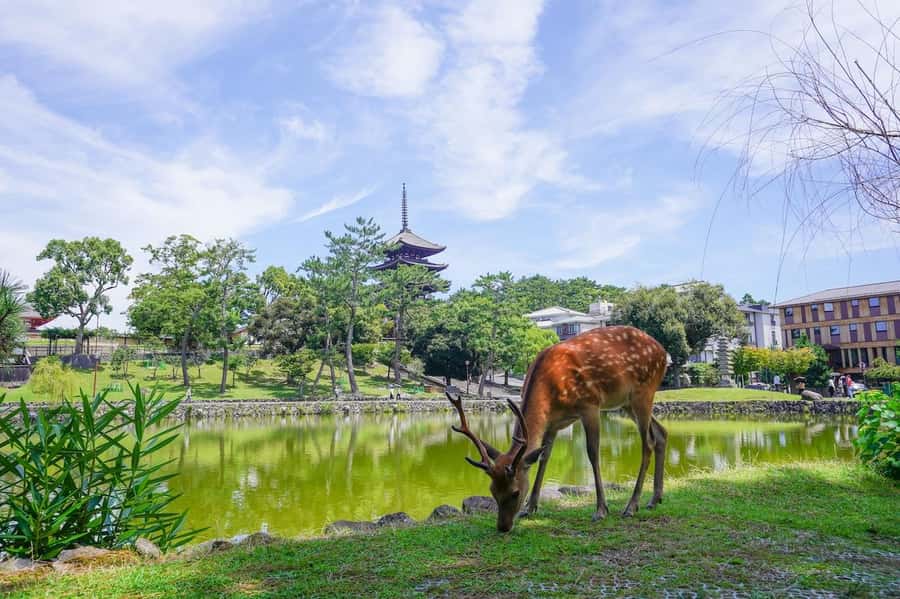
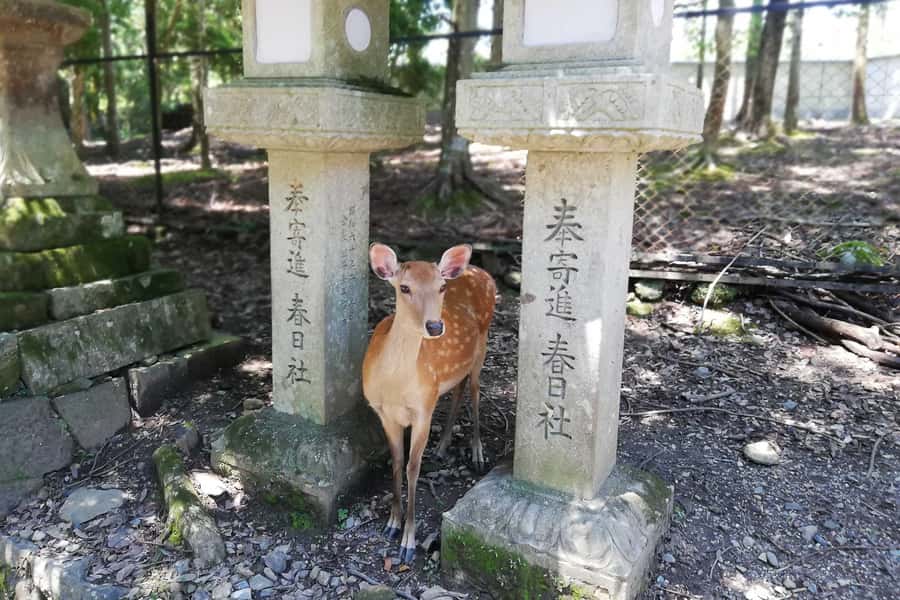
The deer interaction is the highlight almost everyone remembers. You’ll meet the wild deer in Nara Park, and you’ll be given 1 packet of crackers to feed them.
This part isn’t just cute. The guide explains that for over 1,200 years, locals have seen deer as sacred divine messengers. That belief helps you understand why the deer are treated with care, not just as entertainment props.
How to think about it while you’re there:
- Don’t act surprised if they approach quickly. It’s normal.
- Use the crackers offered in a calm, steady way.
- Keep your space respectful. The deer can be bold, but the vibe is still polite.
Also, a practical nudge from real experience: deer crackers can sell out around the park area. If you plan to stay longer after the tour, you may want to buy extra in advance so you’re not stuck walking back for more.
Lunch at a Local Restaurant: Local Vegetables and Fresh Meat
Your tour ends with lunch at a local restaurant (about 45 minutes). The meal is included, and it’s described as using local Nara vegetables and fresh meat—not the generic set-menu style you sometimes see on short city tours.
This is where value shows up. You’re paying for guided access to two major UNESCO sites, yes—but lunch being part of the package means you don’t lose time hunting for food later. More importantly, it tastes like Nara.
Diet notes you should take seriously before you book:
- If you need vegetarian or gluten-free options, you must request it in advance (by the day before). Requests on the day of the tour aren’t accepted.
- The tour isn’t suitable for vegans and isn’t meant for people with gluten intolerance, so plan accordingly.
- Extra snacks and drinks aren’t included, and it’s smart to bring some cash if you want to buy more.
Pace, Group Size, and Why the Guide Changes Everything
The walking portion adds up, but the structure keeps it comfortable. Multiple guides have handled different group dynamics well in past runs—people have specifically praised guides like Miyabi, Eri, Peco, and Matthew for pacing, for staying on schedule without feeling rushed, and for making time for questions.
Small groups come up again and again in the feedback. When you’re in a small group, it’s easier for the guide to:
- tailor explanations to your questions,
- keep everyone moving together,
- and make sure you don’t miss the small details like temple stamps or the right rhythm for shrine visits.
If you like conversations—history, architecture, how to pray, how people interpret religious spaces—this tour format works especially well. You’re not stuck with a rigid script. You get real talk while still hitting the must-see sites.
Todai-ji + Kasuga Taisha in One Day: Is It Good Value at $102?
At about $102 per person for 5 hours, the price feels fair when you look at what’s included: entrance fees to the sites, a packet of deer crackers, and lunch. You’re also paying for the guide’s job—translating what you’re seeing into something you can actually understand quickly.
Here’s how I’d frame the value for you:
- If you’re the type who enjoys wandering on your own, you might spend less without a guide—but you’ll likely miss the meaning behind the architecture and rituals.
- If you want a tight plan with two UNESCO sites and a local meal, paying for guidance saves you time and guesswork.
- The biggest cost you avoid is your own time: researching routes, sorting entry logistics, and trying to understand complex temple/shrine traditions while you’re tired.
In short, the pricing makes sense for people who want Nara to feel coherent, not like a checklist.
Who This Tour Is Best For (and Who Should Skip It)
I think this tour is a great fit if you:
- want a half-day UNESCO hit without stress,
- enjoy religious culture but don’t want to spend your time reading on your phone,
- like walking city neighborhoods as much as landmark sightseeing,
- and want a local lunch included.
I’d be more cautious if you:
- can’t do steady walking (it’s a walking tour, and you’ll cover multiple areas),
- need vegan or gluten-intolerance support (the tour isn’t suitable for those cases),
- or you want to linger for hours at a single site. This one is structured for breadth.
Should You Book This Nara Half-Day UNESCO Tour?
If your time in Nara is limited, I’d book it. The combo of Todai-ji, Kasuga Taisha, deer feeding, and lunch makes the day feel complete. The guide-driven context is the difference between seeing monuments and actually understanding why they matter.
If you’re picky about food needs, message ahead about vegetarian or gluten-free. If you’re vegan or have gluten intolerance, look for an alternative that fits your dietary reality. And if your feet are a concern, bring solid shoes and keep a steady pace—this tour rewards you most when you’re comfortable moving.
Overall: this is a smart way to experience Nara’s sacred side and its everyday old-town texture in just five hours, with enough structure to make the UNESCO parts genuinely meaningful.
FAQ
Where do I meet for the tour?
Meet in front of the Gyoki Bosatsu statue near Exit 2 (or East Exit) of Kintetsu Nara Station. Your guide will be holding a board that says Magical Trip. Do not go to JR Nara Station.
How long is the walking tour?
The tour duration is 5 hours.
Are entrance fees included?
Yes. Entrance fees to all temples and shrines visited are included.
Does the price include lunch and deer crackers?
Yes. Lunch is included, and you also get 1 packet of crackers to feed the deer.
What language is the guide?
The tour is guided in English by a live tour guide.
What should I bring?
Bring comfortable shoes for walking. You may also want some cash for extra snacks and drinks you purchase during the tour.
Is the tour suitable for vegans or gluten-free needs?
The tour is not suitable for vegans and people with gluten intolerance. If you have dietary requests like vegetarian or gluten-free needs, you must request them in advance (by the day before). Requests on the day of the tour can’t be accepted.