REVIEW · YOGYAKARTA
Kotagede Yogyakarta Heritage Walk Tour
Book on Viator →Operated by Lawang Pethuk Kotagede · Bookable on Viator
Kotagede feels like daily life with royal roots. This community-led walk in Yogyakarta threads together Mataram Kingdom tombs, traditional homes, and hands-on crafts like jamu herbal medicine. It’s the kind of route where you don’t just look at culture—you see how people keep it going.
I especially like two things: the small group size (max 10) that lets your guide actually talk with you, and the up-close stop-and-watch moments, from herbal preparation to a silversmith at work. One thing to plan for: the walk can be hot, and you’ll want to be ready for rain.
If you want a heritage experience that feels local instead of staged, this is a strong pick—and it’s priced to match the value you get for those 2–3 hours.
In This Review
- Key Points to Know Before You Go
- Kotagede Heritage Walk: royal tombs meet real neighborhood rhythm
- Price and time: $35 for 2–3 hours of hands-on culture
- Where you start and how the route ends near Kotagede gates
- Mataram Kings Cemetery: Javanese dress and the feeling of ceremonial space
- Between Two Gates: traditional homes, community rules, and the snack break
- Pasar Legi Kota Gede: herbs, jamu, and market life in motion
- Silversmith and herbal craft: watching work, not just seeing results
- What to wear and bring: comfort beats style on this walk
- Small-group value: why max 10 people changes the whole experience
- Who this tour is best for (and who should pick another plan)
- Should you book the Kotagede Heritage Walk Tour?
- FAQ
- How long is the Kotagede Yogyakarta Heritage Walk Tour?
- How much does the tour cost?
- What group size should I expect?
- What’s included during the tour?
- Is Javanese dress provided?
- Where do I meet and when does it run?
Key Points to Know Before You Go
- Max 10 people means a calmer, more conversational pace through Kotagede
- Community-run guidance focuses on living culture, not just monuments
- Jamu making + a silversmith turn tradition into something you can watch in real time
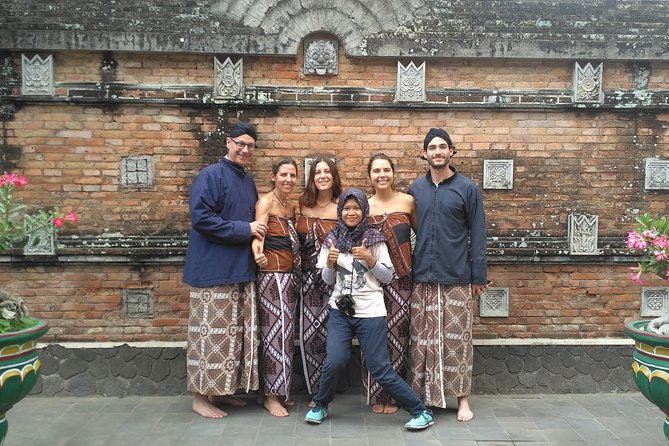
- Mataram Royal Cemetery includes Javanese dress for the visit
- Pasar Legi Kota Gede is where you’ll connect herbs, food, and everyday market life
- Weather matters since the experience runs as a walking route
Kotagede Heritage Walk: royal tombs meet real neighborhood rhythm
Kotagede sits in Yogyakarta like a place that remembers power—but still lives like a neighborhood. A short walk here can cover big themes: Mataram Kingdom authority, religious spaces, household traditions, and tradespeople working with their hands.
What makes this tour work so well is how it links the sites. You don’t bounce between unrelated “highlights.” Instead, you move from sacred spaces to daily streets, then into a market where herbs and food are part of ordinary life. That flow helps you understand why Kotagede’s heritage still matters.
You can also read our reviews of more walking tours in Yogyakarta


Price and time: $35 for 2–3 hours of hands-on culture
At $35 per person for about 2–3 hours, this is positioned as a value-oriented cultural walk. The cost makes more sense when you factor in what’s included: you’re paying for a guided route that covers multiple meaningful stops and includes admission ticket access for those main sites.
The timing also matters. This isn’t a half-day endurance event. It’s long enough to get real context—cemetery, neighborhood homes, and market life—without dragging you across the city all day. If you’re already in Yogyakarta for a few days, this is an easy slot to fit into a morning.
Where you start and how the route ends near Kotagede gates
The tour starts at Jl. Masjid Besar No.905, Sayangan, Jagalan, Banguntapan, Bantul and ends at Lawang Pethuk Kotagede (Jl. Alun-Alun Utara, RT.37/RW.09, Purbayan, Kotagede). The meeting window listed runs 8:00 AM to 11:30 AM, Monday through Sunday.
This is useful because a morning schedule tends to be less crowded and often easier for market viewing. It also gives you daylight for photos around traditional homes and the cemetery area, without turning the experience into an afternoon heat marathon.
Mataram Kings Cemetery: Javanese dress and the feeling of ceremonial space
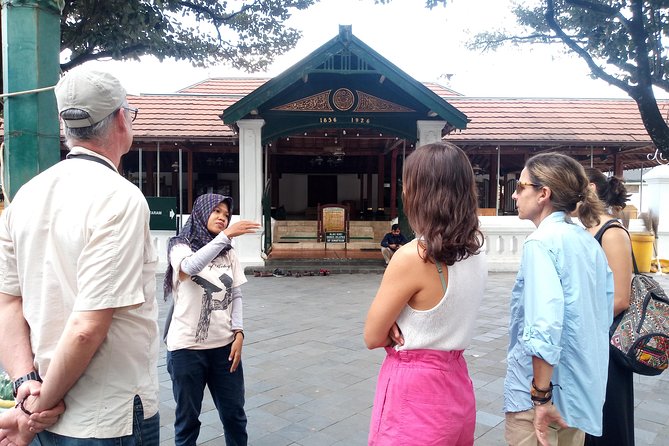
The first major stop is the Mataram Kings Cemetery in Kotagede, where your local guide brings you into the area and helps you understand what you’re looking at. Expect a more formal atmosphere than the street-level parts of Kotagede, because this is a royal cemetery space—built for respect, not wandering.
A highlight here is that Javanese dress is provided. That small detail changes how you experience the visit. Instead of treating it as another photo spot, you’re more likely to slow down and follow the guide’s pacing and explanations.
You’ll also spend time near Masjid Gedhe Mataram, mentioned as a very old mosque associated with the area. Even if you’re not focused on architecture, it helps to see how religious space sits beside royal heritage here. It’s part of why Kotagede’s story feels continuous rather than separate chapters.
Practical note: cemetery visits can involve standing and walking on uneven paths, so wear something comfortable and breathable.
Between Two Gates: traditional homes, community rules, and the snack break
Next you move into an area described as Between Two Gates, where the focus shifts from royal sites to the household life of Kotagede. Here you can explore traditional residences that people actually live in, not just preserved facades.
The guide will explain a local concept tied to how families share space and maintain harmony—rukunan. The idea, as explained on the route, is about agreement and how residents live together in a settled, respectful way. It’s a useful concept because it reframes “architecture.” You start noticing not just building style, but why the layout and shared boundaries matter.
You’ll also enjoy a traditional snack during this neighborhood stretch. One snack specifically called out is pangsit, which tells you this break isn’t a random tourist add-on—it’s tied to local food culture.
Potential drawback at this stage is simple: if you’re sensitive to heat, the “walk to homes” portion can feel slower than you expected. Pace yourself, take the drink breaks your guide suggests, and don’t skip the snack—it helps.
You can also read our reviews of more historical tours in Yogyakarta
Pasar Legi Kota Gede: herbs, jamu, and market life in motion
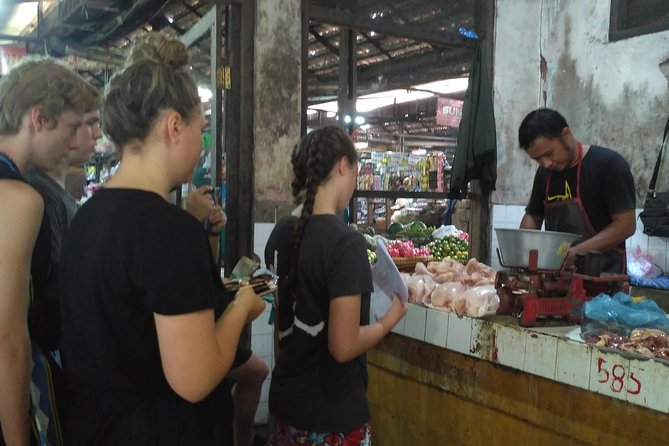
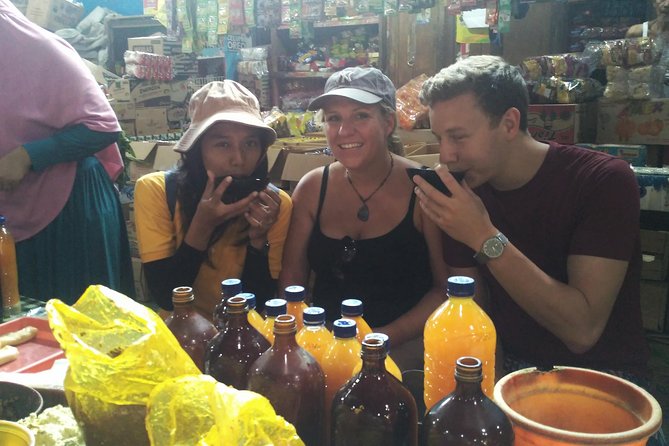
Then comes Pasar Legi Kota Gede, described as a local and very old market in southern Java. This is one of the best places to learn how heritage turns into daily consumption: fruit, vegetables, kitchen supplies, and herbs are all part of the scene.
This is where jamu becomes concrete. You’ll see a jamu making process, not just a packaged product behind glass. Jamu is part medicine, part tradition, and part everyday wellness practice—and market stalls are often where ingredients begin their journey.
You can expect to find:
- local food and snack options
- fruit and vegetables
- herbs used for herbal preparations
- kitchen items
Even if you don’t buy anything, walking through the market with a guide helps you connect names, ingredients, and uses. You’ll likely understand why jamu shops and herb sellers sit close to places where people do their routine shopping.
One small caution: markets can move fast. If you want photos, ask your guide when it’s okay to stop and reposition, so you don’t hold the group up—or get in the way.
Silversmith and herbal craft: watching work, not just seeing results
The tour also includes a silversmith in action and the broader theme of traditional making. This is one of the most satisfying parts because you get to watch technique being applied in real time.
Instead of reading about “craft heritage,” you see how tools, timing, and skill matter. Silversmithing also fits perfectly after the royal cemetery stop: you start seeing how authority isn’t only about tombs and palaces—it’s also about the objects and workmanship that supported status and ceremony.
And because you’ve already been introduced to jamu earlier, the craft moments don’t feel random. You’re seeing two different traditions—medicine/herbal practice and metalwork—being passed along through hands-on work.
What to wear and bring: comfort beats style on this walk
This experience is a walking route with multiple stops, so comfort is the real strategy. Plan for the weather. On this kind of early-morning heritage walk, you can still hit sun and humidity, and rain can happen.
I recommend:
- breathable clothes and comfortable walking shoes
- a hat and sunscreen
- a small umbrella or rain layer
- water (bring more than you think you need)
Dress rules matter mainly at the cemetery. Since Javanese dress is provided there, you can keep your own outfit simple. Still, you should be able to move comfortably because the walk includes street-level time between stops.
Small-group value: why max 10 people changes the whole experience
A capped group size of just 10 travelers (small enough that you can hear your guide clearly) is a big part of why this tour feels personal. With fewer people, your guide can tailor pacing, answer questions, and keep you from feeling like you’re watching culture through a traffic jam.
This matters especially for the neighborhood and market portions. When you’re walking between living spaces and active stalls, attention and respect matter. Smaller groups help keep the experience smoother for you and the community you’re visiting.
Community-run also has a practical effect. You’re more likely to get explanations grounded in local life—why places matter, not just what they are.
Who this tour is best for (and who should pick another plan)
This tour is a great fit if you:
- love everyday culture, not only big-ticket temples
- enjoy hands-on moments like jamu preparation and craft demonstrations
- want a route that ties history to current living neighborhoods
- prefer a guided walk over a bus tour
It may be less ideal if you:
- want a long, museum-style indoor experience
- hate walking in heat or through market crowds (even with a small group, you still move)
If you’re doing a Yogyakarta itinerary and want a morning activity that’s genuinely local in feel, this one is strong.
Should you book the Kotagede Heritage Walk Tour?
Book this if you want a community-run small-group morning where royal sites, traditional homes, herbal practices, and a working silversmith all connect in one coherent route. The $35 price feels fair for the included admissions, the Javanese dress moment, and the hands-on watching you get.
Pass if you’re mainly hunting for landmark photo stops and you don’t want any weather-related walking. But if your idea of value is time well spent with a real guide and real craft, this Kotagede walk earns your morning.
FAQ
How long is the Kotagede Yogyakarta Heritage Walk Tour?
The tour lasts about 2 to 3 hours.
How much does the tour cost?
The price is $35.00 per person.
What group size should I expect?
The tour has a maximum of 10 travelers.
What’s included during the tour?
You’ll visit key heritage areas including the Mataram Kings Cemetery, traditional houses, and Pasar Legi Kota Gede, plus you’ll watch jamu herbal medicine being made and see a silversmith in action.
Is Javanese dress provided?
Yes. Javanese dress is provided for the cemetery visit.
Where do I meet and when does it run?
The start point is Jl. Masjid Besar No.905, Sayangan, Jagalan, Banguntapan, Bantul, and it ends at Lawang Pethuk Kotagede. The listed opening hours are 8:00 AM to 11:30 AM, Monday through Sunday.