REVIEW · PARIS
Montmartre’s heritage with specialties tasting Private Tour
Book on Viator →Operated by Venez Discover France · Bookable on Viator
Montmartre feels like a postcard street, then it gets personal. This private 2.5-hour walk mixes bohemian art history with French food tastings, plus a quick look at two churches. You get a tight route that helps you understand why Montmartre became an artist magnet, without losing half the day to wandering.
Two things I like a lot: the stop at Notre-Dame de Lorette, where the interior is all murals, marble, and gold, and the tastings on Rue des Martyrs that cover both sweet and savory. One thing to keep in mind is guide reliability and meet-up clarity. A couple of people have reported problems finding the guide, so you’ll want to confirm timing and have your contact method ready.
If you’re going to do Montmartre, do it with a plan. You’ll cover classic streets, artist legends like Picasso and Toulouse-Lautrec in the story, and you’ll end up with better context than you’d get from a random stroll—especially if you’re short on time or visiting in hot weather.
In This Review
- Key highlights to look forward to
- Why This Montmartre Tour Fits Real Paris Time
- Notre-Dame de Lorette: Neoclassical Beauty With Real Interior Drama
- Rue des Martyrs Tastings: Croissants, Jam, and Cheese on a Real Street
- Montmartre’s Streets: Colorful Village Feel and the Artist Story
- Sacré-Coeur Area Views: Understanding Why It Became the Landmark
- Guide Style Makes the Difference on a Hill Town
- Price and Value: What $169.57 Buys You Here
- Practical Tips Before You Walk Montmartre
- Should You Book This Montmartre Heritage With Specialties Tasting Private Tour?
- FAQ
- How long is the Montmartre heritage with specialties tasting private tour?
- How much does the tour cost per person?
- Is this tour private or shared?
- Where does the tour start?
- Which church is included with a ticket?
- Is there a second church included?
- What food items are included in the tastings?
- Is the Montmartre portion ticketed?
- When is the tour usually booked?
- What is the cancellation policy?
Key highlights to look forward to
- Rue des Martyrs + Notre-Dame de Lorette in one smooth first stretch, with ticketed entry
- Sweet-and-savory tastings like croissants, homemade jam, and locally made cheese
- A private, flexible pacing that works even on steep hills
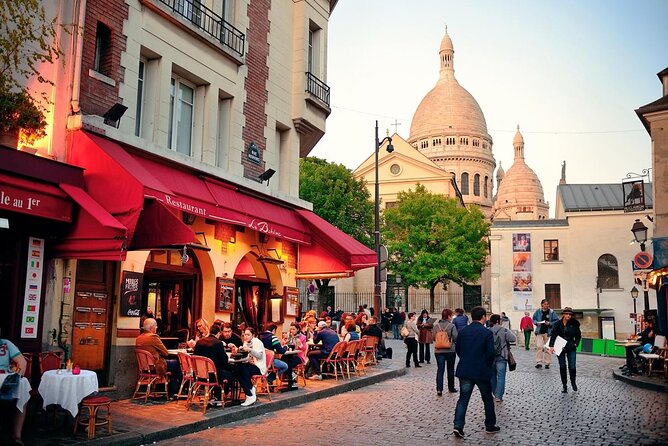
- Montmartre’s village feel in narrow cobbled streets and older, colorful building styles
- An art-focused route tied to the area’s long creative reputation and Sacré-Coeur area views
Why This Montmartre Tour Fits Real Paris Time
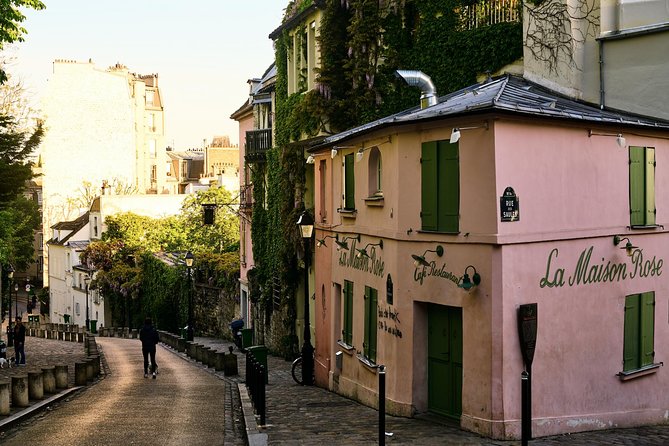
Montmartre is one of those neighborhoods where you can lose time fast—because every corner looks like a movie set. What I like about this tour is the math: you get about 2 hours 30 minutes, enough to see the main atmosphere and still feel like you learned something.
This is a private tour, so it’s not a cattle-car experience. Your guide can slow down, add a few moments for photos, and shape the pacing to your group. That matters here because you’ll be walking through streets that can feel steep and uneven, especially if you’re traveling with kids, older relatives, or anyone who tires quickly.
Also, the tour is built around two key layers of Montmartre: the art-and-people layer and the food-and-street layer. Instead of just naming places, you connect the neighborhood’s bohemian history to what you see as you walk—then you reward yourself with tastings along the iconic Rue des Martyrs.
Finally, it’s a tour format that works even if you don’t want a full-day Montmartre deep dive. If you’re doing other Paris highlights that day, this helps you keep your schedule intact.
You can also read our reviews of more food & drink experiences in Paris

Notre-Dame de Lorette: Neoclassical Beauty With Real Interior Drama
Your first major moment lands at Notre-Dame de Lorette, and it’s not just a quick exterior glance. The church stop is designed to be a proper look inside, and it’s ticketed (included for this stop).
Here’s what makes this church stand out in practical terms: the interior is described as a visual feast—colorful hand-painted murals, plus marble and gold structures and an elaborately decorated ceiling. That combination is exactly what you want on a Montmartre day. A lot of walking tours hit churches as background noise; this one treats it like a highlight.
If you like architecture, this is a smart entry point. The church is presented as neoclassical in style, which gives you a different angle on Montmartre compared with the more famous Sacré-Coeur area. It’s also a place where the guide can explain what you’re seeing while you’re still in the right spot to notice it.
One small drawback: churches can involve standing and looking up. If your group has mobility issues, you’ll want to tell the guide early so they can slow the pace and suggest the easiest spots to view the ceiling and murals.
Rue des Martyrs Tastings: Croissants, Jam, and Cheese on a Real Street
After the church, you step into Rue des Martyrs, which is one of Paris’s busiest historic streets. This stretch is a big part of why the tour feels less like museum time and more like street Paris.
This is also where the tastings come in, and I like that the menu covers both ends of the spectrum: croissants, homemade French jam, and locally made cheese. That gives you a balanced run of flavors—something buttery and flaky, something sweet and bright, and something savory to reset your palate.
Tastings on a walking tour work best when they’re tied to a place you can actually stand and look around. That’s the advantage here. You’re not tasting in a random shop with no context—you’re on the street, watching the rhythm of the neighborhood while you eat.
What to do before you go: consider arriving hungry, but not empty. I’d treat the tastings as a few solid bites rather than a full meal. If you know you’ll want a real dinner later, this should leave you satisfied without ruining your appetite for the rest of your day.
If you’re visiting during a hot stretch, this part can be comfortable because you can stop briefly and keep it moving at a human pace. One guide-reported detail I appreciated from others: on a very hot day, they took breaks when needed and still hit the tastings—so the pacing can matter as much as the food.
Montmartre’s Streets: Colorful Village Feel and the Artist Story
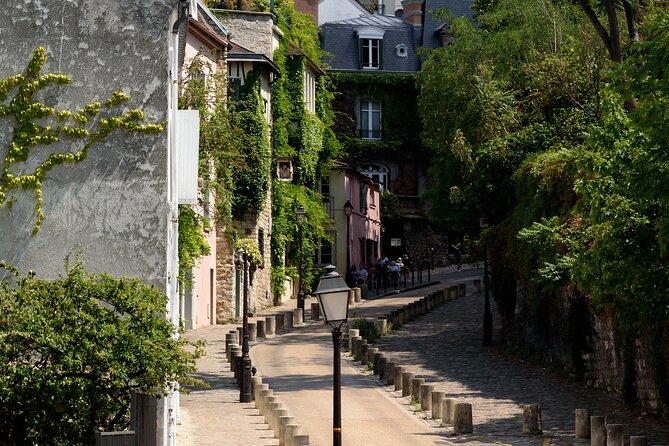
Next you move into Montmartre, where the vibe shifts from grand interiors to narrow streets and older buildings. You’ll spend about an hour exploring the neighborhood’s atmosphere: the tour focuses on cobbled lanes, colorful homes, and local shops and cafés.
What makes this segment more than scenic walking is the framing. The guide ties the streets to the area’s identity as an artistic hub. You’ll hear how Montmartre became a creative heart of Paris and how it influenced major buildings in the area, including Sacré-Coeur.
You’ll also notice building style as you go. The tour description points to original Romano-Byzantine style architecture. Even if you’re not a serious architecture nerd, it’s useful because it explains why the neighborhood looks the way it does—less random, more intentional. If you’ve ever wondered why Montmartre photos look slightly different from other Paris streets, this kind of explanation helps.
One consideration here: Montmartre’s charm comes with uneven ground. Cobblestones and small inclines can feel harder than they look. If you’re traveling with kids, seniors, or anyone who doesn’t do well on slopes, plan on a slower pace and don’t be shy about asking for stops.
Sacré-Coeur Area Views: Understanding Why It Became the Landmark
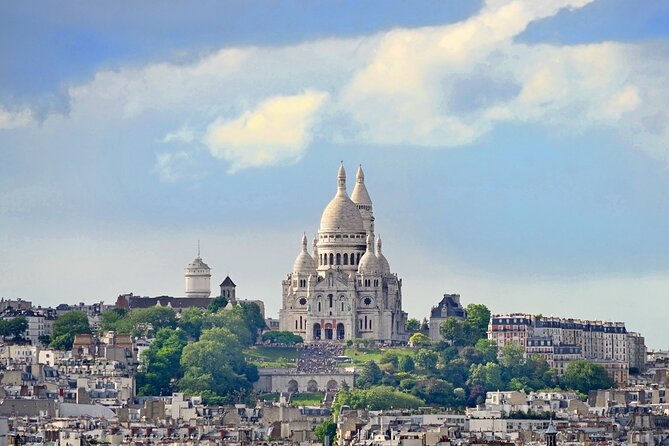
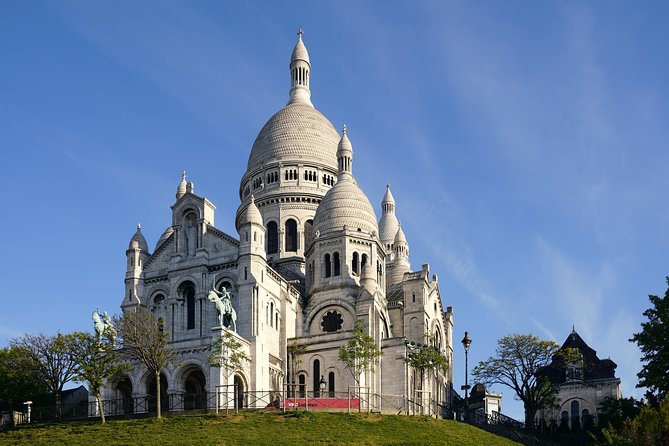
You’re promised a peek into two churches: Notre-Dame de Lorette and Basilique du Sacre-Coeur. Even when the time is tight, the goal is to help you connect Sacré-Coeur to the neighborhood story you’ve just started.
In practical terms, that means you don’t just arrive at a famous building and check a box. You should come away knowing why this area’s religious centerpiece fits the broader Montmartre theme—artists, history, and a neighborhood identity that grew around creativity.
This is where a good guide pays off. The best tours don’t treat Sacré-Coeur as a separate attraction. They explain how it sits in the neighborhood’s evolution and why people still feel compelled to climb up here.
A friendly tip: if you’re sensitive to crowds, be ready for photos to compete with people. Private pacing helps—you’re not stuck in a big line behind strangers in the same way a large group might be. Still, Sacré-Coeur is popular, so plan for busy moments.
You can also read our reviews of more private tours in Paris


Guide Style Makes the Difference on a Hill Town
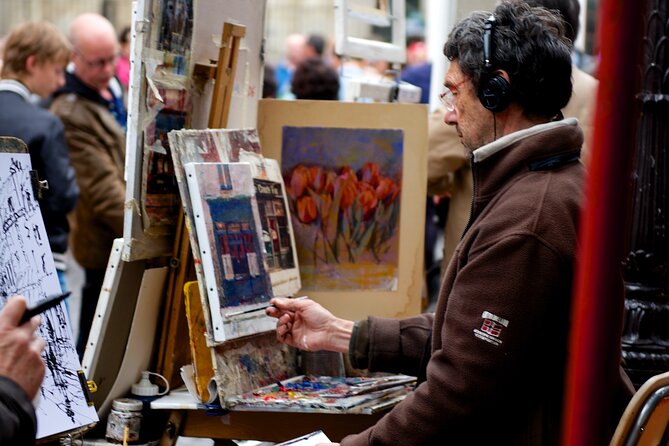
This tour’s “secret sauce” is the guide. Since it’s private, the guide isn’t just a lecturer—they’re also a time manager for your group.
Some groups have reported a standout guide named Anthony, and that’s a useful signal. One account highlighted how Anthony customized the tour for kids aged 11 and 13, including taking breaks on a very hot day and stopping at a bakery for croissants. That tells you the tour isn’t rigid. The guide can adjust the pace and keep the energy up.
Another positive detail: the guide also worked well for seniors and teens together, which is a strong sign that the tour can handle mixed ages without turning into a race.
So what should you do? Ask your guide early what pace works for you. If you want more time for photos, say so. If you want to focus more on food than churches, say that too. Private tours work best when you treat your guide like a local collaborator.
On the other hand, because a few people have described communication problems and trouble finding the guide, I’d treat confirmation as part of your prep. Check your details the day before and keep your messages/contact info accessible on your phone. If you arrive at the meet-up spot and the timing feels off, don’t just wait silently.
Price and Value: What $169.57 Buys You Here
At $169.57 per person, this tour isn’t the cheapest way to see Montmartre. But value isn’t only about price—it’s about what’s packed into the time.
You’re paying for three things at once:
- A private guide for a 2.5-hour walking experience
- An included church ticket for Notre-Dame de Lorette (so you’re not scrambling for entry)
- A structured tasting experience with multiple items, not just a quick stop
Compared with doing Montmartre on your own, you save time and reduce the guessing. With a guide, you don’t have to decide which streets matter, where to spend your limited energy, or how to understand the connections between the art legends and the physical places.
There’s also a scheduling advantage. The tour is commonly booked around 30 days in advance, which suggests it’s popular and not something you should count on last minute if your dates are tight.
Group discounts are mentioned too. If you’re traveling with friends or family, that can make the private format feel more reasonable. In that case, the higher per-person price starts to look less like a splurge and more like a good way to keep the group together with a plan.
Practical Tips Before You Walk Montmartre
Montmartre rewards comfort. Here’s what I’d plan around based on the tour format and the kind of day it creates.
Start with shoes. Cobblestones and small slopes are part of the charm, but they’re still surfaces that can wear you down. Comfortable shoes will make the difference between enjoying the pace and thinking about rest stops.
Bring water, especially in warm weather. One account specifically noted a very hot day and appreciated that the guide took breaks as needed. You’ll get more out of the tour if you hydrate and don’t push through fatigue.
Eat lightly before you go. The tastings include croissants, jam, and cheese, which can be plenty for a mid-day snack. If you show up stuffed, you might not enjoy the flavors as much.
Finally, use the exact meet-up spot. The start location is Paroisse Notre-Dame de Lorette, 8bis Rue Choron, 75009 Paris. Since this is a private experience, starting on time affects everything that follows.
Should You Book This Montmartre Heritage With Specialties Tasting Private Tour?
Book it if you want a Montmartre day that feels planned but still local. This is especially good for:
- Families who need a pace that can flex (including kids)
- Groups that want food plus art history in one route
- Visitors who only have a short window and don’t want to piece together churches and streets on their own
- Anyone who appreciates a church interior more than just a quick photo
Skip it or approach with extra caution if your group is extremely sensitive to timing and communication. There have been reports of people struggling to connect with the guide, so make sure your confirmations are clear and your contact method is ready.
Overall, if you show up with the right mindset—comfortable shoes, a little appetite, and willingness to walk—you’ll come away with what Montmartre is really about: the creative story, the street atmosphere, and tastings that keep the day from turning into pure sightseeing.
FAQ
How long is the Montmartre heritage with specialties tasting private tour?
It lasts about 2 hours 30 minutes.
How much does the tour cost per person?
The price is $169.57 per person.
Is this tour private or shared?
It’s a private tour/activity, meaning only your group participates.
Where does the tour start?
The meeting point is Paroisse Notre-Dame de Lorette, 8bis Rue Choron, 75009 Paris, France.
Which church is included with a ticket?
Notre Dame de Lorette has an admission ticket that is included for that first stop.
Is there a second church included?
The tour mentions a peek into Basilique du Sacre-Coeur as part of the Montmartre experience.
What food items are included in the tastings?
You’ll taste French delicacies such as croissants, homemade French jam, and locally made cheese.
Is the Montmartre portion ticketed?
The Montmartre stop is listed as admission ticket free.
When is the tour usually booked?
On average, it’s booked about 30 days in advance.
What is the cancellation policy?
You can cancel for a full refund up to 24 hours before the experience’s start time.
If you want, tell me your travel dates and whether you’re traveling with kids or older relatives, and I’ll suggest the best way to time this in your Paris day around Montmartre’s hills and church crowds.