REVIEW · YOGYAKARTA
Yogyakarta : Colonial Heritage Guide Walking Tour
Book on GetYourGuide →Operated by YKExplore · Bookable on GetYourGuide
Dutch Yogyakarta comes alive on foot. In two hours you trace the period 1811–1949 through Dutch colonial history and Indonesian viewpoints, starting at Tugu and ending near Titik Nol. An experienced English-speaking guide keeps the story moving, with water included.
I love how the route connects each landmark to a clear chapter of power, control, and resistance. You get specifics, like the press fight at Kantor Kedaulatan Rakyat and the atmosphere of Benteng Vredeburg, rather than vague background talk. I also like the practical side: guides such as Dora are noted for helping people cross busy streets safely so the walk stays comfortable.
One catch: this is a walking-focused tour for about two hours, and it’s not suitable for people with mobility impairments. Also, there’s no food included, so if you get hungry, plan a meal before or after.
In This Review
- Key Highlights Worth Your Time
- What $18 Buys You on This 2-Hour Colonial Walk
- How the Dutch Colonial Story Gets Told From Tugu to Titik Nol
- Tugu and Jalan Mangkubumi: Power, Press, and Palace-Proximity
- Hotel Toegoe and Tetengger Yogya Kembali: Luxury Meets Independence Memory
- Grand Inna Malioboro, DPRD, and Ketandan Gate: Governance and a Multicultural City
- Pasar Beringharjo and Wayah Titiyoni: Economic Survival and the Meaning of Time
- GPIB Marga Mulya, Gedung Negara, and Vredeburg: Religion and Rule Built to Monitor
- Kantor Pos Besar, Bank Indonesia, and BNI: How Colonial Money Moved
- Ending Near Kilometer Zero: A City Reframed Through 1811–1949
- How to Get the Most From the Guide (Bring the Right Mindset)
- Should You Book This Colonial Heritage Walk in Yogyakarta?
- FAQ
- How long is the Yogyakarta Colonial Heritage Guide Walking Tour?
- What language is the tour guide?
- How much does the tour cost?
- Where does the tour start and end?
- What’s included in the price?
- Is food included?
- Does the tour cover colonial history from a specific time period?
- Is the tour suitable for people with mobility impairments?
- Do I need to buy entry tickets for the stops?
Key Highlights Worth Your Time
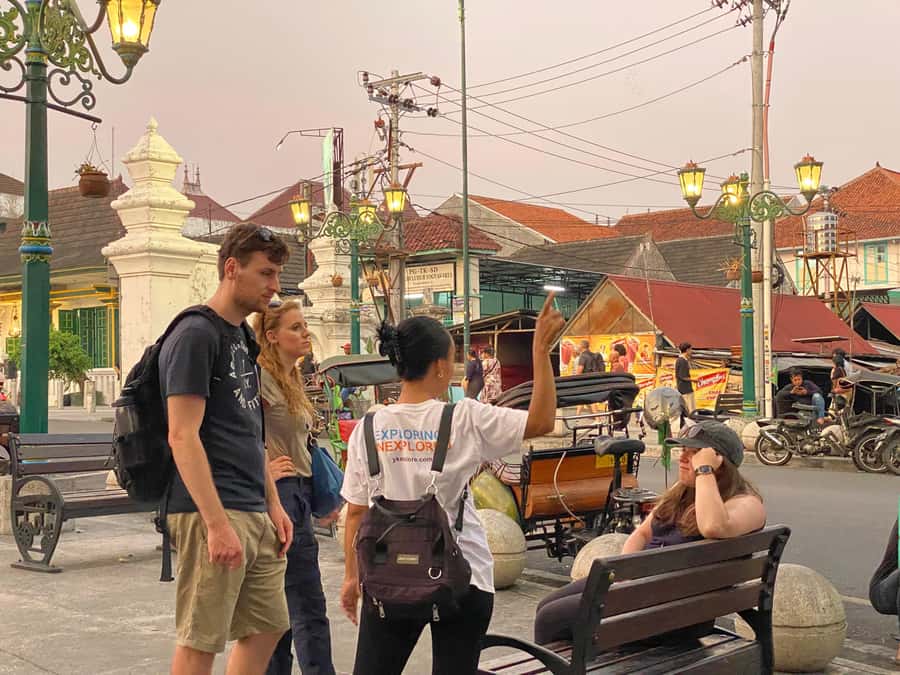
- 1811–1949 told in a tight 2-hour story: you’re not just seeing buildings; you’re learning how rule changed over decades.
- Tugu to Kilometer Zero: the tour ties symbolism and location to Yogyakarta’s modern identity.
- Clear English, strong guiding style: several guides (like Dora and Hendra) are praised for easy-to-follow explanations.
- Colonial “everyday life” spots: markets and gates show how policy affected real people, not just officials.
- Nuance in competing narratives: the guide may present different accounts based on Indonesian perspectives, which helps you think critically.
What $18 Buys You on This 2-Hour Colonial Walk
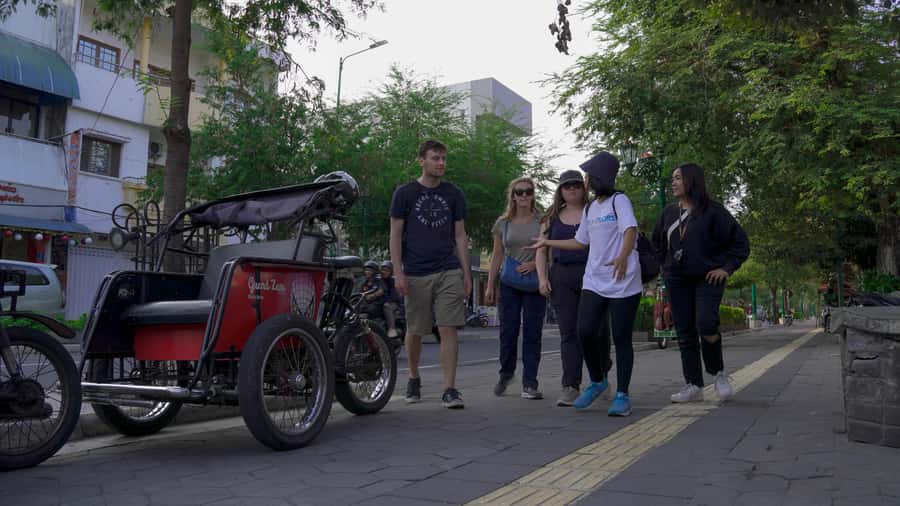
At $18 per person for a 2-hour guided walk, you’re paying for three things: time with an English-speaking historian-type guide, a curated route across major colonial-era landmarks, and water. For Yogyakarta, that’s a fair value if you like meaning behind what you’re looking at.
The key is your expectation. This is not a museum visit where everything is labeled. It’s a story-walk—fast enough to keep momentum, but long enough to connect the dots from Dutch-era administration to independence events.
If you prefer open-ended wandering or lots of free time at each site, you might feel the pace is less relaxing. But if you want context and you’re okay walking through the city, the price makes sense.
You can also read our reviews of more tours and experiences in Yogyakarta.

How the Dutch Colonial Story Gets Told From Tugu to Titik Nol
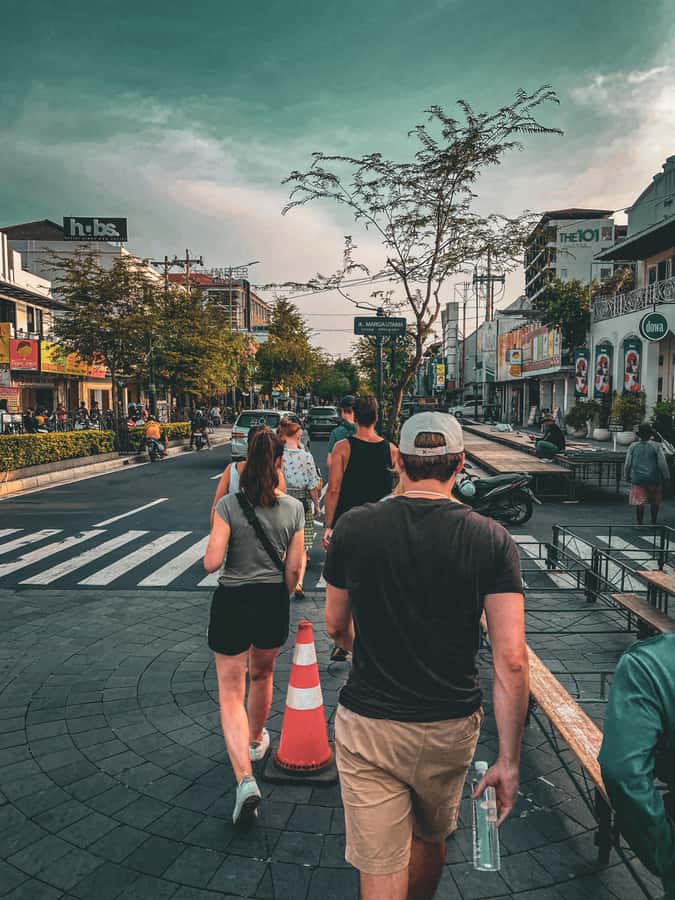
This tour is built around one idea: colonialism isn’t only about flags and buildings. It’s also about media, money, governance, religion, and daily survival. Your guide threads those themes through sites spanning the years 1811–1949, when Dutch influence and control shaped Yogyakarta’s political and cultural landscape.
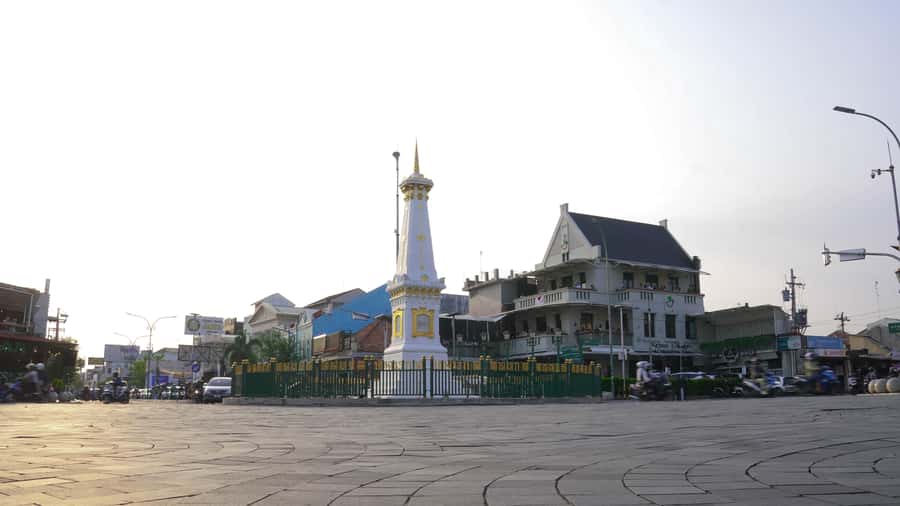
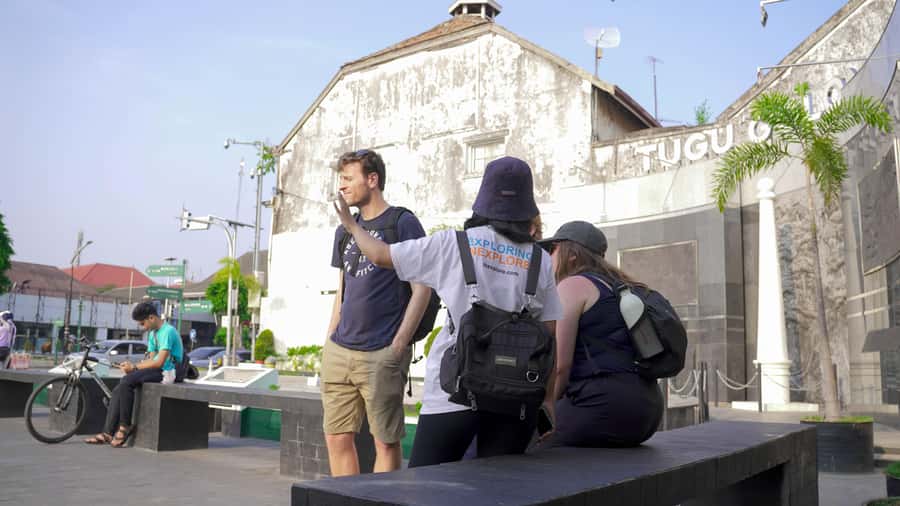
You start at Tugu, a monument tied to unity and resilience and strongly associated with the city’s early foundation. Then the walking route moves along Jalan Mangkubumi, where you pass through spaces that connect colonial power with local responses.
Along the way, you may hear differing accounts of historical events. The tour explicitly aims to include local insights, which can vary from other interpretations. For me, that’s a plus—because it pushes you to notice that history isn’t one single story.
Tugu and Jalan Mangkubumi: Power, Press, and Palace-Proximity
You begin at Tugu monument, and the guide frames it from two angles: the Indonesian view of independence spirit, and the broader role Yogyakarta’s rulers played in how the city navigated outside forces.
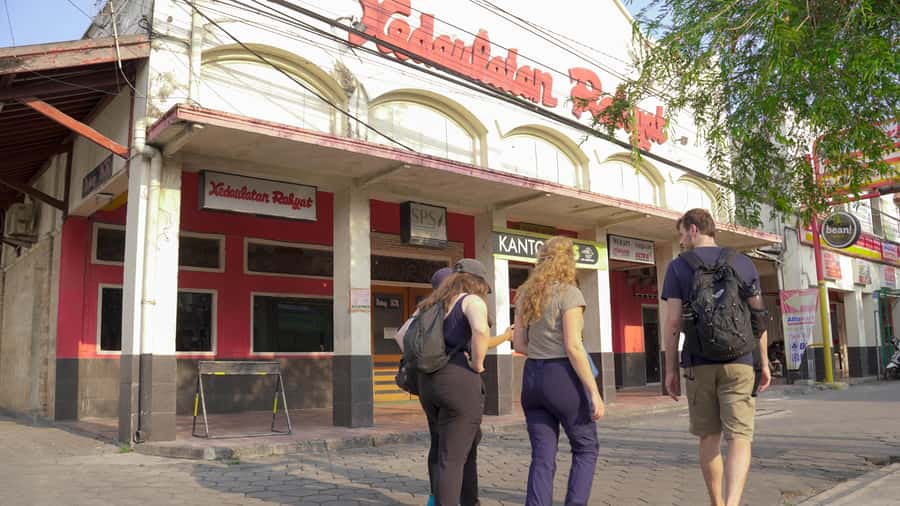
From there, the walk along Jalan Mangkubumi becomes a timeline. You pass the Kantor Kedaulatan Rakyat, where the history involves the press as a tool in the struggle for freedom. This isn’t a random stop. It’s there to show that power didn’t only happen in courts—it also happened in what people published and argued.
The route then shifts into the contrast between official colonial life and the hardships faced by locals. If you like seeing that contrast up close, this section works well.
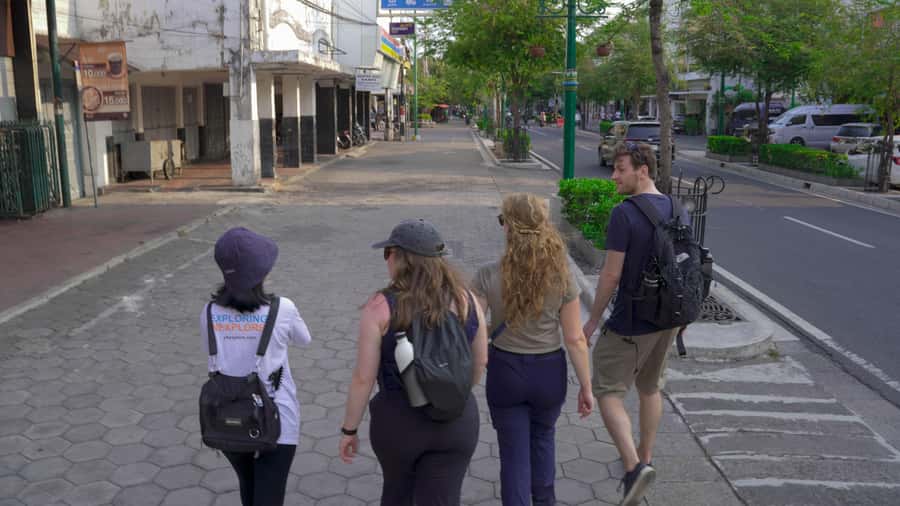
Practical note: this is an active city street. Your guide should help with safe crossing, and guides like Dora have been specifically praised for street-crossing tips.
Hotel Toegoe and Tetengger Yogya Kembali: Luxury Meets Independence Memory
One of the strongest “emotion-to-history” moments comes when you pass Hotel Toegoe. The guide uses it to show colonial-era luxury reserved for Dutch officials, and why that contrast mattered to the local population living under occupation.
Next, you reach Tetengger Yogya Kembali monument, which commemorates Yogyakarta’s role in resistance against colonial powers. If you’ve only seen monuments as decoration, this will reset that mindset. Here, monuments act like anchors for memory—physical reminders of the work that led to sovereignty.
This section is especially good if you’re trying to understand the emotional logic behind independence stories. It’s not just what happened, but how people later chose to remember it.
Grand Inna Malioboro, DPRD, and Ketandan Gate: Governance and a Multicultural City
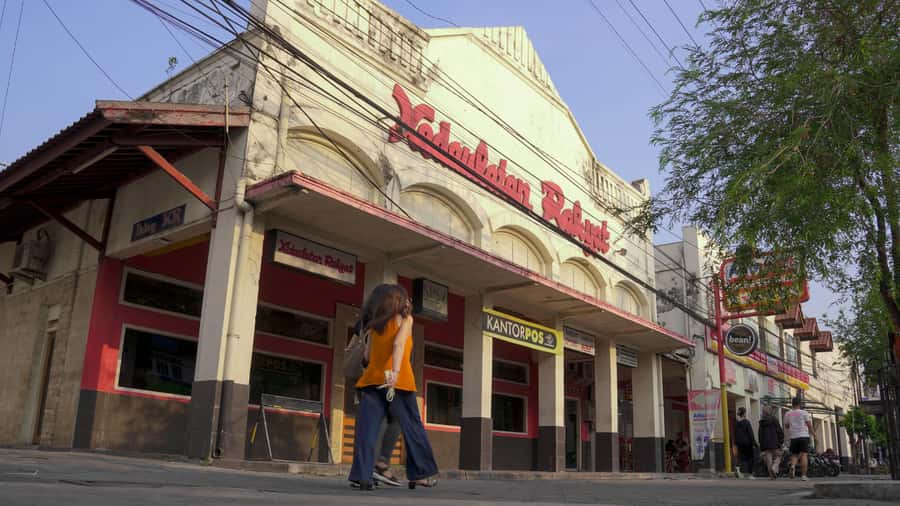
As the tour moves toward the Grand Inna area and Gedung DPRD, your guide explains how colonial governance structures shaped later political life in Indonesia. The point isn’t to memorize titles. It’s to understand that administration leaves long shadows—even after the foreigners leave.
From there, you pass Gerbang Kampung Ketandan (the gate for Kampoeng Ketandan), framed as a window into Yogyakarta’s multicultural heritage, especially the Chinese-Indonesian community. The tour connects that community’s lived experience to Dutch colonial policies—showing how rules affected who had opportunity, mobility, and protection.
If you’re the type who likes cultural details (rather than only political history), Ketandan is a great moment. It also helps you avoid a one-dimensional story where only Europeans and Javanese are “actors.” Yogyakarta’s history involved more communities than that.
Pasar Beringharjo and Wayah Titiyoni: Economic Survival and the Meaning of Time
At Pasar Beringharjo, the tour focuses on how local life met the colonial economic system. Markets are usually where you see everyday adaptation in real time—traders adjusting, shoppers negotiating prices, and people continuing life despite outside control.
This stop matters because it turns colonial history into something you can picture. Colonial rule wasn’t only paperwork; it shaped trade, purchasing power, and what people could earn.
Later, you reach Monumen Ngejaman, also called Wayah Titiyoni. The guide explains the symbolic ties to colonialism and how local society received it in mixed ways. I like this stop because it forces you to ask a simple question: why do some symbols become accepted, and others become contested?
GPIB Marga Mulya, Gedung Negara, and Vredeburg: Religion and Rule Built to Monitor
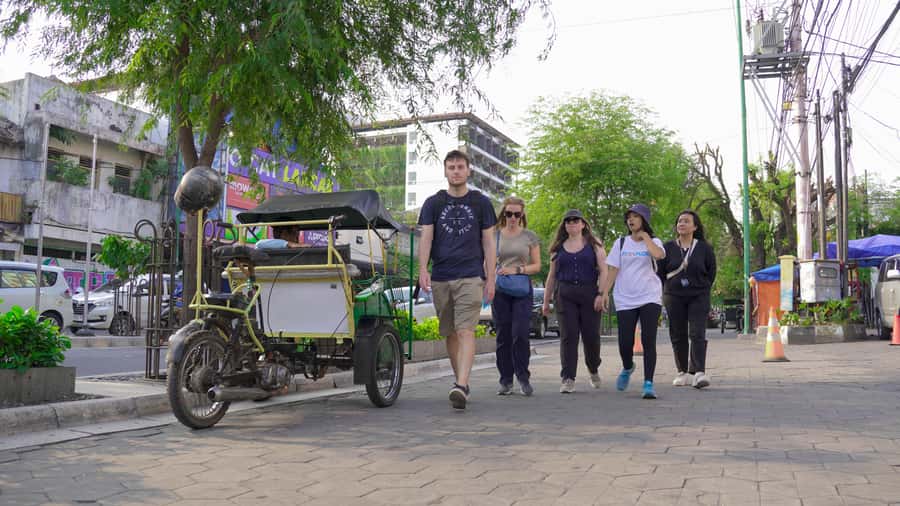
Near GPIB Marga Mulya, the story turns toward religion. The guide explains how religion sat inside a complicated system—both in colonial administration and in local resistance. That complexity is important. Religious institutions weren’t just spiritual places; they often had roles in education, community cohesion, and political signaling.
Next comes Gedung Negara, where Dutch officials once resided. This is another strong “shape of power” stop. The building type and its function show how governance worked—watchful, centralized, and designed to control.
Finally, you arrive at Benteng Vredeburg. The tour frames it as originally built to monitor the Sultan’s court, and later as a symbol of the oppressive grip of Dutch rule in Yogyakarta. Even if you don’t love fortifications, you’ll likely appreciate the idea: the city’s layout and its structures were part of the political system.
Kantor Pos Besar, Bank Indonesia, and BNI: How Colonial Money Moved
The tour then moves from buildings of control to buildings of exchange. At Kantor Pos Besar Yogyakarta and Bank Indonesia, the guide highlights economic systems that fueled colonial interests—often at the expense of local prosperity.
Then you pass BNI Yogyakarta, reinforcing the theme that finance and institutions matter. This part helps you connect the dots between colonial governance and the economic realities people faced daily. It’s also one reason this walk feels more useful than a simple photo tour: you’re learning the logic behind institutions you already see in modern cities.
A good sign here is how your guide keeps the story grounded. If they manage to link banking to what people could realistically afford, this section becomes memorable fast.
Ending Near Kilometer Zero: A City Reframed Through 1811–1949
The tour wraps up near Titik Nol Yogyakarta. You’ll often also pass Gereja Santo Fransiskus Xaverius as part of the closing stretch, which the guide uses as a reminder of the diverse colonial legacy.
This finish is the real payoff. After two hours of names and places, the tour helps you see Yogyakarta as a city shaped by decisions made long ago—decisions visible in architecture, street patterns, and public memory.
If you leave with one takeaway, make it this: colonial history isn’t just the Dutch story. It’s the story of Yogyakarta’s responses—through resistance, adaptation, and the way communities later chose to commemorate what happened.
How to Get the Most From the Guide (Bring the Right Mindset)
This is a narrative walk. So I’d recommend coming with three habits:
- Ask one follow-up question early. If your guide is strong (Dora, Hendra, Hery, Ophan are names you might see), they can often explain how one site fits a larger theme.
- Expect nuance, not a single straight answer. The tour may present Indonesian perspectives that differ from other sources. That’s part of the point.
- Plan your timing for comfort. It’s about two hours of walking, so wear shoes you can handle on uneven sidewalks and busy street edges.
If you want a relaxed stroll with lots of sitting time, you might not love the pace. But if you like context, you’ll likely finish feeling like you understood the city’s “why,” not only its “what.”
Should You Book This Colonial Heritage Walk in Yogyakarta?
Book it if:
- You want a guided English story that connects major colonial-era sites to Indonesian perspectives.
- You like clear explanations and strong guiding (many guides are praised for excellent English and taking time to clarify points).
- You’re happy walking through town for about two hours and you don’t need food included.
Skip it or consider another option if:
- You need a tour designed for mobility support.
- You want long stops inside buildings or a slow, café-paced experience.
- You feel you’d be disappointed by a tighter, narrative route where some streets are just part of the connective tissue.
For $18, the best-case outcome is simple: you leave with a mental map of Dutch rule, local governance, and independence memory—built from actual places you can still see today.
FAQ
How long is the Yogyakarta Colonial Heritage Guide Walking Tour?
The tour lasts 2 hours.
What language is the tour guide?
The tour is conducted with an English-speaking guide.
How much does the tour cost?
The price is $18 per person.
Where does the tour start and end?
It starts at the TOKIO DISTRICT area and finishes at Titik Nol Yogyakarta.
What’s included in the price?
The tour includes an English-speaking guide and water.
Is food included?
No. Food and drinks are not included.
Does the tour cover colonial history from a specific time period?
Yes. You’ll get the story of the period 1811 to 1949, including Dutch colonial history and local narratives.
Is the tour suitable for people with mobility impairments?
No. The tour is not suitable for people with mobility impairments.
Do I need to buy entry tickets for the stops?
The activity notes skip the ticket line, which suggests the tour helps with ticket checks for included sites.