REVIEW · KRAKOW
Krakow: Kazimierz District Jewish Heritage Tour
Book on GetYourGuide →Operated by Your City Guides · Bookable on GetYourGuide
Krakow’s Kazimierz tells a hard story in person. This 2-hour Jewish Heritage Tour pairs synagogue visits with street-level history, so you walk away with context instead of vague facts. I especially like how the guide links daily life, traditions, and faith side-by-side, not as a museum lecture.
My second big win: the tour’s focus on co-existence—the way Jewish and Christian communities shared space in medieval Krakow—and how that story survived even after the Holocaust. One thing to consider: the time is short, so you won’t necessarily enter every major site, and you should be ready for a mix of walking plus explanation rather than nonstop door-opening.
In This Review
- Key things you’ll notice on this Kazimierz tour
- Why Kazimierz still hits hard after all these years
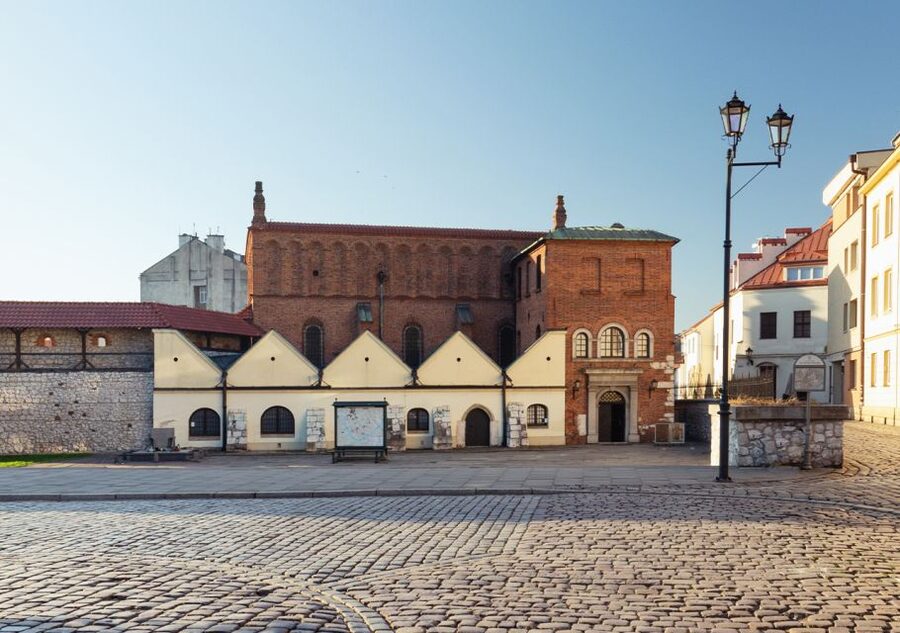
- Starting at the Old Synagogue: where the story gets grounded
- Walking Szeroka Street: learning the neighborhood at street level
- Remuh Synagogue: one stop where you should slow down
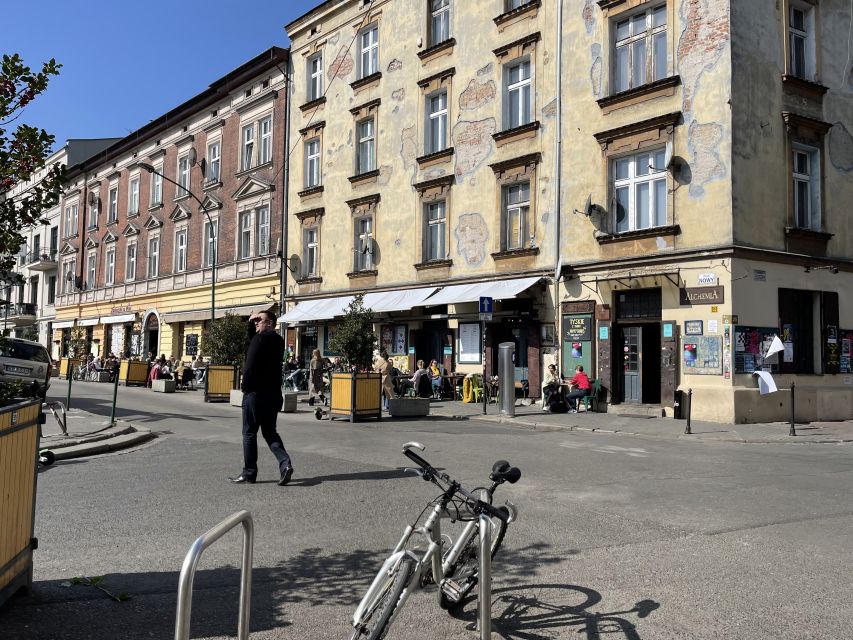
- Plac Nowy and Corpus Christi Basilica: reading shared city space
- Ghetto Heroes Square: the end of the walk, the start of the questions
- The 2-hour pace: good for focus, not for checking off everything
- What the guides bring (and how to choose your tour mood)
- Price and value: what $67 buys you in the real world
- Weather, comfort, and smart shoe choices
- Who should book this tour in Kazimierz?
- Should you book this Kazimierz Jewish Heritage Tour?
- FAQ
- Where does the tour start?
- How long is the Krakow Kazimierz Jewish Heritage Tour?
- What is included in the price?
- Is hotel pickup or drop-off included?
- Are food and drinks included?
- What languages is the live guide available in?
- Is the tour wheelchair accessible?
- Does the tour run in bad weather?
- What should I bring?
- Is free cancellation available?
Key things you’ll notice on this Kazimierz tour
- Old Synagogue start sets the tone fast, right in the heart of the neighborhood
- Guided walk through Szeroka Street helps you read the quarter like a living place, not just a map
- Remuh Synagogue visit with a ticket gives you a real sense of religious space and continuity
- Plac Nowy + Corpus Christi Basilica show how two faiths can shape the same city streets
- Ghetto Heroes Square brings you to the memory sites that make the history unavoidable
- English/Polish live guides often answer follow-up questions with detail and energy
Why Kazimierz still hits hard after all these years
Kazimierz isn’t just “old neighborhood” scenery. It’s the part of Krakow where you can feel layers of Jewish life—then face the way that life was nearly wiped out, and how much still remains.
What I like is the tour’s emotional balance: it doesn’t dodge sadness, and it also doesn’t stop at tragedy. You come away with a sense of hope and rebirth—because the district is alive today, and history isn’t sealed in glass.
Starting at the Old Synagogue: where the story gets grounded
You meet in front of the Old Synagogue, which is a smart choice. Before you even move, the guide can frame what you’re about to see: the Jewish quarter’s role in medieval Europe and why Kazimierz is such a meaningful surviving place.
This first stop matters because it sets expectations. You’re not wandering randomly. You’re learning how to connect places you’ll pass—squares, streets, and religious buildings—to real community life and real historical turning points.
Walking Szeroka Street: learning the neighborhood at street level
Once you’re walking, Szeroka Street becomes your “classroom.” The guide uses the layout around you—streets and nearby landmarks—to explain how two cultures and religions lived next to each other in the same city.
This is also where you’ll start noticing details that you might otherwise miss. When someone points out traditions, customs, or how communities interacted, the neighborhood starts to make sense in a very practical way: you can picture daily life, not just big events.
If you prefer your history with visuals, this part helps a lot. And if you’re the type who likes asking questions, this walk is often the easiest moment to do it.
Remuh Synagogue: one stop where you should slow down
The tour includes a visit to Remuh Synagogue, and you’ll have a synagogue ticket included. This is the kind of stop where the “rules of the space” matter—dress and behavior should be respectful, and you’ll want to keep your phone use low.
Even in a short visit, a real synagogue interior can change how you understand the rest of the tour. It’s one thing to hear about traditions. It’s another to stand in a religious setting where those traditions weren’t just stories—they were everyday rhythm.
Practical tip: plan your comfort here. Synagogue visits often involve waiting in line and standing for the guide’s explanation, so comfortable shoes are not optional.
Plac Nowy and Corpus Christi Basilica: reading shared city space
Next you’ll move to plac Nowy, a central square that helps anchor the quarter’s atmosphere. Squares like this matter because they’re where people meet, trade, and talk—so they’re perfect for hearing about community life rather than only big political moments.
Then comes Corpus Christi Basilica, which adds a different angle. Instead of treating faiths as separate worlds, the tour highlights the idea of shared urban space—how Christian and Jewish landmarks can exist near each other while telling very different stories.
What I find valuable here is the way the guide doesn’t turn it into a debate. You get to see how a city grows multiple identities at once. It’s history you can actually feel by looking at buildings and street patterns around you.
Ghetto Heroes Square: the end of the walk, the start of the questions
The tour finishes at Plac Bohaterów Getta (Plac Bohaterów Getta 6). This is the moment where the tone shifts from “learning the neighborhood” to “remembering what happened there.”
The Holocaust almost totally destroyed the rich culture of Polish Jews. Almost is a key word here. The remaining pieces—community memory, the survival of Kazimierz’s identity, the very fact that you can visit these sites today—are part of why this district still matters.
If you’re someone who carries a lot emotionally while sightseeing, give yourself a minute after the tour ends. Don’t rush to the next stop as if this was just another attraction. That little pause is where the history tends to land.
The 2-hour pace: good for focus, not for checking off everything
Two hours is ideal if you want a guided hit without draining a whole afternoon. You cover several major points—synagogues, streets, squares, and a memorial area—without the “you’ll be here all day” feeling.
But the short format is also the main reason you might feel like not every door is open. Some similar tours can be heavy on explanation with limited entry into certain places. In this case, the tour includes synagogue time, and the rest is structured walking and guided sightseeing—so keep your expectations realistic.
My advice: if you want extra time for photos or extra stops on your own, schedule breathing room before or after. This is one of those tours where you’ll likely want to linger afterward.
What the guides bring (and how to choose your tour mood)
This is the kind of tour where the guide can make or break the experience. The strongest versions of this tour are driven by guide energy and the ability to answer questions with specifics.
From what I’ve seen in how different guides are described for this route, names like Anya, Ela, and Jimmy come up as standouts. The pattern: professional delivery, strong grasp of historical details, and a willingness to engage.
Still, pace preferences matter. If you’re the type who gets impatient with too much talking, try to go in with a mindset for listening—this is history told through context, not a scavenger hunt. On the other hand, if you love Q&A, you’ll probably enjoy the way the guide handles follow-ups.
Price and value: what $67 buys you in the real world
At $67 per person for about 2 hours, the value comes from two things: a live guide and a synagogue ticket. You’re not just paying for walking routes—you’re paying for interpretation plus access.
You should also plan around what isn’t included. There’s no hotel pickup/drop-off, and there’s no food and drinks. If you’ll be hungry, bring a snack or plan a café stop afterward. Kazimierz has plenty of places to eat, but this tour won’t do that work for you.
One more “value” point: because the tour is short, you’re paying to make the most of limited time. If you already know a lot and want a very broad, self-guided checklist of every site, you might not feel satisfied. If you want a clear starter framework for Kazimierz, this is a very reasonable price.
Worth doing before you go: confirm exactly which synagogue entry the included ticket covers when you book. The listing says a synagogue ticket is included, and I’d rather you have that detail locked in than find out at the door.
Weather, comfort, and smart shoe choices
This tour runs rain or shine. That means you should dress for wet streets and unpredictable Krakow weather, not just the morning forecast you checked once.
Bring comfortable shoes and comfortable clothes. You’ll be walking around central Kazimierz sites, and you’ll want your feet to stay happy whether the day is bright or gray.
Also, since the tour is wheelchair accessible, it’s a good option if you need that kind of support. Just keep in mind it’s still a walking-based neighborhood outing, so comfort and planning matter.
Who should book this tour in Kazimierz?
Book this if you want:
- A guided walk that connects Jewish traditions, co-existence, and specific places
- Synagogue time plus street-level context, not just monuments-from-a-distance
- A short, focused afternoon plan that ends at a meaningful memorial site
Skip or rethink if you want:
- A long, do-everything schedule with lots of additional building entrances
- A tour that’s mostly self-guided with minimal talking
- Total certainty that every notable spot in Kazimierz will be entered or fully visited within the time window
Should you book this Kazimierz Jewish Heritage Tour?
I’d book it if your goal is to understand Kazimierz fast and respectfully. For the time you spend, you get a strong framework: where the story starts at the Old Synagogue, how the neighborhood reads along the way, and how the tour lands at Plac Bohaterów Getta.
It’s also a good match if you like guides who can explain with energy and answer questions. Just go in prepared for a guided walk format, and don’t assume every major site will be entered. With that mindset, this tour becomes one of the most meaningful ways to start appreciating Krakow’s Jewish heritage.
FAQ
Where does the tour start?
You meet in front of the Old Synagogue.
How long is the Krakow Kazimierz Jewish Heritage Tour?
The tour lasts 2 hours.
What is included in the price?
The tour includes a guide and a synagogue ticket.
Is hotel pickup or drop-off included?
No. Hotel pickup and drop-off are not included.
Are food and drinks included?
No. Food and drinks are not included.
What languages is the live guide available in?
The live guide is available in English and Polish.
Is the tour wheelchair accessible?
Yes, the tour is listed as wheelchair accessible.
Does the tour run in bad weather?
Yes. It takes place rain or shine.
What should I bring?
Bring comfortable shoes and comfortable clothes.
Is free cancellation available?
Yes. You can cancel up to 24 hours in advance for a full refund.